

The timing chain of the Kia Ceed II stretches due to wear. This causes rattling noises when starting from cold. The fault can lead to serious engine malfunctions or even internal engine damage. This fault occurs regularly in the second-generation Ceed and requires timely inspection and maintenance. The most common symptoms are chain noise shortly after starting, loss of power and an engine warning light on the dashboard. Read on to find out when you need to take action and what costs you can expect.
What causes the timing chain fault in the Kia Ceed II?
The timing chain ensures that the crankshaft and camshaft rotate perfectly in sync. The crankshaft is the main component that converts the force of the pistons into rotary motion, while the camshaft operates the valves. These two components have to run in perfect synchrony.
In the second-generation Kia Ceed the chain can stretch. This happens due to normal wear. The stretching leads to more play between the chain and the sprockets, which causes the engine timing to deviate. This results in faults and, in the worst case, serious engine damage.
In addition to the chain itself stretching, the tensioner and guides can also wear. The tensioner (a mechanical component that keeps the chain tight) has the job of keeping the chain at the correct tension. If these parts no longer do their job properly, the chain gets too much room to move. This causes the characteristic rattling noise, especially when the engine is cold.
Maintenance backlogs play an important role in accelerating wear. Unsuitable engine oil has a negative effect on the lubrication of the chain. Excessively long intervals between oil changes have the same effect. This speeds up the wear process and significantly increases the risk of problems.
Which symptoms point to a chain problem?
Recognising the first symptoms can prevent serious damage. The Kia Ceed II shows several clear signs when the timing chain is causing problems. Watch out for the following symptoms:
- Rattling or clattering noise when starting the engine, especially when starting from cold
- Engine warning light coming on on the dashboard
- Fault codes related to timing or sensor deviations
- Rough idling or jerky driving behaviour
- Loss of power during acceleration
- Difficulty starting or, in some cases, sudden stalling
- In advanced wear: mechanical damage to the engine or a chain that jumps completely
The rattling noise on a cold start is often the first warning sign. It indicates that the chain or tensioner may be due for replacement. This noise occurs because the chain is not yet optimally tensioned by the cold oil. After a few seconds the noise usually disappears, but that does not mean the problem is gone. It is precisely this brief rattle that is an important clue.

Why is timely inspection so important?
The timing chain can stretch too much. The chain can also jump completely. Both situations cause a loss of timing. This means that the valves (components that let air and fuel into the engine) and pistons (the columns that move up and down in the engine) no longer move at the correct moment. This can lead to contact between valves and pistons. That contact results in serious internal engine damage. Repair costs can then rise to several thousand euros.
Regular inspection of the chain tension, tensioner and guides (the plastic or metal rails that guide the chain) is important. This allows you to detect such problems at an early stage. A visit to a garage if in doubt can prevent expensive repairs. Always take an engine warning light or irregular running seriously, because timing problems often worsen quickly.
When should you replace the timing chain?
In theory, the timing chain is designed for a long service life. Some manufacturers even claim that the chain will last the entire life of the engine. In practice, however, this does not always prove to be true. With the Kia Ceed II, chain problems do occur. This happens mainly with cars that have a higher mileage or an incomplete service history.
Many owners and garages recommend checking the chain tension from a mileage of around 100,000 kilometres. If noticeable symptoms such as rattling noises or loss of power are present, replacement is often necessary. It is wise to replace the chain itself. Also replace the tensioner and guides. These parts often wear at the same time and otherwise will cause problems again.
Some engines have a timing belt instead of a chain. These engines have fixed replacement intervals of around 135,000 kilometres or six years. With some diesel variants these values are higher: 160,000 kilometres or eight years. Always check which system your car has and follow the recommended intervals.
‘ Cheap is not always the best choice, because work carried out incorrectly can lead to new problems. ’
What are the costs of replacing the timing chain?
The cost of replacing the timing chain in the Kia Ceed II depends on several factors. It makes a difference whether only the chain is replaced or whether the tensioner, guides and possibly the water pump are also replaced. It is a time-consuming job. Labour costs make up a large part of the total bill.
Allow for a total amount of between 800 and 1,500 euros for a full replacement including labour. This amount can be higher. That happens if there is already secondary damage to the engine (additional damage that has arisen as a result of the main problem). At specialised Kia dealers the costs are often at the upper end of this range. Independent garages sometimes offer cheaper options.
It is sensible to request multiple quotes and choose a garage with experience in Kia engines. Cheap is not always the best choice, because work carried out incorrectly can lead to new problems.

Practical tips for owners and buyers
Do you own a Kia Ceed II or are you thinking of buying one? Then there are a few practical steps you can take to prevent problems or spot them in time. When buying a used Ceed, a check on a cold start is one of the most useful tests. Start the engine when it is cold and listen for unusual noises. Listen carefully to the engine block immediately after starting. A brief rattling noise can be an early indication of chain wear.
Always check the car’s service history. Look for regular oil changes and use of the correct engine oil. A complete and clear history inspires confidence and prevents nasty surprises. If in doubt, ask whether the timing chain or tensioner has ever been checked or replaced.
Owners themselves can also stay alert. Regularly listen for unusual noises when starting. Never ignore warning messages or an engine warning light. If in doubt, have the chain tension, tensioner and guides inspected before the damage gets worse. Early inspection prevents expensive engine damage, especially on cars with high mileage or unclear maintenance.
Are all Kia Ceed II models equally sensitive?
Not all Kia Ceed II models have the same timing system. Some versions have a timing belt, others a chain. This makes a big difference to service intervals and potential problems. The engine variant largely determines the risk. The required maintenance also depends on the engine variant.
Most chain problems are reported on petrol and diesel engines. In these variants, the risk of stretching and wear is greater than in models with a belt. Belt versions require periodic replacement at fixed intervals. These versions are less sensitive to rattling noises or sudden faults.
When buying, always ask which timing system the car has and what the service history is. This helps form realistic expectations and prevents surprises in maintenance costs.
‘ A visual and audible check of the timing chain and related components takes little time, but can prevent major repairs. ’
How can you prevent timing chain problems?
Prevention starts with good maintenance. Make sure this is carried out regularly according to the manufacturer’s instructions. Ensure the engine oil is changed on time. Stick to the recommended intervals set by the manufacturer. Always use the correct specification of engine oil as stated in the service booklet. The wrong oil accelerates wear on the chain and tensioner. Excessively long intervals between oil changes also speed up wear.
Do not let the engine idle unnecessarily for long periods in cold conditions. A cold engine does not yet have optimal lubrication, which puts extra strain on the chain. Drive off gently and allow the engine to come up to temperature gradually while driving.
Schedule regular inspections at a reliable garage. This is especially important if the car has high mileage. With high mileage the risk of wear is greater and extra checks are needed. A visual and audible check of the timing chain and related components takes little time, but can prevent major repairs. Discuss with the mechanic whether it makes sense to check the chain tension, especially on cars above 100,000 kilometres.
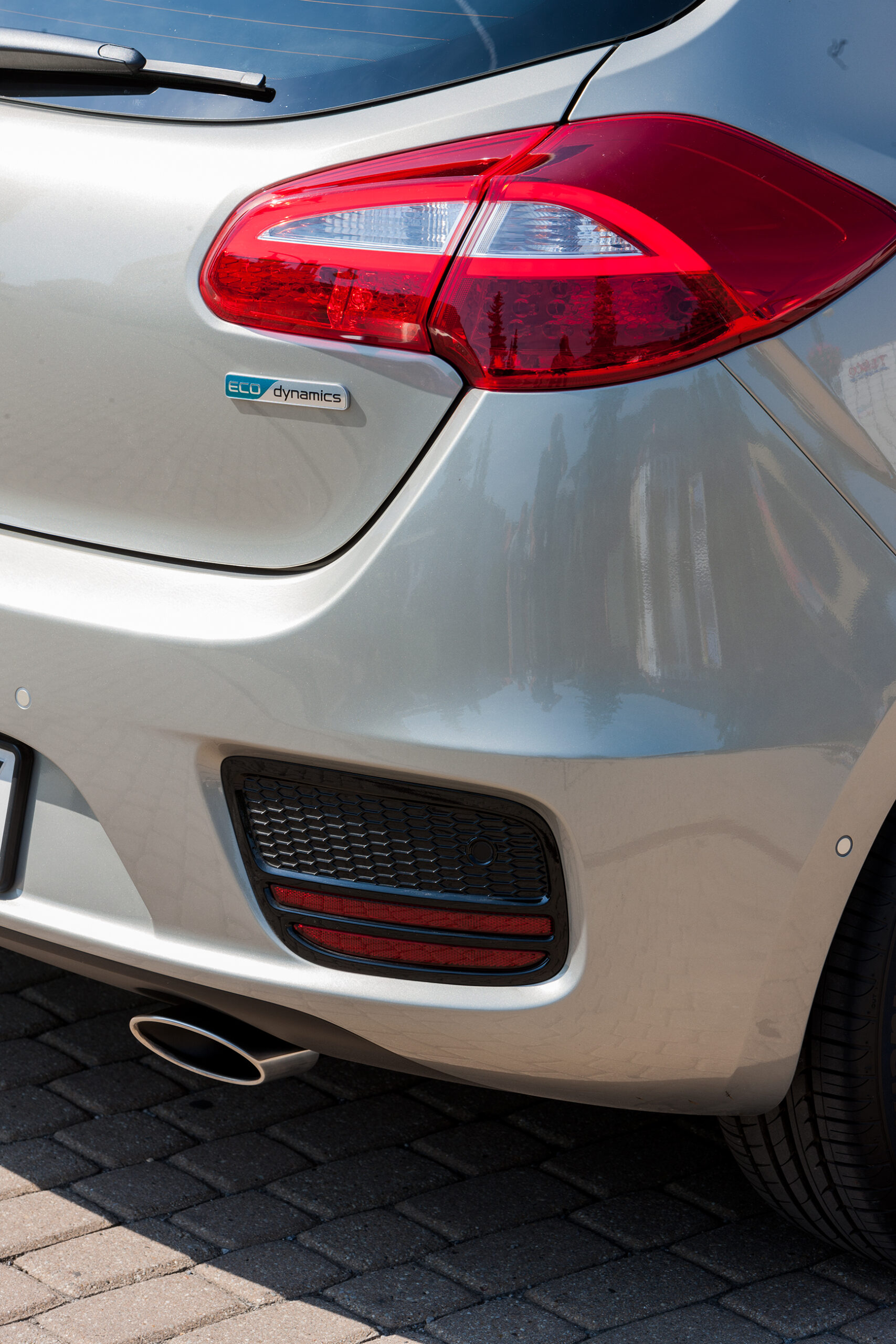
Where can you find more information about the Kia Ceed?
The timing chain fault is one of the known points of attention on the Kia Ceed II, but of course there are more aspects that are of interest to owners and potential buyers. On the Carnews website you will find extensive information about common problems, maintenance tips and experiences of other Ceed drivers. Discover more about this popular compact car and stay up to date with the latest developments and practical advice.
Frequently asked questions
A timing chain is a metal chain that keeps the crankshaft and camshaft(s) in your engine rotating exactly in sync, so the valves open and close at the correct moment. In the Kia Ceed II this chain is crucial for correct engine timing; if it stretches or the tensioner/wear parts wear out, the engine can start to run irregularly or even suffer serious internal damage. Typical warning signs are a rattling noise on a cold start, an illuminated engine warning light and loss of power or poor idling. Early inspection and proper maintenance (especially timely oil changes) help prevent expensive engine damage.
Typical symptoms are a rattling or tinkling noise when starting (especially from cold) and an unstable or fluctuating idle speed with possible loss of power. This is often accompanied by the engine warning light coming on and fault codes that point to camshaft/crankshaft signals or timing problems. In more serious cases the engine starts poorly, stalls or runs very irregularly. With advanced wear the chain can even jump, with audible mechanical noises and a risk of severe engine damage.
Common causes are stretching of the timing chain due to normal wear, especially at higher mileages. In addition, the chain tensioner and guides wear, creating extra play and rattling noises. A lack of maintenance or use of unsuitable engine oil can also worsen lubrication and cause the chain and tensioner to wear more quickly. Regular checking of chain tension and timely maintenance are therefore considered crucial.
If you ignore a timing chain fault in your Kia Ceed II, the timing between the crankshaft and camshaft can get further and further out, so the engine will run increasingly badly or idle irregularly. This increases the risk of the engine cutting out while driving and can cause starting problems. In the worst case the chain can jump or break, causing the valves and pistons to collide and leading to severe internal engine damage. The eventual repair costs can then be many times higher than the cost of timely inspection or replacement of the chain, tensioner and guides.
The estimated costs for repair or replacement of the timing chain on a Kia Ceed II in practice often amount to roughly a thousand euros or more, depending on the damage and labour hours. Options are: replacing only the chain with the tensioner and guides, or – in the case of severe wear or engine damage – a more extensive overhaul of the timing side or even repair of (partial) engine damage. A specialist can first make a diagnosis on the basis of noise, fault codes and wear to determine whether preventive chain replacement alone is sufficient. In some cases, timely replacement can prevent expensive consequential damage to the engine.
Have all oil changes carried out on time using the specified oil; clean, correct oil is crucial for lubricating the chain, tensioner and guides. At every service, have the timing chain listened to, especially from a cold start, and report any rattling noise, poor starting or illuminated warning light immediately. Ask your garage to check the chain tensioner and guides specifically at higher mileages and replace them preventively if wear is found. Preferably buy or drive a Ceed II with a documented service history, so you know for sure there is no maintenance backlog.