
The timing chain in 1.2 and 1.4 TFSI engines (Turbo Fuel Stratified Injection, Audi’s name for turbocharged petrol with direct injection) in the Audi A3 stretches prematurely, which leads to rattling noises, engine hesitation and potentially serious engine damage. This problem mainly affects cars with a mileage above 50,000 kilometres. Many owners only notice it after 4 to 5 years of use, with all the consequences that entails. Read on to find out how to recognise this and what you can do about it.
Recognisable symptoms of a worn timing chain
A stretched timing chain gives off clear signals. The most characteristic symptom is a rattling or scraping noise on a cold start. This noise is often audible when the engine is idling at 2,500 to 3,000 rpm or during hard acceleration. Irregular idling, juddering and hesitation can also point to chain problems.
The Audi A3 with a TFSI engine can also show loss of power. This is due to incorrect timing. The engine management warning light often comes on, with fault code P0016 indicating that the camshaft and crankshaft are no longer synchronised. At these signs, quick action is needed to prevent costly damage.
Do not ignore these warning signs. When the chain jumps a tooth or breaks, valves can hit the pistons. This leads to expensive repairs that often go beyond simply replacing the chain. The tensioner and guides also regularly fail, which makes the problem worse.
‘ This is not always recorded in the service log, which means the problem remains invisible until it is too late. ’
Why does the chain fail in TFSI engines?
In theory, the timing chain in TFSI engines is maintenance-free. In practice, the design proves prone to wear. The chain is relatively thin and has to absorb high engine forces. As the mileage increases, the material stretches, causing the tension to drop and the timing to become inaccurate.
Long oil change intervals accelerate the wear. Audi often uses intervals of more than 30,000 kilometres, but that turns out to be too long for these engines. The hydraulic chain tensioner works on oil pressure and struggles to lock properly when the engine is switched off. As a result, the chain loses tension during starting, which causes the rattling noise.
The 1.2 TFSI, 1.4 TFSI and 1.8 TFSI variants in particular suffer from this problem. Owners report that even with regular dealer servicing, the original tensioners fail. This is not always recorded in the service log, which means the problem remains invisible until it is too late.

Which Audi A3 models are most affected?
The timing chain problems are concentrated in the TFSI petrol engines in the Audi A3. The 1.2 TFSI and 1.4 TFSI are the most susceptible. These compact, powerful engines deliver a lot of power from a small engine capacity, which puts extra stress on the chain.
The 1.8 TFSI also has similar vulnerabilities. Cars from the period 2008 to around 2015 are at the highest risk. After this period Audi introduced improvements, but older models remain prone to chain problems.
Costs of timing chain repair
Replacing a timing chain on an Audi A3 1.4 TFSI is not a minor job. At a garage or dealer, you should expect costs between 1,500 and 2,500 euros. This amount includes the chain itself, a new tensioner, guides and labour.
When replacing, opt for modified or improved parts. These are more reliable than the original version and reduce the risk of a repeat. Specialists often offer a 3‑year warranty on the repair. Continuing to drive with a faulty chain can result in engine damage where valves and pistons need to be repaired, with costs that can rise to well over 5,000 euros.
‘ Timely replacement prevents far greater expenses later on. ’
Tips for buying a used car with a TFSI engine
Are you considering a used Audi A3 with a TFSI engine? Then pay close attention to the condition of the timing chain. Ask the seller for the service history and check whether the chain has already been replaced. Replacement around 80,000 to 120,000 kilometres prevents trouble.
During the test drive, perform a cold start and listen carefully for rattling noises. Accelerate firmly and watch for juddering or hesitation. Use an OBD scanner (On‑Board Diagnostics scanner, a device that reads the car’s onboard computer) to read fault codes. Code P0016 is a clear indicator of chain problems.
Is there no documentation of chain replacement on cars with a mileage above 50,000 kilometres? Then negotiate on the price or factor the repair costs into your budget. Timely replacement prevents far greater expenses later on.
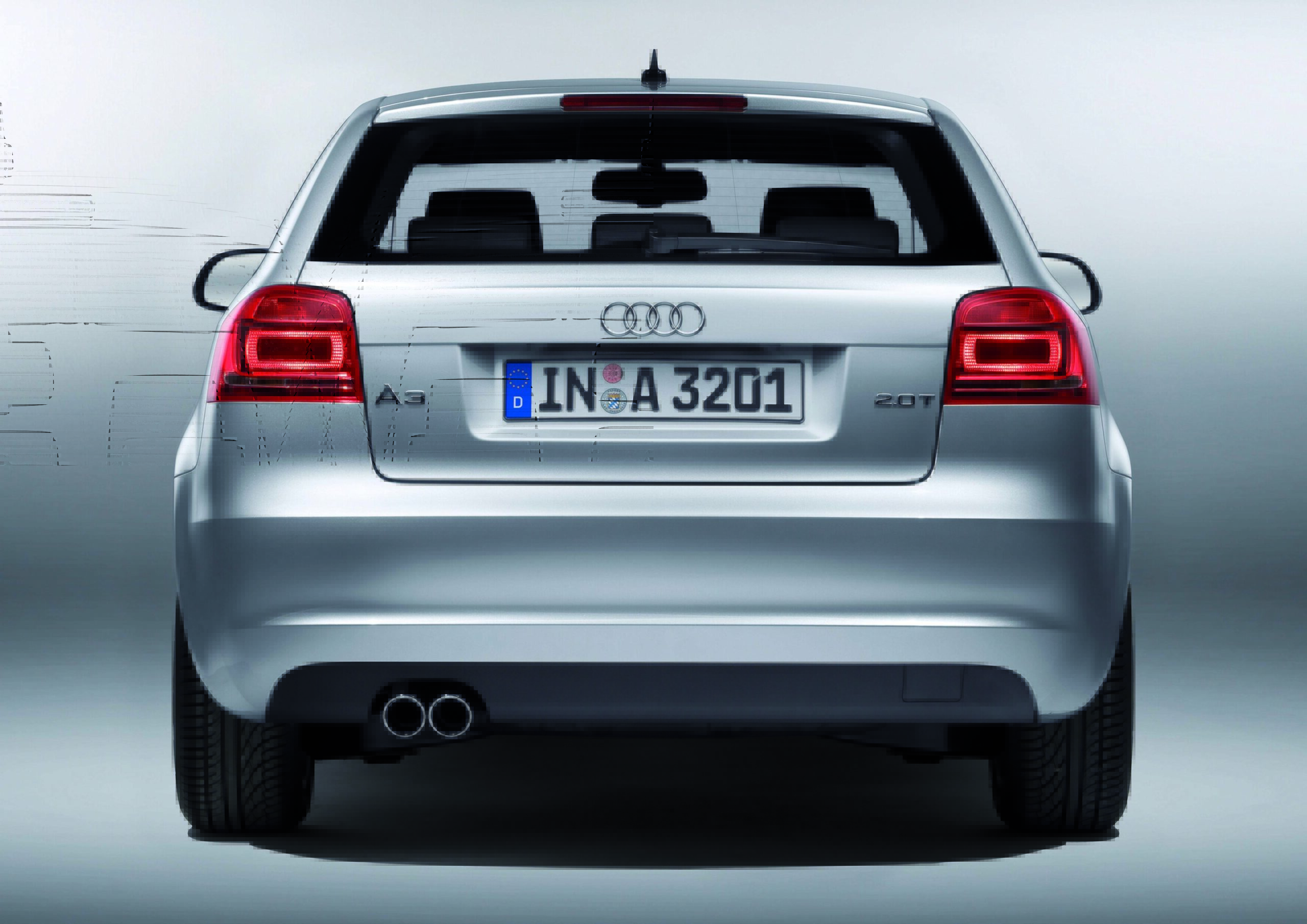
Preventive maintenance to avoid problems
Regular and correct maintenance significantly extends the service life of the timing chain. Change the engine oil at most every 15,000 to 20,000 kilometres instead of the 30,000 kilometres prescribed by Audi. Always use high‑quality oil that meets the manufacturer’s specifications.
Have the chain inspected at a mileage of 100,000 kilometres, or earlier if you notice symptoms. A specialist can use diagnostic equipment to check the tension and timing. Preventive replacement around 100,000 kilometres is sensible for cars without documented chain replacement.
Many owners on forums report that early replacement between 80,000 and 120,000 kilometres is the best precautionary measure. Dealer servicing is not always comprehensive, so if in doubt, consult a specialist garage with experience in TFSI engines.
Should you avoid a TFSI engine altogether?
The chain issue does not have to be a reason to avoid TFSI engines completely. With timely action and proper maintenance, the Audi A3 with a TFSI engine remains a reliable and pleasant car. The engines offer a good balance of power and efficiency.
Do, however, be aware of the vulnerability. Only buy a used car with a verifiable service history and preferably a replaced chain. Be prepared for preventive maintenance and keep an eye on the warning signs. Never ignore rattles or engine problems, because delaying repairs only makes them more expensive.
With the right precautions and attention to maintenance, you can enjoy years of trouble‑free driving pleasure. The TFSI engine has proven potential, provided the owner takes responsibility for its maintenance.
‘ Other models and brands also have specific vulnerabilities that you should be aware of as a car owner. ’
Find out more about Audi and other car brands
Timing chain problems are not unique to the Audi A3. Other models and brands also have specific vulnerabilities that you should be aware of as a car owner. On the Carnews website, you will find extensive information about common car problems, maintenance tips and practical buying advice for both new and used cars. Explore more articles and expand your knowledge about cars that suit you.
Frequently asked questions
The most common symptoms are a rattling or scraping noise on cold start, when idling or during hard acceleration, caused by the stretched chain. In addition, you will often notice irregular idling, juddering, hesitation and a noticeable loss of power. The engine management warning light can also come on, often with fault codes such as P0016 (camshaft/crankshaft position not in sync). In more serious cases, defective chain tensioners or guides can cause the chain to jump and threaten engine damage.
The most susceptible Audi A3 TFSI engine codes for timing chain problems are mainly the 1.2 TFSI, 1.4 TFSI and 1.8 TFSI variants from the first generations of TFSI engines. In particular, the early 1.2 TFSIs and 1.4 TFSIs (such as the 1.4 TFSI 122 hp) are known for having chains that stretch more quickly. In these engines, the thin chain design and the hydraulic chain tensioner play a major part in their sensitivity to problems. The risk increases with long oil change intervals and higher mileages.
Have the engine filled with high‑quality oil at least every 15,000–20,000 km (or annually) and avoid the long factory service intervals. Have the timing chain, tensioner and guides preventively checked around 100,000 km or at the first rattling noises by a specialist. Regularly listen for rattling or scraping noises on cold start and during hard acceleration and, if in doubt, have a diagnosis carried out immediately (have OBD fault codes such as P0016 read). When replacing, choose the modified chain and tensioner so that the chance of a repeat is smaller.
For replacing the timing chain on an Audi A3 TFSI, you should roughly expect an amount between about €800 and €1,500 at specialist companies, depending on labour rate, parts used and any additional damage. A complete set is often replaced: chain, tensioner, guides and sprockets, sometimes combined with a major service. Repair options include preventive replacement at the first rattling noises or fault codes, or a complete overhaul of the timing system if there has already been chain jump or engine damage. Some specialists offer improved (modified) chain kits and extended warranty periods.
Yes, there are improved timing chain kits and modified chain tensioners available for Audi A3 TFSI engines. These aftermarket or modified original sets have been developed to reduce the known problems with stretching and tensioner failure. Specialist VAG mechanics often offer complete overhaul kits with improved chain, tensioner and guides. Using such a kit, combined with shorter oil change intervals, significantly reduces the chance of a repeat.