
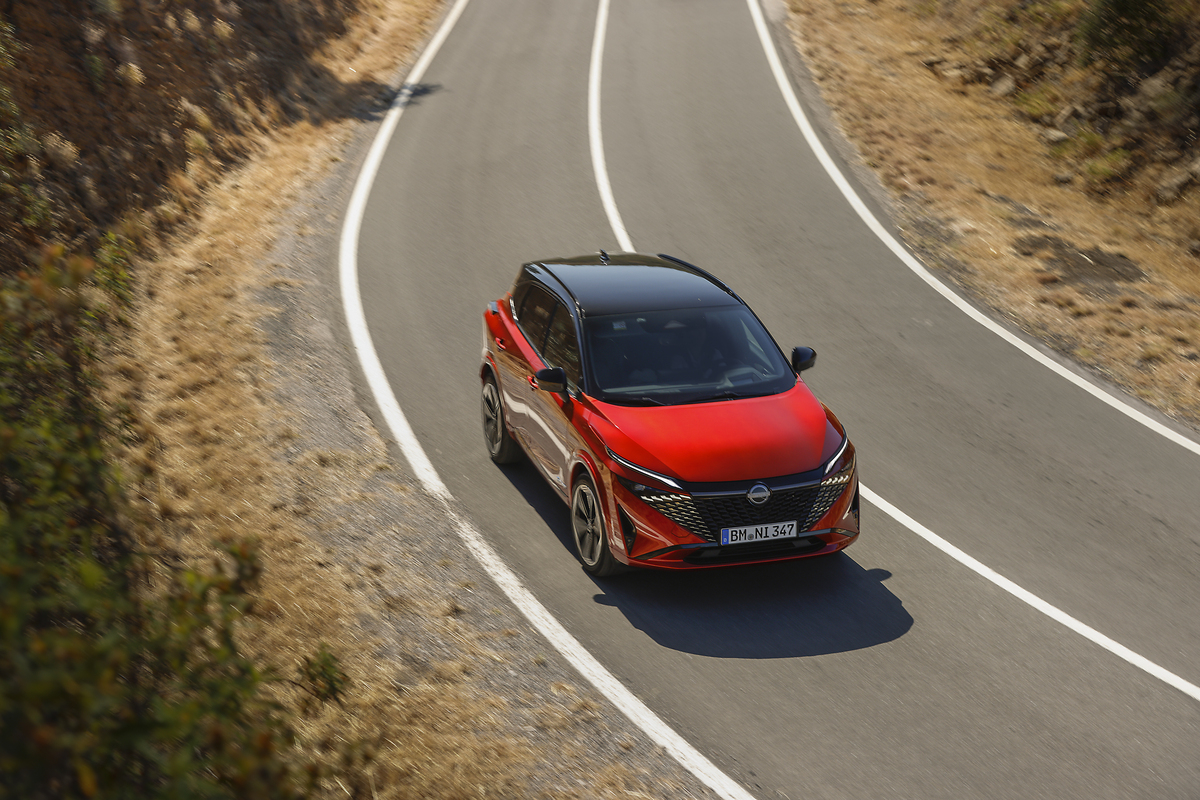
The timing chain of the Nissan Qashqai stretches after a few years of use and causes characteristic rattling noises when starting the engine. This problem occurs especially with the 1.2 DIG-T and various diesel models and, if neglected, can lead to expensive engine damage. Do you recognise these symptoms? Then it is time to take action.
Which engines are most vulnerable?
The issue is mainly concentrated around specific engines in the Nissan Qashqai range. The 1.2 DIG-T (Direct Injection Gasoline-Turbo) engine, also known as HRA2DDT, tops the list of quality problems. This turbo engine was widely fitted between 2014 and 2021 in the J11 generation of the Qashqai. The newer 1.3 HRDDT engine is also not completely free from timing chain complaints.
In addition, owners of older 2.0-litre engines sometimes report similar problems. These are often accompanied by increased oil consumption. The Nissan Juke and Micra with the same engine versions show identical vulnerabilities. The chain has a slender design. The compact turbo engines place a heavy load on it. This significantly accelerates wear.
‘ Do not ignore these warnings, because the consequences can be serious. ’
Symptoms of a worn timing chain
A faulty or stretched timing chain manifests itself in several ways. The most common sign is a rattling or clattering noise when starting a cold engine. The stretched chain is no longer tensioned tightly enough. As a result, it hits against the guides.
The following symptoms may also occur:
- The engine management light is illuminated or flashing on the dashboard
- The engine idles roughly or runs jerkily while driving
- You experience loss of power or hesitant acceleration
- The engine hesitates when accelerating
- Fault codes appear in the diagnostic system
These signals often appear after four to five years of use. You also see these symptoms regularly after long service intervals of more than 20,000 kilometres. Do not ignore these warnings, because the consequences can be serious.
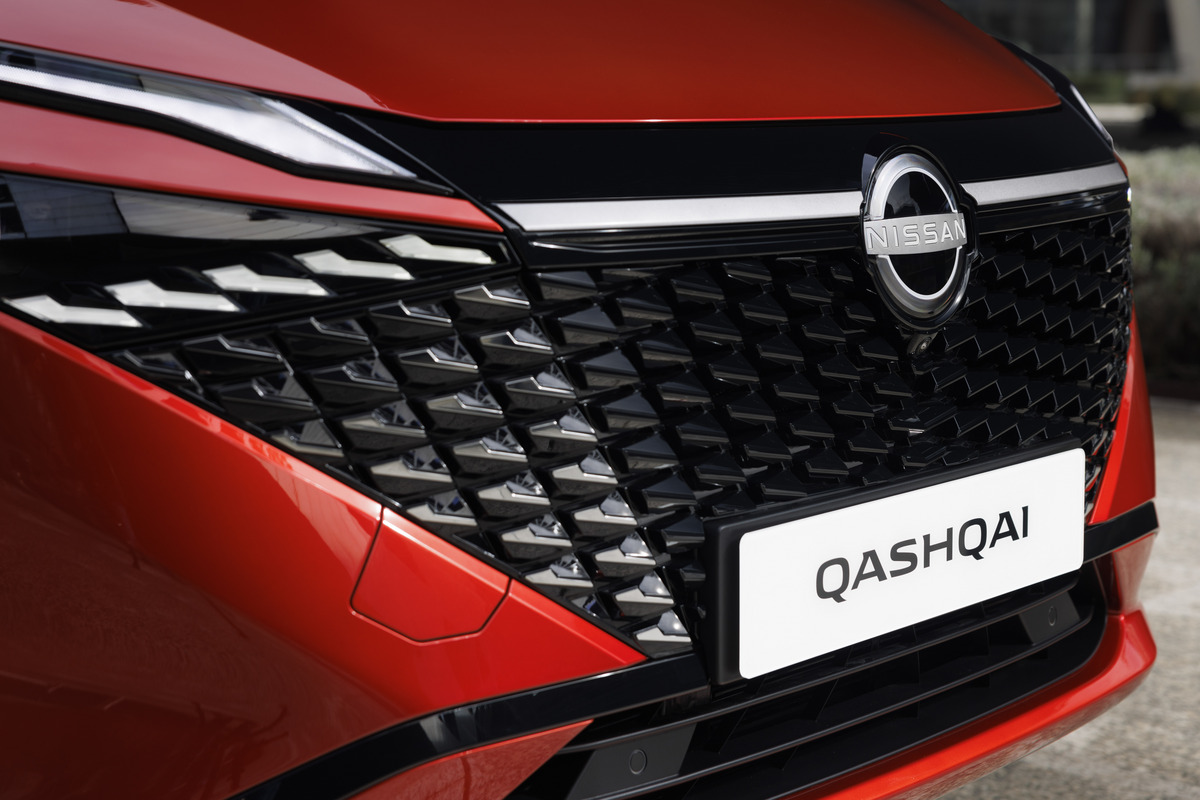
Why does the timing chain stretch?
The problem has several causes. Firstly, the chain has been given a relatively slender design to save space and weight in the compact engine block. The high load of the turbo engine significantly accelerates wear. This is especially true with many short trips. In that case, the engine does not reach full operating temperature.
Long service intervals play an important role. Nissan uses intervals of 20,000 kilometres or more. Old or contaminated engine oil loses its protective properties. This speeds up wear on the chain, tensioners and guides. Faulty tensioners can no longer keep the chain at the correct tension, causing the material to stretch further.
Finally, timing chains often miss the preventive maintenance that is common practice with timing belts. Many owners assume that a chain truly lasts the lifetime of the car, which in practice is not the case with these models.
Spot timing chain problems in a used Qashqai
Are you considering buying a used Nissan Qashqai? Then take some precautions. Always request the full service history and check whether the engine oil has been changed regularly. The shorter the intervals, the better the chain has been treated.
Start the engine from cold and listen carefully for unusual noises in the first few seconds. A rattling sound points to a stretched chain. If in doubt, have a specialist measure the chain tension with professional diagnostic equipment. This gives certainty about the actual condition of the chain.
Also pay attention to oil consumption, especially with DIG-T engines. Ask the seller or owner how much oil the engine uses between services. Excessive oil consumption may indicate underlying engine problems that place additional stress on the chain.
‘ Some owners ultimately pay more than the residual value of their car. ’
Consequences of a broken timing chain
A timing chain can jump or break while driving. This immediately causes serious damage. The crankshaft and camshaft no longer rotate in sync, causing valves and pistons to collide. This leads to bent valves, damaged pistons and, in the worst case, complete engine failure.
Repair costs quickly run into several thousand euros. A complete replacement of the timing chain alone costs around 1,950 euros, but if the engine is damaged, you must add the cost of new valves, pistons and possibly even a fully reconditioned cylinder head. Some owners ultimately pay more than the residual value of their car.
Continuing to drive with symptoms increases the risk exponentially. Experiences shared by owners on forums show that many problems occur between 80,000 and 100,000 kilometres, sometimes even earlier with intensive use and lots of short journeys.
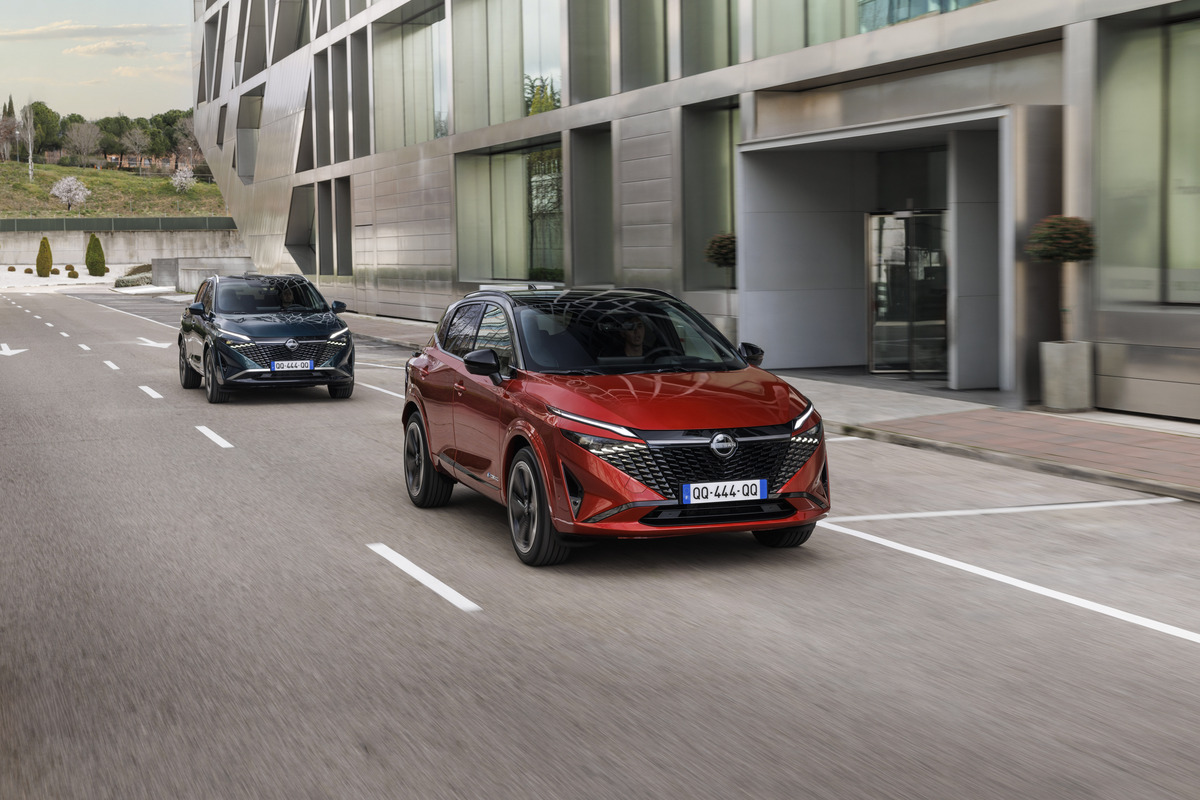

What does replacing the timing chain involve?
A complete overhaul of the timing system includes the chain itself and several other components. During a professional repair, the following parts are replaced:
- Timing chain and, if applicable, the oil pump chain
- All guides and tensioners
- Sprockets that show signs of wear
- Valve stem seals and various gaskets
In addition, the mechanic changes the engine oil, oil filter and often the coolant as well. The fault memory is cleared and the engine is readjusted. The work requires precision and knowledge of the compact Nissan engines, so choose a specialist workshop.
How often should the timing chain be replaced?
Nissan claims that the chain lasts the lifetime of the car. Practice shows otherwise. With the vulnerable 1.2 DIG-T and diesel versions, preventive replacement is advisable between 100,000 and 150,000 kilometres. Do you mainly drive short distances? Do you use the car intensively? Then consider an inspection around 80,000 kilometres.
Keep the service intervals for engine oil short, preferably a maximum of 15,000 kilometres instead of the 20,000 kilometres recommended by the manufacturer. Always use oil of the correct specification and quality. This significantly extends the lifespan of the chain and tensioners.
Monitor oil consumption. Check the dipstick regularly. An engine that uses oil runs hotter and puts extra strain on the chain. Top up in good time and find the cause of excessive consumption.
‘ The earlier you spot a problem, the smaller the chance of consequential damage. ’
Practical tips for Qashqai owners
Invest in regular maintenance. Do not be put off by the seemingly high cost of preventive replacement. A new timing chain costs around 2,000 euros, but prevents damage that can cost many times more. At the first symptoms, have a diagnosis carried out immediately.
Choose a mechanic who has experience with Nissan engines. The compact design and specific characteristics of the DIG-T engines require specialist knowledge. Ask for references. Check whether the workshop uses genuine or high-quality replacement parts.
Listen carefully during cold starts, especially in winter. The earlier you spot a problem, the smaller the chance of consequential damage. Note when symptoms occur and discuss this with your mechanic at the next service.
On the Carnews website you will find much more information about common problems with various car brands and models. Discover which other technical points deserve attention when buying or maintaining your car and make a well-informed choice.
Frequently asked questions
You often recognise early symptoms of timing chain problems in a Nissan Qashqai by a rattling or clattering noise on a cold start or elevated idle speed. A lit engine management light with fault codes, rough idling, juddering or loss of power can also indicate a chain that is starting to stretch. If these issues occur around 80,000–100,000 km or after long service intervals, extra vigilance is needed. If in doubt, have a mechanic check the chain tension and timing immediately to prevent serious engine damage.
The most common causes are a relatively slender chain design, worn or defective chain tensioners and guides, and accelerated wear due to long service intervals or poor/overdue engine oil. High engine loads and insufficient cooling can also cause the chain to stretch and jump teeth. You can reduce the risk of problems by using shorter oil intervals (max. approx. 15,000 km), always using quality oil and monitoring oil consumption. If you notice strange rattling noises or when buying a used Qashqai, have the chain tension and timing checked preventively by a specialist.
The Nissan Qashqai models with the 1.2 DIG-T / 1.2 HRA2DDT engine (especially the J11, around 2014–2021) are the most prone to timing chain problems. The newer Qashqai models with the 1.3 HRDDT engine also show similar issues. In addition, there are reports of chain stretch and increased oil consumption with some older 2.0-litre engines.
Replacing a timing chain on a Nissan Qashqai usually costs around €1,950, but this amount can vary per workshop and depending on any additional damage. The repair usually involves replacing the timing chain, any oil pump chain, guides, sprockets and tensioners. Valves, valve stem seals and gaskets are often renewed as well. Engine oil, oil filter and coolant are also changed, and the engine management is read and reset.
If you ignore a timing chain problem on your Nissan Qashqai, the chain may jump or break, completely throwing the engine timing out of sync. This can lead to bent valves, damaged pistons and ultimately complete engine failure. Repair costs can then run into thousands of euros, often more expensive than timely replacement of the timing chain kit. In addition, continuing to drive with rattling noises or fault codes increases the risk of sudden breakdown and the car coming to a standstill.