
The Renault TCe engine is known for its efficiency, but it does have a weak spot: the timing chain can stretch and show signs of wear. This leads to annoying noises, loss of power and, in the worst case, serious engine damage with high repair costs. Owners of older TCe variants in particular should stay alert to symptoms.
These TCe engines suffer from chain problems
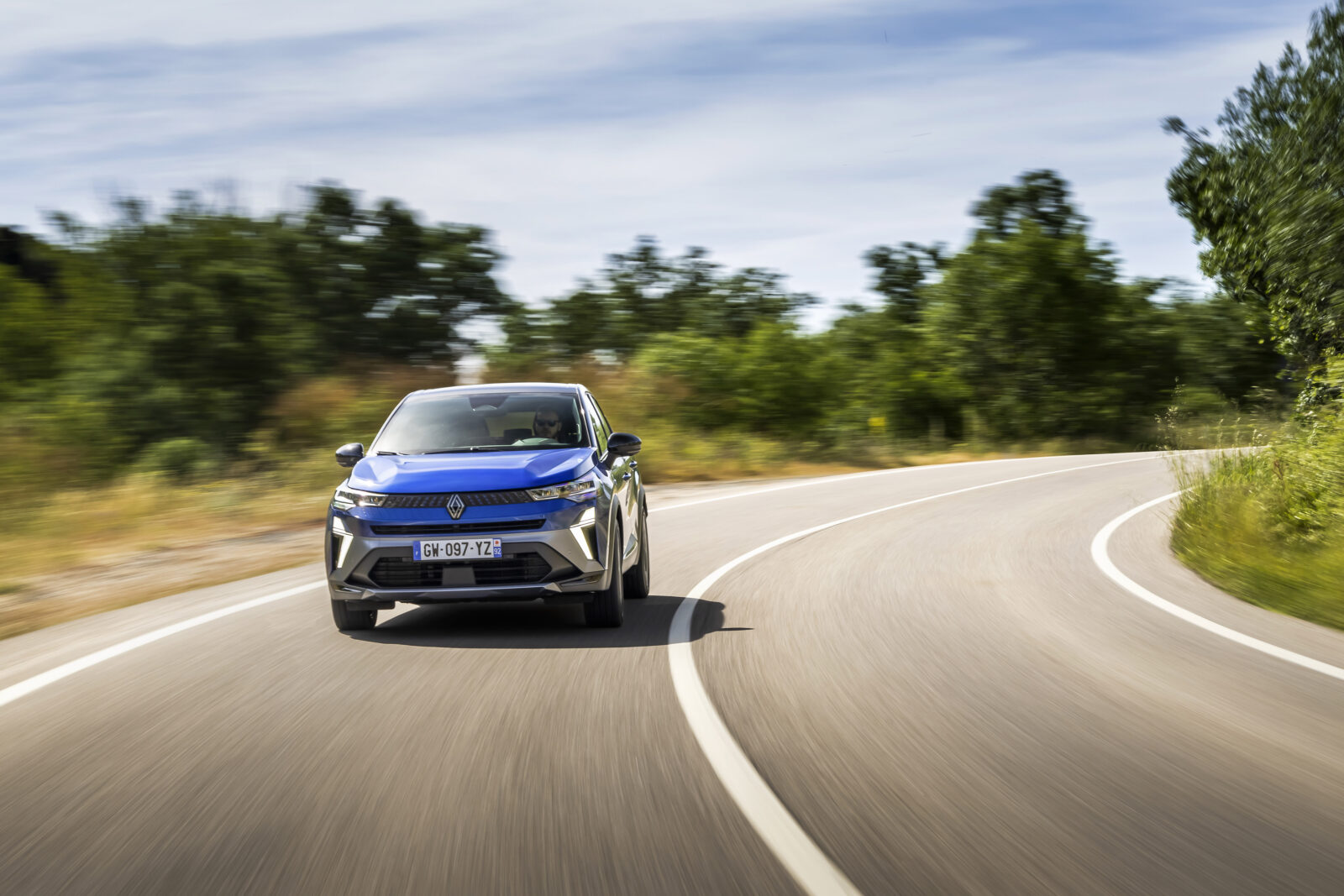
The timing chain is a known weak point in the older 1.2 TCe engine. The newer 1.3 TCe engine is also affected. The 1.2 TCe, which was built up to 2018, has the worst reputation in this area. Models with a high mileage or insufficient maintenance in particular show symptoms. The Renault Captur is one of the models in which this engine was widely used and for which owners regularly report chain problems.
The newer 1.3 TCe, in production since 2020, is improved compared with its predecessor. Thermal management is better and the chain design is more robust. Even so, problems continue to appear, especially with cars that are mainly used for short trips, without the engine fully warming up. Faults also occur when the service schedule is not followed closely.
These symptoms point to a worn timing chain
A worn or stretched timing chain gives off clear signals. If you recognise any of these symptoms, it is wise to act quickly:
- Rattling or clattering noise from the front of the engine, especially when starting or accelerating
- Flickering of the engine warning light on the dashboard
- Noticeable loss of power or irregular engine running
- Rough idling with noticeable vibrations
These signals arise because the chain stretches. The timing between crankshaft and camshaft is then no longer correct. The tensioner can no longer compensate sufficiently. This disrupts valve operation and can cause damage to other engine components.
Why the timing chain wears out
Several factors contribute to premature wear of the timing chain. Normal wear at high mileage is unavoidable. Other causes are often preventable. Insufficient maintenance plays a major role. If you do not change the oil regularly, you greatly accelerate wear. Using low-quality oil also leads to faster deterioration.
The TCe engine is known for heat build-up in certain areas of the engine bay. This thermal stress speeds up the ageing process of the chain and the tensioner. Driving style also plays a part. Lots of short trips put extra strain on the engine. The engine does not reach operating temperature, so the oil cannot do its job properly.
How much does it cost to replace a timing chain
Replacing a timing chain is no minor job. The work is labour-intensive. It requires dismantling various engine components. With a full replacement, the chain itself, the tensioner, the guide and often the camshaft sprockets are renewed.
Total costs vary widely. An independent mechanic charges different rates than an official Renault dealer. The specific TCe variant also makes a difference. The region you live in likewise plays a role. On average you should expect costs between 800 and 1500 euros. The above factors determine the final price. This makes preventive maintenance all the more important.
‘ Regular oil changes are the best protection against premature chain wear. ’
How to prevent timing chain problems
Prevention starts with consistent maintenance. Regular oil changes are the best protection against premature chain wear. Use high-quality synthetic oil that meets Renault’s specifications. For older 1.2 TCe models, an oil change every 15,000 kilometres is recommended.
Check the oil level regularly and top up if necessary. While driving, listen for unusual noises from the engine bay. If in doubt, it is sensible to have a professional inspection carried out. Owners of cars with more than 100,000 kilometres would be wise to have the condition of the timing chain checked. This applies especially to the 1.2 TCe.
Make sure the engine warms up properly, especially in winter. Avoid consistently driving only short trips. Let the engine reach full operating temperature. A properly functioning cooling system is essential, as it limits thermal stress. Have this checked regularly during services.
Difference between 1.2 TCe and 1.3 TCe
The 1.2 TCe has the worst reputation when it comes to chain problems. This is mainly found in models built before 2018. The chain stretches more quickly and the tensioner develops issues sooner. Owners of this variant need to be extra alert to symptoms and follow the maintenance schedule more strictly.
The 1.3 TCe is a further development with improvements in several areas. Thermal management has been optimised and the chain itself is more robust. Even so, problems cannot be ruled out completely. Poor driving habits can also lead to chain issues with this engine. Neglecting maintenance has the same effect. The risk is, however, lower than with the 1.2 TCe.
When should you go to the garage
At the first signs of chain problems, it is important to act quickly. Rattling noises must not be ignored. Do not wait until the engine warning light comes on. Do not wait until the power has noticeably decreased either. By that time, the damage is often already substantial.
Choose a mechanic with experience of TCe engines. The diagnosis requires specific knowledge, as well as dedicated tools. A full inspection includes checking chain tension. The condition of the tensioner is examined, and the guide is also checked. Any fault codes in the engine management system are read out. When replacing parts, only use components from qualified suppliers.
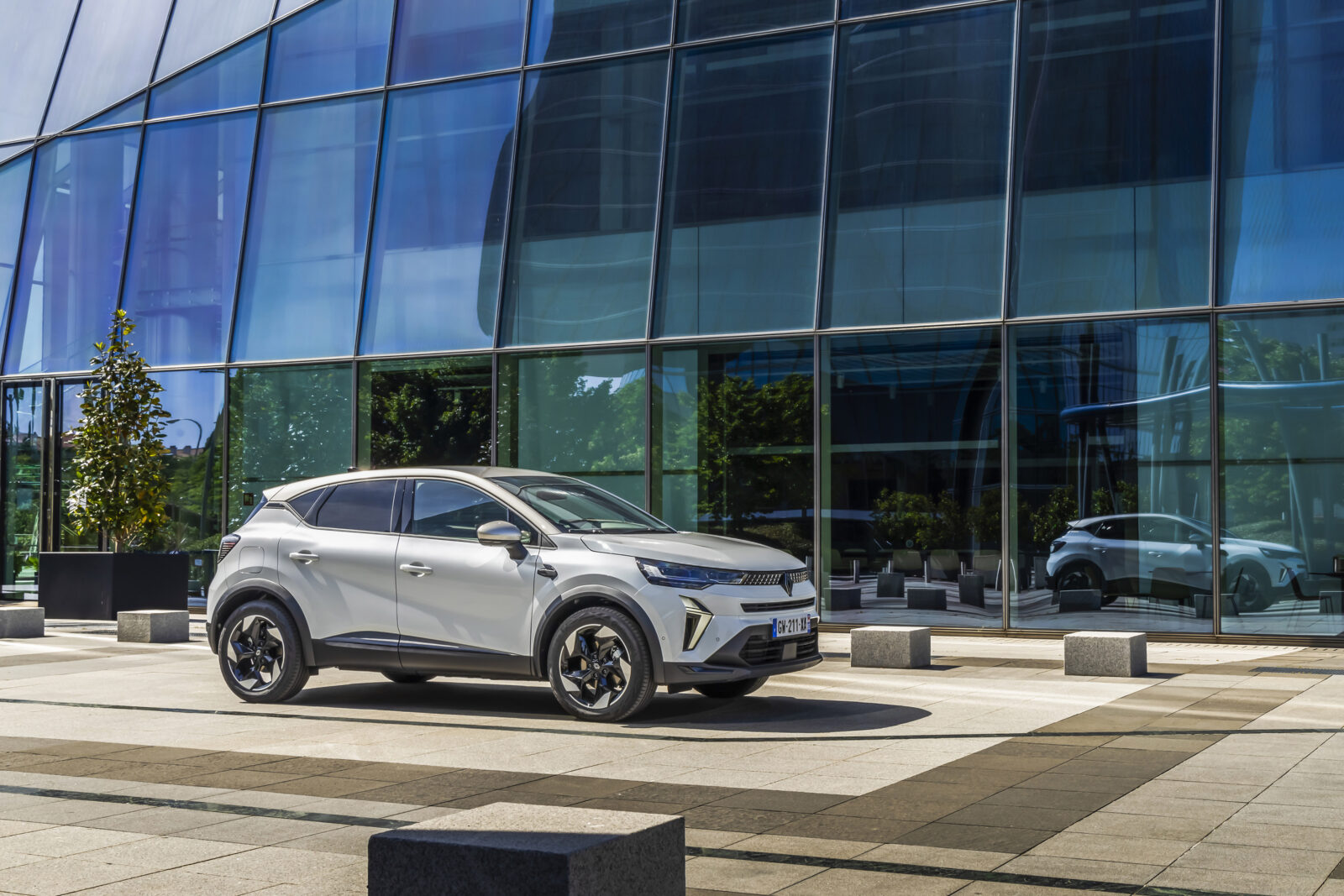
Keep all service records and inspection reports. This is not only useful for you, but also for any future buyer. When buying a used Captur or another model with a TCe engine, it is wise to ask about its service history. Consider taking out an extensive warranty.
‘ In addition, we provide practical tips for different makes and models. ’
Find out more about car problems
Timing chain issues are not the only thing to watch out for with modern engines. On the Carnews website you will find extensive information on common car problems, along with maintenance advice. We also provide practical tips for different makes and models. Discover which other early defects the Renault Captur suffers from, or read more about known issues with other popular models.
Frequently asked questions
Typical symptoms include a rattling or clattering noise at the front of the engine, especially when starting from cold or under acceleration. This is often accompanied by a (flickering) engine warning light on the dashboard. The engine may deliver noticeably less power, hesitate or pull unevenly. A rough or jerky idle and additional vibrations can also point to timing chain problems on a TCe engine.
The most common causes are accelerated wear or stretching of the chain due to oil changes that are too infrequent or carried out with the wrong intervals, poor oil quality, a worn chain tensioner/guide and thermal stress from high engine temperatures. Lots of short journeys and insufficient warming up of the engine also increase the risk. Prevention is mainly achieved by strictly following the (shortened) service schedule, changing the oil on time using the correct high-quality synthetic oil, and carefully monitoring the oil level. In addition, it helps to ensure the cooling system is working properly and, in the event of rattling noises or warning messages, to have a mechanic inspect the chain and tensioner immediately.
A failing timing chain on a TCe engine can lead to severe engine damage, including rough running, loss of power and, in the worst case, the pistons striking the valves, resulting in total engine wear or destruction. This is often preceded by rattling noises and warning messages (engine warning light). The costs of repairing or replacing the timing chain (including tensioners, guides and labour) are generally between a few hundred euros and more than a thousand euros, depending on the model and workshop. If there is additional engine damage, however, the costs can be significantly higher, up to an (almost) complete engine overhaul or engine replacement.
Yes, in particular the earlier 1.2 TCe engines (roughly up to around 2018) are known to be more prone to timing chain problems, such as chain stretch and tensioner issues. In the later 1.3 TCe engines (approximately from 2020 onwards), the design has been improved and the problems are less pronounced, although they can still occur if maintenance is poor. Overall, it is mainly the older generations/model years of the 1.2 TCe that carry the highest risk.