
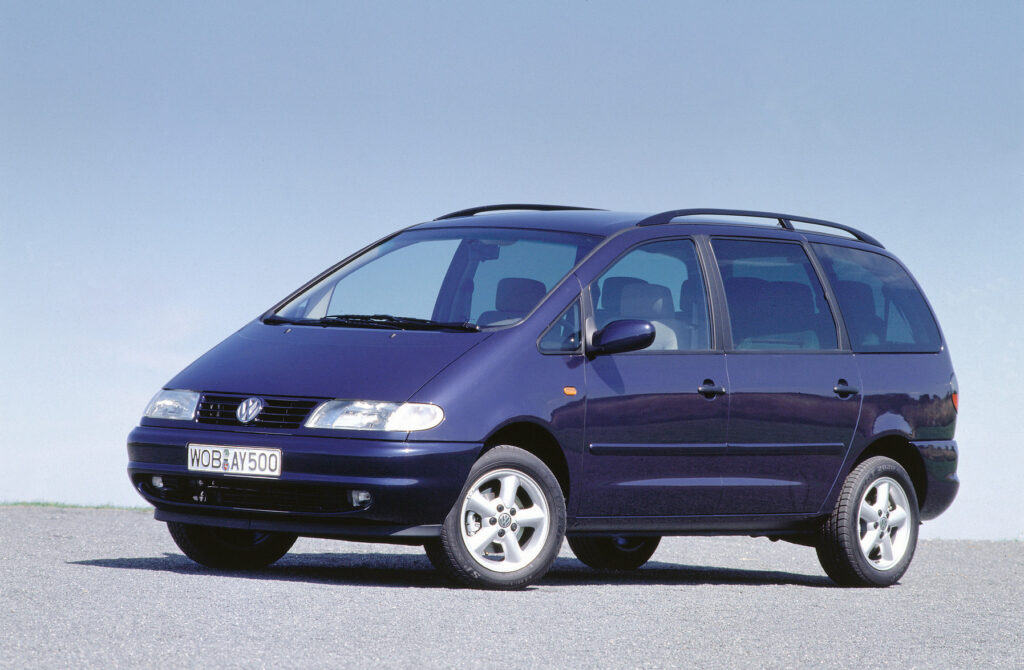
The timing chain of the Volkswagen Sharan stretches over time, especially with petrol engines such as the 1.2 TSI and 1.4 TSI. This leads to rattling noises on a cold start and, if you do not act in time, can result in serious engine damage. The cause often lies in faulty tensioners, worn guides or wear of the chain itself, and these problems can already occur after four to five years. Do you recognise the sound? Then it is time to be on your guard.
What goes wrong with the timing chain
In the Volkswagen Sharan, the timing chain is known for specific weak points. The chain stretches due to normal wear, which disrupts the synchronisation between crankshaft and camshaft. This disturbs the engine timing and can lead to loss of power and rough running. The problem is not only in the chain itself, but also in the supporting components.
The chain tensioner plays an important role in keeping the chain under the correct tension. When this tensioner weakens, the chain becomes too slack and a rattling noise develops. This noise is especially audible on a cold start, because the oil pressure is not yet up to level and the tensioner cannot do its job properly. In addition, the plastic guides, also called rails, that keep the chain in line, wear out. This wear increases the slack and creates extra mechanical noise.
When these components wear too far, the timing can completely jump. In the worst case the chain breaks, which results in immediate and expensive engine damage. The 1.2 TSI and 1.4 TSI are most often mentioned as problem cases, but some 2.0 TDI variants can also suffer from chain wear.
Recognisable signs of chain wear
The earliest sign is a rattling or clattering noise immediately after starting a cold engine. This usually lasts a few seconds, until the oil pressure is fully built up. Do not ignore this noise, as it indicates slack in the chain or a weak tensioner. Some owners report that the sound starts as a light mechanical ticking, which becomes more noticeable over time.
In addition to the start-up noise, there are other warning signs:
- Irregular idling or vibrations while driving
- Loss of power or slow response to the accelerator pedal
- An illuminated engine warning light on the dashboard
- Fault codes indicating timing deviations during diagnostics
In severe cases you not only hear the rattling on a cold start, but also while driving. This indicates that the chain is already badly worn and the risk of engine damage is increasing. If in doubt, immediate inspection by a specialist is necessary.

When do these problems occur
The timing of the problem differs per engine variant, service history and driving style. Some owners report issues from around 40,000 to 70,000 kilometres, while others only notice clear wear after 120,000 to 150,000 kilometres. The differences depend on factors such as year of manufacture, engine code and whether the car has been regularly serviced with timely oil changes.
Petrol engines are more sensitive to this problem than diesel variants. The 1.2 TSI and 1.4 TSI are known for chain issues that often appear within four to five years after purchase. With the 2.0 TDI, chain complaints are less common, but they cannot be ruled out. Owners who make a lot of short trips or often start the engine cold run a greater risk of faster wear.
Year of manufacture and engine code make a difference
Not every Sharan suffers from chain problems to the same extent. Later model years and revised engine codes often show fewer complaints, which suggests that Volkswagen has partially addressed the problem. Nevertheless, it remains a well-known point of attention with used examples, especially those built between 2010 and 2015. When buying, always check the engine code and ask about previous replacements of chain, tensioner or guides.
Costs of replacing the timing chain
The costs of replacing a timing chain on the Volkswagen Sharan vary depending on the garage, region and the condition of the engine. On average, the total costs are between 800 and 1,500 euros. This amount includes the chain itself, the tensioner, guides and labour. In case of serious engine damage due to a broken chain, the costs can rise to several thousand euros.
Preventive replacement is always cheaper than repair after damage. When you hear the first signs, it is wise not to wait. A mechanic can check the chain tension and timing values and assess whether replacement is necessary. This inspection often costs a few tens of euros and prevents expensive surprises.
‘ Timing is literally crucial here: the earlier you act, the smaller the damage and the costs. ’
Do you have to stop driving immediately
A rattling noise on a cold start does not always mean that you have to stop immediately. When the noise is brief and disappears once the engine is up to temperature, you can often still safely drive to a garage. Do keep the mileage limited and drive calmly, without high revs or sudden loads.
When the rattling noise continues while driving or gets worse, it is wise to stop immediately. This may indicate a severely worn or breaking chain. Continuing to drive increases the risk of acute engine damage. In that case, have the car towed to a garage. Timing is literally crucial here: the earlier you act, the smaller the damage and the costs.

Tips for owners and buyers
If you are planning to buy a used Volkswagen Sharan, pay close attention to the engine variant and service history. Always ask for a complete maintenance record and check whether the timing chain has already been replaced. A test drive is the time to listen to the cold start. Let the engine cool down completely before you start it and listen carefully for mechanical noises in the first few seconds.
For current owners the following applies: make sure you have regular oil changes according to the prescribed intervals. Good oil and sufficient oil pressure are important for the service life of chain, tensioner and guides. Do not ignore rattling noises and have a diagnosis carried out if in doubt. Forums and communities can be useful for sharing experiences, but always base a final decision on technical inspection by a specialist.
A previous replacement of chain and tensioner does not have to be a negative point. It shows that the problem has been recognised and resolved, which can actually increase reliability. Do ask for proof in the form of invoices or service history.
More about the Volkswagen Sharan
The timing chain is only one aspect of maintenance and reliability of the Volkswagen Sharan. On the Carnews website you will find extensive information about other common problems, maintenance advice and practical tips for this and other models. Do you want to know more about what to expect from a Sharan or other Volkswagen models? Discover it on Carnews and stay well informed about your car.
Frequently asked questions
Early symptoms of a timing chain problem on a Volkswagen Sharan are often a clearly rattling or clattering noise on a cold start, especially in the first few seconds. In addition, you may notice that the engine idles roughly or unevenly and sometimes vibrates slightly. Slight loss of power or delayed throttle response can also point to a worn chain, tensioner or guides. At a later stage the engine warning light may come on due to fault codes that indicate a timing deviation.
The specific causes of common timing chain problems in Volkswagen Sharan models are mainly stretching of the chain due to wear and a worn or weak chain tensioner that does not keep sufficient tension on the chain. In addition, worn-in or worn plastic guides play a role, creating extra slack and rattling noises. These component problems lead to disruption of the engine timing, most noticeable as a rattling noise on a cold start.
The average costs of replacing the timing chain on a Volkswagen Sharan are usually roughly between €800 and €1,500, depending on engine variant and labour rates. For some engines or extra required parts (such as tensioner and guides) this can rise towards around €1,800.
Have the engine regularly and on time filled with the correct oil prescribed by Volkswagen and stick strictly to (or shorten) the service intervals, because dirty or old oil accelerates wear of chain and tensioner. Avoid lots of short trips where the engine hardly reaches operating temperature and drive gently until the engine is warm, so that oil pressure and lubrication are in order. Listen especially on a cold start for rattling noises and have them checked immediately; early replacement of tensioner or guides prevents extra wear or the chain jumping a tooth. At higher mileages, have a specialist regularly check the timing values and chain tension so that early stretching is detected in time.
If a timing chain problem on a Volkswagen Sharan is ignored, the chain can stretch further or the tensioner/guides can wear to such an extent that the engine timing jumps. Consequences then include poor running of the engine, loss of power, warning messages and ultimately the possibility of the chain skipping a tooth or breaking. The greatest risk is serious engine damage (such as bent valves or even a destroyed engine) with very high repair costs. In addition, continuing to drive with rattling noises or fault codes increases the chance that a relatively limited repair turns into a complete engine overhaul or engine replacement.
Yes, there are certain engine types of the Volkswagen Sharan that are clearly more prone to timing chain problems. In practice, the petrol variants with 1.2 TSI and 1.4 TSI engines are mentioned most often because of chain stretch and problems with the tensioner. In some 2.0 TDI engines, chain-related complaints also occur, although this seems less structural than with the mentioned TSIs. The susceptibility also differs per engine code, year of manufacture, mileage and especially the maintenance history.