
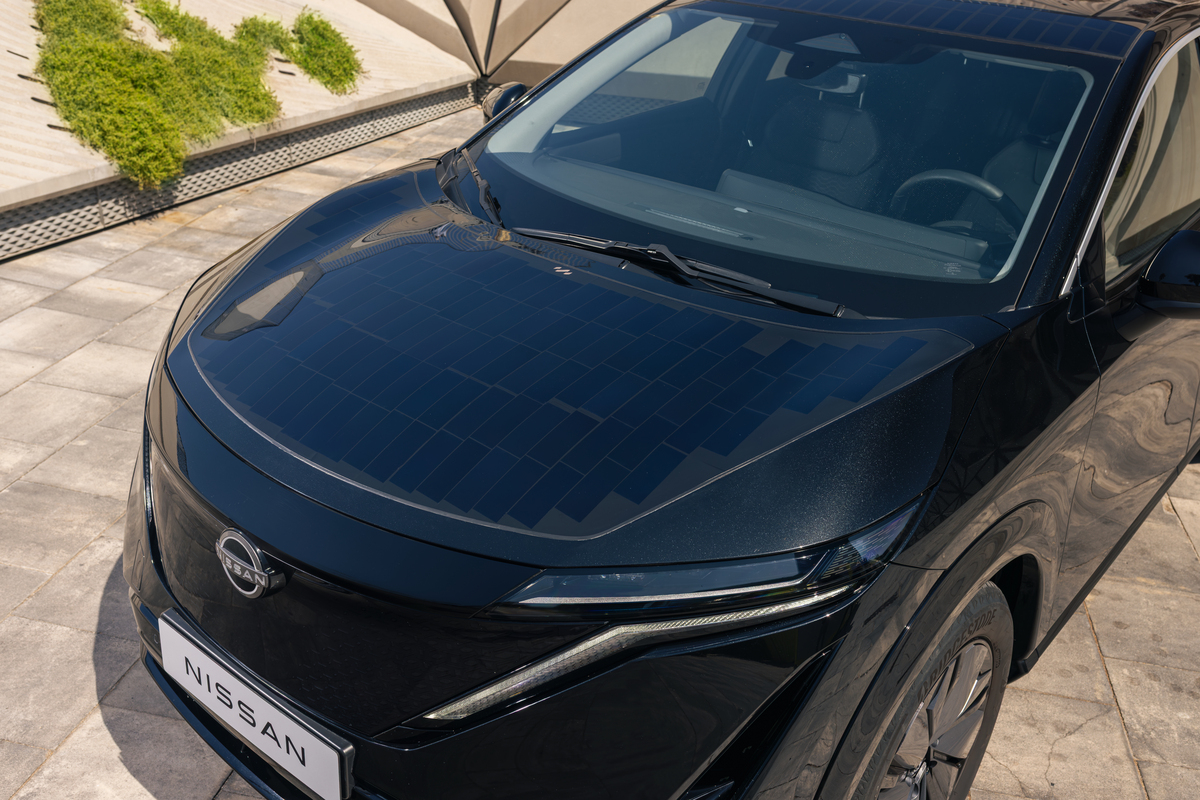
The Nissan Ariya is struggling with a serious issue: failure of the traction motor (the main electric motor that drives the car), identified by fault code P1B20(87) – an error code that indicates a fault in the drivetrain. This defect affects some owners without clear prior warning signs and leads to very high repair costs that can run into tens of thousands of euros. Where does this fault come from and what does it mean for you as an Ariya driver?
What does fault code P1B20 mean in the Nissan Ariya
Fault code P1B20(87) is a specific drivetrain error code and points to a defect in the traction motor, the electric motor that propels your Ariya. This code appears when the motor no longer functions correctly due to internal damage. The fault often occurs suddenly, sometimes without noticeable early signs such as noises or vibrations. The electronic motor control system – the electronic control of the electric motor – detects the fault and logs the code, after which the warning light on your dashboard comes on.
The traction motor is a high-voltage component that operates at very high speeds, up to 15,000 revolutions per minute (rpm). If it fails, the motor can cut out completely, causing the car to stop driving. In some cases, power reduction occurs before the motor comes to a complete stop. This makes the fault dangerous, especially if it happens while driving.
‘ This may point to an underlying design or manufacturing issue. ’
Possible causes of traction motor failure
Bearing failure is the most common cause of traction motor defects in electric cars. The bearings in the motor are heavily loaded due to the high rotational speeds, vibrations from the road surface and frequent starts and stops. In the Ariya this problem appears to occur more often than in comparable electric models.
Other possible causes are:
- Defective sensors due to corrosion, moisture or wear
- Electrical issues such as short circuits or damaged wiring
- Overloading of the motor due to extreme driving conditions
- Insulation problems in the motor windings
- Manufacturing defects or material faults
It is striking that some Ariyas develop this fault without intensive use or careless driving behaviour. This may point to an underlying design or manufacturing issue.
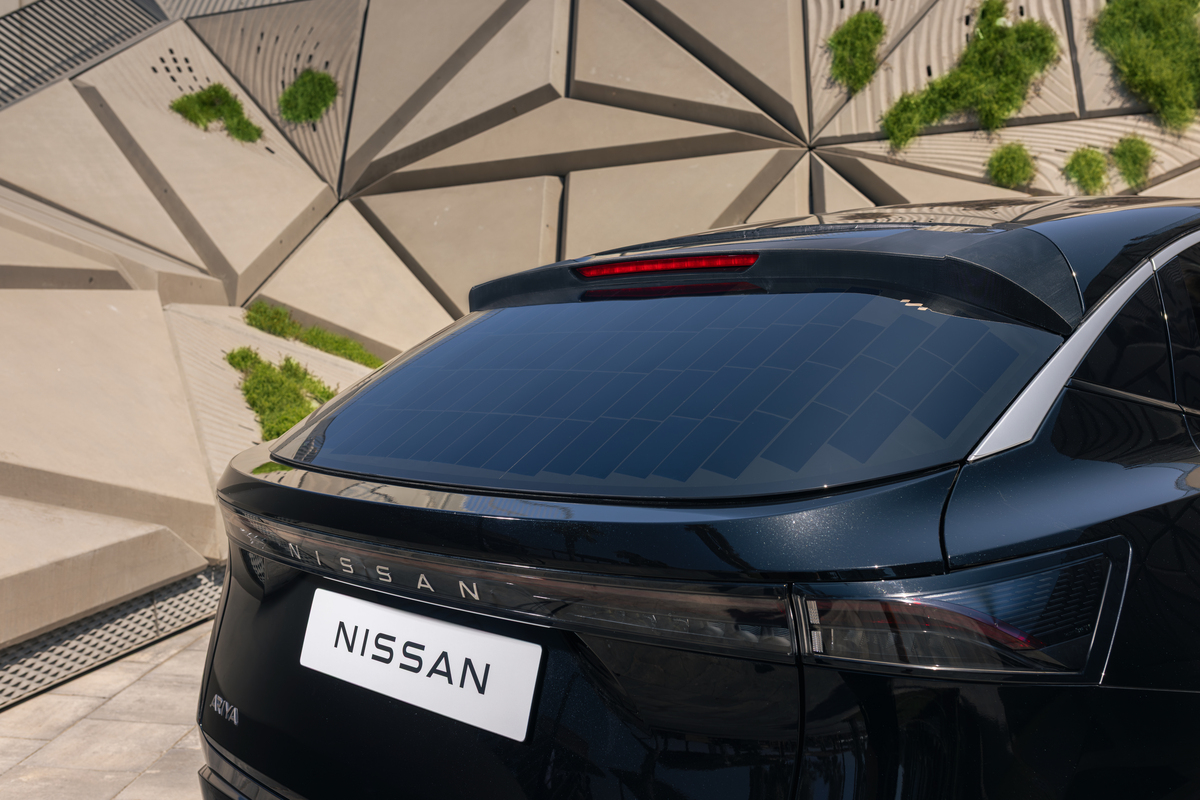
Symptoms that precede motor failure
Although traction motor failure in the Ariya often occurs without warning, a few signals may indicate problems:
- Unusual noises such as humming, squealing or rattling from the motor compartment
- Vibrations that increase at higher speeds
- Reduced acceleration or shorter range without any change in driving style
- Flashing warning lights for traction control or drivetrain
- Temporary power reduction that then disappears again
Watch out for these signals during your daily journeys. If in doubt, scan your car with an OBD-II diagnostic tool (on-board diagnostics, the vehicle’s diagnostic system) to read any fault codes. Early detection can prevent more serious damage, although unfortunately in the Ariya this offers no guarantee.
How expensive is it to repair a traction motor
The repair costs for a defective traction motor in the Nissan Ariya are extremely high. Replacing the complete motor can easily reach €10,000 or more, depending on the availability of parts and labour time. This amount includes not only the motor itself, but also disassembly, programming and checks of the high-voltage system.
For the Ariya these costs are particularly problematic because:
- The traction motor is a specialist component that can only be replaced by certified Nissan dealers
- Spare parts are limited in availability because the model is relatively new to the market
- Repairs outside the warranty period are entirely at the owner’s expense
- Second-hand replacements are often not an option due to complex calibration requirements
For owners who fall outside the manufacturer’s warranty, this can mean financial disaster. Always check the status of your warranty and consider an extended warranty when purchasing an Ariya.
‘ Only certified technicians with the correct knowledge and equipment are allowed to work on traction motors. ’
What to do if there is a fault in the traction motor
Does your Ariya detect fault code P1B20 or do you get warning lights on the dashboard? Take the following steps immediately:
- Stop driving as soon as it is safe to do so and switch off the car
- Do not continue to drive the car in order to prevent further damage
- Contact a Nissan dealer for diagnosis and repair
- Ask whether the fault is covered under the manufacturer’s warranty
- Document the issue for any potential warranty claims
Never attempt to work on high-voltage components yourself. This is life-threatening and can make the damage worse. Only certified technicians with the correct knowledge and equipment are allowed to work on traction motors.
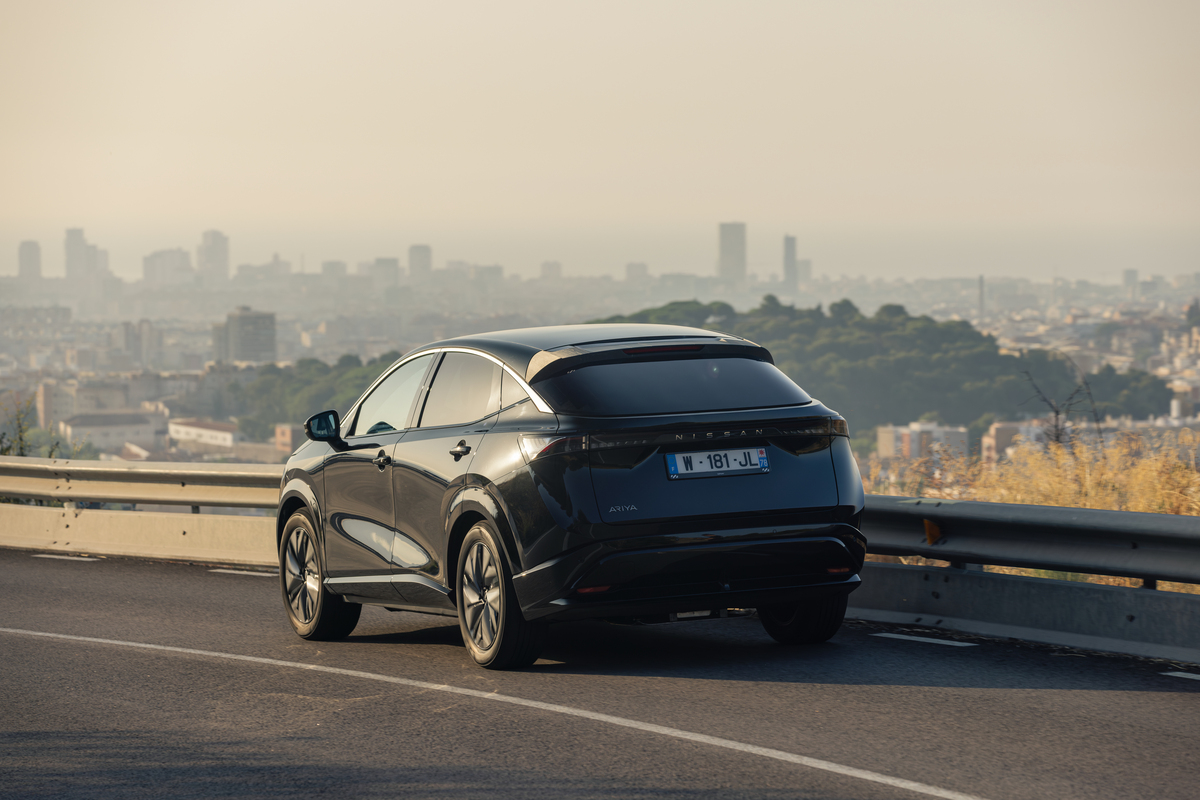
Preventive maintenance and monitoring warning signs
Unfortunately, preventive maintenance does not offer full protection against traction motor failure in the Ariya, but it can help to pick up early warning signs. Have the following checks carried out regularly:
- Inspection of bearings and motor noises during scheduled services
- Checking sensors and wiring for corrosion or damage
- Reading out fault codes and diagnostic data from the motor control system (the electronic control of the electric motor)
- Checking temperature patterns and the cooling system
Keep an eye on the dashboard yourself and respond immediately to any warning lights. Note down any unusual noises or behaviour and report them to your dealer. With electric cars such as the Ariya, early reporting is important because faults can escalate quickly.
Warranty and liability at Nissan
Nissan offers a standard warranty on the Ariya of three years or 100,000 kilometres. The traction motor is covered by this warranty, which means that repairs within this period are paid for by Nissan. Always check the exact terms in your warranty documents.
Some owners report that Nissan takes a flexible approach to traction motor defects, even outside the warranty period. This depends on the circumstances and the willingness of the dealer to assist. Remain polite but persistent if you believe the problem is due to a manufacturing fault.
Note: warranty is often voided in cases of improper use, neglect or modifications to the car. Make sure all maintenance is carried out according to the manufacturer’s schedule and keep all maintenance documentation.
‘ The problem appears to be limited to a specific production run or particular configuration, although Nissan has not issued an official statement about this. ’
Experiences of Ariya owners
On forums and owners’ pages Ariya drivers share their concerns about traction motor failure. Some owners report that the fault occurred within the first year, while others report problems after longer periods of trouble-free driving. The unpredictable nature of the defect causes a great deal of uncertainty for many owners.
Fortunately, not all Ariyas are affected. The problem appears to be limited to a specific production run or particular configuration, although Nissan has not issued an official statement about this. If you are considering purchasing an Ariya, ask the dealer about any known issues and warranty conditions.
On the Carnews website you can find more information about electric cars, common defects and maintenance advice for electric vehicles. Discover which models are reliable and how to spot problems in good time.
Frequently asked questions
The most common defects in traction motors and electric motors in electric vehicles are bearing failures caused by high rotational speeds, vibrations and mechanical imbalance. In addition, electrical problems such as short circuits, loose wiring and overloading are common, which can lead to blown fuses and warning lights. Sensors also fail regularly due to corrosion, water and wear, which causes error messages and poorly functioning traction or braking systems. Overheating due to cooling problems or overloading is likewise an important and frequent defect.
Early symptoms of an impending defect in an electric or traction motor often include unusual noises such as grinding, squealing, humming or rattling, and noticeable extra vibrations while driving. Reduced performance may also occur, such as poorer acceleration or a shorter range without any change in driving style. The sudden illumination of warning lights on the dashboard (for example engine or traction control lights) can also indicate emerging problems. Finally, overheating or a power reduction warning is an early sign that the motor is being overloaded or has cooling problems.
Electric motors often fail due to bearing failure, electrical problems (short circuits, loose wiring, overloading), cooling issues and mechanical imbalance or misalignment. Sensor damage caused by moisture, dirt or corrosion can also trigger faults and limp-home modes. Failures can be prevented through regular preventive maintenance: checking and lubricating bearings, inspecting wiring and sensors, monitoring cooling and voltage, and having any vibrations or noises investigated immediately. Always have high-voltage and traction motors serviced by qualified technicians.
The average costs for replacing a defective traction motor are generally between several thousand and tens of thousands of euros, depending on the make, type of vehicle and labour hours. It is a complex repair due to the high voltages, integrated electronics and the need for specialist diagnostic equipment. As a result, the work almost always has to be carried out by certified technicians. The complexity and safety risks mean that this is not a typical do-it-yourself repair.
Yes, a defect in the traction motor can clearly reduce the performance of the electric car, for example through poorer acceleration or a limited top speed. In severe cases the car may even stop altogether. Safety may also be compromised, for example due to unexpected loss of power or shutdown while driving. Warning lights and limp-home modes are often activated to prevent further damage and unsafe situations.