
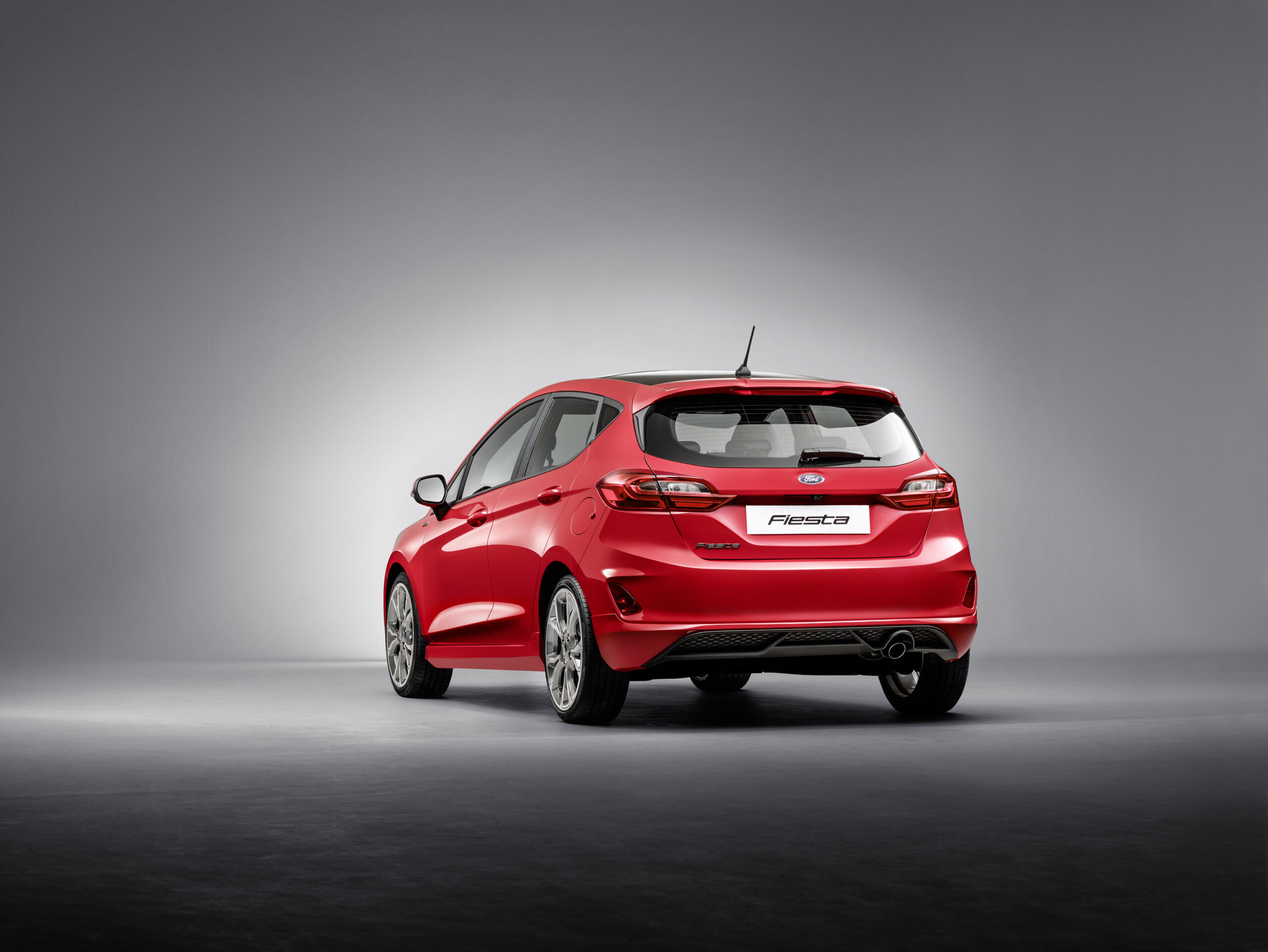
The Ford Fiesta regularly suffers from transmission problems, especially with the PowerShift system. Slipping gears, harsh gear changes and hesitation when pulling away are common complaints. These faults are caused by technical defects in the transmission control module (the electronic control unit of the automatic gearbox) and the internal clutch. Fortunately, these problems can often be solved with targeted repairs and simple maintenance checks.
Why does the PowerShift automatic cause so many problems?
The Ford Fiesta with PowerShift automatic gearbox, especially models from 2011 to 2015, has various technical issues. The system uses a dry dual-clutch setup which, in theory, should offer fuel efficiency and smooth gear changes. In practice, however, this design proves sensitive to wear, especially in city driving with lots of stop-start traffic.
The transmission control module, the electronic control unit of the automatic gearbox, often fails. This component controls the gear changes and the clutch, but frequently develops faults. You can recognise this by warnings on the dashboard such as ‘Transmission fault Service now’ or ‘Limited function’. The car can then go into what’s known as limp-home mode, a restricted mode in which you can only drive at reduced speed. Ford has issued an extended warranty on the transmission control module for these models because of the high number of complaints.
The system also suffers from overheating problems. With intensive use in town, the transmission heats up quickly. If the message ‘Transmission too hot’ appears, you must pull over safely straight away. Leave the engine running with the brake pedal pressed until the message disappears. This cools the system down again and prevents further damage.
Recognisable symptoms of a slipping gearbox
You can notice a slipping transmission in several ways. The most common symptom is that the car does not pull away properly. You press the accelerator, but the response is delayed or weak. The revs rise, but the speed does not increase proportionally. This points to a clutch that is not engaging properly.
Other signs include:
- Thudding or juddering during gear changes, especially at low speeds
- The gearbox not shifting out of park, or refusing to go into gear
- Strange noises such as rattling or squeaking during gear changes
- The car unexpectedly changing down or popping out of gear
Manual Fiesta models from the Mk7 series also suffer from shifting issues. The gear lever sticks or is hard to move, especially into the lower gears or reverse. This problem occurs more often with a cold engine or in stop-start traffic. The cause is often oil leaks from the gearbox that soak electrical connections, or leaks in the hydraulic clutch system.

Costs of repairing transmission problems
Repair costs vary widely depending on the nature of the problem. Replacing the transmission control module costs between 500 and 1,200 euros, including labour. This repair solves many of the problems with the PowerShift automatic. Always check whether your Fiesta is still covered by the extended warranty, as this may mean you do not have to pay the costs yourself.
For more serious damage to the clutch or internal transmission components, costs rise considerably. A complete overhaul or replacement of the automatic transmission can quickly cost between 2,500 and 4,000 euros. On manual models, replacing a clutch kit is often cheaper, between 400 and 800 euros.
Sometimes problems can be solved more simply and cheaply. Many owners report that shifting issues disappear after repairing oil leaks. Cleaning the earth connections at the transmission also often helps. These jobs cost from a few tens of euros up to a few hundred. A weak battery can also cause strange transmission faults. Replacing a battery costs around 100 to 200 euros and sometimes solves a surprising number of complaints.
DIY checks before going to the garage
Before you head straight to the garage, you can carry out a few checks yourself. This can save a lot of time and money. Start by checking the battery. A weak battery often causes strange faults in electronic systems, including transmission control. Disconnect the negative terminal, wait a few minutes and reconnect it. This resets the system and sometimes clears issues.
Also check the earth connections at the transmission – the cables that provide the electrical ground. On models from 2011 onwards, these cables are often covered by a layer of paint. Scrape this away and ensure good contact. This simple action can cure jerky shifting and slipping, even if no fault codes are being shown.
Take a test drive to reproduce the problem. Drive in heavy traffic with lots of stop-start situations. Pay attention to thuds, jerks or hesitation at gearchange moments. With the PowerShift, this is a sign of wear. Also check whether all fuses are intact and whether the gear selector or release button is working properly.
‘ For models from 2011 to 2015 an extended warranty has been issued on the transmission control module. ’
Recalls and extended warranty
Ford has acknowledged that many Fiesta models with PowerShift transmission have technical defects. For models from 2011 to 2015, an extended warranty has been issued on the transmission control module. Contact a Ford dealer to check whether your car is covered. If it is, you may be able to have the repair carried out free of charge.
There have been no official recalls specifically for transmission problems on the Fiesta in the Netherlands. However, Ford has set up customer programmes in other markets to support owners. It is sensible to ask a dealer whether any specific actions or warranty schemes apply to your year of manufacture and chassis number.
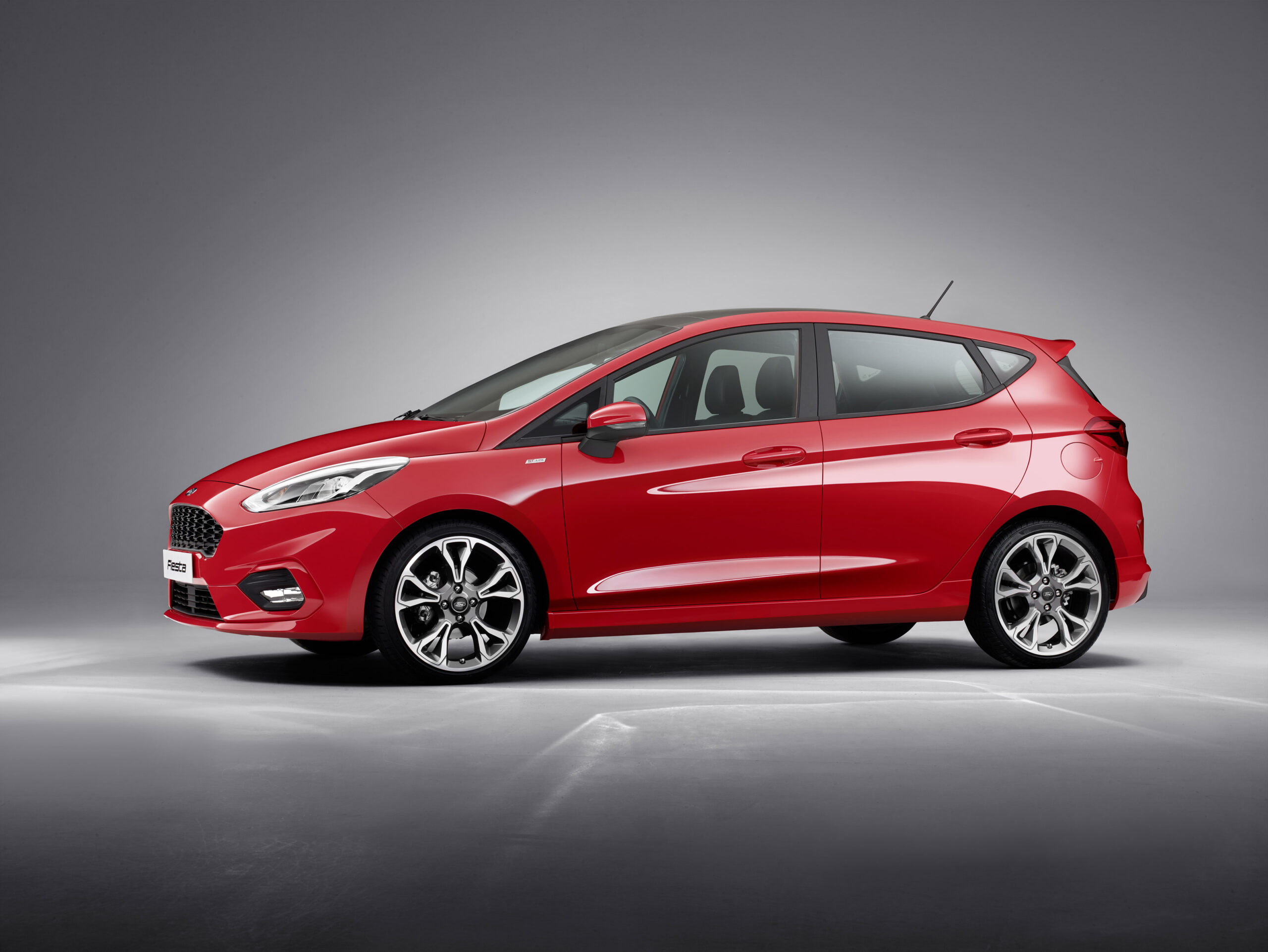
Preventive maintenance reduces problems
Regular maintenance helps to prevent transmission problems or detect them early. Check the oil level and quality of the transmission fluid. On the PowerShift, the oil is officially ‘maintenance-free’, but in practice changing it after 60,000 to 80,000 kilometres can help keep the system in better condition.
When buying a used car, watch out for oil leaks. According to test data, the Fiesta Mk7 and Mk7.5 have an above-average amount of oil seepage from the gearbox. Check for traces of oil under the car. Damp components around the gearbox indicate leaks that can cause shifting issues.
If in doubt, have the transmission scanned for hidden fault codes. Many faults generate a code that is not immediately visible on the dashboard. A dealer or specialist can read and interpret these codes. Never ignore dashboard warnings. If a transmission warning appears, stop immediately and have the problem investigated. Continuing to drive can lead to more serious damage to the engine and transmission.
Is the Fiesta still reliable with these problems?
Despite the transmission problems, the Fiesta Mk7 scores a reliability rating of 8.6 out of 10. The complaints are mainly concentrated around the PowerShift system and specific years of manufacture. Models with a manual gearbox cause fewer issues, although these can also suffer from shifting problems due to oil leaks.
If you are considering a Fiesta with PowerShift, pay attention to the year of manufacture. Models from 2016 onwards feature improvements, although some owners still report issues. When buying used, a thorough inspection and test drive focusing on shift quality are essential. Ask for the service history and check whether any transmission repairs have been carried out.
For daily use, the Fiesta remains a practical choice, provided you stay alert to transmission warning signs and maintain it in good time. The problems are well known and usually solvable, which makes the car manageable if properly cared for.
‘ Discover more about your car and stay up to date with practical tips that help you prevent or solve problems. ’
Want to know more about the Ford Fiesta?
On the Carnews website you will find extensive information about common car problems, maintenance tips and owners’ experiences. For specific models, engine issues and other technical questions there is a wide range of articles available. Discover more about your car and stay up to date with practical tips that help you prevent or solve problems.
Frequently asked questions
Typical symptoms include difficult or notchy gear changes (especially into 1st, 2nd, 3rd and reverse) and noticeable jolts or thuds while changing gear. Dashboard warnings such as “Transmission fault – Service now”, “Limited function” or messages that the transmission is overheating also point to impending issues. In addition, slipping gears, irregular or slow pick-up when pulling away, and oil traces or damp patches around the gearbox can all be signs of transmission problems.
Yes, the Ford Fiesta Mk7 and Mk7.5 (roughly 2011–2023) in particular are known for increased sensitivity to transmission problems. This applies especially to the PowerShift automatic around model years 2011–2015, where jolting, slipping and fault messages occur frequently. The manual gearboxes on these generations also show an above-average amount of oil leakage and shifting problems. For these versions it is especially important to check the maintenance history and take a test drive focusing on gearchange behaviour.
Regularly checking the oil level and quality of both engine and gearbox, and changing them in good time (according to the manufacturer’s schedule), helps to limit wear and overheating of the transmission. If there are early signs of shifting problems or oil traces around the gearbox, have the car checked immediately for leaks and for issues with the (hydraulic) clutch so that defects do not get worse. Keep the battery and earth connections in good condition, because on the Fiesta a weak battery and poor earth at the gearbox can cause electronic transmission faults and incorrect shifting behaviour. Avoid prolonged slipping of the clutch, frequent short trips under heavy load, and never ignore warnings or messages such as “Transmission too hot” or “Transmission fault – service now”.
Common repair options include fixing oil leaks on the manual gearbox (replacing gaskets/seals), which usually costs roughly €250–€600 depending on labour time and the amount of dismantling required. For the PowerShift automatic, it often involves software updates, cleaning or repairing earth connections, and possibly replacement or overhaul of the transmission control module (TCM), costing between about €150 and €1,200. Jerky or heavy gear changes can sometimes be solved with a transmission oil change and adjustment of the shift cables, typically in the order of €150–€400. In serious cases (severe internal wear or structural PowerShift defects), a full overhaul or replacement gearbox may be needed, with costs rising to €2,000–€3,500.
Yes, there are a few modifications and upgrades that can improve the reliability of the Ford Fiesta transmission. Cleaning up and improving the earth/ground points around the transmission and bodywork often reduces shifting problems and faults on PowerShift gearboxes. In addition, fixing oil leaks and changing the correct transmission oil in good time helps to improve the service life and shift quality of both manual and automatic gearboxes. On PowerShift models, a software update or replacement of the transmission control module (TCM) – if covered by a service campaign/warranty – can also contribute to reliability.