

The CVT transmission in the Nissan NV200 often fails around 100,000 kilometres. Symptoms include harsh shifting, hesitation and loud noises. This can lead to expensive repairs costing thousands of euros. These problems occur mainly on models from 2014 onwards and need to be recognised in time to prevent more serious damage. In this article you can read which signs you need to look out for and what you can do about them.
Common symptoms of CVT problems
The Nissan NV200 is fitted with an Xtronic CVT transmission, type JF016E or RE0F10D. This transmission suffers from specific weak points. These can manifest themselves in different ways. Recognising these symptoms at an early stage can help postpone or prevent costly replacement.
Slipping transmission is a common issue. The vehicle responds slowly to the accelerator or shifts roughly. This often goes together with fault code P017F. This code indicates a malfunction in the CVT transmission. The judder feels like a vibrating engine and mainly occurs at speeds between 20 and 40 kilometres per hour while accelerating.
In addition, many owners report grinding or droning noises from the transmission. These are metallic noises that are especially audible while accelerating. These sounds come from the CVT belt. The cause is defective bearings or hydraulic components. On some vehicles the gear indicator fails. The display then shows the wrong positions. Sometimes it stops working altogether.
- Slipping transmission or gears that do not engage smoothly
- Judder and vibrations when accelerating
- Grinding or metallic noises
- Gear position indicator not working correctly
- Oil leaks due to a cracked transmission pan
‘ Full replacement then becomes necessary in the long run. ’
Why is my Nissan NV200 transmission shifting roughly?
Rough shifting in the NV200 is usually caused by internal wear in the CVT transmission. Several components are prone to early failure. The guide pulley bearing can fail. Hydraulic oil channels can become blocked. The stepper motor can fail. This problem is made worse by contaminated oil or insufficient maintenance.
Heavy use in urban traffic leads to accelerated wear. The NV200 is often used as a commercial vehicle or taxi. Continuous stop-and-go traffic puts additional strain on the CVT belt and hydraulic systems. As a result, problems appear sooner. Comparable passenger cars that mainly drive on the motorway develop problems less quickly.
Many owners experience recurring problems even after a filter and oil change. By then, the internal components are already too worn. As a result, the complaints come back. A temporary improvement after maintenance work is a warning sign. Full replacement then becomes necessary in the long run.

How to recognise CVT problems on the NV200
A thorough diagnosis starts with reading fault codes using an OBD scanner. This is a diagnostic device that you connect to the car. Code P017F specifically points to vibrations in the transmission caused by internal wear. This is also known as transmission judder. Other codes can indicate hydraulic or electronic faults.
Check the transmission oil level. Also check the condition of the transmission oil. Dark or burnt oil points to a problem. This is a clear sign that the transmission has overheated. Fresh CVT oil is clear. The colour is reddish. Measure the level on a flat surface with the engine warm. This is how you obtain an accurate reading.
A test drive provides additional insight. During the drive, pay attention to slipping, unusual noises and vibrations. Watch for slipping in D or L. This mainly happens when pulling away or accelerating from a standstill. Vibrations at low speeds are typical of CVT problems on the NV200. You will especially feel these transmission vibrations between 20 and 40 kilometres per hour. Also listen for abnormal noises on a cold start. The oil is still thick at that point. Hydraulic components are under extra strain then.
What does transmission repair cost for a Nissan NV200?
The cost of transmission repair varies widely. The seriousness of the problem determines the price. A simple oil and filter change costs between 200 and 500 euros. This rarely solves structural problems. It often only provides temporary relief.
In case of more serious faults, an overhaul may be required. Examples include bearing problems. Hydraulic components can also become severely damaged. This type of repair starts at around 800 euros. A broken transmission pan can occur. Causes include pressure build-up or impact damage from below. Replacement costs between 300 and 600 euros.
Full replacement of the CVT transmission is the most expensive option. At a dealer, costs range between 3,000 and 5,000 euros. This amount includes labour. Replacement takes a full working day. The transmission is heavy. You need two jacks for safe removal. You also have to remove engine mounts. Connectors need to be disconnected. Mudflaps must be taken off.
A new unit must be programmed by the dealer. The transmission needs to be carefully aligned with the engine. Some owners opt for a reconditioned transmission from a specialist workshop. This can be more cost-effective than dealer prices.
Tips for preventive maintenance
Regular maintenance extends the life of the CVT transmission. This can mean the difference between 100,000 and 200,000 kilometres without problems. Replace the CVT oil every 40,000 to 60,000 kilometres. This applies even if the manufacturer does not explicitly prescribe it. Fresh oil keeps the hydraulic components clean. Fresh oil also ensures that parts remain lubricated.
Adjust your driving style. This helps limit wear. Accelerate smoothly. Avoid harsh acceleration. This is especially important when the vehicle is fully loaded. Driving with less load reduces the strain on the CVT belt. The NV200 is often used as a commercial vehicle. In that case, it is wise not to use the maximum payload all the time. This extends the life of the transmission.
Check daily for abnormal noises. Also check the behaviour of the transmission every day. Early detection often results in a small repair. If you wait too long, full replacement becomes necessary. Park on a flat surface. That way you can measure the oil level accurately during routine checks.
- Replace CVT oil every 40,000 to 60,000 kilometres
- Drive smoothly and avoid aggressive acceleration
- Limit heavy loads where possible
- Check regularly for abnormal noises
- If in doubt, have a diagnosis carried out immediately
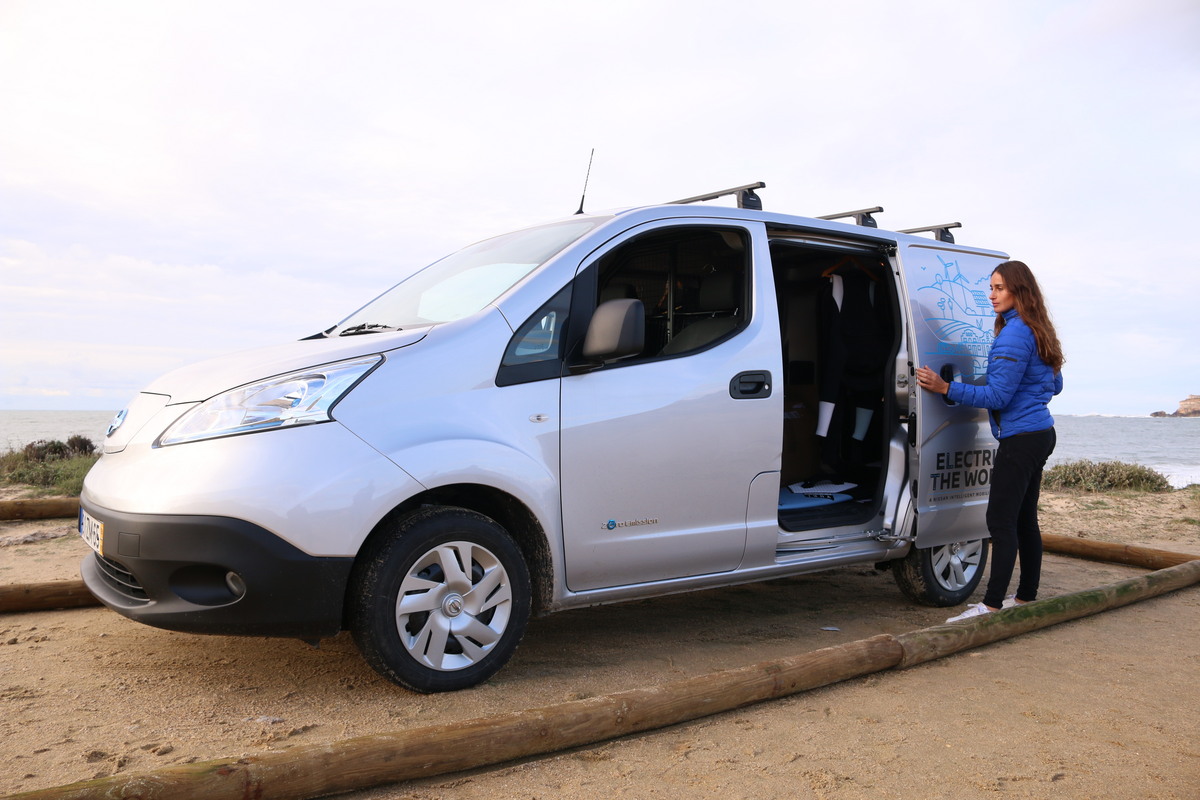
Owners’ experiences with transmission problems
Many owners report transmission problems after around 100,000 kilometres. In their case a new transmission was required. Some tried to solve the issue with an oil and filter change. This often provided only a few thousand kilometres of relief. Replacing the stepper motor is another attempt to solve the problem. This usually does not address the root cause.
Are you buying a used NV200? Then ask for the service history. Have the transmission tested by a specialist. Avoid vehicles that have been used as taxis. These vehicles have been subjected to heavier use. A CVT overhaul specialist can give an estimate in advance of the remaining service life. CVT overhaul is the rebuilding and repair of a CVT transmission.
Discover more about the Nissan NV200
Transmission problems are just one of the issues you may encounter as a Nissan NV200 owner. There are other common problems with this model as well. On the Carnews website you will find extensive information about other common issues. You will also find maintenance tips. Owners share their experiences there. Discover more about the NV200. Increase your knowledge of this versatile commercial vehicle.
Frequently asked questions
The most common symptoms are a slipping transmission where the car responds and shifts slowly or inconsistently. In addition, judder and vibrations often occur when pulling away, especially between roughly 20 and 40 km/h. Grinding or whining noises from the gearbox are also regularly reported. Furthermore, the gear position indicator on the dashboard may show the wrong position or fail completely.
The main causes are wear and failures in CVT components (such as bearings, hydraulic channels and stepper motor), often accelerated by contaminated or old transmission oil and heavy use (for example a lot of city driving or taxi use). Oil leaks or a damaged transmission pan can also lead to internal damage and slipping. These problems can be prevented by changing the CVT oil on time and at regular intervals (roughly every 40,000–60,000 km), checking for leaks and noises, and adopting a gentle driving style with limited heavy loading. When buying a used NV200, it helps to check the maintenance history and have the transmission tested specifically.
For transmission problems on the Nissan NV200 there are roughly three solutions: oil and filter change with software/reset, partial repairs or overhaul of the CVT, and complete replacement of the transmission. A service with oil and reset usually costs around €200–€500 and sometimes temporarily resolves light or early-stage complaints. Overhaul or partial repairs (for example bearings, pan, valve body) are roughly between €800 and €1,500, depending on the damage and the specialist. A complete replacement of the CVT transaxle usually costs between €3,000 and €5,000, especially when carried out by a dealer.
With the Nissan NV200, it appears that especially the versions with CVT automatic (Xtronic/JF016E/RE0F10D) from around model year 2014 are relatively prone to problems, such as slipping, juddering and jerky shifting, particularly under intensive use (for example taxis). These complaints are closely related to wear and the sensitivity of specific CVT components (bearings, hydraulic channels, stepper motor) and maintenance that is inadequate or carried out too late. In practice, specialists regard this more as a vulnerable and maintenance-sensitive design than as a clearly defined design fault officially acknowledged by the manufacturer. If you want to limit the risk, a well-documented maintenance history and timely CVT oil changes are crucial, and heavily used ex-taxis are less advisable.
Yes, the well-known transmission problems of the NV200 do reduce the resale value, especially for cars without demonstrable CVT maintenance or with high mileage under heavy use (taxi/city driving). When buying, pay attention during both a cold and a warm test drive: no slipping, juddering or jolting when gently accelerating between 20–40 km/h and no unusual noises from the gearbox. Check the maintenance history for timely CVT oil changes (about every 40,000–60,000 km) and always have a diagnostic check carried out for fault codes such as P017F. Avoid examples with a towbar that have done a lot of towing or that come without complete maintenance documentation.