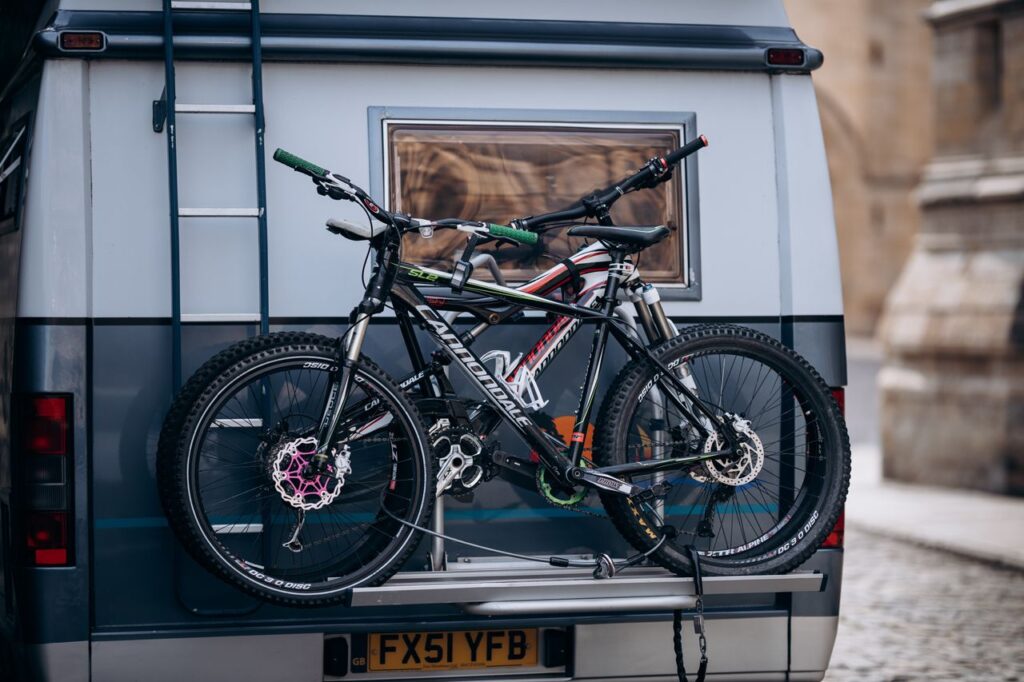
Travel safely with the right bike rack for every journey
More and more travellers are discovering the benefits of combining car and bike on holiday. Whether you choose a relaxing weekend at the campsite or an active trip to natural areas at home or abroad, taking your own bicycle offers freedom and flexibility. Moreover, sustainable travel by bike helps reduce your ecological footprint. To transport your bikes safely and efficiently, choosing a suitable bike rack is essential. With a range of models on the market, from towbar-mounted racks to roof racks, it is important to know which solution best suits your situation and needs.
- Taking your own bikes on holiday offers plenty of freedom, but it requires a suitable and safe bike rack.
- Towbar-mounted racks offer the greatest stability and load capacity, making them ideal for heavier electric bikes.
- Roof racks keep the boot accessible, but increase the vehicle’s height, while tailgate racks are a budget-friendly option for smaller cars.
- Correct fitting and careful weight distribution are crucial to prevent damage and unsafe situations during the journey.
- It is important to check regularly during the trip that the bikes are still firmly secured.
- Drivers must take local legislation into account, such as the use of an additional number plate, and adapt their driving style to the changed aerodynamics.
Different types of bike racks and their benefits
The market offers a wide range of bike racks, each with specific features and benefits. Prices generally range between fifty and four hundred and fifty euros, depending on the type and functionality. It is a good idea to consider in advance how many bikes you want to take and what type of vehicle you have. The weight of your bikes also plays an important role, especially if you have an electric bike or an e-bike with a heavier battery. Careful consideration of these aspects will help you make the best choice for a comfortable and safe journey.
Towbar bike racks: stability and load capacity
A bike rack mounted on the towbar is known for its stability and high load capacity. This type of carrier can often transport up to four bikes at once and is designed for a weight of up to thirty kilograms per bike. This makes it an excellent option for those who want to take electric bikes or heavier models. The solid attachment to the towbar ensures that the bikes remain stable during the journey, even over longer distances or on uneven roads. However, it is important to know that installing a towbar requires an investment, with costs that can range from eight hundred to two thousand euros. This investment does pay off in the long term, especially for regular travellers who value road safety and sustainable travel.
Roof racks versus tailgate models: what suits your situation
In addition to towbar-mounted racks, roof racks and tailgate racks are also available. A roof rack has the advantage of keeping the rear of your car clear, which is useful when loading and unloading luggage. However, this variant has a weight limit of around twenty kilograms per bike and requires extra care when positioning and securing the bikes. A roof rack also increases the overall height of your vehicle, which means you need to be alert to traffic information and any height restrictions along your route. A tailgate rack, on the other hand, is easy to fit and suitable for smaller cars without a towbar. This model is often more affordable and ideal for occasional users. The downside is that the rear of your car becomes less accessible and that it often only offers space for a limited number of bikes. The choice between these options depends on your personal preferences, the number of bikes you want to take and your vehicle’s specifications.
Tips for safe transport and fitting of your bikes
Correctly fitting and securing your bikes is crucial for a safe journey. Whatever type of carrier you choose, it is important to fasten the bikes firmly and check them regularly during the trip. Good preparation not only ensures road safety, but also prevents damage to your bikes and to other road users. By paying attention to weight distribution and proper fastening, you can avoid unexpected situations and enjoy a carefree holiday. Don’t forget to check your insurance too, such as your car insurance and any travel insurance, so that you are properly covered in the event of damage.
Checking correct fastening and weight distribution
When placing the bikes on the carrier, it is essential to ensure an even distribution of weight. Heavier bikes, such as electric models with a large battery and charger, are better placed in the lower positions to increase stability. Check that all fixing points are tightened properly and that the bikes cannot move while driving. It is wise to stop regularly during the journey and check the fastening again, especially after the first few miles. Bike components such as tyres, saddles and lights can also be damaged during transport if the bikes are not secured properly. By handling the fitting carefully, you protect your investment and contribute to a safe traffic situation for all road users.
Legislation and practical points to consider while driving
In addition to the physical fitting, there are also legal aspects to bear in mind. The legislation on transporting bikes can vary from country to country, especially if you are going on holiday abroad. Some countries require an additional number plate or rear lighting on the carrier, so that your vehicle remains visible to other road users. Using a route planner can help you avoid routes with height restrictions when using a roof rack. Also remember to adapt your driving style to the extra weight and the changed aerodynamics of your vehicle. A cautious driving style contributes to road safety and reduces the risk of accidents. If something does go wrong, breakdown assistance can help, and insurance policies such as home insurance or specific cover for bike racks and bike accessories can assist you in handling damage. If you have any questions about customer service or insurance, you can always contact your insurer, who is often available six days a week and has an average rating of 9.2 from many thousands of reviews.