
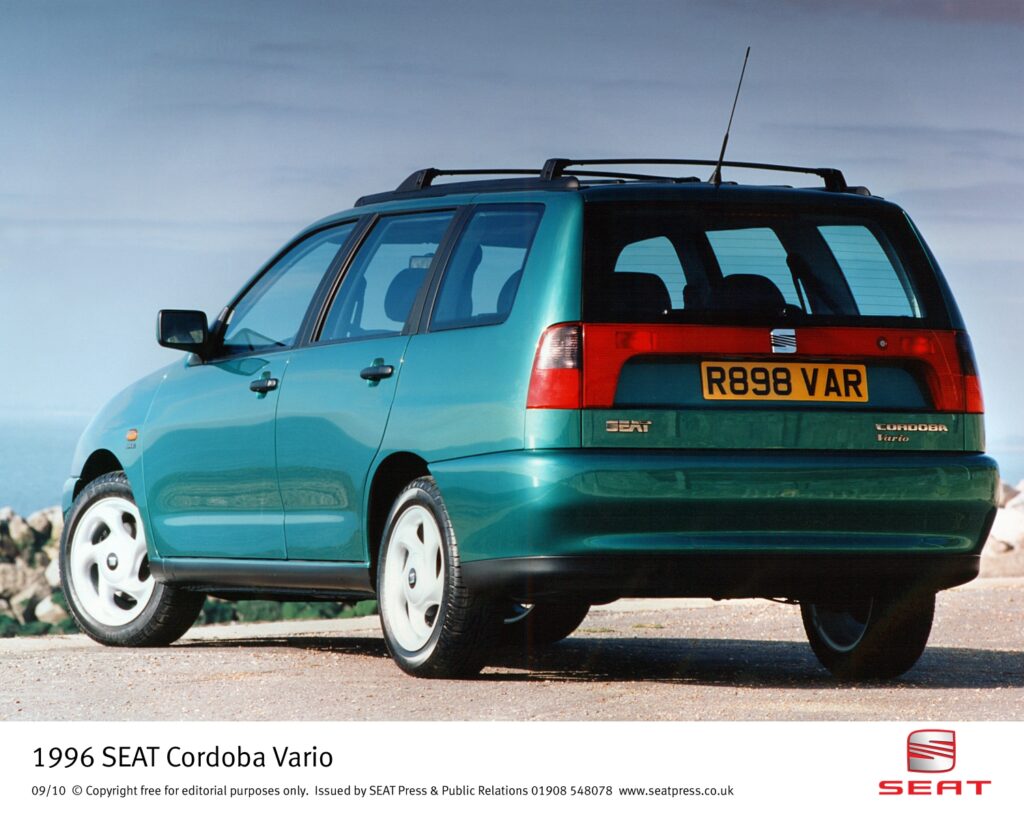
Turbo and boost problems with the Seat Cordoba regularly cause loss of power, hissing noises and even the engine cutting out completely. These issues are caused by faulty actuators, broken bypass valves and leaks in the turbo system. The Seat Cordoba, especially with the 1.9 TDI engines, suffers from these faults, which manifest themselves during acceleration or at higher speeds. Discover which causes lie behind these problems and how you can solve them.
Which symptoms indicate turbo problems?
The symptoms of turbo and boost problems with the Seat Cordoba are recognisable and sometimes alarming. The most common sign is loss of power while driving. The car suddenly feels sluggish, especially below 2,000 rpm, where the turbo does not seem to kick in. Sometimes the power temporarily returns at higher revs, above 3,000 rpm.
Another common symptom is the car switching to limp mode. The engine then limits the power itself and switches to emergency mode. This often goes hand in hand with fault codes that you can read out with an OBD scanner. In addition, owners regularly experience juddering during acceleration, also known as tirones.
Hissing or whistling noises while accelerating are also characteristic of turbo problems. These hissing sounds often point to leaks in the turbo system or faulty valves. An unstable idle speed, where the engine vibrates or almost stalls, also occurs. In some cases this is accompanied by smoke or a lack of boost pressure.
‘ In the Seat Cordoba with diesel engines this component is prone to faults. ’
Turbo actuator fault as main cause
The turbo actuator, also known as the N75 electrovalvula or wastegate actuator, controls the boost pressure in the turbo system. In the Seat Cordoba with diesel engines this component is prone to faults. The actuator works on the basis of electrical voltage and operates the wastegate to regulate pressure.
A faulty actuator often produces a voltage that is too low, usually between 5.2 and 5.3 volts during acceleration. This prevents the turbo from building sufficient boost. You can measure the voltage during a test drive to determine whether the actuator is functioning correctly. If the voltage deviates from normal values, it must be replaced.
In addition to electrical faults, the actuator can also seize mechanically due to dirt or corrosion. This occurs mainly in cars that only make short trips or stand still for long periods. The wastegate then remains in a fixed position, meaning the boost pressure can no longer be regulated.
Electrical bypass valve defects
The electrical bypass valve is another vulnerable component in the Seat Cordoba’s turbo system. This valve regulates the airflow through the turbo and prevents overpressure. When the bypass valve fails, the turbo cannot function correctly. This leads to power loss and unstable engine behaviour.
The defect often arises due to wear of internal components or dirt blocking the valve. The bypass valve can then no longer open or close properly. This causes irregular boost pressure and loss of power, especially during sudden acceleration. Replacing the valve usually solves this problem immediately.

Analysing hissing and whistling noises
Hissing or whistling noises while accelerating are clear indications of problems in the turbo system. These noises occur when compressed air escapes through leaks in hoses, connections or the intercooler. In the Seat Cordoba these leaks regularly appear due to ageing rubber hoses that become porous.
You can locate the cause of the noise by carrying out a visual inspection while the car is stationary. Look for split or loose hoses between the turbo and the intercooler. The connections to the inlet manifold are also prone to leaks. If necessary, use a smoke test at a garage to trace small leaks.
In addition to leaks, a faulty turbo itself can also produce whistling noises. This then indicates wear of the turbo bearings or damage to the turbo blades. This is more serious and often requires replacement or overhaul of the complete turbo. Do not ignore these noises, as further damage can lead to complete turbo failure.
MAF sensor as underlying cause
The MAF sensor, also called the airflow meter, measures the amount of air entering the engine. The engine management system uses this information to inject the correct quantity of fuel and regulate the boost pressure. A dirty or faulty MAF sensor is a common cause of turbo problems in the Seat Cordoba.
When the MAF sensor sends incorrect values, the system regulates the boost incorrectly. This results in loss of power and poor acceleration. A simple test to check this is to temporarily disconnect the sensor during a drive. If the turbo suddenly starts working normally again, the MAF sensor is the culprit.
Cleaning the MAF sensor with a special spray can sometimes help, but often replacement is the best solution. Always use an original or high-quality replacement sensor, as cheap alternatives often measure inaccurately. This prevents you from experiencing the same issues again after replacement.
‘ Preventive maintenance on these components can prevent many turbo problems and keeps the engine running smoothly. ’
EGR valve and intercooler contamination
The EGR valve recirculates exhaust gases back into the combustion chamber to reduce emissions. In the Seat Cordoba this valve often becomes contaminated by soot deposits, especially in diesel models. A stuck EGR valve reduces airflow and negatively affects boost pressure.
The intercooler, which cools the intake air, can also become contaminated with oil and soot. This reduces the efficiency of the cooling system and results in lower boost pressure. Regular cleaning of both the EGR valve and the intercooler helps to prevent these problems. Use suitable cleaning sprays and follow the instructions carefully.
In cases of severe contamination, mechanical cleaning or replacement is necessary. Have a specialist check this during servicing. Preventive maintenance on these components can prevent many turbo problems and keeps the engine running smoothly.
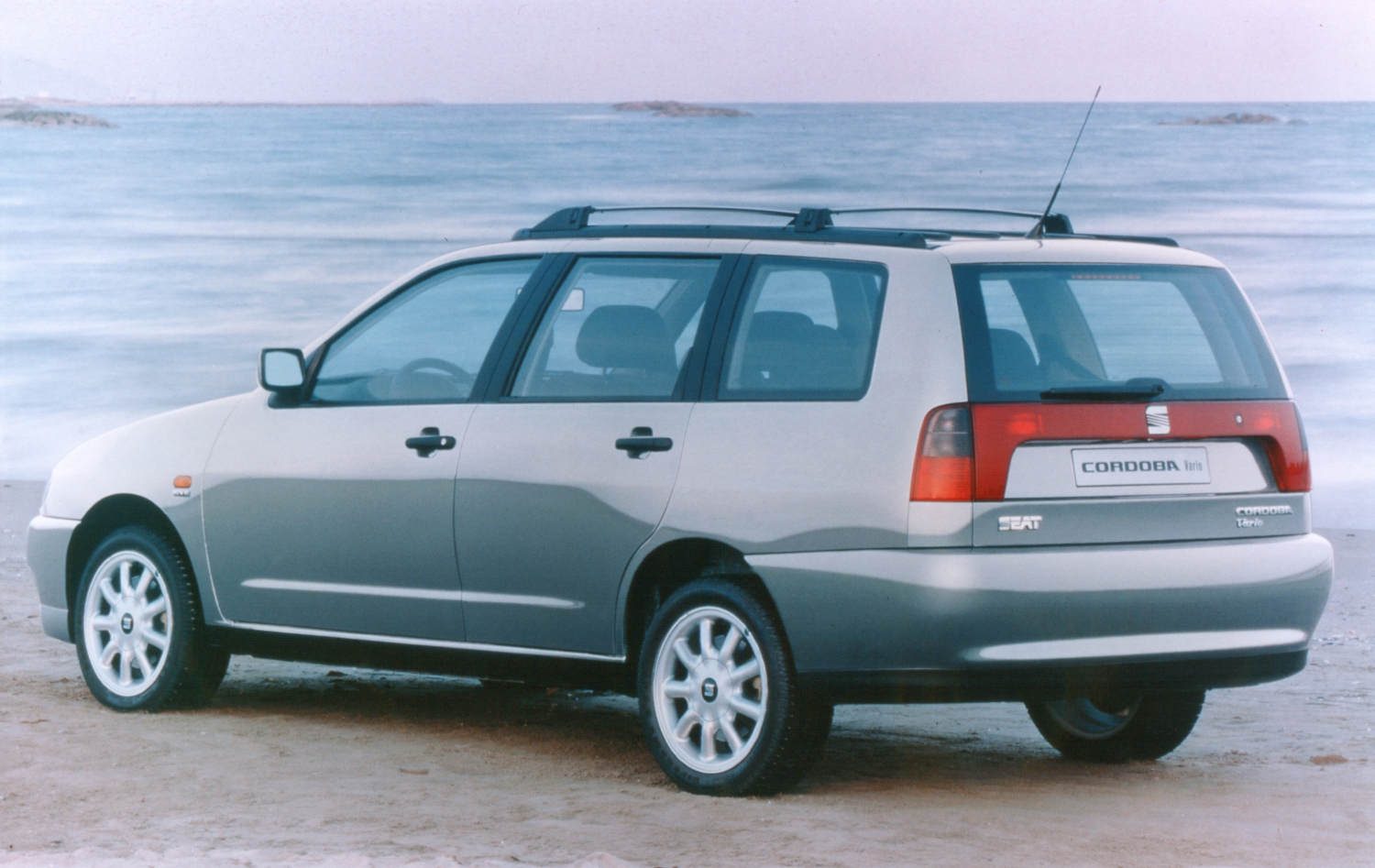
Checking fuel pressure and injectors
Low fuel pressure or clogged injectors can indirectly cause turbo problems in the Seat Cordoba. When the engine does not receive enough fuel, the turbo cannot operate optimally. This shows itself as loss of power, unstable revs and poor acceleration.
The fuel filter is often the first component you should check. A clogged filter reduces the fuel supply and causes pressure problems. Replace the fuel filter in line with the manufacturer’s service schedule. For the 1.9 TDI engines this is extra important due to the sensitivity of the injection system.
If the problem persists after replacing the filter, have the injectors professionally cleaned or tested. Clogged or leaking injectors disturb the combustion balance and can lead to turbo underperformance. A full injection check by a VAG specialist can help to trace these problems.
Diagnosis with OBD scanner
Using an OBD scanner is the first step in diagnosing turbo and boost problems. The scanner reads fault codes from the engine management system and shows which systems are displaying irregularities. With turbo problems, codes related to boost pressure, the MAF sensor or actuator faults often appear.
Write down all fault codes and look up their meaning for your specific Seat Cordoba model. Some codes point directly to a defective component, while others are more general. Clear the codes and test whether they return after a test drive. Recurring codes indicate a persistent problem that needs attention.
In addition to fault codes, more advanced scanners also allow you to view live data. This lets you check boost pressure, MAF values and actuator voltage in real time. This provides valuable information about the actual behaviour of the turbo system while driving.
‘ Do not carry out modifications to the turbo system without suitable upgrades, as this increases the risk of failures. ’
Practical maintenance and prevention tips
Regular maintenance is crucial to prevent turbo and boost problems in the Seat Cordoba. Replace air filters, fuel filters and oil according to the recommended service schedule. Use quality oil suitable for turbocharged engines to minimise wear on turbo bearings.
Periodically clean the EGR valve and check all hoses in the turbo system for cracks or loose connections. Pay particular attention to the hoses between the turbo and the intercooler, as these are under high pressure. Also check the oil level regularly, since a level that is too low can damage the turbo through insufficient lubrication.
Avoid switching off the engine immediately after intensive driving. Let the engine idle for a minute so the turbo can cool down gently. This extends the life of the turbo bearings and prevents overheating. Do not carry out modifications to the turbo system without suitable upgrades, as this increases the risk of failures.
When should you see a specialist?
Some turbo problems you can diagnose and solve yourself, but others require professional help. Take your Seat Cordoba to a VAG specialist if the problems persist after simple repairs such as filter replacement or hose repair. A specialist has professional equipment to perform pressure tests on the boost and oil system.
If you suspect that the turbo itself is damaged, a professional diagnosis is essential. Turbo overhaul or replacement requires specialist knowledge and tools. A specialist can also assess whether other engine components have been damaged by the turbo problems.
Be aware that some problems only come to light after lengthy diagnosis. Owners sometimes report searching for two months before the exact cause is found and full power is restored. Patience and a systematic approach are important here.
Discover more on Carnews
On the Carnews website you will find extensive information about common problems with various car makes and models. Discover practical tips on maintenance, diagnosis and repairs to help you keep your car in top condition. Explore the site for more knowledge about automotive engineering and experiences from other car enthusiasts.
Frequently asked questions
The most common symptoms are noticeable loss of power, especially when pulling away or above a certain rpm, where the car feels “sluggish” and the turbo seems to drop out. The engine also regularly goes into limp mode, where the car only accelerates weakly and fault codes are often stored. In addition, juddering during acceleration and a rough or vibrating idle speed can occur. Sometimes this is accompanied by smoke or warning lights (such as oil pressure) due to problems in the turbo system.
Common causes include a contaminated or faulty MAF sensor that measures the airflow incorrectly and therefore blocks the boost pressure, and problems with the N75 valve that controls the wastegate/boost. A clogged fuel filter or dirty injectors can also cause loss of power and unstable boost. Furthermore, a sticking or dirty EGR valve and leaking or split intercooler/turbo hoses often cause boost faults. In some cases oil and pressure issues in the turbo system also play a part.
Yes, you can carry out some basic diagnostics yourself, such as reading fault codes with an OBD scanner, visually checking intercooler and vacuum hoses for splits or leaks and temporarily disconnecting the MAF sensor to see whether the power changes noticeably. You can also check the EGR valve and intake tract for heavy contamination and inspect or replace filters (air and fuel filter). With a multimeter you can also roughly check the control of the N75 valve (turbo control valve). For an exact boost pressure measurement, internal turbo wear or complex faults, however, professional diagnosis by a VAG specialist is recommended.
Unresolved turbo and boost problems can lead to permanent loss of power and an engine that repeatedly goes into limp mode, causing the car to accelerate poorly and respond unpredictably. Continuing to drive with a poorly functioning turbo increases the risk of serious engine wear, such as overheating, bearing damage or even turbo failure. Fuel consumption can also rise and smoke emissions increase, which can result in MOT failure and extra costs. Ultimately, relatively minor issues can escalate into an expensive overhaul or replacement of the turbo and/or engine.
Possible repairs for turbo and boost problems include cleaning or replacing the MAF sensor, checking and if necessary replacing the N75 valve, checking/repairing the EGR valve and intercooler hoses and replacing clogged fuel and air filters. Small jobs such as cleaning or replacing a MAF sensor roughly cost from a few tens of euros up to around €200 including labour. Replacing or overhauling the turbo itself is considerably more expensive and is usually between about €500 and €1,200, depending on whether it is new or overhauled and on the hourly rate. A comprehensive diagnosis by a VAG specialist (pressure test, code reading, checking lines) usually costs €80–€150.
Prevent turbo and boost problems by changing the oil and oil filter on time and always using high-quality engine oil so that the turbo remains well lubricated and cooled. Replace air, fuel and oil filters according to schedule and regularly check intercooler and vacuum hoses for leaks or cracks. Have the EGR valve and intake tract cleaned periodically to limit build-up of deposits, which benefits airflow and boost. Warm the engine up before loading it heavily and, after a hard drive, let the engine idle briefly so that the turbo can cool down gently.