
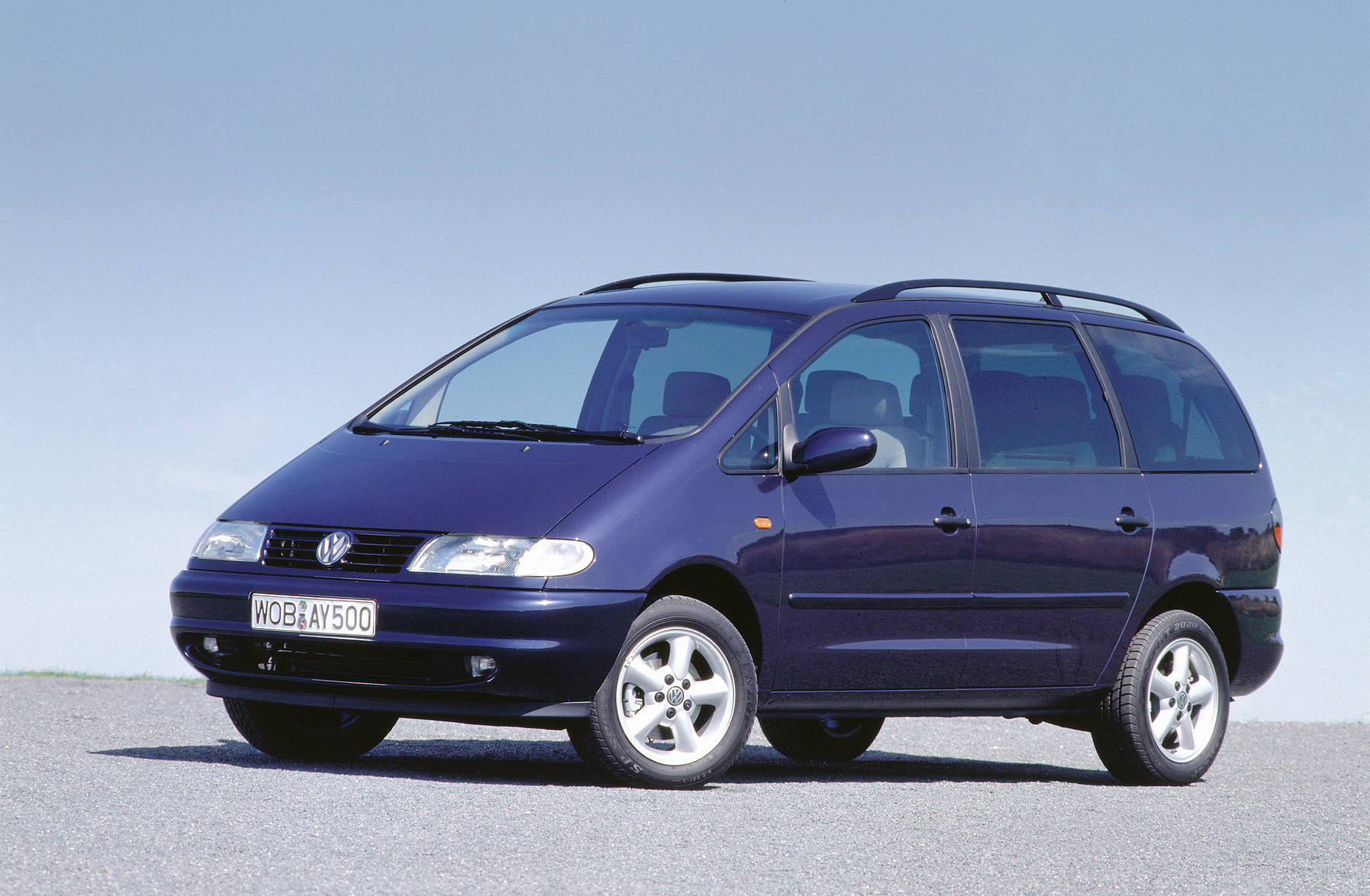
The turbocharger in Volkswagen Sharan diesel engines regularly fails at mileages from 100,000 km upwards. Clear signs are loss of power, exhaust smoke and disturbed filters. This problem mainly affects the 1.9 TDI and 2.0 TDI variants from the years 1998–2006. A thorough diagnosis of both the turbo itself and the underlying boost pressure control system is essential. This article explains why these turbos fail so often. You will also read what you can do about it.
Recognising the symptoms of a faulty turbo
A turbo that is no longer doing its job properly shows itself in several ways. Loss of power at low revs is the most common. From around 2,000 rpm the engine hardly pulls any more. Acceleration is sluggish, even at high revs. The car feels heavy and slow.
In addition, the turbo can cut out sporadically while driving. Sometimes this happens after 100 kilometres of continuous driving. The turbo then temporarily recovers. This unpredictability makes the problem difficult to trace. On the Volkswagen Sharan this is a well-known phenomenon that owners regularly report.
Other signs are increased pressure at the oil filler cap and fault codes in the system. The P1401 code, for example, is linked to the EGR (exhaust gas recirculation, a system that routes exhaust gases back into the engine to reduce emissions) and the turbo. An engine that stalls when starting can also point to turbo-related problems, although this is often connected to other components.
‘ Even a new turbo can fail again within weeks. ’
Why these turbos fail at higher mileages
Turbo problems in the Sharan diesel do not just appear out of nowhere. The causes are often mechanical wear, boost control errors or linked components that fail. The variable turbine geometry, also known as VTG (a mechanism with adjustable vanes that regulates the airflow through the turbo depending on engine speed), can seize due to carbon deposits. As a result, the vane assembly no longer moves freely. The turbo then no longer works optimally.
Too low oil pressure is another very common cause. Without sufficient lubrication the turbo wears more quickly, especially at higher mileage. Back pressure from a clogged diesel particulate filter can cause the turbo to be loaded more heavily than intended. A faulty crankcase ventilation system has the same effect.
The boost control system plays an important role. Defective boost control valves, a broken actuator or leaks in vacuum hoses can prevent the turbo from being controlled properly. Even a new turbo can fail again within weeks. This happens when the underlying problems have not been fixed.

Diagnosis starts with fault codes and visual inspection
A proper diagnosis starts with reading out the fault codes. Look specifically for boost pressure faults, sensor malfunctions or issues in the engine management. These codes point you towards where the problem lies.
A visual inspection can already reveal a lot. This can be done without removing the turbo. Check the play of the compressor wheel. See whether there are metal shavings in the oil lines. This indicates internal wear. Check the hoses for splits and leaks. These disturb the boost pressure control.
A pressure test helps to check how well the vacuum system is working. Measure the vacuum at the breather hose. Test whether the actuator moves smoothly. Also check whether the VTG mechanism moves freely. A test drive, during which you pay attention to the behaviour at low revs and full throttle, can also reveal limp mode, a safety mode in which the car cuts back power.
Prevention avoids costly repairs
Regular maintenance is the best protection against turbo problems. Make sure the diesel particulate filter regenerates regularly. Clean the EGR valve periodically. A clogged filter or EGR increases back pressure, which puts additional load on the turbo.
Use quality oil and stick to the prescribed replacement intervals. Good lubrication is important for the turbo’s service life. Give the engine a proper workout now and then to counteract carbon build-up. This helps to keep the VTG mechanism moving freely.
Be careful with chip tuning. Increasing the power from 90 to 120 bhp raises the risk of turbo problems. This applies especially at higher mileages around 125,000 km. The extra load can significantly shorten the service life of the turbo.
‘ A new turbo will therefore fail again within just a few weeks. ’
Repair requires more than just a new turbo
Many owners make the mistake of replacing only the turbo without tackling the root cause. A new turbo will therefore fail again within just a few weeks. Always check the vacuum pump, hoses and valves first before replacing the turbo.
The boost control valve is often the main culprit. Users report that replacing this valve on the Sharan 7N can already be enough. The turbo then works properly again. In other cases a leaking brake servo or a defective actuator turns out to be the problem.
Disconnecting the EGR pipe can help temporarily for testing purposes. You can then check whether the turbo problem is related to the EGR. This is not a permanent solution. It can, however, help with diagnosis. Owners report that their engine immediately ran better after disconnecting the EGR, which points to a clogged or defective EGR system.

Costs and practical considerations
The costs of turbo repair vary widely. A new turbo can quickly cost between 800 and 1,500 euros, excluding labour. The boost control valve, hoses or other components sometimes also need to be replaced. Costs then rise further.
You can save costs by exposing the turbo rather than removing it completely. You can then check how freely the VTG mechanism moves. If necessary you can clean the mechanism. This can be done without dismantling the turbo. Also check the crankcase pressure via the oil filler cap. This quickly provides insight into possible back pressure.
Keep track of your mileage and maintenance history carefully. Early diagnosis prevents metal shavings from getting into the engine. This can cause far more serious damage. Have the boost system checked at the first signs of loss of power.
Real-world experiences from Sharan owners
On forums, owners regularly share their experiences with turbo problems. A frequently heard complaint is that the turbo is sticking. This is due to loading at low revs. Removing the turbo then often reveals seized VTG geometry. Carbon deposits are the cause.
Some owners temporarily solve the problem by disconnecting the EGR. They later notice that the turbo still fails. Multiple systems are interconnected. An isolated approach is therefore often not sufficient.
Owners stress the importance of expert diagnosis. Tracing problems yourself can turn out to be time-consuming and expensive. This happens especially when you do not know exactly what you are looking for. A specialist garage with knowledge of Volkswagen diesel engines can find the real cause more quickly.
On the Carnews website you will find much more information about problems with Volkswagen models. You will also find maintenance tips and experiences from other owners. Discover more about the Sharan and other models so you are well prepared for common car problems.
Frequently asked questions
Typical symptoms are clearly noticeable loss of power, especially around 2,000 rpm, where the car struggles to pull and accelerates slowly. The turbo can cut out sporadically while driving (the car goes into limp mode) and the power sometimes only returns temporarily after a restart. This is often accompanied by fault codes for boost pressure or EGR/DPF, implausible sensor values and sometimes increased pressure at the oil filler cap.
The most common causes are sticking variable turbo geometry (VTG) due to soot and dirt, leaks or defects in the vacuum/boost control system (hoses, N75 valve, actuator), and insufficient lubrication due to contaminated oil or too low oil pressure. Clogged EGR channels and a blocked diesel particulate filter (DPF) also create excessive back pressure and overload the turbo. Prevention mainly comes down to timely oil changes using the correct specification, regularly checking the vacuum and hose system for leaks and proper operation, and not allowing EGR/DPF to become heavily contaminated. In addition, it helps to let the engine reach full operating temperature regularly and occasionally drive at higher revs to limit soot build-up in the turbo.
Whether a turbo repair or replacement is economically worthwhile on a Volkswagen Sharan mainly depends on the mileage, the overall condition of the engine and whether the cause really lies in the turbo itself or in the boost/vacuum control. It is often more sensible to first have the boost control system, vacuum hoses, valves and any contaminated VTG mechanism checked and cleaned, because a new turbo can quickly fail again if these problems remain. Options are: diagnosis and repair of vacuum/boost control, cleaning and freeing up the VTG, overhauling the existing turbo, or complete replacement with a new or reconditioned unit. From an economic point of view, overhaul or targeted repair is usually the wiser choice if the engine is otherwise in good condition, whereas at high mileage and more extensive engine damage sometimes only replacement or even parting with the car is rational.
Essential for maximising the service life of the turbo in a Volkswagen Sharan diesel is timely replacement of the engine oil and oil filter with the specified quality oil, so the turbo is always properly lubricated. Regularly check and maintain the vacuum and boost control system (hoses, valves, actuator) to prevent incorrect turbo control and overloading. Keep the intake and exhaust system clean (EGR, DPF/particulate filter, intercooler) so that excessive back pressure and contamination of the variable geometry are avoided. At the first signs of loss of power or an intermittently failing turbo, have a diagnosis carried out immediately to prevent consequential damage to the turbo and engine.
Ignoring turbo problems on a Volkswagen Sharan can lead to permanent loss of power, irregular performance and the engine regularly going into limp mode. Ongoing incorrect pressure and turbocharging can cause additional wear to engine components, including bearings and the injection system. If the turbo suffers further mechanical failure (for example due to bearing wear or flaking), metal shavings can end up in the oil and cause severe engine damage. Ultimately this can result in costly repairs, such as overhaul or replacement of both turbo and engine.