
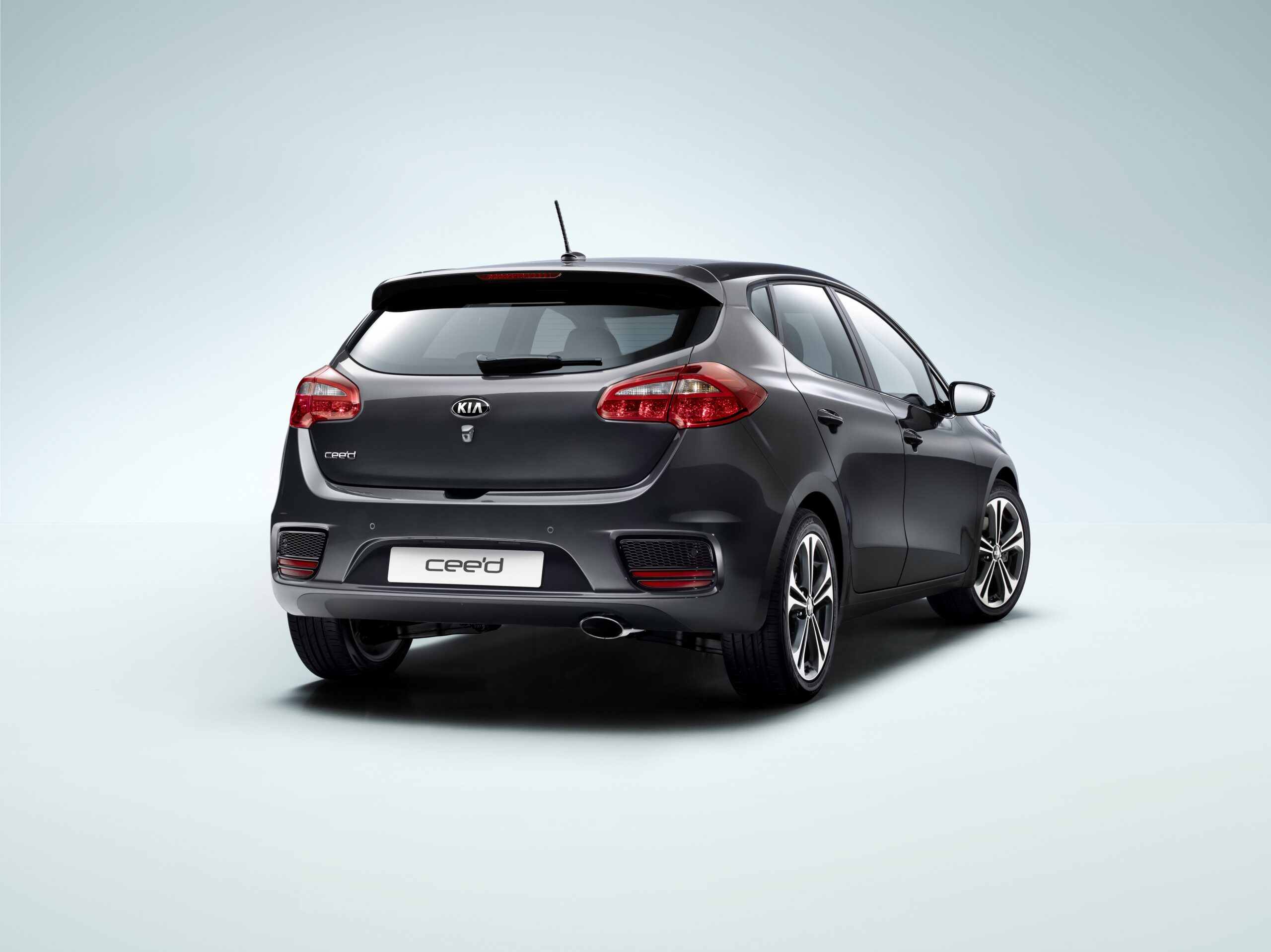
The Kia Ceed GT regularly suffers from turbo failure. This causes loss of power and hesitation while driving. These faults occur relatively often with sporty GT models. The causes are usually defective turbo components. Think of damaged bearings, or internal wear. Do you want to know how to recognise these problems and what you can do about them?
Which turbo faults are common with the Kia Ceed GT?
The Kia Ceed GT struggles with specific turbo issues. These can manifest themselves in different ways. The most common problem is loss of turbo pressure (boost loss) during acceleration. The turbo then suddenly drops out for two to three seconds. You often hear a loud whistling sound at the same time. This happens as soon as the turbo cuts in and points to possible internal wear of the turbo components.
Another serious problem is a defective bearing in the engine. This can damage the crankshaft and ultimately lead to catastrophic engine failure. In the Kia Ceed with 1.5 or 1.6 litre turbo engines there have been reports of broken piston rings. These damage the cylinder walls. This results in increased oil consumption and heavy smoke from the exhaust.
Aggressive driving behaviour often makes these problems worse. The GT is a sporty variant, but the engine copes less well with intensive use than a thoroughbred hot hatch. Owners mainly report turbo faults on cars with more than 30,000 kilometres. Cars with incomplete servicing are also more prone to these issues.
Which symptoms point to turbo damage?
There are various signs of problems with the turbo in your Kia Ceed GT. These point to turbo damage. First of all, pay attention to unusual noises. A whistling or hissing sound during acceleration often indicates two possible causes:
- Air leakage in the turbo system
- Wear to the turbo itself
This noise usually gets louder as the problem gets worse.
Loss of power is a second clear symptom. The car responds slowly when you press the accelerator pedal, or it struggles to accelerate. This may indicate a defective turbo. The engine then feels particularly weak at low revs. This applies even after using kickdown (fully flooring the accelerator in an automatic). When operating normally, the 160 hp engine accelerates smoothly.
Other warning signs are:
- Blue or black smoke from the exhaust due to oil consumption
- Increased fuel consumption without an obvious reason
- Warning lights on the dashboard such as the engine warning light
- Vibrations or irregular engine behaviour under acceleration
- Oil leaks under the car after parking
How do you test turbo failure on a Kia Ceed GT?
A thorough test drive is the best way to identify turbo problems. Start with a cold engine and check whether it starts normally and idles smoothly. Smoke on start-up may indicate oil consumption. Possible causes are:
- Damaged pistons
- Turbo damage
While driving, build up the turbo response gradually. In the meantime, pay attention to how the turbo responds. Accelerate gently and listen for unusual noises. Then test performance on the motorway. Accelerate hard for this. The turbo must meet the following requirements:
- Engages immediately
- No hesitation
- No whistling noises
Does the turbo cut out or respond with a delay? Then there is probably a problem.
Also check the service history thoroughly. Cars with too little maintenance have an increased risk of turbo and engine problems. This also applies to cars that have had only three services before the first MOT. Are you unsure? Then have the turbo, bearings and belts inspected by a specialist. Do this before you buy the car.
How much does turbo replacement cost?
The costs of turbo replacement on a Kia Ceed GT can be considerable. A new turbo including fitting will quickly cost between 1,500 and 2,500 euros. The price depends on the engine type. Your choice also plays a role: original or reconditioned part. Is there serious damage where the engine is also affected? Then the costs can be even higher.
Fortunately, Kia offers an excellent seven-year warranty that can cover these problems. Is your car still under warranty? Then Kia will usually resolve turbo issues free of charge. Only eight percent of Ceed owners report problems. That is partly why. Repairs are also usually completed within a week. That is a second reason.
Is your car outside the warranty period? Then preventive maintenance is the best investment. You can avoid expensive repairs by:
- Changing the oil regularly using the correct specification
- Having the turbo checked
- Avoiding aggressive driving behaviour
A reconditioned turbo is often an affordable alternative. This does come with one condition: a reliable supplier must provide the turbo with a warranty.
How do you prevent turbo problems?
Start with correct maintenance. Always use the engine oil specified by Kia. Change it on time according to the service schedule. Turbos are sensitive to oil quality. They run at high speed and need good lubrication. Therefore avoid:
- Cheap oil
- Putting off a service for too long
Adapt your driving style. This reduces the strain on the turbo. Build up turbo pressure gradually. Do not floor the accelerator straight away from low revs. Have you been driving hard? Then always let the engine idle for a minute or two before switching it off. This gives the turbo time to cool down. It helps prevent damage to the bearings.
Also pay attention to the following:
- Check the oil level regularly and top up if necessary
- Have the air filter replaced in good time for optimum turbo pressure
- Avoid short trips where the engine does not reach operating temperature
- Have vibrations or strange noises investigated immediately
- Drive long distances on the motorway now and then to blow out the engine
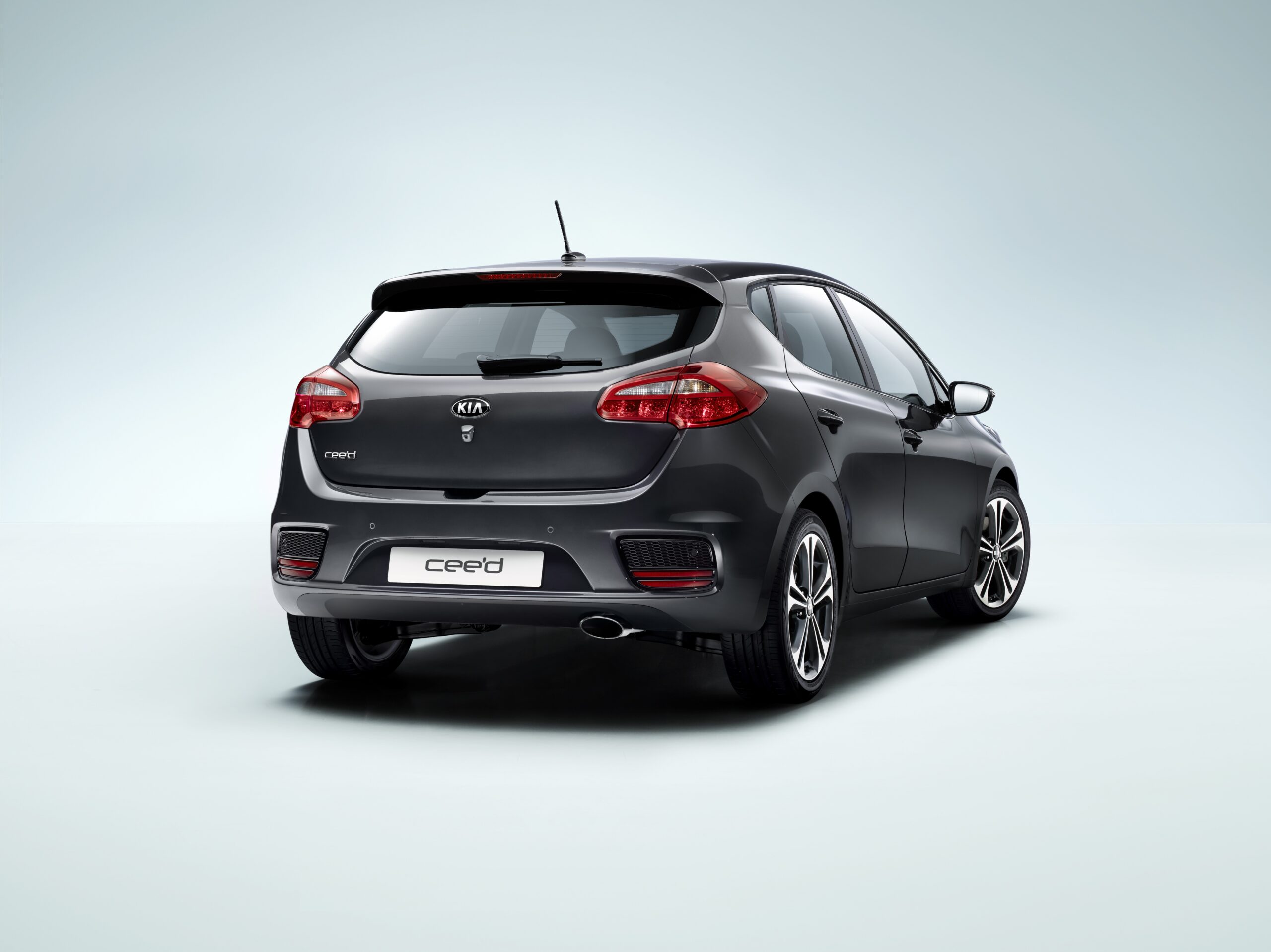
Are there alternatives to the Kia Ceed GT?
Kia is phasing out the Ceed GT. The new K4 series will replace this model. These newer models will get updated 150 hp turbo engines. There is also an optional DCT automatic (dual-clutch automatic gearbox). Are you considering buying a Ceed GT but hesitating because of the turbo problems? Then waiting for the 2026 updates could be an option.
Do you still opt for a used Ceed GT? This car can be good value. It does need to have been properly maintained. The practical sporty hatchback with a bit more punch than standard (a so-called warm hatch) offers solid performance at relatively low cost. The 0–100 sprint in 8.4 seconds is not spectacular, but it is sufficient for everyday use. The car remains stable on the motorway and is relatively quiet at cruising speed.
Do bear in mind that the GT does not offer the driving pleasure of extreme hot hatches. The steering feels synthetic and the clutch pedal is heavy. The car suits drivers looking for a practical sporty hatchback without extreme risks. For anyone expecting a real racing machine, this is not the right car.
Find out more about the Kia Ceed
Turbo problems with the Kia Ceed GT are annoying, but you can often prevent them. Make sure you maintain the car properly. Adapt your driving style. Recognise symptoms in good time. Take action immediately. This way you avoid serious damage and high costs. On the Carnews website you will find much more information about common problems with different car brands and practical tips for maintenance and repairs. Other car enthusiasts share their experiences. Discover what these are. Practical tips help you get the best out of your car.
Frequently asked questions
The most common signs of turbo problems with a Kia Ceed GT are noticeable boost loss or suddenly dropping pulling power, especially during hard acceleration. This is often accompanied by a loud whistling or whooshing sound as soon as the turbo cuts in. Other clear signals are increased oil consumption and smoke from the exhaust. In more serious cases there may also be knocking or ticking engine noises and a fault message/engine warning light.
Turbo failures in the Kia Ceed GT often arise from internal wear in the turbo (e.g. bearings), high thermal load due to aggressive driving and deferred or incomplete maintenance (oil, filters, belts). Chain-reaction damage can also occur due to worn bearings and belts, which then affect the crankshaft and other engine components. You mainly prevent this by following the service schedule strictly (or preferably slightly early), changing high-quality oil on time and always warming up and cooling down the engine gently (do not load it heavily straight away and let it idle briefly after hard driving). When buying or using the car, watch out for whistling noises, smoke and boost loss and, if in doubt, have a specialist carry out a preventive check on the turbo, bearings and belts.
You can have the turbo reconditioned (a specialist dismantles, cleans and replaces bearings and blades where necessary); roughly expect €600–€1,200 including removal and refitting. Fitting a new original Kia turbo at the dealer usually costs around €1,500–€2,500 in total, depending on labour hours and additional parts (gaskets, oil, filters). A used or aftermarket turbo is cheaper (€400–€900 in total) but carries more risk of a shorter lifespan or recurring problems. In all cases, also have the oil feed and return lines, intercooler and intake tract checked and cleaned to prevent repeat turbo damage.
After a cold start, allow the engine to warm up gently and avoid high revs or full turbo pressure until the oil is warm; in the last few kilometres before switching off, drive calmly so that the turbo can cool down. Change oil and oil filter strictly on time or preferably slightly earlier, and use the specification prescribed by Kia to guarantee sufficient lubrication of the turbo bearings. During servicing, explicitly have the turbo, the oil and coolant feed and return lines, and the belts checked for leaks, play and wear. Avoid prolonged full-throttle driving, repeated hard acceleration with a cold engine and unnecessary remapping/chip tuning, as this significantly increases the thermal and mechanical load on the turbo.
With a used Ceed GT, look for a complete and verifiable service history, with timely oil changes and checks of the turbo, belts and bearings; if in doubt, have the car inspected by a specialist. During the test drive, carry out repeated full accelerations at low and mid revs and watch for loss of pulling power, hesitation or loud whistling turbo noises. Check for blue or grey smoke from the exhaust (especially after lifting off and then accelerating again) and abnormal oil consumption, which may indicate internal engine wear or turbo damage. Avoid examples that have been driven hard (tuning, track use) or have had few services in relation to the mileage.