
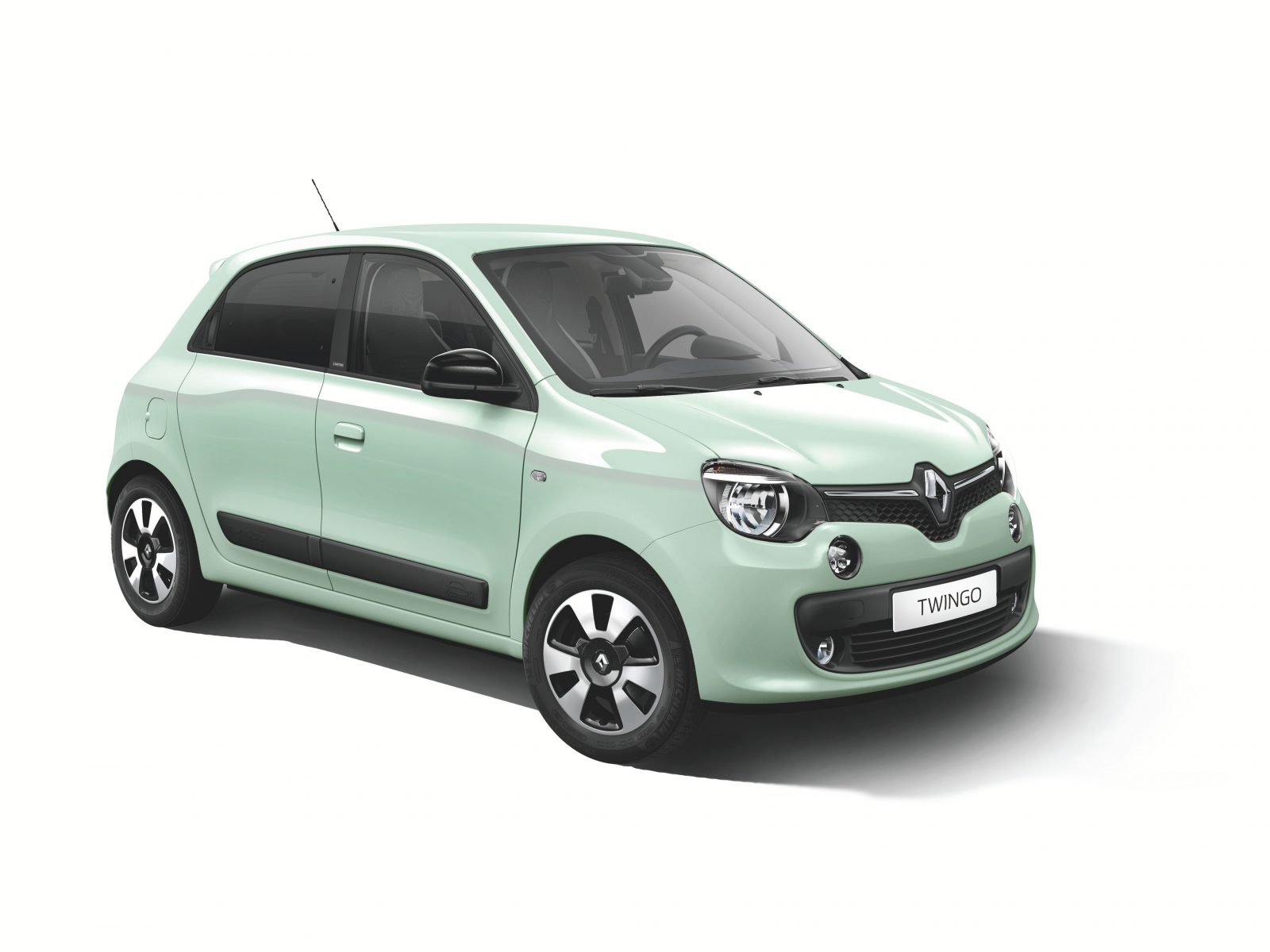
The Renault Twingo regularly suffers from tyre problems due to insufficient tread depth, damage, incorrect pressure and punctures. These problems are a common reason for MOT (APK) failure and affect everyday driving behaviour. In this article you can read how to recognise and prevent these issues.
Common tyre problems with the Renault Twingo
The Renault Twingo shows a number of typical tyre issues that owners often encounter. Accelerated tyre wear tops the list. This is caused by a vulnerable suspension and ball joints that wear quickly, especially in city use. The result is uneven wear across the tyre width.
Uneven tracking is a second problem. The tyres do not wear evenly due to incorrect wheel alignment. On around 60 percent of used Twingos the alignment needs correcting. This leads to the car pulling to one side and vibrations.
Punctures occur more often than with comparable cars. The tyre sidewalls are vulnerable to damage from kerbs and potholes. Cracks in the sidewall appear more quickly, especially on older tyres with hardened rubber.
Owners also report vibrations in the steering wheel at speeds between 80 and 100 kilometres per hour. This often indicates wheel imbalance or loose wheel nuts. Regularly check the wheel bolts for the correct tightening torque.
‘ Both situations increase the risk of punctures. ’
How do you check tyre pressure correctly?
The correct tyre pressure prevents accelerated wear and improves fuel consumption. Check the pressure at least once a month and always before long journeys. Measure when the tyres are cold, so before you start driving.
The recommended pressure is listed on a sticker in the driver’s door opening. For most Twingo models the value is between 2.0 and 2.5 bar for the front tyres and 2.0 to 2.3 bar for the rear tyres. When fully loaded you should increase the pressure by 0.2 to 0.3 bar.
Use a reliable tyre pressure gauge. Pumps at filling stations are often inaccurate. Measure all four tyres and do not forget the spare wheel. A digital gauge gives the most precise result.
Pressure that is too low causes wear on the outer edges of the tread and increases fuel consumption. Pressure that is too high causes wear in the centre and reduces grip. Both situations increase the risk of punctures.
Puncture on the Renault Twingo: quick repair options
When you have a puncture, first check the damage. A small nail or screw in the tread can often be repaired. Damage to the sidewall or larger tears mean the tyre must be replaced.
The Twingo is supplied as standard with a repair kit instead of a spare wheel. This kit contains a compressor and sealant. Do not remove the object from the tyre. Connect the compressor to the 12V socket and fill the tyre with the sealant according to the instructions on the packaging.
Drive straight to a tyre specialist after using the repair kit. The sealant is a temporary solution for a maximum of 200 kilometres at a speed of up to 80 kilometres per hour. Some tyres can no longer be repaired after treatment with sealant.
As a preventative measure you can purchase a spare wheel. Check whether the Twingo has a rim for a space-saver wheel, as not all versions have a dedicated mounting point in the boot. A tyre repair kit with rubber plugs is an alternative for small holes without using glue.
Checking and maintaining tread depth
The legal minimum tread depth is 1.6 millimetres. For optimum safety and driving behaviour you should replace tyres from 3 millimetres. Measure the tread depth with a tread depth gauge at various points on the tyre.
With uneven wear you see clear differences across the tyre width. Wear on the outer edge points to pressure that is too low or incorrect alignment. Wear in the centre indicates pressure that is too high. One-sided wear is caused by incorrect wheel geometry.
Also check for other signs of wear. Cracks in the rubber, especially on tyres older than five years, are a reason for replacement. Small bulges or blisters in the sidewall show internal damage to the tyre construction.
Rotate front and rear tyres every year or every 10,000 kilometres to promote even wear. On the Twingo III with rear-wheel drive the rear tyres wear faster. Make sure all four tyres remain the same type and brand for stable handling.
‘ Incorrect settings lead to accelerated and uneven tyre wear, even with the correct tyre pressure. ’
Wheel geometry and balancing as prevention
Incorrect wheel geometry causes many tyre problems on the Twingo. Have the alignment checked every 20,000 kilometres or if there is play in the steering. A check is also needed after replacing suspension components.
The check includes camber, toe-in and caster. These values determine how the wheels sit in relation to each other and the road. Incorrect settings lead to accelerated and uneven tyre wear, even with the correct tyre pressure.
Balance the wheels annually or when replacing tyres. Unbalanced wheels cause vibrations that you feel in the steering wheel and seats. This accelerates tyre wear and puts extra strain on the suspension.
Owners report that loose wheel nuts also cause vibrations. Check the tightening torque after changing tyres and again after roughly 50 kilometres. The specified torque lies between 90 and 110 Nm, depending on the model and year of manufacture.
Suspension and brakes that affect tyres
The Twingo’s suspension wears faster than that of many comparable cars. Worn shock absorbers, ball joints and wishbone bushes directly affect tyre behaviour. Play in these components causes uneven load on the tyres.
Have the suspension checked at every major service. Lift the car and check for play in the wheel suspension. Worn wheel bearings produce a droning noise at higher speed and can cause vibrations that load the tyres unevenly.
Brake components also play a role. Sticking brake callipers cause one-sided heat build-up and wear. If you hear a metallic rattling noise while braking, an inspection is needed. Low-durability brake discs wear quickly and can affect wheel alignment.
Watch out for oil leaks around the wheels. Oil on the tyres drastically reduces grip and damages the rubber. Regularly check the drive shaft seals and the gaskets of the brake components for leaks.
Buying tips for a Twingo with tyre problems
When buying a used Twingo you should pay particular attention to tyre condition and the state of the wheels. Uneven tyre wear points to underlying problems with the suspension or alignment. This often means extra costs after purchase.
Lift the car and check for leaks around the wheel bearings and drive shafts. Test whether the wheels turn freely without resistance or scraping noises. Worn bearings produce a clear droning sound that increases with speed.
Ask for the maintenance history of the wheel geometry. If this has never been checked, adjustment is almost certainly needed. This costs between 50 and 100 euros but saves you hundreds of euros in tyre costs.
Test the car at different speeds. Vibrations between 80 and 100 kilometres per hour indicate imbalance problems or worn components. Also check the rims for cracks or distortion caused by potholes and kerbs.
‘ Summer tyres harden in the cold and offer insufficient grip. ’
Winter tyres and seasonal changeovers for the Twingo
The Twingo III with rear-wheel drive needs extra attention in wintry conditions. Winter tyres are strongly recommended for safe handling on slippery roads. The light rear end makes the car prone to skidding.
Switch to winter tyres at temperatures below 7 degrees Celsius. Summer tyres harden in the cold and offer insufficient grip. Winter tyres have a softer rubber compound that maintains grip at low temperatures.
Always check tyre pressure again at each seasonal changeover. Temperature differences affect the pressure in the tyres. A drop of 10 degrees results in roughly 0.1 bar pressure loss.
Store tyres lying flat or hanging in a cool, dry place out of direct sunlight. Storing them standing upright can cause deformation. Mark their position on the car for optimum rotation at the next changeover.
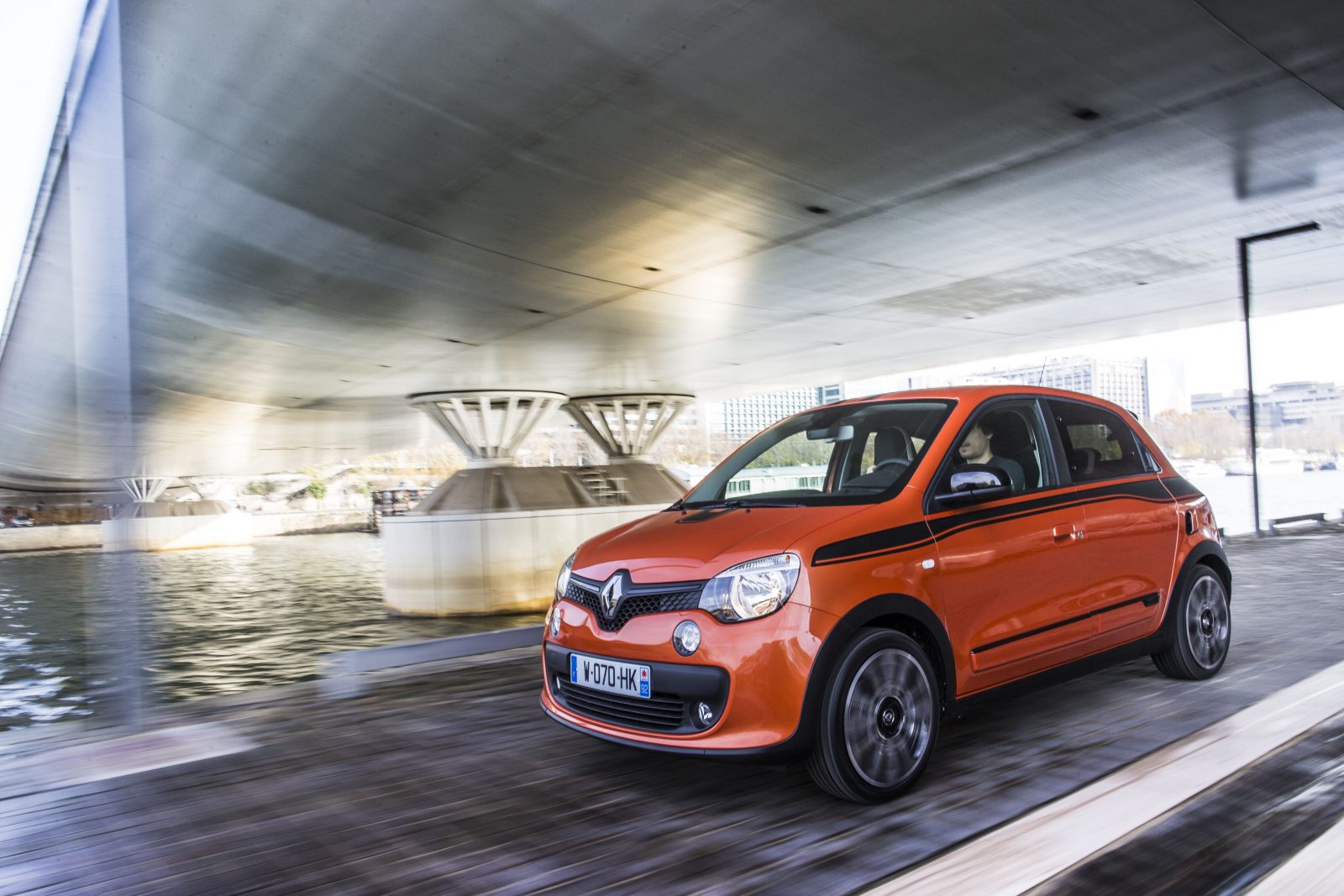
Discover more about your Renault Twingo
Tyre and wheel problems are just one aspect of maintaining your Renault Twingo. On the Carnews website you will find extensive information about other common problems, maintenance tips and owner experiences. Discover more about transmission issues, engine problems and electrical faults that occur with this model. Stay informed and avoid costly repairs by visiting the website regularly for up-to-date tips and facts about the Twingo and other car models.
Frequently asked questions
With the Renault Twingo, uneven tyre wear and irregular running are particularly common due to fast‑wearing suspension parts and poorly adjusted wheel geometry; you can recognise this by cupping (saw‑tooth tread pattern), more wear on the inner or outer edge and a car that pulls to one side. Vibrations in the steering around 80–100 km/h often point to imbalance or incorrect alignment of the wheels. Scraping or metallic noises from the wheel arches may indicate worn wheel bearings or brake problems that cause additional tyre wear. That’s why you should regularly check the tread across the full tyre width, watch for vibrations and abnormal driving behaviour, and have the alignment and suspension checked if in doubt.
For a more economical driving style, narrower, higher tyres (for example, a smaller rim diameter with a higher profile within the factory specifications) work well: less rolling resistance and often lower fuel consumption, at the expense of some direct steering feel. For a sportier driving style, people opt for wider, lower‑profile tyres on larger rims (again only in sizes approved by Renault), which provide more grip and sharper cornering, but usually higher fuel consumption and less comfort. Always stick to the Renault‑approved tyre and rim sizes and load ratings to avoid problems with suspension, wear and handling. In practice, good alignment and the correct tyre pressure have at least as much influence on both driving characteristics and fuel consumption as the chosen size.
The chassis (suspension, shock absorbers, ball joints and wheel geometry) of the Renault Twingo directly influences tyre wear and performance: worn or incorrectly aligned components cause vibrations, uneven wear and a shorter service life for the tyres. Poor shock absorbers and play in the chassis make the tyre ‘bounce’, reducing grip and braking performance. As a preventive measure, it is important to have the wheel alignment checked regularly (for example every 20,000 km or after hitting a kerb hard), and to have the suspension and bearings checked for play or leaks. In addition, annual wheel balancing and timely replacement of worn brake and suspension parts help to maximise tyre life and performance.
Incorrectly adjusted wheels on a Renault Twingo increase the risk of uneven and accelerated tyre wear, poorer roadholding and a longer braking distance, which raises the chance of skidding and loss of control. Vibrations in the steering and extra load on the suspension, bearings and brakes can also lead to premature mechanical failures. Crucial checkpoints for safety are wheel alignment/geometry, tyre wear and pressure, wheel balancing, and the condition of the suspension and wheel bearings. In addition, a visual check for cracks, oil traces and play in the steering is essential.
For track use or sporty driving you can start with high‑quality UHP or semi‑slick tyres (with stiffer sidewalls) in the correct size and with proper alignment (extra negative camber and slightly more toe‑out depending on the circuit). Fit lightweight, stiff rims with a suitable offset (ET value) to improve track width and steering precision without the wheels rubbing in the arches. Slightly increase tyre pressures compared with factory values (especially at the front) and check/set the alignment after every change to the chassis or steering system. Make sure the rolling circumference remains the same to avoid problems with ABS/ESP and the drivetrain.