

Incorrect tyre pressure and insufficient tread are among the most common issues on the BMW 2 Series. These seemingly minor lapses in maintenance have a direct impact on safety, fuel consumption and driving comfort. The good news is that both problems are easy to prevent with regular checks. Find out here how to avoid these risks and keep your tyres in optimal condition.
On the BMW 2 Series, tyre pressure and tread depth play an important role in your car’s performance. Incorrect tyre pressure – the pressure inside the tyres – leads to uneven wear, reduced road holding and can even trigger the tyre pressure monitoring system. The manufacturer recommends checking the pressure every two weeks. Always do this before a longer journey as well.
Where to find the correct tyre pressure
The recommended tyre pressure for your BMW 2 Series is shown on a label on the inside of the door, on the filler flap or in the owner’s manual. For most models this value lies between 30 and 35 PSI, which corresponds to roughly 2.1 to 2.4 bar. The exact pressure differs per model and depends on tyre size and load.
Always check the pressure when the tyres are cold, so after standing still for at least four hours. Measure the front and rear axle separately, as they may have different values. In the owner’s manual you will find tables with specific values for different loads and tyre types. With extra load or winter tyres you need to adjust the pressure according to the label.
‘ Both situations negatively affect fuel consumption and reduce driving comfort. ’
Consequences of incorrect tyre pressure
Too low tyre pressure causes rapid wear on the shoulder areas of the tread. This increases the risk of aquaplaning and considerably lengthens the braking distance. Too high pressure on the other hand leads to wear in the centre of the tread. Both situations negatively affect fuel consumption and reduce driving comfort.
Temperature affects the pressure in the tyres. For every 10 degree increase in temperature, the pressure rises by about 0.1 bar. Check the pressure especially when the seasons change and during sudden temperature changes. Owners regularly report that the tyre pressure monitoring system gives a warning after a cold spell, which is often solved simply by inflating the tyres to the correct value.
Understanding the tyre pressure monitoring system
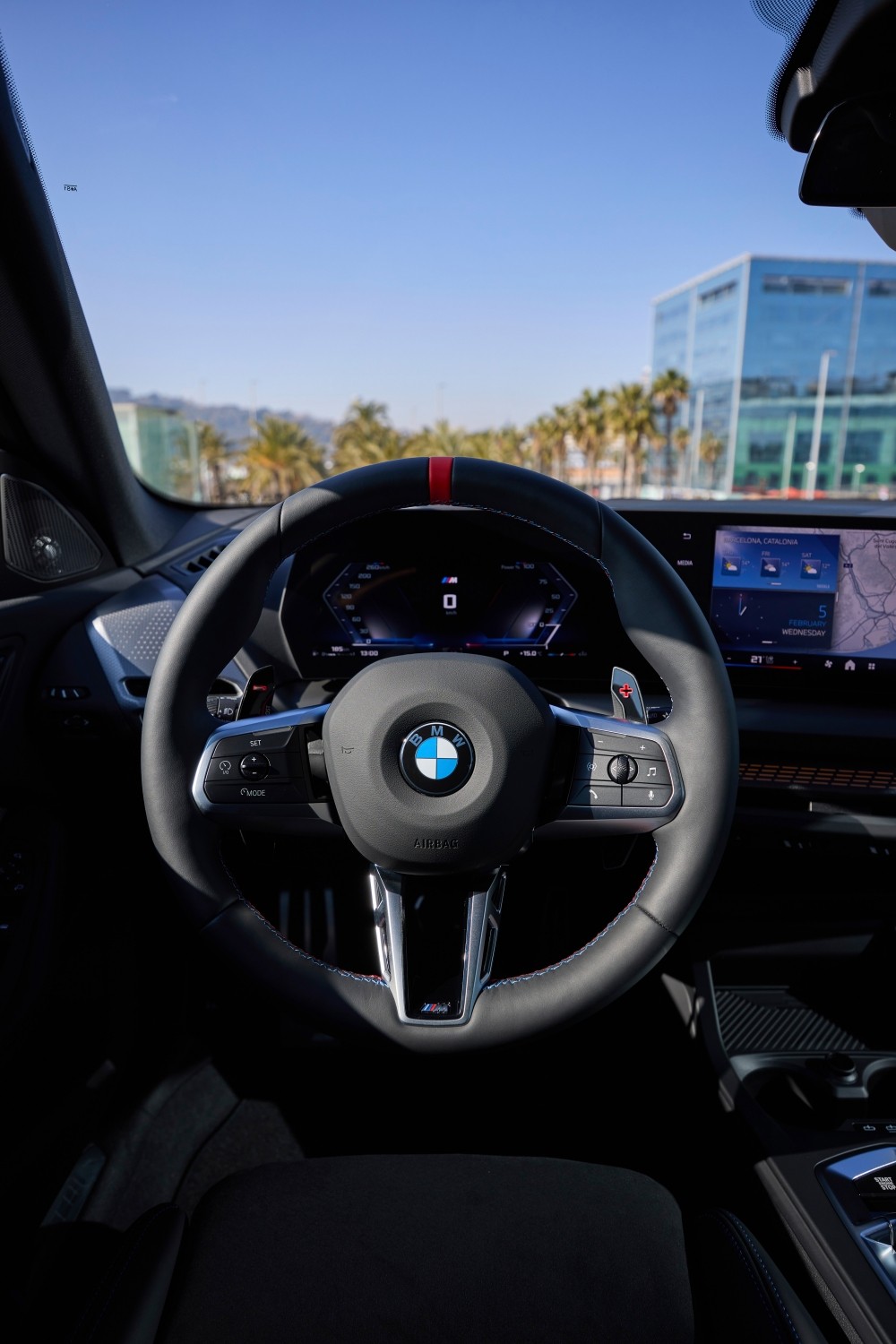
The BMW 2 Series is equipped with a tyre pressure monitoring system (TPMS, Tire Pressure Monitoring System). This system automatically warns you when the pressure in one or more tyres drops by more than 30 percent. You will then see a yellow exclamation mark on the dashboard or a message via the iDrive control system screen (the central control panel in the car). Red warnings indicate faults that require immediate service.
After inflating the tyres you must reset the tyre pressure monitoring system. You do this via the iDrive control system in the car. Start the engine without driving off and navigate to the Settings menu, then to Vehicle or Tyres and select Tyre pressure there (the menu options are sometimes called Settings, Vehicle or Tires and TPM). Select Reset and confirm with Yes. Then drive for a few minutes so the system can calibrate the new pressure values as a reference.
Some owners report that the warning remains on after changing tyres. In that case, reset the system twice or check whether the tyres are the same per axle. On the F22, F23, F45 and F46 models from the years 2013 to 2021 this works via a simple button in the iDrive menu.
When to fit new tyres
The legal minimum tread depth is 1.6 mm, but for optimal safety it is recommended to replace tyres at 3 mm. At that point, grip in wet weather is already noticeably reduced and the risk of aquaplaning increases. Check the tread monthly with a tread depth gauge or use a simple coin as an alternative.
Uneven wear indicates that something is wrong with tyre pressure, wheel alignment or driving style. Wear on the shoulders points to too low pressure, while wear in the centre indicates too high pressure. If there are noticeable differences between the tyres, it is sensible to have the wheel alignment checked.
Causes of accelerated tyre wear
Various factors accelerate wear on your tyres:
- Continuously driving with incorrect tyre pressure
- Aggressive driving with hard braking and rapid acceleration
- Incorrect wheel alignment caused by suspension damage
- Use of non-original tyre sizes
- Driving with an overloaded vehicle
‘ This guarantees optimal TPMS performance and prevents false warnings. ’
Practical tips for tyre maintenance
Check tyre pressure at least once a month and always before a long trip. Use your own pressure gauge for accurate readings, as forecourt pumps can give deviating values. Always measure when the tyres are cold for a reliable reading.
Change your tyres seasonally and have them balanced at the same time. This prevents uneven wear and improves driving comfort. When changing, note which tyre was where so you can track wear patterns. With noticeable differences in wear this is valuable information for the mechanic.
Always choose the original tyre size as stated in the owner’s manual. This guarantees optimal TPMS performance and prevents false warnings. With winter tyres or other sizes you must recalibrate the system according to the instructions in the manual.
Solving common problems with the tyre pressure monitoring system
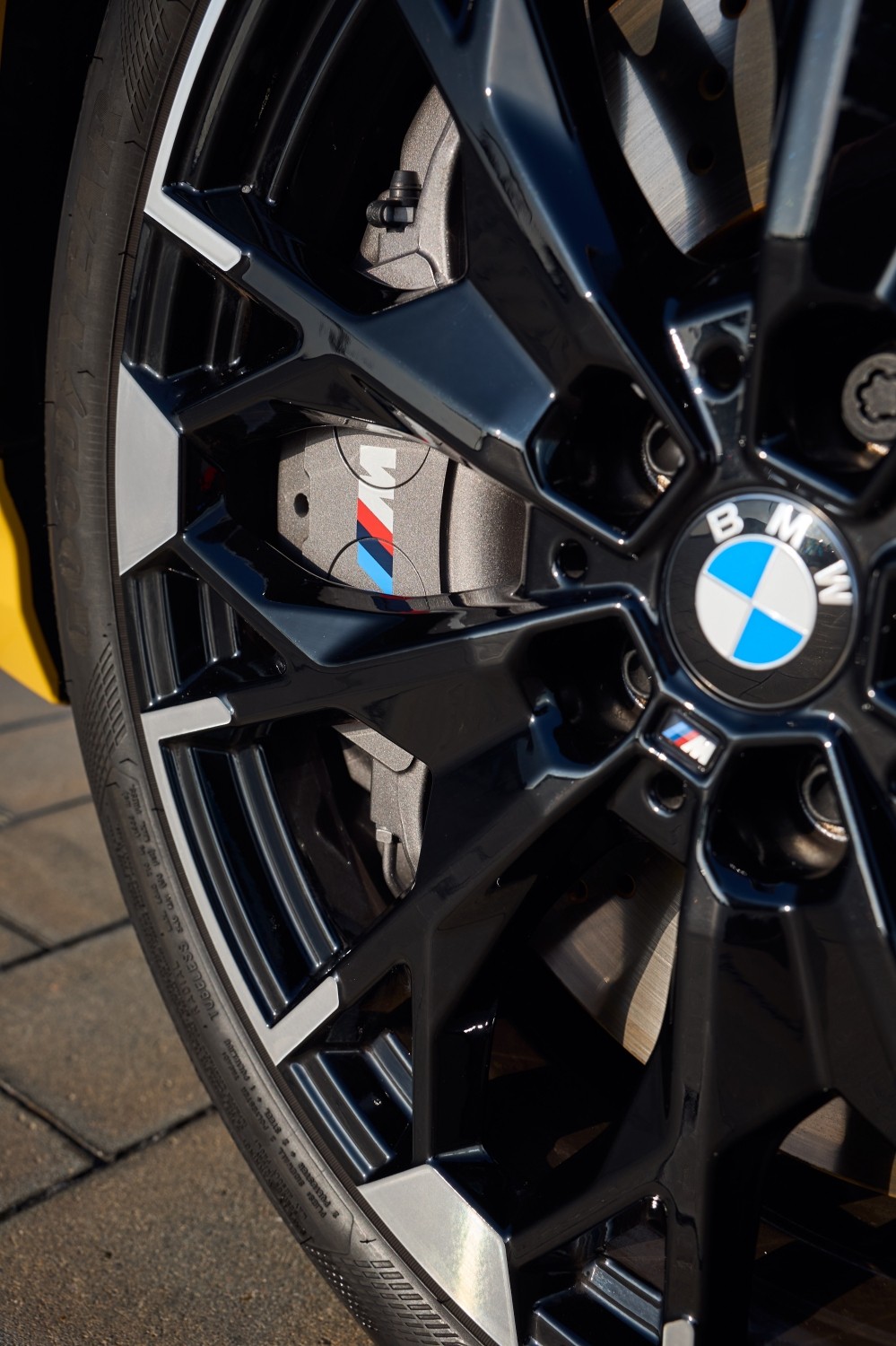
Owners report that the tyre pressure monitoring system sometimes keeps warning after a change of season. This is because the system is still using the old reference values. A proper reset using the steps described above will solve this. If it does not work first time, repeat the procedure again after a short drive.
A faulty sensor in the tyre pressure monitoring system gives persistent warnings that do not disappear after resetting. The sensors are located in the tyres and can be damaged when fitting or removing them. Replacement is possible at the dealer or by doing it yourself with the right instructions. Download the digital manual using your VIN for model-specific instructions.
For deeper diagnostics you can use an OBD scanner – a diagnostic device that you plug into your car’s diagnostic port and that reads fault codes from the tyre pressure monitoring system. This helps identify individual faulty sensors without having to remove all the tyres. Make sure your scanner is compatible with BMW systems for reliable readings.
Balancing safety and costs
Maintaining the correct tyre pressure and sufficient tread costs little time and money, but prevents significant risks. Poor tyres increase the braking distance by several metres and raise the chance of skidding in bends or in the rain. Investing in a good pressure gauge and regular checks is nothing compared with the cost of new tyres due to accelerated wear.
Correctly inflated tyres also improve fuel consumption by several percent. Over a year this saves a considerable amount in fuel costs. Comfort also increases because the car absorbs bumps better and passes fewer vibrations into the cabin.
On the Carnews website you will find much more information on maintenance, common problems and practical tips for your BMW 2 Series. Discover how to recognise and solve other frequently reported issues, and stay up to date with all developments around your model.
Frequently asked questions
The correct tyre pressure ensures that the BMW 2 Series retains its intended driving dynamics: more stable handling, more direct steering and predictable behaviour in corners. With sporty driving this is crucial, because too low pressure leads to more deformation of the tyre, delayed steering response and a ‘spongy’ feel, while too high pressure actually reduces grip due to a smaller contact patch. Correct pressure optimises the contact patch, improving both mechanical grip and traction when accelerating and braking. This results in more control, higher cornering stability and better use of the suspension and driver assistance systems.
On a BMW 2 Series, wear mainly on the inner or outer edges of the tyre (with the centre still in good condition) often points to alignment problems; you can detect this early by a noticeable “sawtooth” or ribbed pattern when you run your hand over the tread along the circumference. With too low tyre pressure both shoulders wear quickly and the tread at the edges clearly becomes flatter than in the centre. With too high pressure a “flattened” wear track appears in the centre while the shoulders retain relatively deep tread. Early detection is done by visually comparing all four tyres every month, feeling the tread with your hand for irregularities and measuring tread depth on the left/right and in the centre.
In the long term, abnormal tyre pressure on a BMW 2 Series causes accelerated and uneven tread wear, which reduces grip and lengthens the braking distance. Too little tread increases the risk of aquaplaning and loss of stability, especially in wet conditions. Both too low and too high tyre pressure worsen rolling resistance, which increases fuel consumption. Ultimately this can lead to higher costs because you have to replace tyres more often and potentially a greater risk of accidents.
Yes, for track use it is advisable to increase tyre pressure slightly compared with road values, but always start with the “cold” pressure recommended by BMW and then check hot pressures on track and adjust if necessary. Bear in mind that intensive track driving generates extra heat and pressure build-up; tyres must not start running “on the shoulders” or feel greasy, as that indicates too low pressure. In terms of tyre choice, (semi-)slicks or high-performance summer tyres with reinforced sidewalls and higher temperature resistance are strongly recommended over standard touring tyres. Ideally use original or BMW/BMW M approved sizes and load/speed ratings to avoid problems with TPMS, suspension and handling.
The most reliable way to measure tyre pressure is with a calibrated digital or analogue tyre pressure gauge, preferably on cold tyres, using the values on the BMW sticker label or in the owner’s manual. For tread inspection, a tread depth gauge or the calibrated markings on the tyre itself (wear indicators/TWI) are the most accurate. The built-in TPMS of the BMW 2 Series is useful as a warning system, but not accurate enough to set the pressure to within 0.1 bar. Therefore combine your own pressure gauge with a tread depth gauge and follow the BMW factory specifications to guarantee optimal performance.