
Incorrect tyre pressure and insufficient tread depth are among the most common reasons for MOT failure. These issues lead to immediate rejection and pose a real safety risk on the road. Read on and find out how to avoid these failure points.
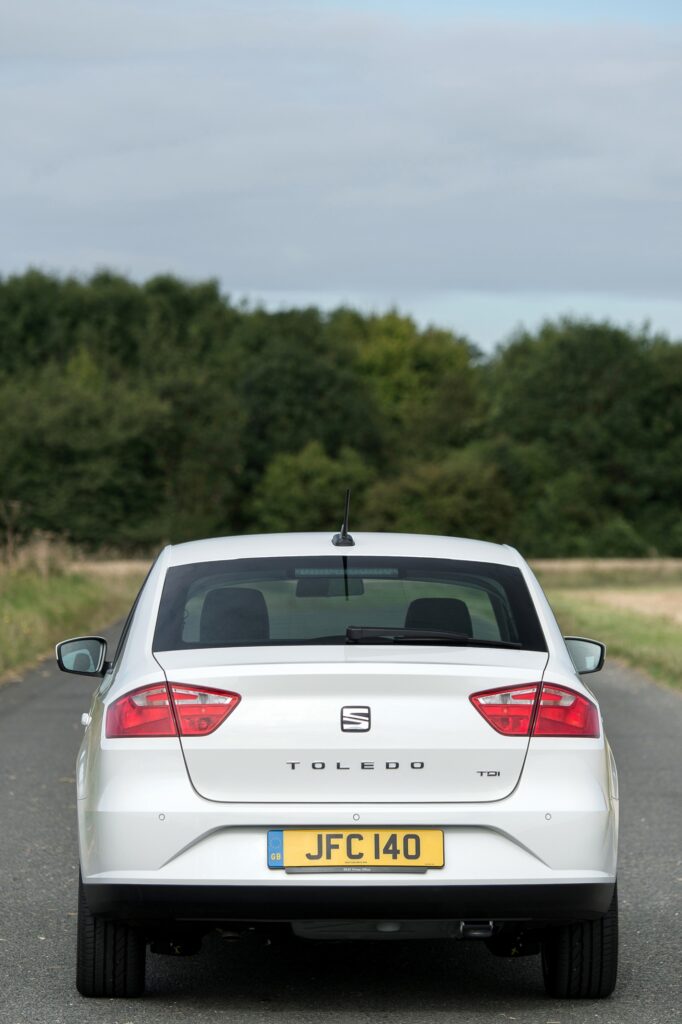
During an MOT inspection, the tester thoroughly checks the condition of your tyres. Low pressure is often corrected on the spot, but consistently incorrect pressure indicates poor maintenance. Owners of models such as the Seat Toledo in particular report faster tyre wear due to incorrect pressure, especially when the hatchback is more heavily loaded.
In addition to pressure, the tester checks tread depth, damage and wear pattern. An abnormal wear pattern often points to underlying problems with wheel alignment or suspension. This combination of factors makes tyre inspection an important point of attention for every car owner.
What does the tester check during the MOT
The MOT test sets clear requirements for the condition of tyres. The tester pays specific attention to five aspects that directly affect road safety.
The tread depth must be at least 1.6 mm across the entire tread surface. As soon as the tread falls below this limit, the car will be rejected. Damage such as bulges, cracks, visible carcass damage or nails will also result in a fail.
The wear pattern provides a lot of information about the condition of the car. Even wear is normal, but uneven patterns such as cupping point to problems with wheel alignment. The load rating of the tyre must match the axle weight, identifiable by the number on the tyre sidewall.
The tyre pressure must comply with the manufacturer specification or be the same per axle, with a maximum difference of 0.3 bar. Low pressure can be topped up during the test, but repeated issues indicate a structural lack of maintenance.
‘ The extra rolling resistance can add up to as much as 100 euros a year in additional fuel costs. ’
How does tyre pressure affect tyre wear
Your tyre pressure has a direct impact on the wear pattern and service life. Pressure that is too low causes increased wear on the shoulders of the tyre, because the central area has less contact with the road surface.
If the pressure is too high, central wear develops instead. Road contact is reduced because only the centre of the tyre touches the road surface. This pattern is easy to recognise by the smooth strip in the centre of the tread.
Tyre pressure that is too low also increases fuel consumption significantly. The extra rolling resistance can add up to as much as 100 euros a year in additional fuel costs. In addition, the risk of overheating increases, which raises the likelihood of a blowout.
Monthly checks with cold tyres prevent these problems. Always measure after driving a maximum of five kilometres to obtain a reliable reading. Warm tyres show a higher pressure figure that is not representative of normal driving conditions.

Where can you find the correct tyre pressure for your car
The recommended tyre pressure is listed in several places in your car. Check the sticker on the A- or B-pillar on the driver's side, the fuel filler flap or the car's handbook.
These specifications differ per model and load. For an average passenger car, recommended pressure is usually between 2.2 and 2.5 bar for both the front and rear axle. With heavier loads, for example when going on holiday, manufacturers recommend a higher pressure.
Don't have access to the manufacturer specification? Then use the highest measured value as a reference and bring all tyres up to the same level. Ensure that there is a maximum difference of 0.3 bar between tyres on the same axle.
How do you correctly check tyre tread
A digital tread depth gauge gives the most accurate measurement. Always measure in the widest groove of the tread for a representative result. The wear indicators in the grooves act as an extra check.
These small raised areas between the tread blocks mark the minimum legal depth of 1.6 mm. Once the tread is level with these indicators, you must replace the tyre. However, don't wait until this point.
Replace tyres at a tread depth of 2 to 2.5 mm for optimum safety. At 1.6 mm the tyre can hardly disperse water any more, which greatly increases the risk of aquaplaning. This safety margin gives extra grip in wet conditions.
Also check for dry cracks, bulges and foreign objects in the tread. This kind of damage can lead to MOT failure, even if the tread still has sufficient depth.
What are the main causes of uneven tyre wear
Various factors cause an abnormal wear pattern that can lead to MOT failure. Recognising these patterns helps in the early diagnosis of underlying problems.
- Low tyre pressure leads to shoulder wear and cupping, where wave-shaped patterns form
- High tyre pressure causes wear in the centre of the tread
- Incorrect wheel alignment results in one-sided wear on the inner or outer edge
- Worn suspension creates irregular patterns due to unstable wheel movement
- Lack of tyre rotation causes uneven distribution of wear between front and rear tyres
Having your wheel alignment checked every year prevents many of these problems. Combine this with regular tyre rotation to extend service life. Swap tyre positions according to the schedule in the handbook, usually every 10,000 to 15,000 kilometres.

How often should you check tyre pressure
Checking tyre pressure once a month is the minimum for safe driving. Many cars in the Netherlands are driven with pressure that is too low, which entails safety risks and higher costs.
Always measure with cold tyres, so before you go on a long journey or after driving a maximum of five kilometres. Warm tyres give a distorted picture due to expansion of the air. Include the spare wheel in this check, even if you rarely use it.
Adjust the pressure when conditions change. Heavier loads require higher pressure, as do longer motorway journeys. Label winter tyres with the correct pressure when storing them separately, so you immediately know the correct value when the seasons change.
Modern cars with a tyre pressure monitoring system (TPMS) provide extra safety. Note: a defective TPMS system is a reason for MOT failure. Regularly check that the system is working correctly by checking the warning lights.
Which tyre repairs are forbidden for the MOT
Not every tyre repair is allowed under MOT guidelines. Repairs that damage the carcass lead to immediate rejection. Manually deepening grooves to increase tread depth is also prohibited.
This practice weakens the tyre structure and increases the risk of cracking. The tester recognises this from unnatural groove patterns and sharp edges in the rubber. Professional repairs to the tread are allowed, provided they are carried out according to the manufacturer's specifications.
Watch out for visible plugs or patches in the tyre. These must be expertly fitted without damage to the underlying layers. Damage to the tyre sidewall is often not repairable and requires replacement.
‘ Don't wait until the tread reaches the minimum limit, but replace at 2.5 mm for optimum safety. ’
Practical tips for optimal tyre maintenance
Regular maintenance keeps your tyres ready for the MOT. This saves money. Start with a visual check at every refuelling stop for visible damage, foreign objects and striking wear patterns.
Invest in a digital tyre pressure gauge for home use. Petrol stations do not always have reliable gauges, and your own equipment guarantees consistent measurements. Measure at the same times for comparable results.
Keep a maintenance log with inspection dates and measured values. This helps you identify patterns and shows the tester that you take maintenance seriously. Also note any adjustments for load or seasonal changes.
Plan tyre replacement well before the MOT test. This prevents unnecessary failure and gives you time to compare prices. Don't wait until the tread reaches the minimum limit, but replace at 2.5 mm for optimum safety.
On the Carnews website you'll find extensive information about car maintenance, technical problems and practical tips for different models. Discover more articles about MOT tests, maintenance schedules and common car problems to keep your car in top condition.
Frequently asked questions
For the MOT, tyre tread depth must be at least 1.6 mm across the entire tread (excluding wear indicators); if it is less, the vehicle will immediately fail. The tyre must not show serious damage or irregular/localised excessive wear, such as cupping or visible carcass damage. In practice, tyre pressure must meet the values prescribed by the manufacturer or at least be the same per axle (with only a very small difference per axle). If the pressure is too low, it is usually first brought up to the correct value during the test; failure mainly follows in the case of dangerous deviations or severe wear linked to incorrect pressure.
Always stick to the tyre pressures prescribed by the manufacturer (found on a sticker in the door pillar, fuel filler flap or handbook) and check them monthly with cold tyres. Pressure that is too low causes extra wear on the shoulders of the tyre and increases fuel consumption because rolling resistance rises. Pressure that is too high gives less contact area with the road, causing faster wear in the centre of the tyre and reducing grip. By keeping the pressure constantly at the correct level, your tyres will wear more evenly and your car will use less fuel.
Incorrect tyre pressure reduces the contact patch with the road, which decreases grip and makes the car steer less predictably, especially in fast corners and under hard braking. Pressure that is too low causes greater deformation and heat build-up in the tyre, with an increased risk of a blowout and a longer braking distance. Pressure that is too high makes the car more nervous, reduces comfort and can cause the car to break away sooner when driving sportily. In addition, incorrect pressure causes irregular wear, which further deteriorates tyre performance and safety.
Even wear across the entire tread generally indicates that the car is in good technical condition, provided the tread is at least 1.6 mm. Wear mainly on the outer edges often points to tyre pressure that is too low or poor alignment, which can lead to failure if the unevenness is severe. Wear mainly in the centre of the tyre indicates tyre pressure that is too high, which reduces the contact patch and safety. Irregular “cupping” or sawtooth wear may indicate problems with the suspension or shock absorbers and, if the pattern is pronounced, is a sign that further technical investigation is needed during the MOT.
For track days it is often advisable to lower tyre pressure slightly compared with the standard factory value, because tyres get hotter on the track and the pressure then rises by itself. This provides more grip and a more even temperature build-up across the tread. Afterwards, or before driving on public roads, you must return to the pressures prescribed by the manufacturer, because the MOT is based on correct pressure according to the factory specification (or the same per axle within 0.3 bar). The temporary adjustment for track use is therefore fine, as long as you use the prescribed pressure again for normal road use and the MOT inspection.