
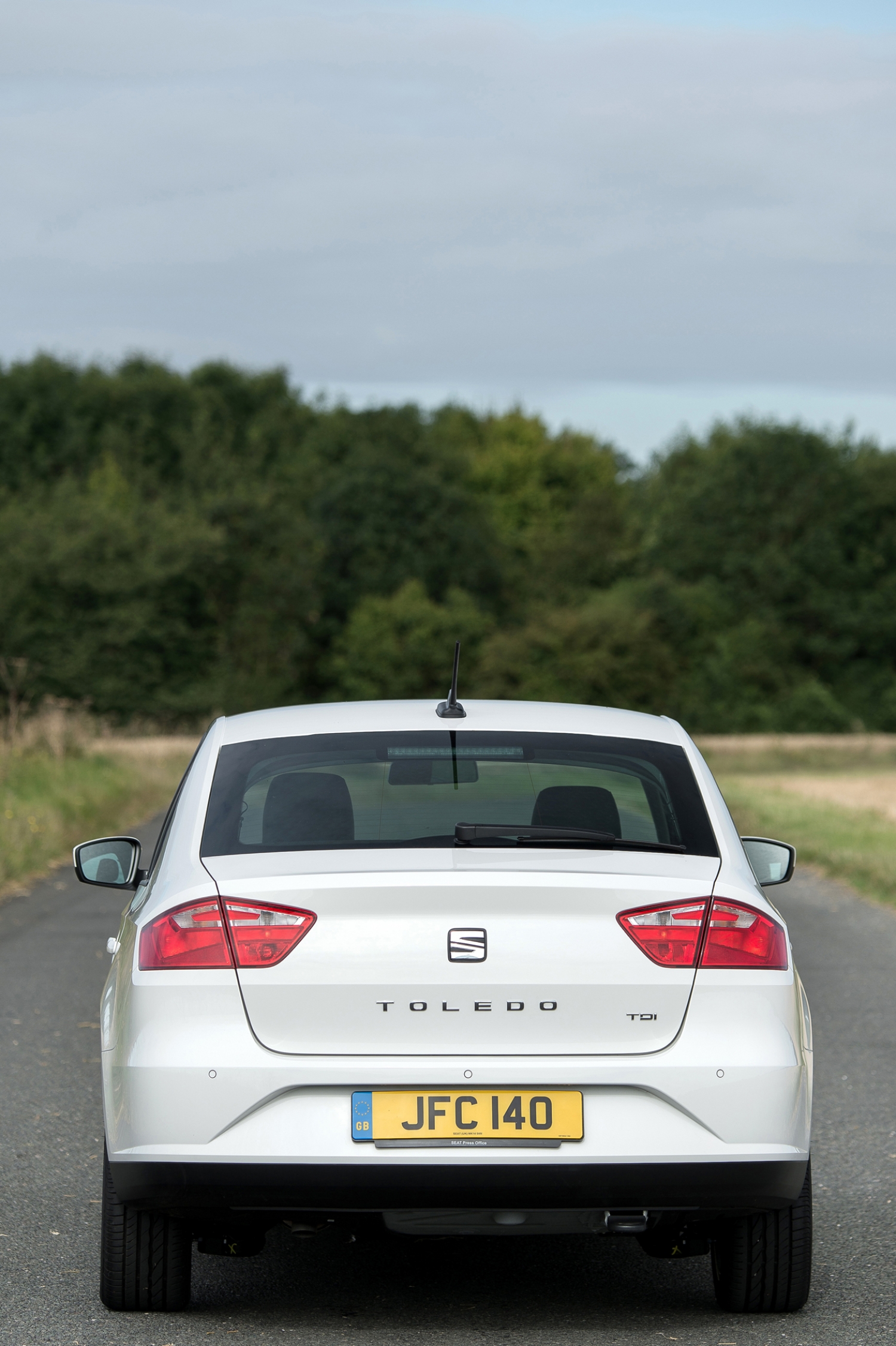
TSI engines and the risk of ignition coil failures
With TSI petrol engines, individual ignition coils can fail unexpectedly, causing the engine to suddenly run on three cylinders. This can lead to serious catalytic converter damage if you do not stop driving immediately. These ignition coil failures occur mainly with TSI engines from before 2014 and are a known issue with various brands that share this engine technology. Find out what the symptoms are, why this problem occurs and how you can recognise it before the damage becomes really severe.
Recognising a faulty ignition coil by these symptoms
A misfiring or stumbling engine is often the first sign that something is wrong with an ignition coil. The engine misfires, especially noticeable when you accelerate or drive on the motorway. This is because one or more cylinders are no longer igniting properly due to a failing ignition coil.
The engine warning light comes on when the engine no longer runs smoothly. Sometimes you hear a pinging sound while driving. The engine feels weak and responds slowly to the accelerator. When idling, the car vibrates irregularly.
Many owners notice that the problems get worse when the engine is warm. The heat puts extra strain on the ignition coils, so a coil that was just working can suddenly fail completely. This problem occurs particularly with the Seat Toledo with 1.2 and 1.4 TSI engines.
Why is my engine only running on three cylinders
When an ignition coil fails, that cylinder can no longer ignite the fuel mixture. The engine then runs on three instead of four cylinders. This causes a clear lack of power and an irregular running.
TSI engines inject fuel directly into the cylinder at high pressure. This creates a stratified mixture that heavily loads the ignition coils. The coil has to produce a spark of around 20,000 volts from the 12 volts of the battery. If the coil weakens due to wear or heat, it can no longer do this.
The problem can spread quickly. If one ignition coil fails, the other three have to work harder to keep the engine running. This causes a domino effect, where several coils can fail within a short time. Owners report that this mainly happens between 80,000 and 120,000 kilometres.
Common causes with TSI engines
TSI engines share their technology with various Volkswagen models, which means certain issues occur across all variants. The ignition coils are susceptible to wear due to the high load of direct injection.
Poor maintenance of spark plugs is an important cause. Spark plugs in TSI engines often wear out before 100,000 kilometres. Worn spark plugs cause misfires, which overload the ignition coils. The coil has to work harder to produce a spark when the spark plug is in poor condition.
Other causes include:
– Worn wiring or corrosion at the connectors due to heat and vibrations
– Internal contamination that accelerates wear
– Small cracks in the ignition coil caused by temperature fluctuations
– Oil leaks that damage the electronics
Since 2016, these problems have become less structural due to improved components, but older models remain prone to ignition coil failure.
How much does it cost to replace ignition coils
A single ignition coil of original quality costs between 20 and 50 euros. Many owners choose to replace all four ignition coils at once, which comes down to around 80 to 200 euros in parts.
If you do it yourself, you can finish the job in 30 to 60 minutes with basic tools. The coils are located on top of the engine and are relatively easy to access. You do not need any special tools, just a socket set and possibly a multimeter to test the old coils.
At a garage you pay labour on top of the cost of parts. This varies widely per garage, but allowing for 100 to 150 euros in labour is realistic. The total cost for replacement by a professional is then between 180 and 350 euros.
It is sensible to replace the spark plugs at the same time. Iridium spark plugs last longer than standard plugs and cost around 10 to 15 euros each. This prevents you from having ignition coil problems again within a short time due to worn spark plugs.
Can I still drive with a faulty ignition coil
Driving with a faulty ignition coil is strongly discouraged. The engine runs on three cylinders, causing unburnt fuel to end up in the exhaust. This fuel can ignite in the catalytic converter and cause serious damage.
A new catalytic converter quickly costs between 500 and 1500 euros, depending on the model. This is completely out of proportion to the cost of replacing ignition coils. So stop driving immediately if the engine warning light comes on and the engine is misfiring.
If you are on the road, you can carefully drive to the nearest garage. Keep the engine speed low and do not drive faster than 50 kilometres per hour. Use as little throttle as possible and avoid sudden acceleration. The shorter you drive with a faulty ignition coil, the smaller the risk of catalytic converter damage.
Diagnosing with simple tools
An OBD scanner helps you to find the exact cause. This scanner reads fault codes from the engine electronics. Codes such as P0300 point to random misfires, while P0301 to P0304 indicate which cylinder has the problem.
Even without a scanner you can check the ignition coils. Open the bonnet and inspect the coils visually for cracks, corrosion or oil stains. If you suspect one coil, swap it with a coil from another cylinder. Start the engine and see whether the problem moves to the other cylinder.
With a multimeter you can measure the resistance of the ignition coil. The primary winding should measure between 0.5 and 1.5 ohms, the secondary winding between 5 and 15 kilo-ohms. Values outside this range mean that the coil is defective. This test does require technical knowledge and care.
Preventing future ignition coil problems
Replace all four ignition coils at once, even if only one is defective. This prevents you from facing the same problem again within a few weeks. Coils of the same age and usage wear out at roughly the same rate.
Regular maintenance of spark plugs is the best prevention. Replace spark plugs according to the manufacturer’s service schedule, often around 60,000 to 80,000 kilometres for TSI engines. Choose iridium spark plugs that last up to 100,000 kilometres and are better able to withstand heat.
Practical tips to make ignition coils last longer:
– Clean the throttle body and intake ports regularly to prevent carbon build-up
– Use quality petrol with a sufficient octane rating
– Have the wiring and connectors checked during servicing
– During a major service, have the timing chain tensioner checked as well, because TSI engines are prone to issues here
Taking action early when the engine warning light comes on saves on expensive repairs. Do not ignore warning signs and have the car checked immediately if you notice misfiring or loss of power.
Find out more about car problems and maintenance
Ignition coil failures are just one of the many challenges that TSI engine owners may face. On the Carnews website you will find extensive information on common engine problems, maintenance tips and practical solutions for various car brands. Delve into the experiences of other car enthusiasts and discover how to keep your car in top condition.
Contents
Frequently asked questions
You can mainly recognise an ignition coil fault on a TSI engine by a stumbling engine that sometimes runs on three cylinders, especially noticeable when accelerating or under load. Often, the engine warning light comes on at the same time and the engine idles roughly with a clearly noticeable loss of power. Sometimes you also hear a light pinging or popping sound from the exhaust. The symptoms often get worse when the engine is warm and may occur intermittently at first and then increasingly often.
Common causes of ignition coil failure in TSI engines include heat stress in the engine bay, worn or incorrectly specified spark plugs, ageing or damaged wiring/connectors and internal contamination that leads to misfires. By replacing spark plugs on time and according to the manufacturer’s specification (preferably good OEM or iridium quality), you prevent ignition coils from becoming overloaded. Use quality fuel and ensure regular maintenance of the intake system to reduce contamination and irregular combustion. If one coil fails, it is preferable to replace all coils at once and immediately check the wiring and plugs to prevent recurrence.
Start by reading the fault codes with an OBD scanner and look for misfire codes such as P0300–P0304 to see which cylinder is causing problems. Then visually inspect the coils for cracks, corrosion or burnt spots and check whether there is oil or moisture in the spark plug wells. Perform a swap test by exchanging the coil from the ‘problem cylinder’ with one from another cylinder and see whether the fault code moves with it. If you want to go a step further, you can use a multimeter to measure the resistance of the coils (primary and secondary winding) and treat any abnormal values as a sign of a defective coil.
The ignition coil(s) of a TSI engine can be replaced individually or – ideally – all at once, because one faulty coil can cause the others to fail more quickly. DIYers generally pay around €20–€50 per coil (OEM quality), plus the cost of any new spark plugs. In a garage, total costs including labour are usually around €150–€350, depending on the number of cylinders, hourly rate and branded parts. Additional costs may arise if worn spark plugs or damaged wiring also need to be replaced at the same time.
There are no real performance upgrades for ignition coils that demonstrably improve the reliability of a TSI engine; the gains are mainly in quality and maintenance. When replacing, choose OEM quality or top brands (e.g. Bosch, Beru, NGK) and replace all the coils at the same time. Combine this with good spark plugs (preferably iridium) and timely servicing to reduce the load on the coils. Extreme “tuning coils” rarely provide more reliability and can even cause new problems.