
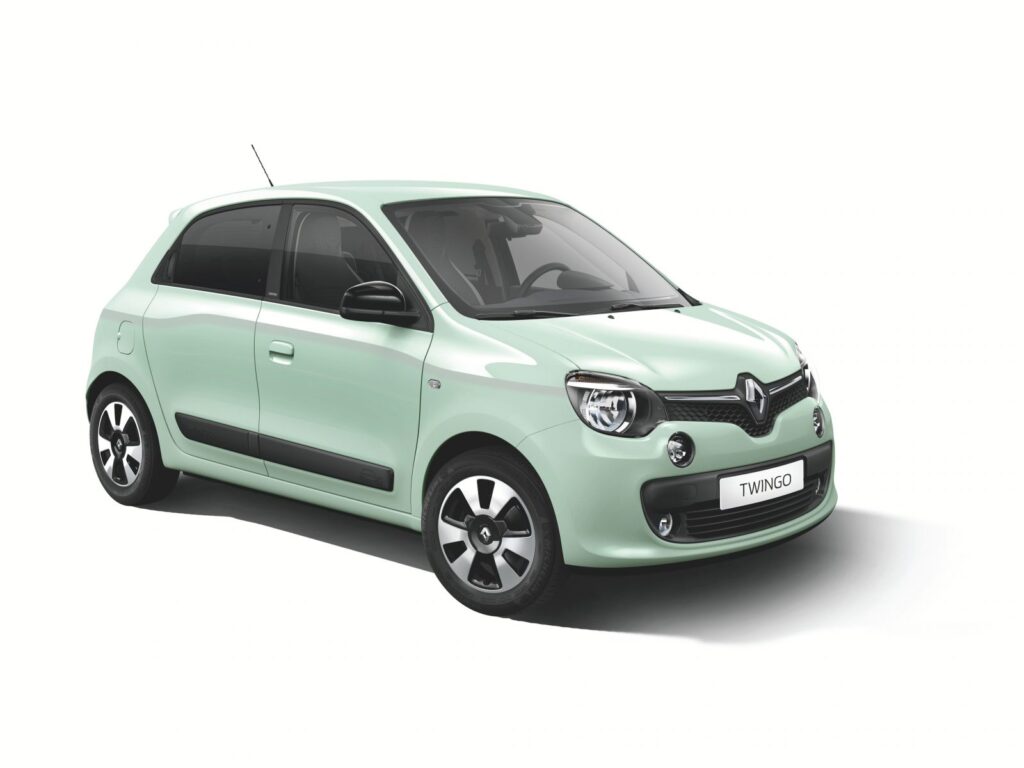
The fuel gauge of the Renault Twingo gives inaccurate information for many owners, regularly leading to unexpected breakdowns at the roadside. The orange reserve warning light comes on too early, the needle sticks after refuelling or the gauge suddenly drops to zero. This unreliability is usually caused by a faulty tank float or problems in the instrument panel. Find out why this happens and what you can do about it.
Many Twingo drivers recognise the problem: you think you still have enough fuel, but the car cuts out. Or the other way around: the reserve light has been on for miles, while at the pump you discover there was still a fair amount left in the tank. This unpredictability makes the Renault Twingo downright annoying in daily use.
The problem occurs in both older and newer Twingo models. Clio drivers also report similar complaints. The fault often develops gradually. Sometimes it also appears suddenly after a period of normal operation.
Why does the fuel gauge read incorrectly on a Renault Twingo?
The main cause almost always lies with the tank float. This component measures the fuel level in the tank and sends that information as an electrical signal to the dashboard. When the float fails, the gauge receives incorrect data.
In addition, other factors can also play a role. The wiring between tank and dashboard is prone to faults, especially the orange wire that runs along the left rear beam. Dirty or corroded connector plugs on top of the tank also cause interrupted or fluctuating signals.
In some cases, the problem lies in the dashboard electronics itself. A faulty instrument panel does not process the signals properly, causing the needle to take up incorrect positions. This occurs less often than a faulty float, but is still a known cause.
With LPG systems a specific problem occurs: the on-board computer calculates with petrol consumption while the car is running on gas. As a result, the gauge drops much faster than the actual fuel level. This is not a technical defect, but a software-related deviation.
Air in the fuel system
When the tank is run completely dry, air enters the fuel system. This affects engine operation and the reliability of the readings. The float then struggles to determine the correct level.
Symptoms of a faulty fuel gauge on a Renault Twingo
The complaints vary, but a number of symptoms crop up regularly. Recognising them helps you assess whether the fuel gauge really is the culprit.
- The gauge consistently shows less fuel than is actually present, causing the orange reserve light to come on too early
- After filling up to the brim, the needle rises slowly or sticks at the old level, sometimes only updating hours later
- The gauge suddenly drops to zero or constantly shows empty, even immediately after refuelling
- Fluctuating or unrealistic values while driving, without any clear reason
- OBD2 fault code P0460 appears, indicating a fault in the fuel level sensor circuit
- On LPG cars, the gauge drops considerably faster than expected
The fuel gauge does not work proportionally. When the needle is at halfway, there is not exactly half a tank. When you are on reserve, the on-board computer stops giving a range estimate, because the inaccuracy becomes too great.
Renault Twingo fuel gauge inaccurate: how to fix it?
Before going to a garage, you can try a few steps yourself. These solutions take little time and in many cases bring temporary or even lasting improvement.
Reset via the battery
Disconnect the negative terminal of the battery and wait at least one minute. Some owners also briefly connect the battery cables to each other to discharge any residual current. Then reconnect everything, fill the tank completely and test the gauge. This method often works temporarily, but does not solve the underlying cause.
Adjusting your refuelling procedure
Disconnect the power to the car for one minute before refuelling. Remove the key card and fill the tank until the pump clicks off a maximum of three times. Wait a few hours before judging whether the gauge has updated correctly. This approach helps the system to recalibrate.
Checking wiring and connectors
Inspect the wiring loom and the connector plugs on top of the fuel tank. Treat the connectors with contact spray to remove dirt and corrosion. This improves signal transmission and often reduces fluctuations in the gauge reading.
Instrument panel self-test function
Switch on the ignition while holding down the button on the right-hand stalk. The instrument panel will then perform a self-test. This allows you to check whether there are any faults in the dashboard itself. It is a quick way to test the electronics.
LPG-specific approach
Ask the installer of the LPG system for a software adjustment. A reset usually only helps temporarily with this type of fault, because the cause lies in the on-board computer settings.
Replacement parts from a breaker’s yard
A replacement instrument panel or tank float from a breaker’s yard costs considerably less than a new part. Expect around €250 in repair costs if you choose a used solution. This is a cost-effective option. Try this before going to a dealer.
Experiences of Twingo owners
Owners regularly share their experiences online. A recurring report is that the orange warning light comes on, but when they fill up there is room for much more fuel in the tank than expected. Resetting the float often brought improvement in those cases.
With LPG systems the gauge drops too quickly, a complaint that appears frequently. A battery reset usually solves this briefly, but the problem returns. Owners with this type of system therefore often opt for a software adjustment.
Some drivers have dismantled the dashboard for their own inspection or tried a gauge from a breaker’s yard. ANWB experts consistently point to the tank float as the main cause of this type of complaint. This is confirmed by the experiences of many Twingo drivers.
‘ Replacement offers a lasting solution. ’
Practical tips for the meantime
Until the problem has been solved, avoid unexpected breakdowns by using the gauge readings more sensibly. Do not rely solely on the gauge. Refuel when there is about a quarter of a tank left. This gives you enough margin.
If problems persist, have an OBD scan carried out to check whether fault code P0460 has been stored. This code confirms a fault in the fuel level sensor circuit. With this information you can consult a Renault specialist in a more targeted way.
Consider replacing the tank float if the fault keeps returning. This part is the most common cause and replacement offers a lasting solution. A dealer or specialist garage can carry this out quickly.
On the Carnews website you will find much more information about Renault models, common faults and practical maintenance tips. Discover more tips and experiences from other car enthusiasts.
Frequently asked questions
The most common causes are a faulty or sticking tank float that sends an incorrect fuel level, and problems in the wiring or connector plugs on top of the tank (corrosion, poor contacts, broken wires). In addition, faults in the instrument panel or dashboard electronics can make the gauge inaccurate. Air in the fuel system after (almost) running the tank dry can also temporarily give an incorrect reading. For Twingos on LPG it also plays a role that the on-board computer ‘thinks’ in petrol consumption, which makes the petrol gauge drop faster than actually necessary.
Start with an instrument panel self-test (switch on the ignition while holding down the button on the right-hand stalk) to see whether the gauge/needle itself is working properly. Then make the car completely de-energised (disconnect the battery for at least 1 minute), fill the tank completely (pump allowed to click off a few times at most) and check whether the gauge now rises correctly. Also check the wiring and connectors on top of the tank (left rear) for corrosion or breaks and treat the connectors with contact spray. If the problem remains, there is a good chance the tank float is faulty and you will need to have it specifically tested or replaced.
Possible solutions are: replacing the tank float and/or fuel level sensor in the tank (most common), having the instrument panel checked/repaired, cleaning or repairing the wiring and connector plugs on top of the tank, or resetting the system (disconnecting the battery) as a temporary fix. For proper repair you should reckon with roughly €150–€350 for replacement of the float/sensor (less if you use second-hand parts from a breaker’s yard), and possibly €200–€400 if the instrument panel has to be refurbished. A simple diagnosis and connector/wiring check usually costs €50–€100. Temporary reset solutions are basically free if you do them yourself.
Yes, there are fairly well-known and common problems with the fuel gauge of the Renault Twingo. Complaints include inaccurate readings (reserve light coming on too early), a needle that sticks or only rises very slowly after refuelling, and sometimes a gauge that spontaneously drops to zero. A faulty or intermittent tank float is often the cause, but poor wiring or connector plugs on top of the tank also occur. Some owners report that a temporary reset (disconnecting the battery) helps, but the structural solution is usually to check or replace the float and wiring.
The main risks are that you unexpectedly run out of fuel, leaving you stranded at the roadside or in dangerous places (for example on the motorway). This can cause hazardous situations when the car cuts out, such as rear-end collisions or emergency stops. In addition, repeatedly running (almost) empty can cause damage or extra wear to the fuel pump. You are also less able to plan when you need to refuel, which in practice can lead to stress and lost time.
Yes, there are several do-it-yourself tips: you can de-energise the car by disconnecting the battery terminal for at least a minute and then testing with a full tank to see whether the gauge recovers. You can also check and clean the connector plugs and wiring on top of the tank with contact spray. In addition, there is a self-test for the instrument panel via the button on the right-hand stalk to check whether the problem lies in the dashboard. If the problem persists, the tank float is often faulty and replacement (possibly with a part from a breaker’s yard) is needed.