Volkswagen ID.3: teething problems and issues
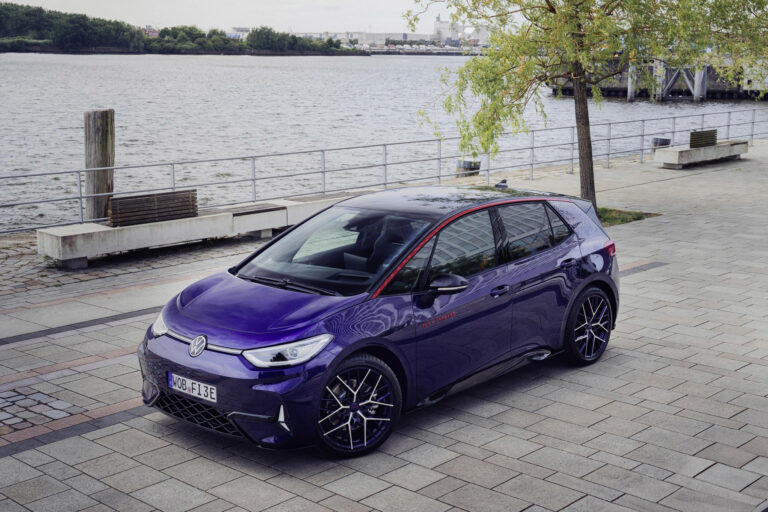
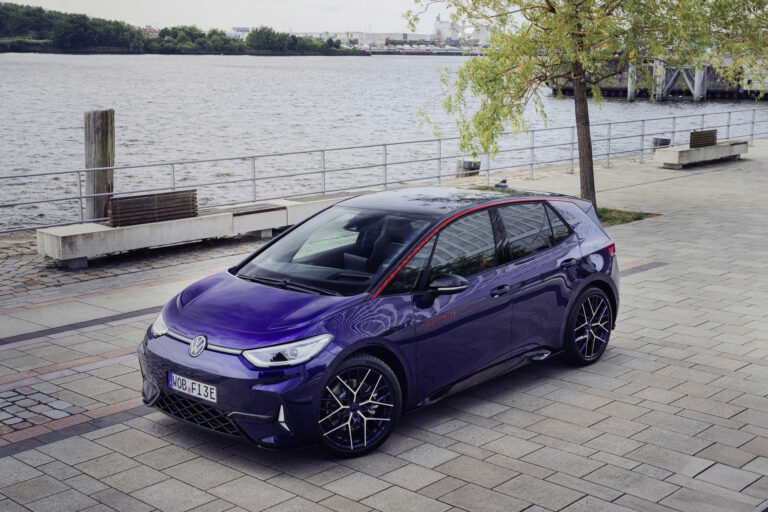
The Volkswagen ID.3 marked a significant turning point for the German automotive giant, but the launch of this electric vehicle (EV) was far from flawless. Early owners faced a series of persistent issues, mainly software-related, which overshadowed the user experience. The ID.3 has since undergone considerable development. Most of its initial teething problems have been resolved. The model has evolved into a mature and competitive player in the electric car market. Read on to discover which problems plagued the first ID.3s and how the model has developed into the car it is today.
The main early problems of the ID.3
The launch of the ID.3 in 2020 was one of the most anticipated car launches of that year. Volkswagen pulled out all the stops to bring an affordable, mass-produced electric car to market that was intended to be the “electric Golf”. The pressure to launch the car quickly resulted in a product that was not yet fully developed. The complaints from early drivers were diverse but concentrated around several core areas: incomplete and slow software, connectivity issues, and the performance of the infotainment system. Mechanically, the car was generally reliable. It was these digital annoyances that affected the reputation of the early models and led to common problems with Volkswagens in this new electric era.
‘ “It seemed as if the car’s hardware was ready, but the software that was supposed to control everything had been rushed.” ’
Software Issues: From Bugs to Usability
Undoubtedly, the most discussed and criticised aspect of the early Volkswagen ID.3 was its software. It seemed as if the car’s hardware was ready, but the software that was supposed to control everything had been rushed. This manifested in a wide range of issues:
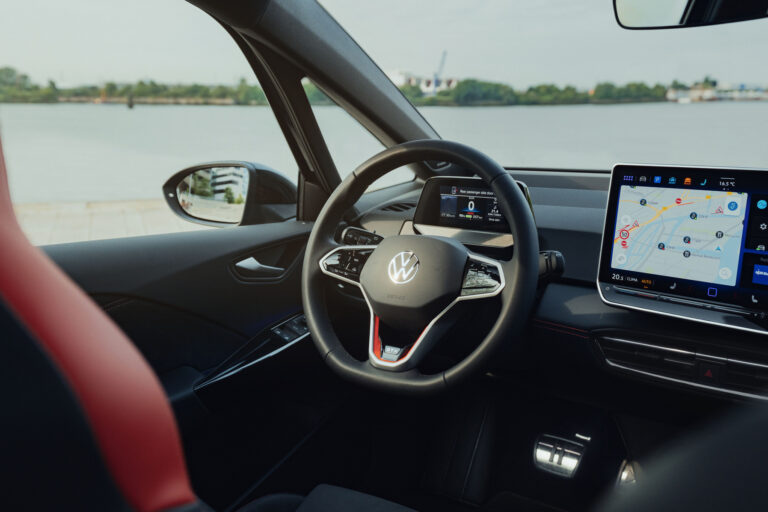
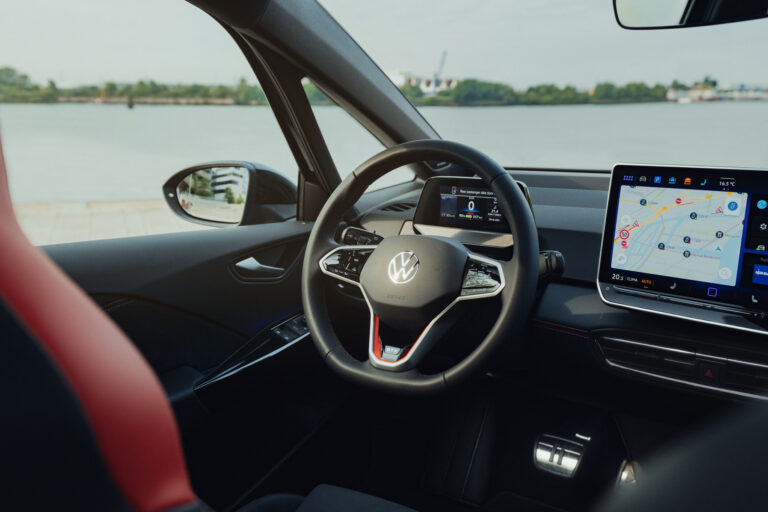
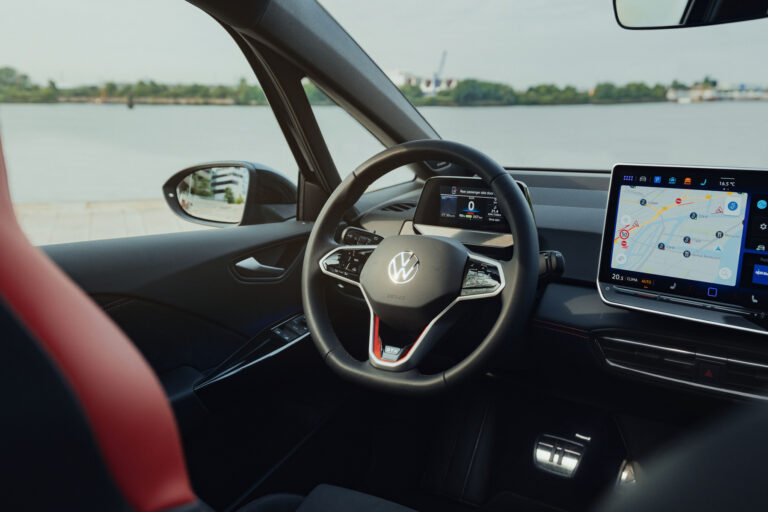
- Slow and unresponsive infotainment system: The central touchscreen often responded to touches with a delay. System startup could take a long time, sometimes even minutes, which was frustrating for drivers who wanted to quickly navigate or adjust settings.
- Freezing screens: It was not uncommon for the infotainment screen or digital instrument cluster to completely freeze, requiring a ‘hard reset’ of the system (turning the car off, locking it, and restarting).
- Navigation errors: The navigation sometimes provided incorrect information, lost its GPS signal, or calculated routes extremely slowly.
- Connectivity issues: The connection to the We Connect app was unstable. Functions such as remotely preheating the car or checking the charging status often did not work properly.
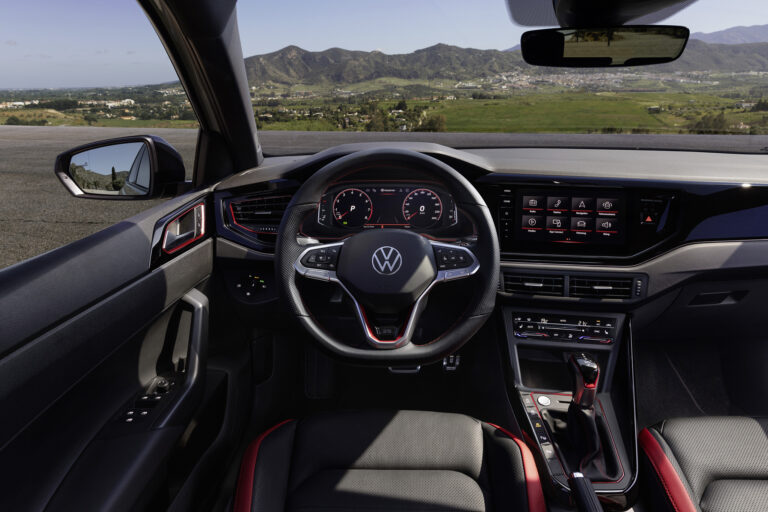
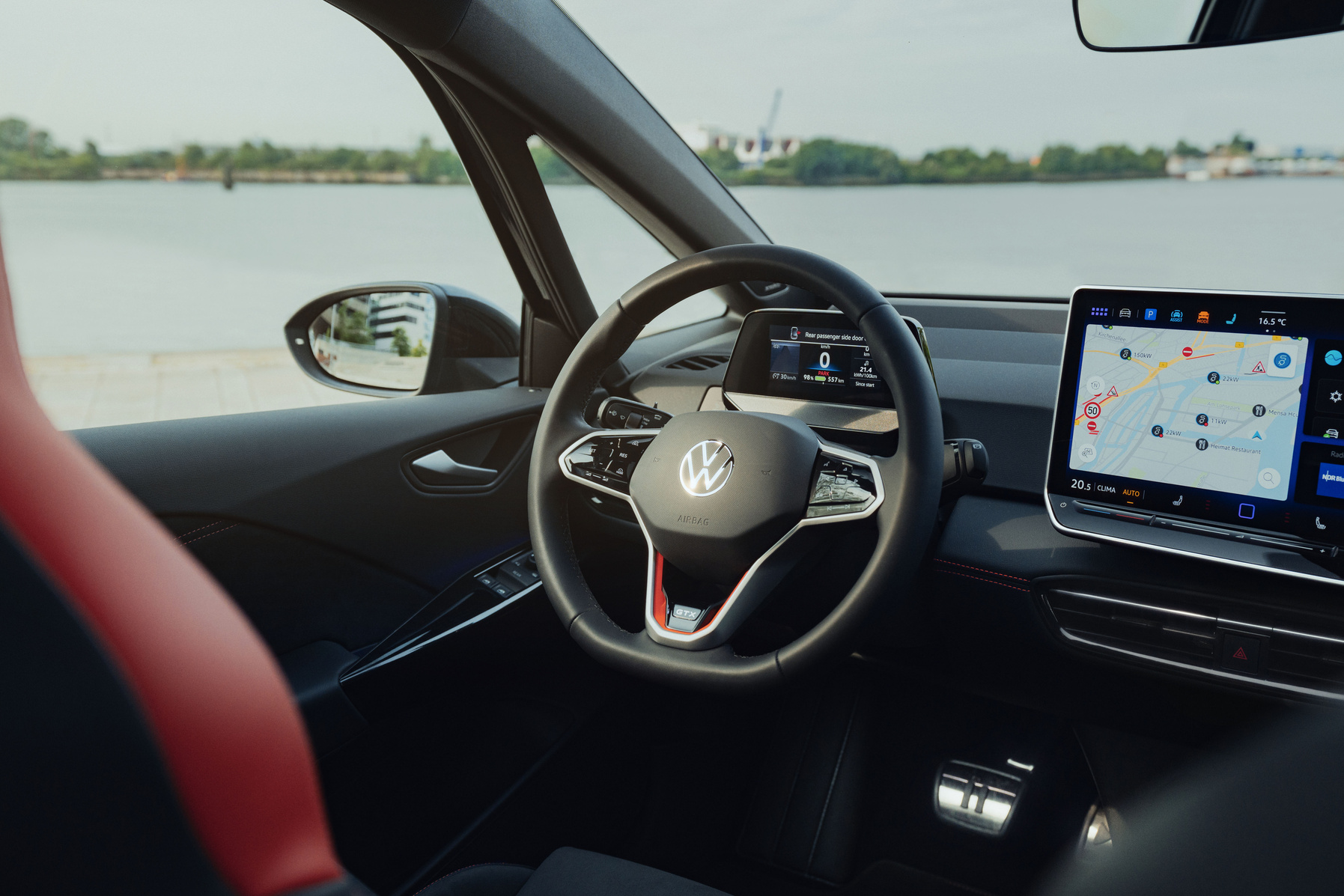
- Illogical interface: In addition to the technical bugs, many users found the menu structure and the operation via the ‘touch sliders’ for volume and temperature clumsy and sometimes even dangerous while driving.
Solutions and updates for software issues
Volkswagen acknowledged the software problems and has worked hard to resolve them. The main method for this was so-called Over-The-Air (OTA) updates. These allowed the car’s software to be updated remotely, similar to a smartphone. The first major updates (such as software versions 2.1, 2.3, and later 3.0) brought significant improvements in the system’s speed, stability, and functionality. Not all updates could be delivered over the air. For some major adjustments, a visit to the dealer was necessary, such as the replacement of the 12-volt battery which sometimes caused problems in early models.
Range and charging performance: the experienced reality
In addition to the software, there were also comments regarding range and charging. Although the official WLTP figures (Worldwide Harmonised Light Vehicle Test Procedure, the European test cycle for consumption and emissions) provided a reasonable picture, many drivers noticed that the actual range, especially in winter, was significantly lower. The reduction could be up to 30 per cent in cold weather. This is a known phenomenon with electric cars, but communication about it and the expectations of new EV drivers were not always aligned. There were also complaints about charging sessions that stopped unexpectedly or charging speeds that did not always reach the promised maximum, which was sometimes due to the charging station and sometimes to the car itself.
‘ A calm and anticipatory driving style has a significant impact on consumption. ’
Tips for optimising range and charging
To get the most out of the ID.3’s battery, drivers can apply several strategies:
- Preheating: Pre-heat or pre-cool the car before departure while it is still connected to the charging point. This brings the interior and battery to temperature without consuming range.
- Use ‘B’ mode: By setting the automatic transmission to ‘Brake’ mode, the car regenerates maximum energy when releasing the accelerator pedal.
- Adjust driving style: A calm and anticipatory driving style has a significant impact on consumption. Avoid harsh acceleration and maintain a constant speed.
- Tyre pressure: Regularly check tyre pressure. Under-inflation increases rolling resistance and thus energy consumption.
Interior and build quality: criticism of materials and finish
Another point of criticism was the interior quality. Volkswagen drivers, often coming from a Golf or Passat, were accustomed to soft, high-quality materials. The ID.3, however, made extensive use of hard, scratch-sensitive plastics. While the design was modern and minimalist, many felt the finish was cheaper than expected from the brand. This was a conscious choice by Volkswagen to reduce production costs and position the ID.3 competitively in the market, but it was not universally well-received.
Driving behaviour and chassis: the experience behind the wheel
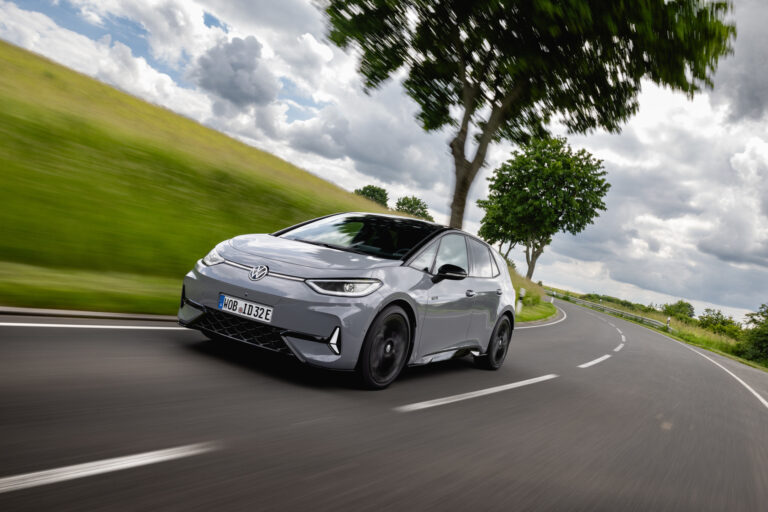
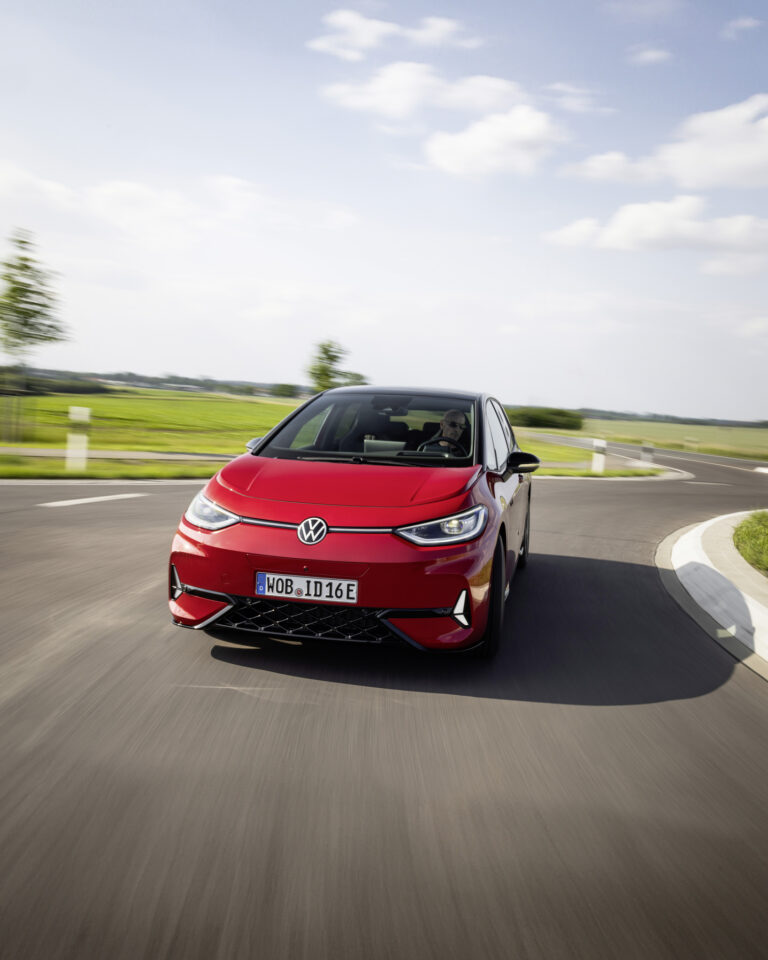
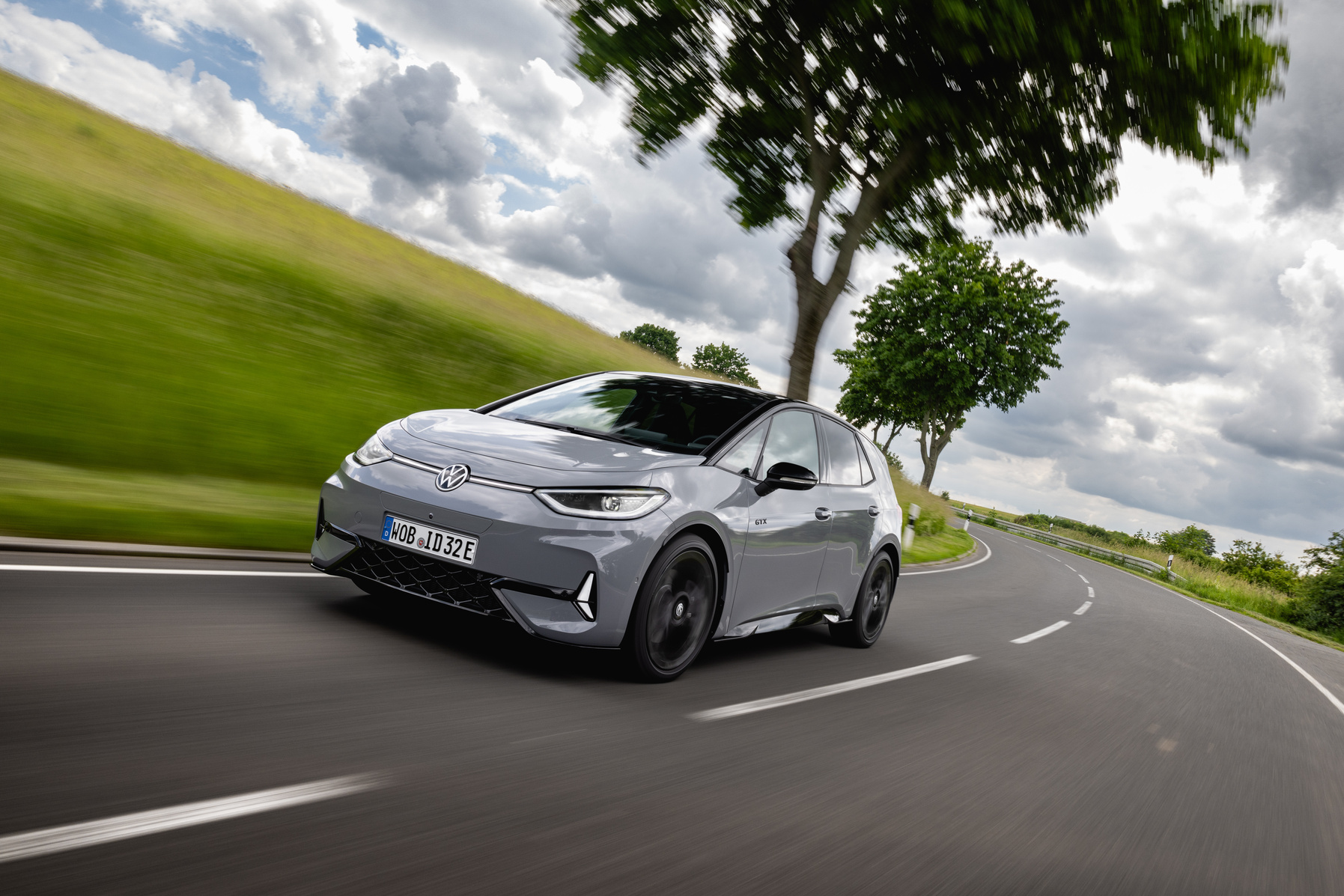
In terms of driving behaviour, the ID.3 scored predominantly positively from the outset. Thanks to its rear-wheel drive, low centre of gravity (due to the battery in the floor), and direct steering, the car feels agile and sporty. Its short turning circle also makes it very practical in the city. The chassis tuning was perceived by some as somewhat firm, particularly over short bumps. Overall, the driving comfort was good, but not as refined as with the brand’s traditional models.
‘ “Major, structural problems are rare.” ’
Battery and drivetrain related concerns
The electric drivetrain and battery pack of the ID.3 have proven to be reliable. Major, structural problems are rare. A known point of concern with early models was the 12-volt battery. This small battery, which powers the on-board systems before the high-voltage battery is activated, could sometimes discharge, preventing the car from starting. This problem was usually remedied under warranty with a software update or a new type of 12V battery.
Recalls and known service bulletins
Volkswagen has carried out several recalls and service actions for the ID.3. The most well-known were aimed at resolving software issues, requiring a dealer visit to update the base software to a higher level. There have also been actions to check certain cell modules in the battery pack and to improve bodywork sealing to prevent moisture ingress. Owners were usually informed directly by the dealer about these.
What to do in case of problems: advice for owners
For owners of an ID.3 who encounter problems, it is important to proceed systematically. Document the issues accurately, for example, by taking photos or videos of error messages. Then contact an official Volkswagen dealer. Many of the early problems are covered by the manufacturer’s warranty. It is also advisable to consult online forums and owner groups, where valuable information and experiences are often shared.
‘ The facelift introduced in 2023 addressed many of the criticisms. ’
The evolution of the ID.3: what has improved?
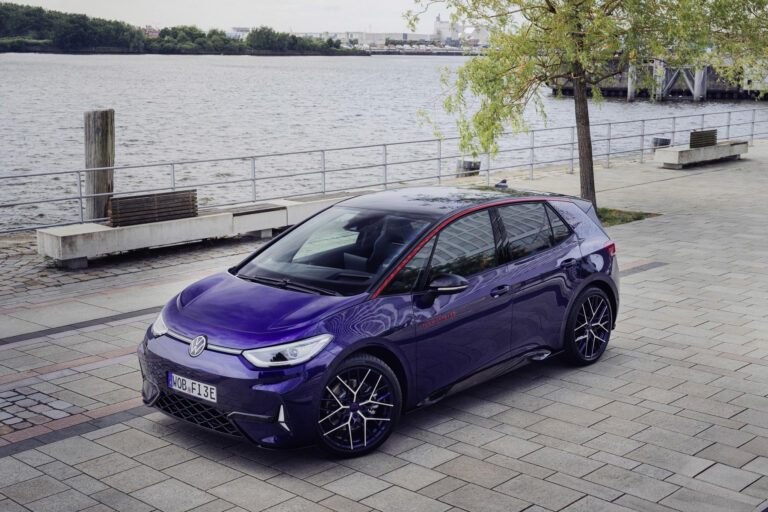
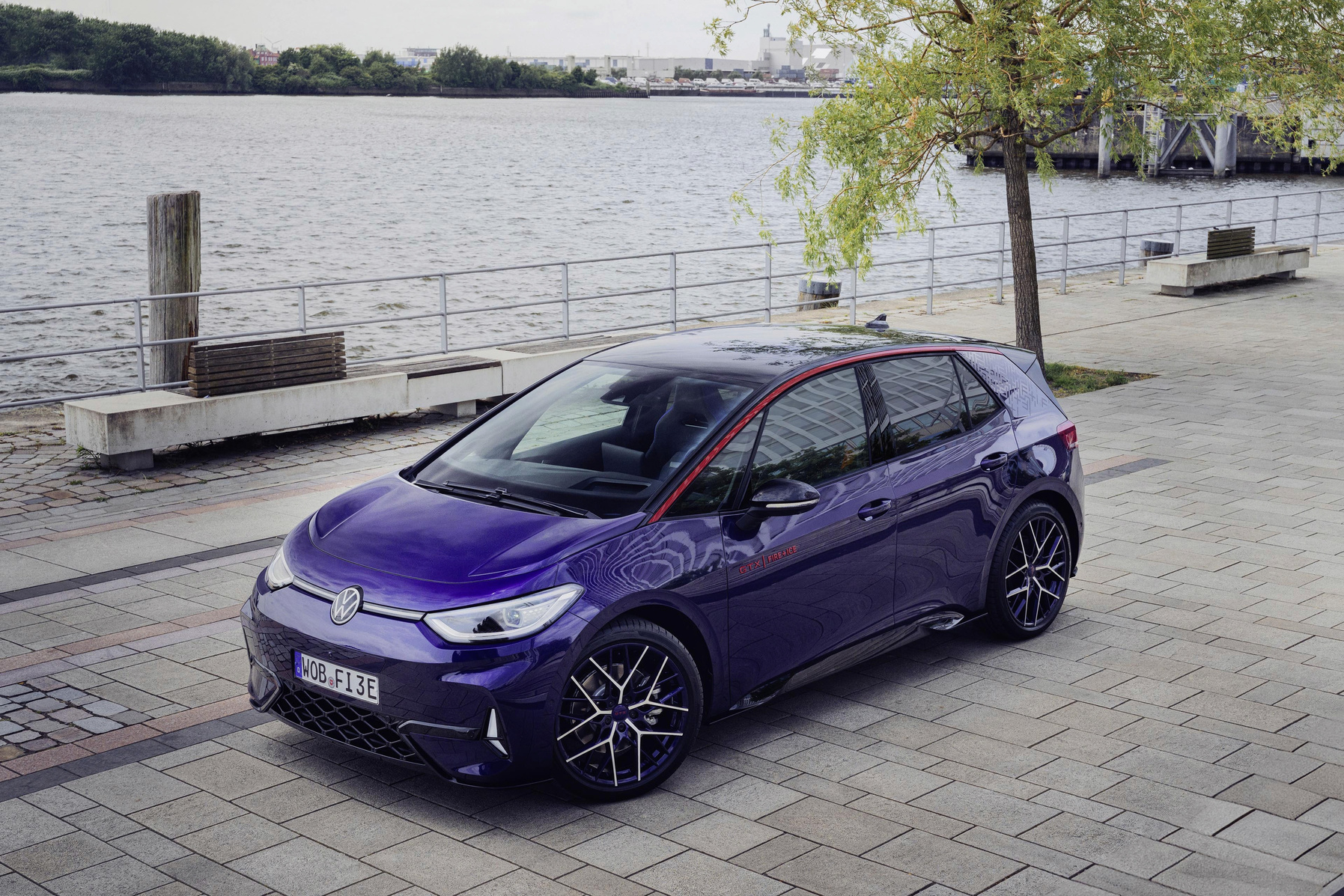
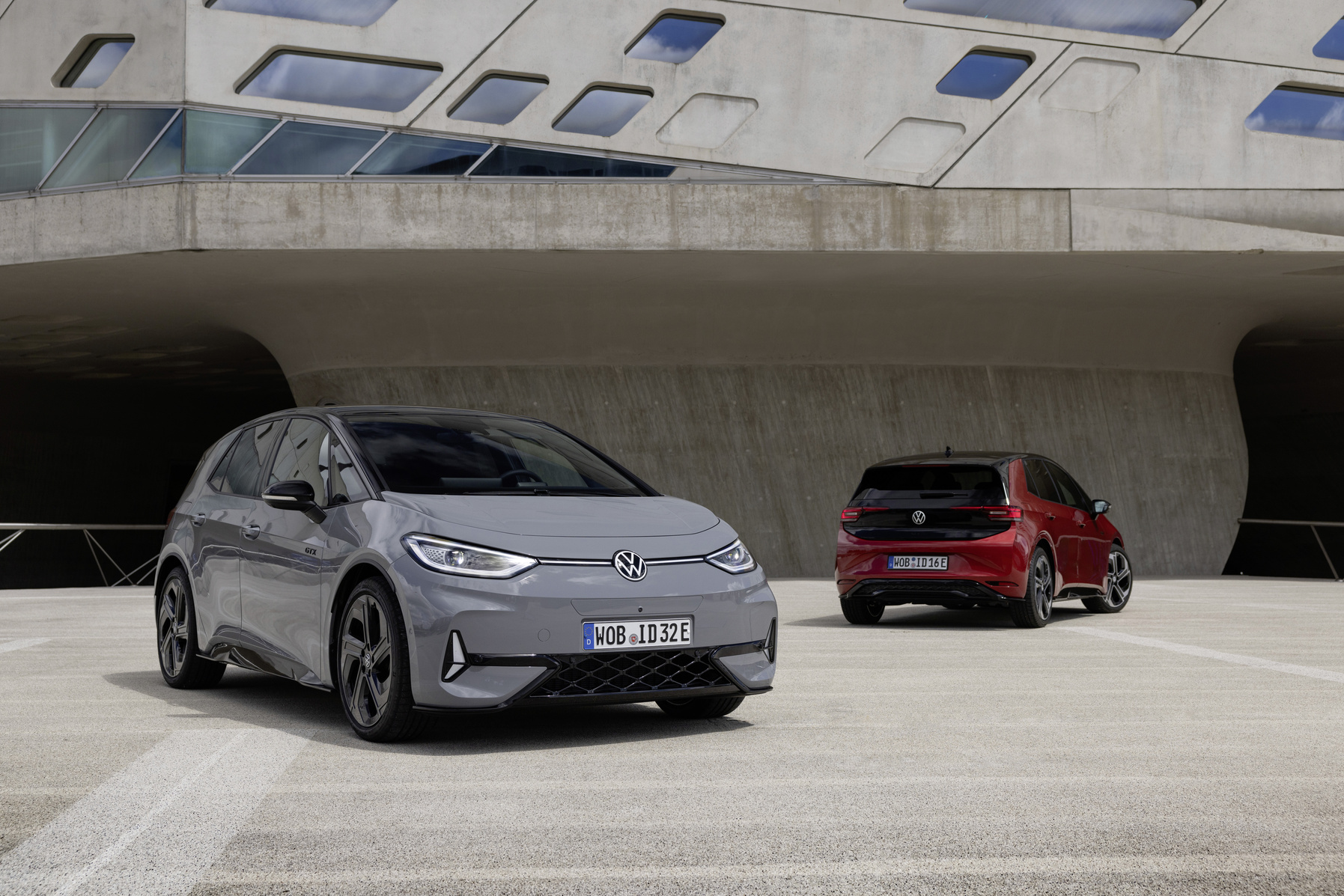
Today’s Volkswagen ID.3 is a significantly better car than the 2020 models. The facelift introduced in 2023 addressed many of the criticisms. The main improvements are:
- Improved software: Newer models run on more stable and faster software, with a more logical interface and better performance.
- Better interior: Volkswagen now uses more soft materials on the dashboard and door panels, which significantly enhances the perception of quality.
- Larger infotainment screen: The standard screen has grown, improving usability.
- More efficient drivetrain: Optimisations in software and hardware have led to slightly better efficiency and range.
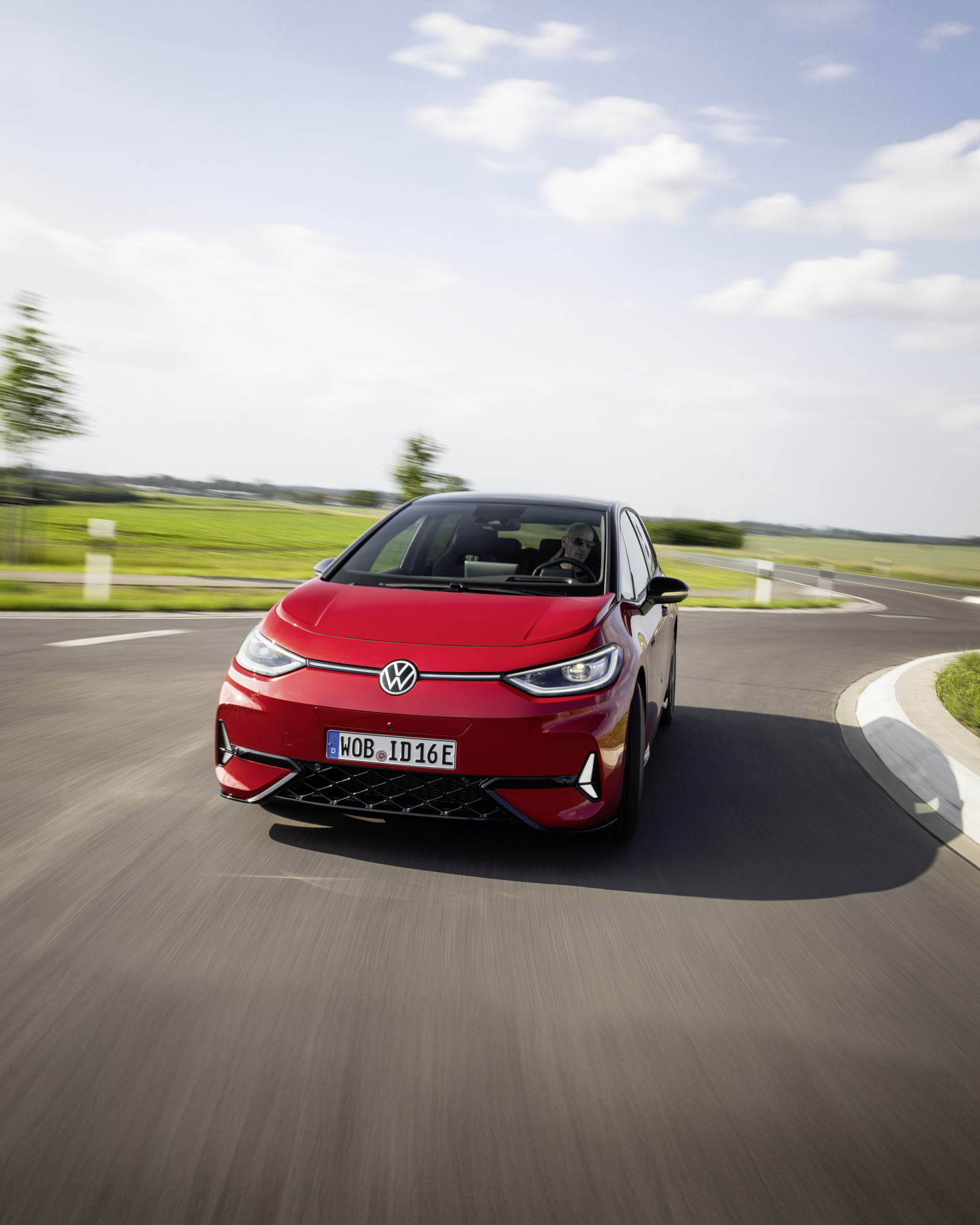
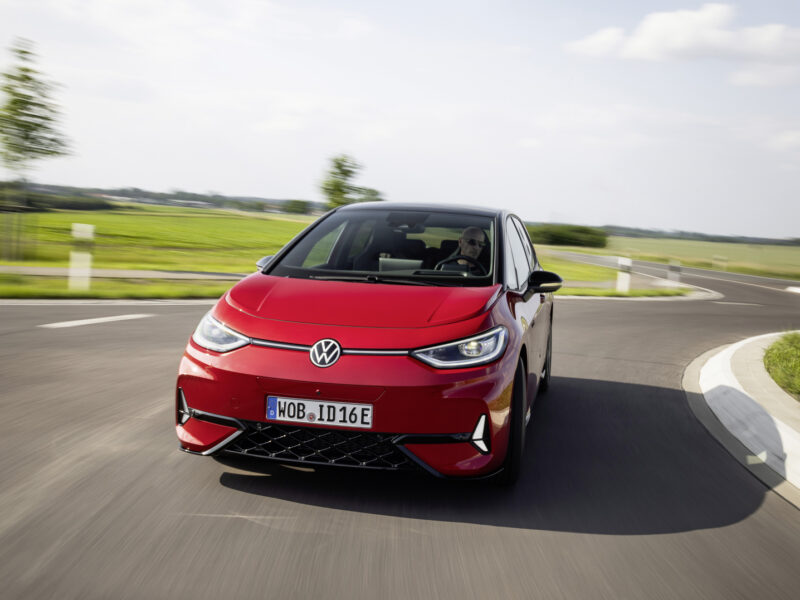
The Volkswagen ID.3 today and tomorrow
The Volkswagen ID.3 had a rocky start but has evolved into a mature and capable electric car. The early problems, mainly software-related, were a tough lesson for Volkswagen, but the brand has shown itself capable of substantially improving the product. A used ID.3 from the first production years can be an interesting purchase, provided all important software updates have been carried out. The newer, facelifted models offer a refined experience that much more closely approaches the original promise of an “electric car for everyone”. The ID.3 is no longer the problematic pioneer but an established asset in the increasingly crowded landscape of electric cars.