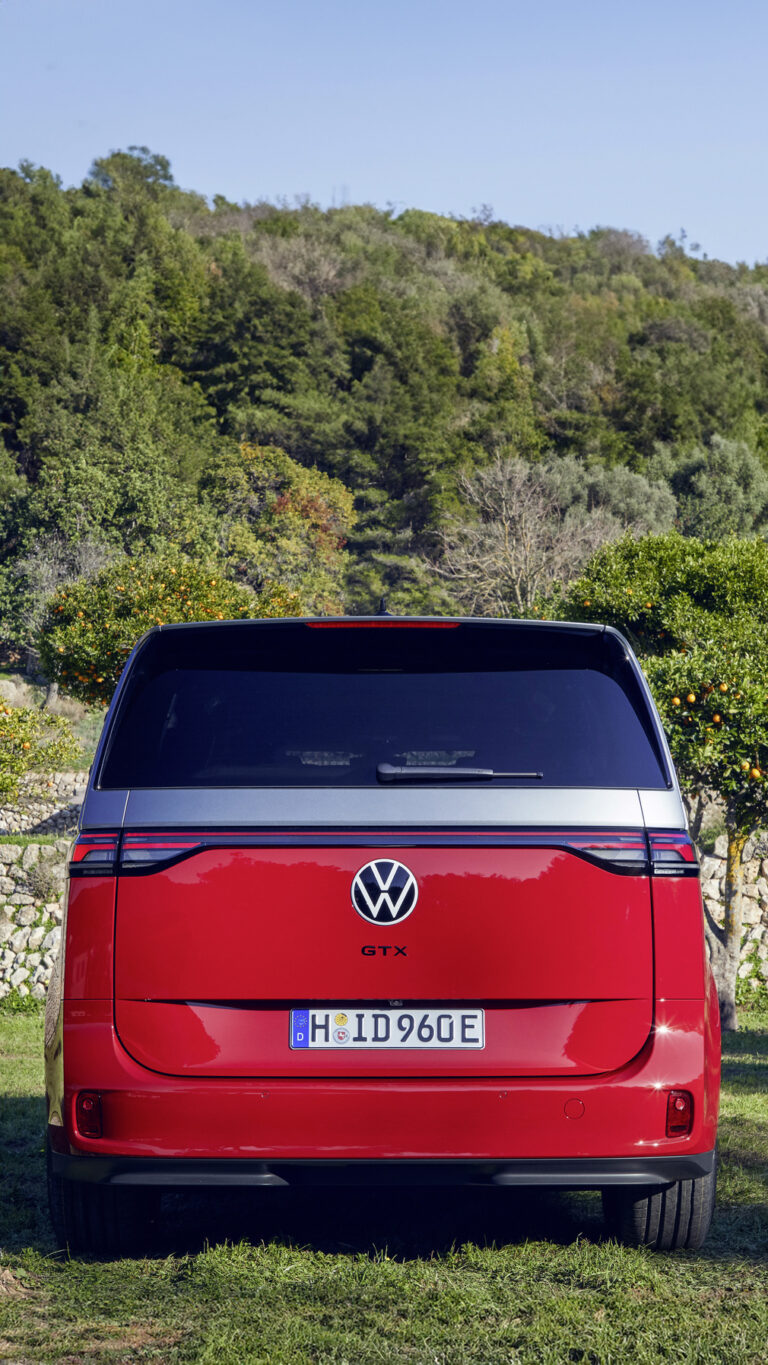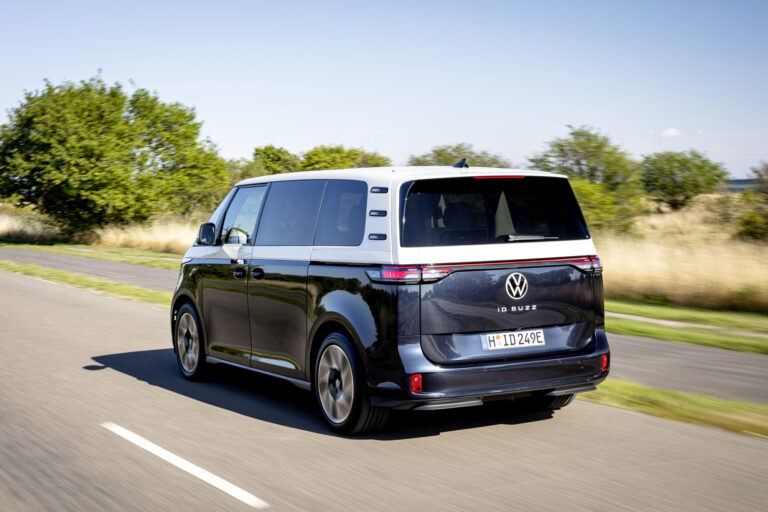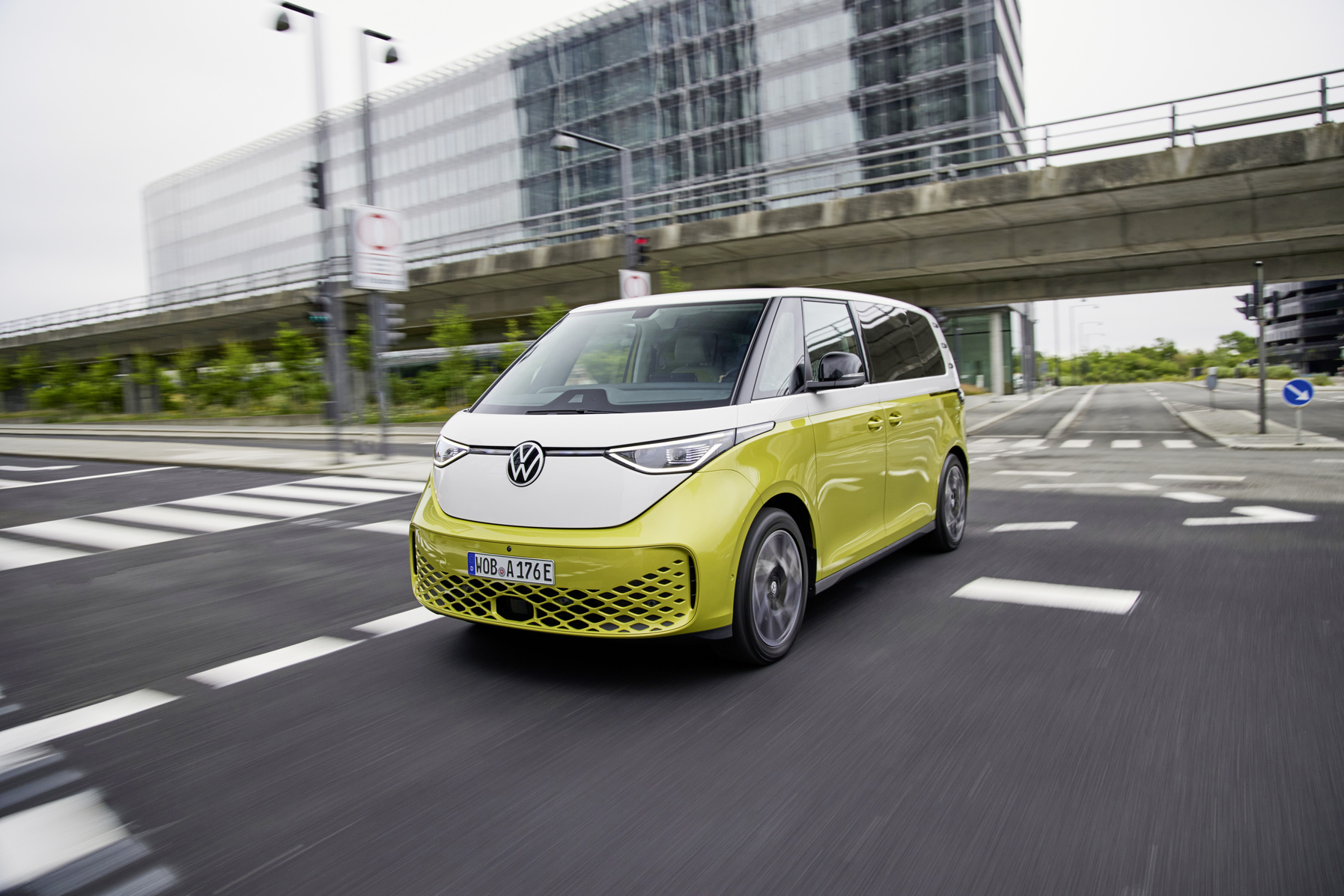
Volkswagen ID. Buzz: problems with this iconic bus
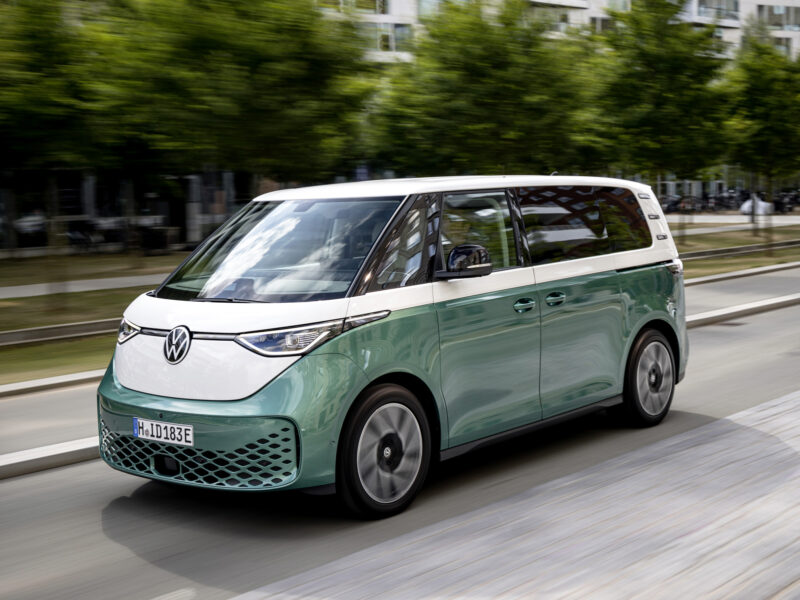
The Volkswagen ID. Buzz is undeniably a bullseye in terms of design and nostalgia, but behind its charming retro looks hides a complex electric platform that is not free from teething problems. Despite its popularity and the positive driving experience, ownership confronts drivers with specific challenges, mainly in the areas of software, battery management and fit and finish. This analysis puts its finger on the sore spots and offers a realistic picture of life with this electric eye-catcher.
The ID. Buzz represents a new generation of vehicles for Volkswagen, in which software and electronics form the core of the car. This technological leap forward brings extensive possibilities, but also creates a new landscape of potential vulnerabilities. Although many owners enjoy the unique driving experience, it is important to know that, just as with other models from the brand, specific problems with Volkswagens are emerging that require attention and sometimes cause frustration.
the technological basis of the ID. Buzz
The Volkswagen ID. Buzz is built on the modular MEB platform (Modularer E-Antriebs-Baukasten), which forms the backbone for the entire ID family. This platform is specifically designed for electric vehicles and integrates the battery into the floorpan, which ensures a low centre of gravity and optimal weight distribution. The architecture relies heavily on a central computer that controls everything: from the infotainment system and driver assistance systems (ADAS) to drivetrain management and charging cycles. This deep integration means that a small software error in one module has a domino effect on other, seemingly unrelated functions. The complexity lies in the continuous communication between dozens of sensors, actuators and control units, which requires a stable and error-free software environment.
‘ These complaints are not unique to the Buzz, but seem to be a characteristic of the first generation of MEB vehicles. ’
experiences with software and infotainment systems
The most talked-about point of concern with the ID. Buzz is without doubt the software. Early users and reviewers reported various problems with the infotainment system and the overall user interface. These complaints are not unique to the Buzz, but seem to be a characteristic of the first generation of MEB vehicles. Common irritations are:
- Slow response: the central touchscreen is sometimes slow to respond to touches, which is especially frustrating when operating essential functions such as climate control.
- Freezes and black screens: owners report that the system completely freezes or goes black while driving, making navigation and other functions unusable. Restarting the car is then often the only solution.
- Connectivity issues: the connection with Apple CarPlay or Android Auto is sometimes unstable, with the system suddenly dropping the connection. Volkswagen’s built-in online services also sometimes struggle with connection errors.
- Errors in driver assistance systems: owners have reported phantom warnings from the parking sensors or unjustified activation of the emergency brake assistant, often caused by software that has difficulty with complex traffic situations or weather conditions.
Volkswagen is trying to solve these problems via over-the-air (OTA) updates, but this process does not always run smoothly and does not resolve all issues for everyone.
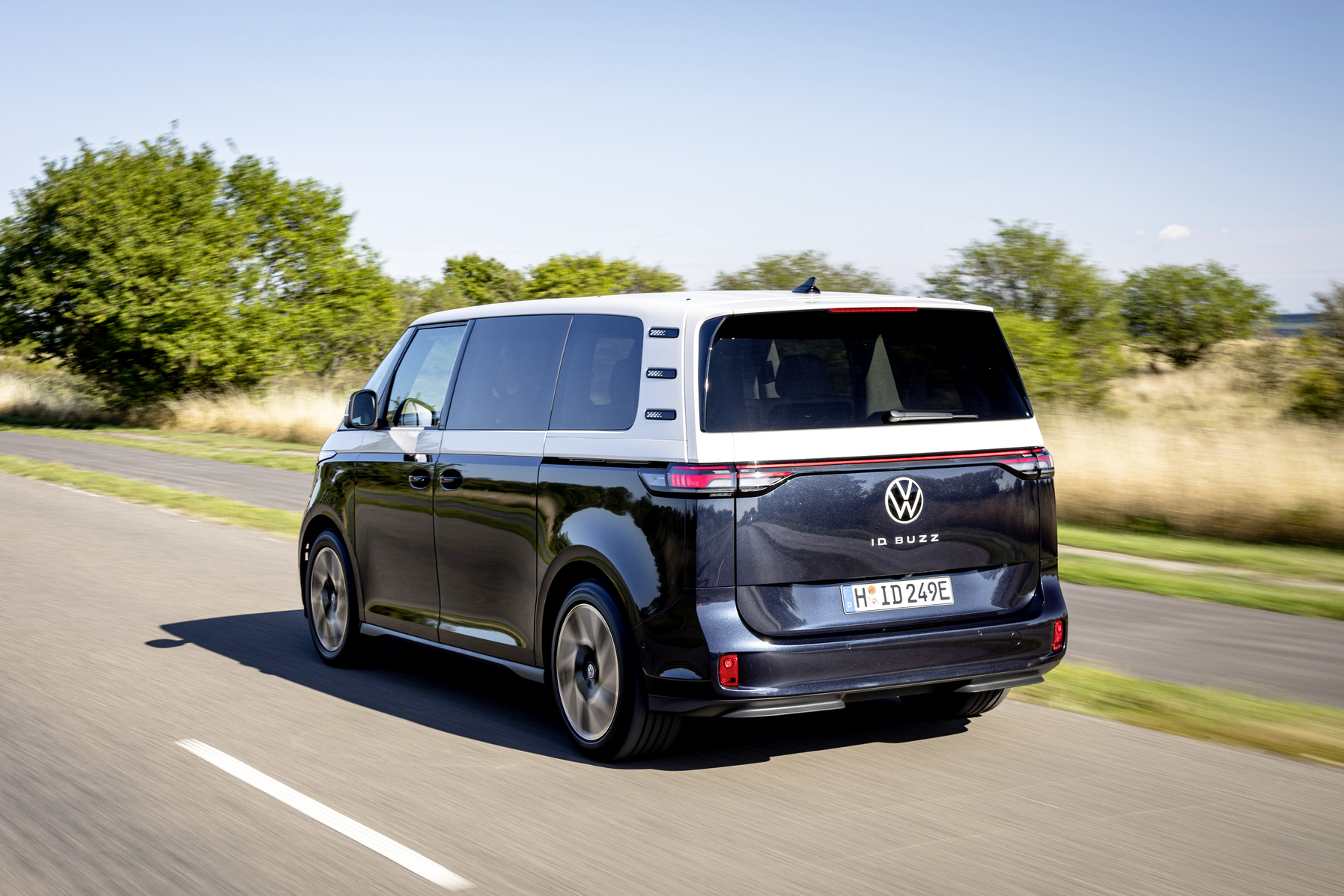
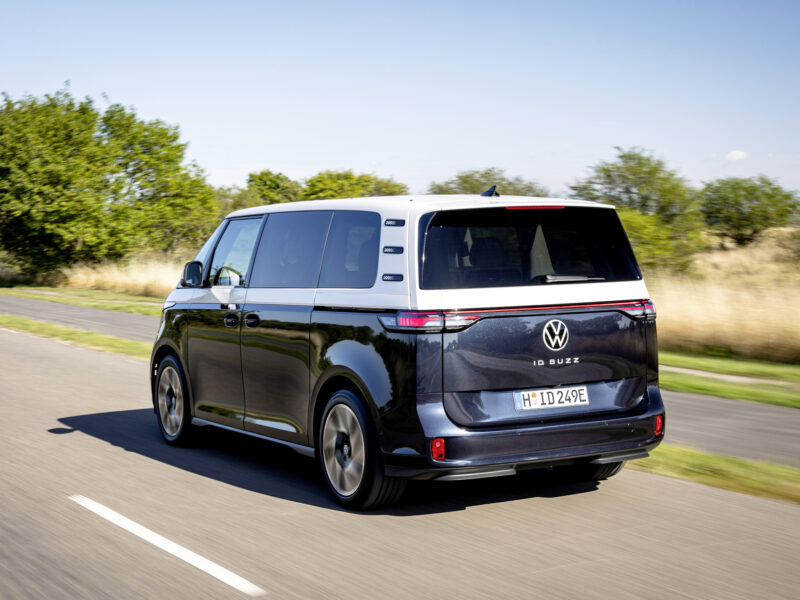
points to note regarding the battery and charging process
The performance of the battery and the charging process is crucial for the usability of an electric car. Although the ID. Buzz has respectable specifications on paper, reality can sometimes be more stubborn. The real-world range differs, as with most EVs, from the stated WLTP value. Especially at low temperatures the range decreases significantly. Users report a drop of 25–30% in the winter months, which requires careful planning of longer journeys. In addition, the charging speed is a point of attention. Although the ID. Buzz supports fast charging, the car does not always reach or maintain the maximum charging speed. This depends on the temperature of the battery, the condition of the charging station and the car’s software. An important missing feature in early models is the ability to manually preheat the battery before arriving at a rapid charger, which significantly improves charging speed. Volkswagen has promised to add this via a software update.
possible issues with build quality and finish
Given its premium price point, expectations for the build quality of the ID. Buzz are high. Overall the car is solidly built, but owners report small imperfections that detract from the overall experience. Some owners point to inconsistent panel gaps on the exterior, particularly around the large sliding doors and the tailgate. Owners sometimes hear creaks and rattles in the interior, coming from the plastic panels in the dashboard or the door cards. The choice of materials, although sustainable and animal-free, does not feel as high-grade to some as the price would suggest. These are often small details, but for critical buyers they make the difference.
‘ This problem appears to be software-related, with certain systems continuing to draw power unnecessarily when the car is parked. ’
mechanical and electrical components: common faults
Although an electric drivetrain has fewer moving parts than a combustion engine, it is not immune to problems. A recurring issue with various electric Volkswagens, including the ID. Buzz, concerns the 12-volt battery. This small battery is needed to start the high-voltage systems and sometimes drains inexplicably, preventing the car from starting. This problem appears to be software-related, with certain systems continuing to draw power unnecessarily when the car is parked. Other, less frequently reported faults relate to the heat pump, which is essential for efficient heating in winter, and occasional drivetrain error messages that require a visit to the dealer.
influence of external factors on performance
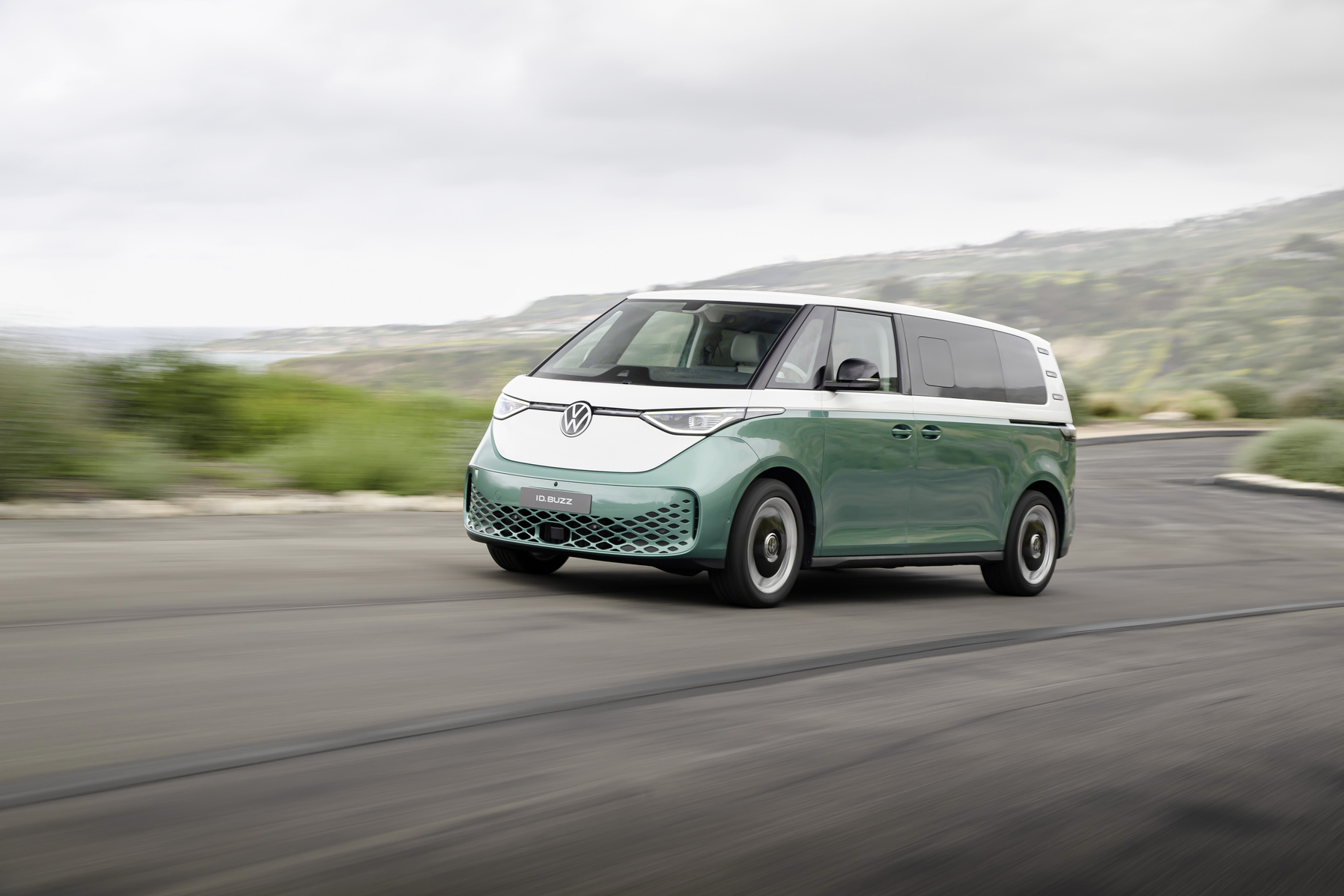
The performance and reliability of the ID. Buzz are strongly influenced by external conditions. Weather conditions are the most dominant factor. Cold has a double negative effect: the chemical processes in the battery slow down, reducing available capacity, while at the same time more energy is needed to keep the interior and the battery itself at temperature. Driving style also plays a crucial role. A calm, anticipatory driving style with maximum use of regenerative braking increases the range significantly. High speeds on the motorway, on the other hand, cause consumption to rise exponentially, making the range drop rapidly.
preventive measures and maintenance tips
As an owner you can take several steps to maximise the reliability of your ID. Buzz and prevent problems:
- Keep the software up to date: install OTA updates as soon as they are available. These updates often contain crucial bug fixes and improvements for battery management and the infotainment system.
- Manage battery health: for daily use, charge the battery to 80% and avoid parking the car for long periods with a completely full or completely empty battery. Use rapid chargers mainly for long journeys.
- Check tyre pressure: the ID. Buzz is a heavy vehicle. Correct tyre pressure is essential for safety, efficiency and even tyre wear.
- Be alert to warnings: do not ignore warning messages on the dashboard. If in doubt, consult the manual or contact the dealer to prevent more serious problems.
‘ A proactive dealer who takes the time to install software updates correctly and diagnose problems is extremely valuable. ’
warranty, service and recalls
Volkswagen offers an extensive warranty on the ID. Buzz, including a separate, longer warranty on the battery pack (typically 8 years or 160,000 km, with a guarantee on a minimum remaining capacity). For software problems and other defects, owners fall back on the standard factory warranty. It is important to know that Volkswagen actively carries out recalls if Volkswagen identifies safety-critical or structural problems. Volkswagen informs owners of these directly. For the many software-related complaints, dealer service is very important. A proactive dealer who takes the time to install software updates correctly and diagnose problems is extremely valuable.
conclusion and outlook for the ID. Buzz
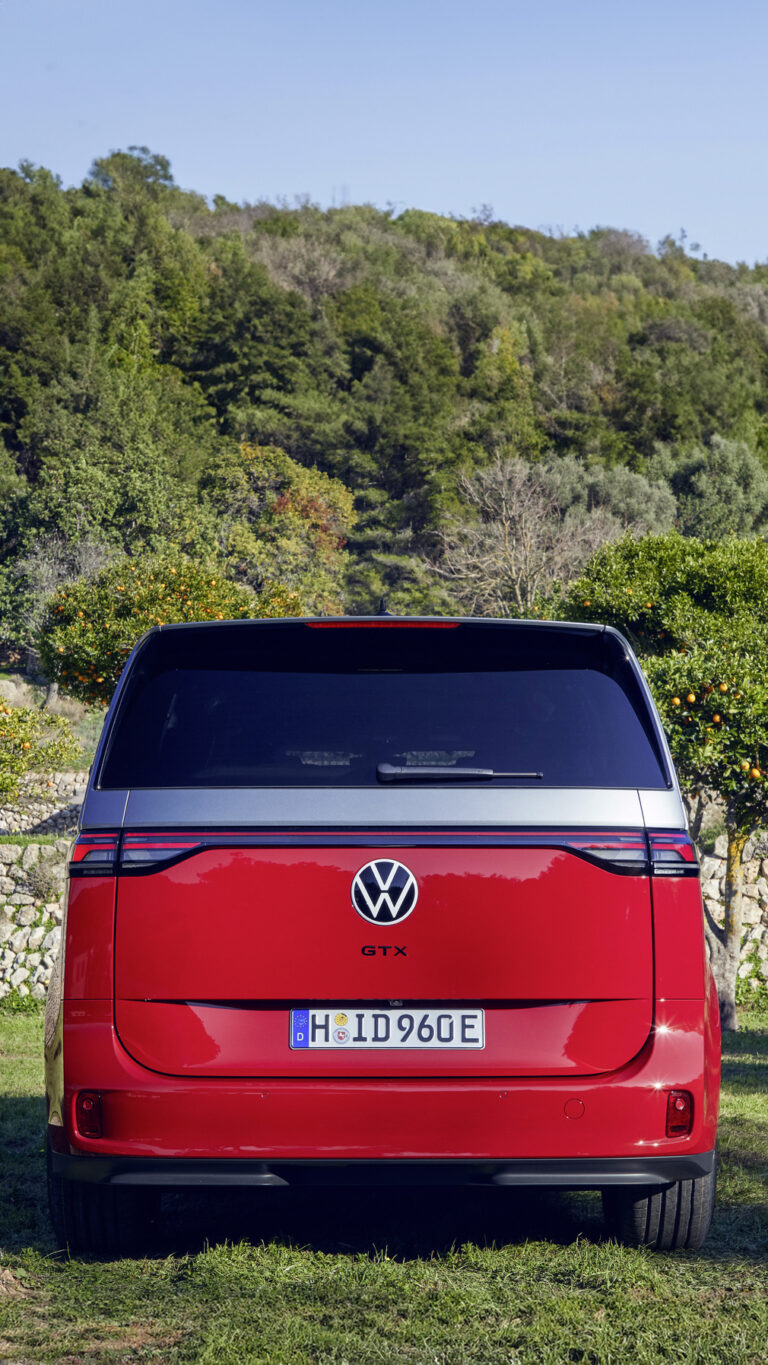
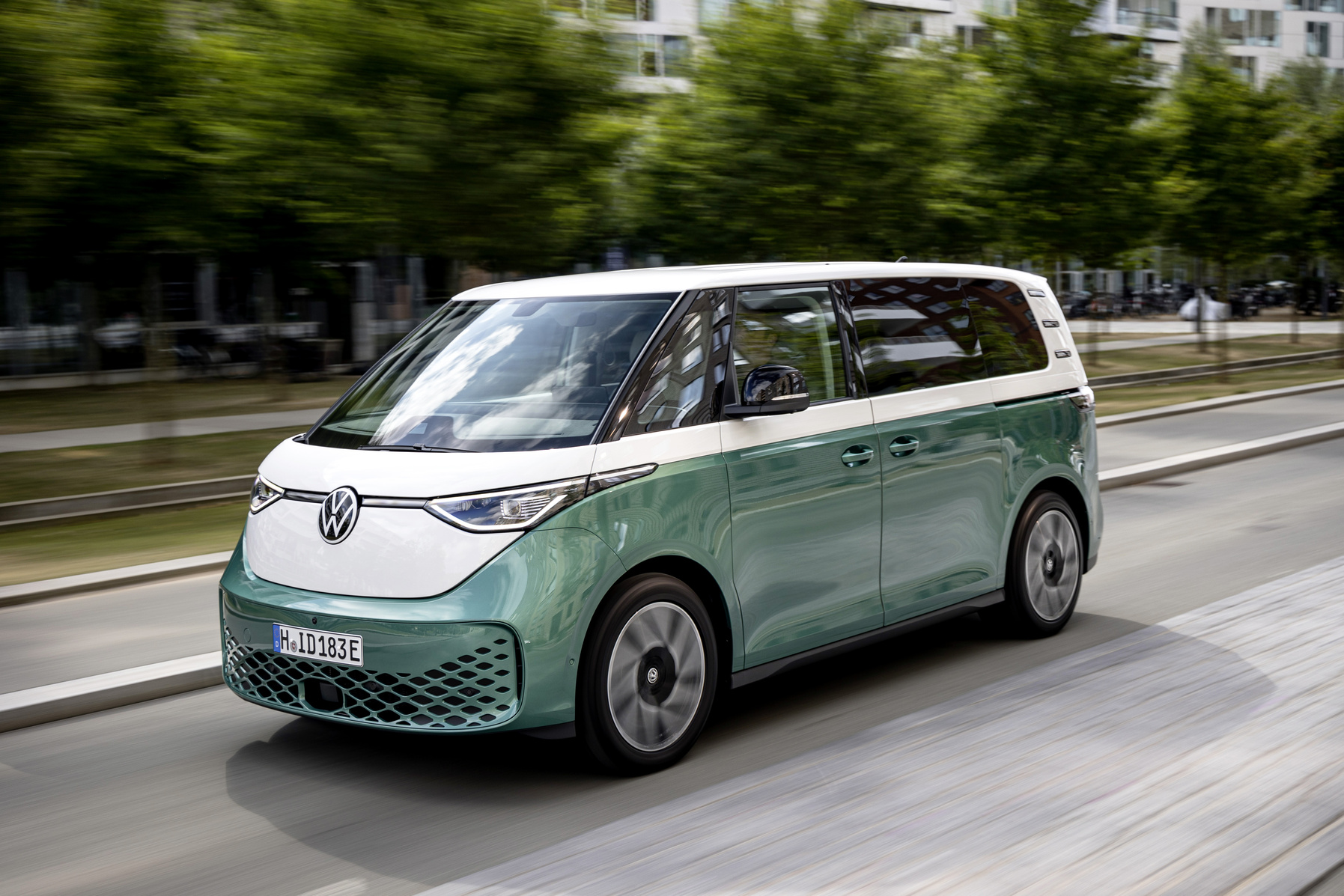
The Volkswagen ID. Buzz is a car you buy with your heart. Its design and practical usability make it unique in the world of electric cars. The move to a fully software-defined vehicle inevitably brings growing pains, which manifest themselves in frustrating software bugs and some inconsistencies in build quality. The technological basis is solid, but the implementation of the software left something to be desired in the early stages. The future looks promising. With every software update, the ID. Buzz becomes more mature and more stable. The arrival of new variants, such as the long wheelbase version and the sporty GTX, and the promise of functions such as battery preheating, show that Volkswagen is committed to the continued development of this iconic model. For potential buyers, it is a trade-off between accepting the current imperfections and the great enjoyment and image that the ID. Buzz offers.