Volkswagen Multivan: Common Issues
The Volkswagen Multivan is an exceptionally versatile and beloved MPV, but its reliability is highly dependent on expert and consistent maintenance to manage some persistent technical weaknesses. The combination of space, comfort, and functionality makes it a favourite for large families and business users. However, potential owners should be aware of specific problems that occur across different generations. Read on to discover what these issues are and how to prevent costly repairs.
Why the Multivan is so popular
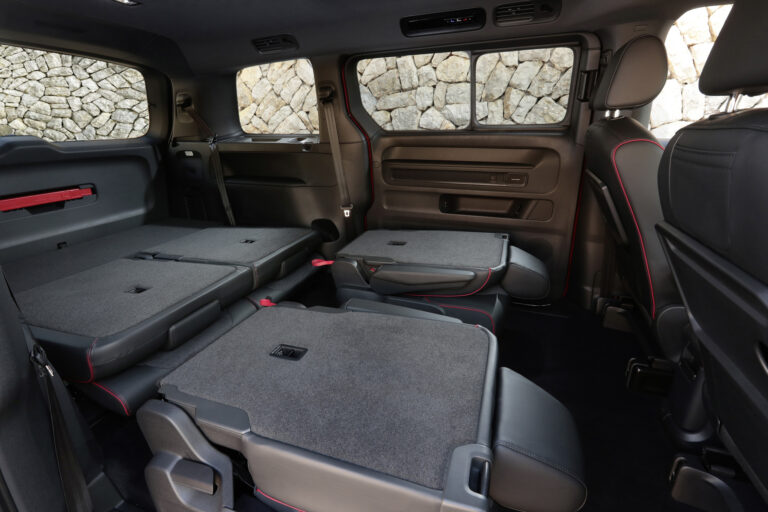
The appeal of the Volkswagen Multivan lies in its unique ability to combine the functionality of a van with the comfort and refinement of a passenger car. Its modular interior, with sliding and removable seats, offers unparalleled flexibility. Whether you need to transport seven adults with luggage, move large objects, or require a mobile office, the Multivan adapts effortlessly. Generations such as the T4, T5, and T6 have built a loyal following thanks to their practical usability, good driving characteristics, and the status the model radiates. This combination makes it the ideal all-rounder for many.
‘ the vehicle’s heavy weight and often intensive use lead to accelerated wear and specific defects that require attention. ’
Common Problem Areas of the Multivan
Despite its popularity, the Multivan, like many other models from the brand, has several known issues with Volkswagen. These problems are often related to specific components used across multiple model generations. The most common complaints revolve around the engine, the transmission (especially the DSG automatic), the electronics, and the chassis. Due to the vehicle’s heavy weight and often intensive use, certain parts are subjected to greater stress than in a standard passenger car, leading to accelerated wear and specific defects that require attention.
Engine Problems and Prevention
The Multivan’s engines, particularly the TDI diesel engines, are known for several vulnerabilities. Problems with the EGR valve (exhaust gas recirculation) and the diesel particulate filter (DPF) are common, often due to short journeys where the engine does not reach optimal operating temperature. This leads to blockages, power loss, and fault messages. With TSI petrol engines, stretching timing chains and increased oil consumption are known issues in earlier generations. The turbocharger, especially in the more powerful Bi-TDI engines, is also a weak point. Preventive maintenance is crucial here: use the correct specification engine oil, allow the engine to warm up and cool down gently, and ensure regular long drives to regenerate the particulate filter.
Transmission Problems (Manual and DSG)
Both the manual gearboxes and the DSG automatics in the Multivan have their specific points of attention. With the manual gearbox, the dual-mass flywheel is a known wear item. A rattling noise at idle speed or vibrations when engaging the clutch indicate an impending defect. The DSG automatic, a dual-clutch automatic gearbox, is susceptible to mechatronics failures, which is the gearbox’s control unit. Symptoms include jerky shifting, loss of drive, or a flashing gear indicator on the dashboard. Regular oil changes for the DSG gearbox, according to the manufacturer’s specifications, are crucial for a longer lifespan.
‘ Problems with the electric sliding doors are common; wiring breaks or sensors become defective. ’
Electrical Faults and Electronic Systems
A modern Multivan is packed with electronics, which unfortunately also brings an increased risk of malfunctions. Problems with the electric sliding doors are common; wiring breaks or sensors become defective. The infotainment system is also not always without flaws, with complaints about freezes or failing functions. Furthermore, various sensors, such as parking sensors or engine management sensors, cause unexpected malfunctions and fault messages. Therefore, a thorough check of all electrical functions is recommended when purchasing a used vehicle.
Chassis, Steering and Brakes
The Multivan’s heavy weight places high demands on the chassis, steering, and brakes. Wear on control arm bushes, ball joints, and shock absorbers occurs faster than in lighter cars. This manifests as ‘wandering’ steering behaviour or a clunking noise when driving over speed bumps. The heavy weight also puts significant stress on the brakes, resulting in faster wear of brake pads and discs. Carefully check these components for play and excessive wear. A well-maintained chassis is not just a matter of comfort but also of safety.
Bodywork, Interior, and Rust Susceptibility
Although later generations have better rust prevention, older models (especially the T4 and early T5) remain susceptible to rust formation. Typical areas to check are the wheel arches, sills, and around the windscreen. The interior is designed for intensive use, but plastic parts show scratches and upholstery wears, especially in cars used as family or business vehicles. Also, check the operation of all interior functions, such as seat adjustment and air conditioning in all zones.
‘ Regularly check tyre pressure; this reduces wear on the chassis. ’
Tips for Preventive Maintenance
Good and timely maintenance prevents many of the aforementioned problems or significantly extends the lifespan of components. Here are some practical tips:
- Change the engine oil strictly according to the prescribed intervals and use oil with the correct VW specification.
- Have the DSG automatic gearbox oil changed every 60,000 kilometres.
- Regularly drive longer distances on the motorway to allow the particulate filter to fully regenerate.
- Let the engine idle for a moment after a strenuous drive to allow the turbocharger to cool down.
- Regularly check tyre pressure; this reduces wear on the chassis.
Points of Attention when Buying a Used Multivan
Considering purchasing a used Volkswagen Multivan? Then use a checklist to identify the most common problems. Check the complete maintenance history, with special attention to oil changes for the engine and the DSG gearbox. Take an extensive test drive and pay attention to the automatic transmission’s shifting behaviour. Test all electrical systems, including the sliding doors and the infotainment system. Listen for unusual noises from the chassis and engine. A pre-purchase inspection by an independent specialist is a wise investment to uncover hidden defects.
Cost Estimation and Repair Options
The costs for Multivan repairs are considerable. Replacing a dual-mass flywheel, overhauling a DSG mechatronics unit, or replacing a turbocharger are costly interventions. Keep this in mind when budgeting. Some repairs can be performed by a skilled DIY enthusiast, but many complex electronic and mechanical problems require specialist knowledge and diagnostic equipment. For complex faults, it is often wiser to consult a garage with experience in Volkswagen models.
‘ An example with an unclear history or neglected maintenance, however, becomes a source of unexpectedly high costs. ’
The Volkswagen Multivan: A Good Choice?
The Volkswagen Multivan remains an excellent choice for those seeking maximum space and versatility. Its practical features are hard to match. Reliability is merely a point of attention. A Multivan that has been carefully and regularly maintained will be a faithful companion. An example with an unclear history or neglected maintenance, however, becomes a source of unexpectedly high costs. A well-informed buyer who is willing to invest in preventive maintenance will enjoy this functional icon the most.