Volkswagen T-Roc: The Most Common Problems and Key Considerations
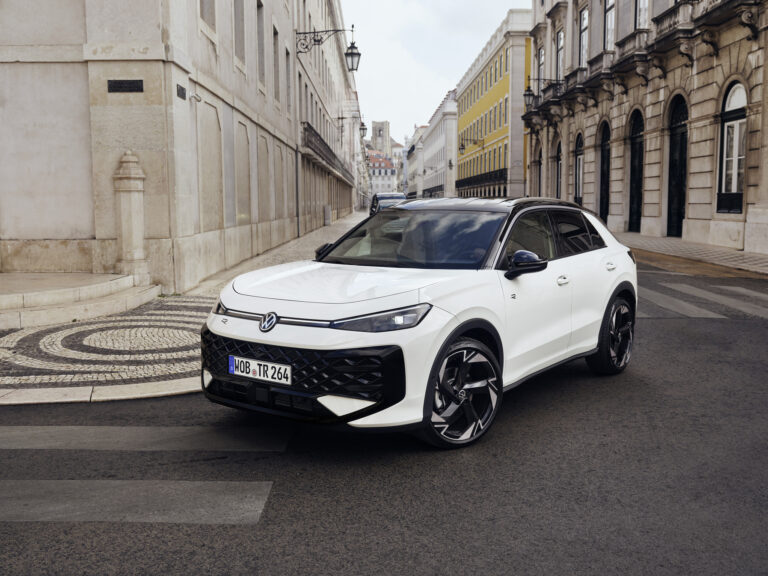
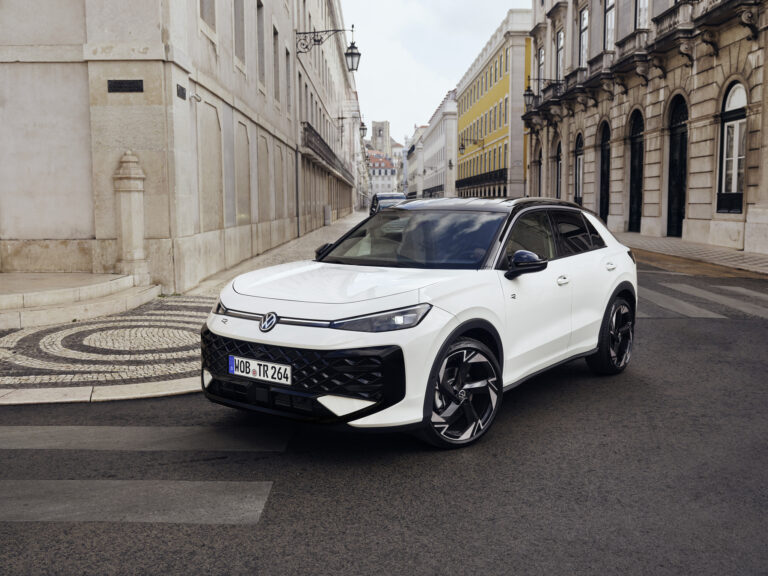
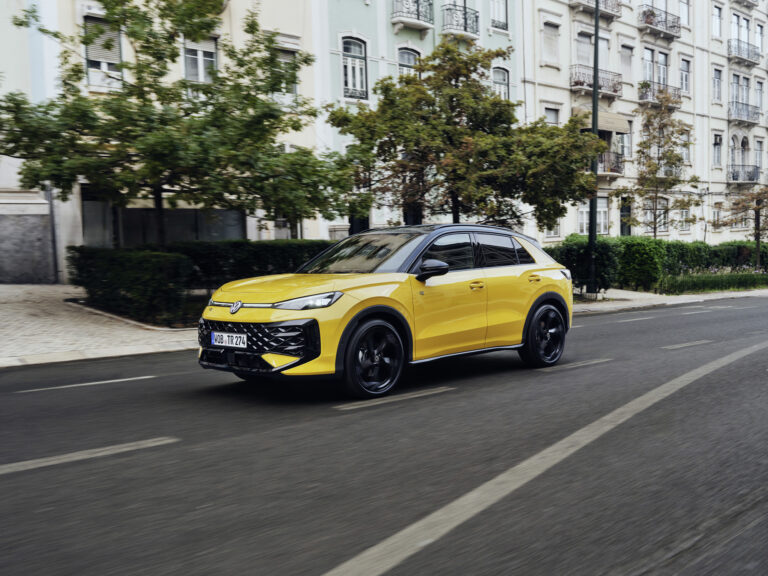
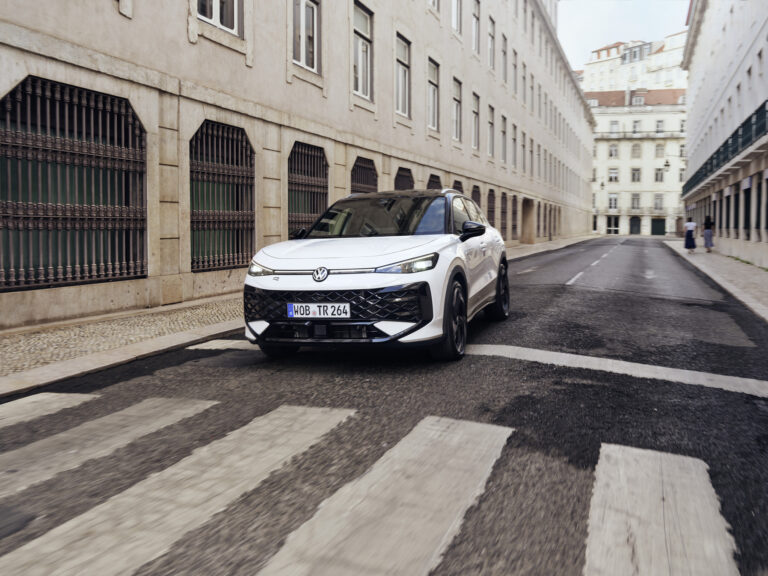
The Volkswagen T-Roc is undeniably one of the most popular compact SUVs on the market, valued for its stylish design, pleasant driving characteristics, and practical usability. However, this success story is not without its caveats; like any car, specific issues and problems can surface over time. A thorough understanding of the Volkswagen T-Roc and its potential weak points is essential for both current owners and potential buyers. This article offers a comprehensive overview of the most common problems, from the engine and transmission to electronics and the chassis. Read on and discover what to look out for to enjoy your T-Roc without worries.
General reliability and reputation of the T-Roc
The T-Roc shares its technical basis, the MQB platform, with numerous other successful models from the Volkswagen Group, such as the Golf and the Audi A3. This means that many of the parts and technologies used are tried and tested. Overall, most people consider the T-Roc to be a reasonably reliable car. Nevertheless, this shared technology also means that certain problems with Volkswagens tend to surface more often across different models, and the T-Roc is no exception. Owner experiences and breakdown service data paint a mixed picture, with early production years in particular sometimes suffering from teething problems with electronics and the drivetrain.
‘ Both the petrol and diesel variants have their own specific weaknesses. ’
Engine problems and key considerations
The drivetrain is the heart of the car, and with the T-Roc, there are also some points of attention to mention, depending on the engine. Both the petrol and diesel variants have their own specific weaknesses. It is therefore wise to examine what you, as an owner, should pay attention to for each engine type.
TSI Petrol Engines (1.0 TSI, 1.5 TSI)
TSI engines are known for their efficiency and smoothness, but also have some common ailments. Specifically, the 1.5 TSI engine from the first production years (2018-2019) suffered from the so-called ‘kangaroo effect’: jerky and stuttering behaviour when driving off with a cold engine. The dealer remedied this problem in most cases with a software update. In addition, it is essential to keep a close eye on the oil level. Some TSI engines can show higher oil consumption than average. Regular checks and the use of the oil specification prescribed by Volkswagen are very important to prevent long-term engine damage. Internal contamination of the intake valves due to carbon deposits is another phenomenon that can occur in direct injection petrol engines over time, which can lead to reduced performance.
TDI Diesel Engines
For diesel drivers, problems are often related to the exhaust system. The EGR valve, which recirculates exhaust gases to the engine to reduce emissions, can become contaminated and stick over time. This results in engine malfunctions and reduced power. Another common problem, especially in cars that frequently drive short distances, is the saturation of the diesel particulate filter (DPF). The regeneration process, where the car cleans the filter by burning off soot, then does not start properly, leading to warning lights on the dashboard and ultimately expensive repairs.
Transmission problems (DSG and manual)
The gearbox is a complex component where, especially with the automatic version of the T-Roc, problems can arise. The difference in reliability between the DSG automatic and the manual version is significant. Below, we discuss both variants in detail.
DSG Automatic Gearbox
Most T-Roc models with an automatic gearbox are equipped with the 7-speed DSG with a dry clutch (DQ200). This transmission is known for its fast shifting behaviour but is also prone to malfunctions. Common complaints include vibrations or a jerky feeling when pulling away and shifting at low speeds. This often indicates wear of the clutches. A more serious problem is a defect in the mechatronics, the electronic brain of the gearbox. This can lead to complete transmission failure. Having the gearbox oil changed in good time (if applicable to your DSG type) and a smooth driving style can significantly extend its lifespan.
Manual Gearbox
The manual gearboxes in the T-Roc are generally very robust and reliable. Problems are rare, but at higher mileages, wear can occur on the clutch plates or the dual-mass flywheel. This then manifests as a slipping clutch or a rattling sound when idling. Generally, the manual version requires little maintenance.
Electronics and infotainment system malfunctions
Modern cars are packed with electronics, which is often a source of frustration. The T-Roc is no exception. The infotainment system can sometimes freeze, react slowly, or spontaneously restart. The connection with Apple CarPlay or Android Auto is also not always stable. In addition, the various assistance systems, such as the parking sensors or Front Assist, can sometimes give unjustified warnings or temporarily fail. The dealer can often resolve these software ‘bugs’ with an update during a service.
‘ The brakes are generally solid. ’
Chassis, suspension and braking system related issues
The T-Roc’s chassis is designed for a good balance between comfort and dynamics, but certain components are prone to wear. Particularly with models with larger wheel sizes, noises from the suspension, such as creaking or rattling when driving over speed bumps, can occur over time. This may indicate worn wishbone bushes or anti-roll bar links. The brakes are generally solid. Therefore, check the condition of the brake discs and pads regularly, as with any car.
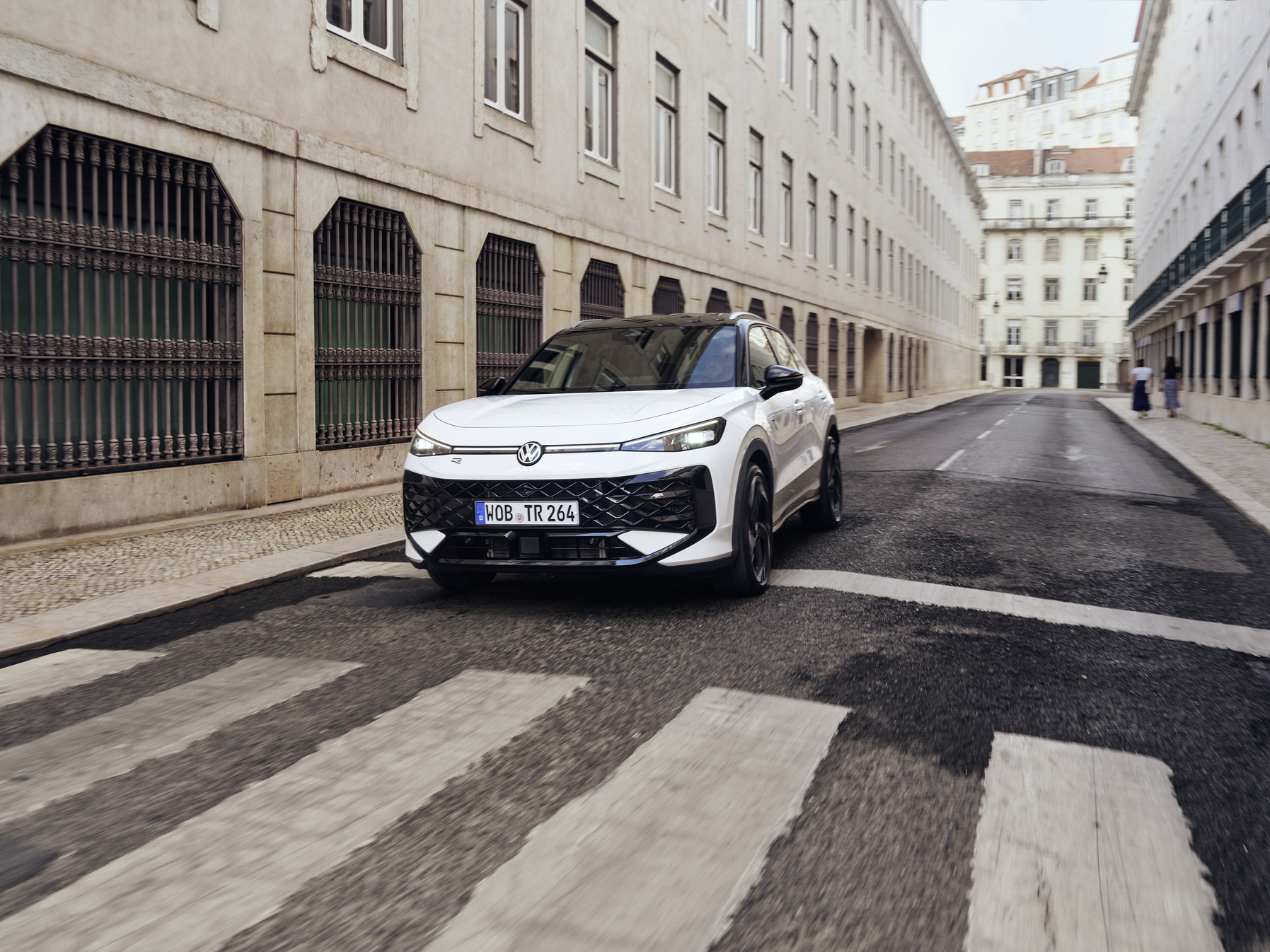
Interior and exterior: Minor annoyances and finish
Although the finish of the T-Roc interior appears neat at first glance, many owners report rattles and creaks, particularly from the dashboard and door panels. This is often caused by the hard plastics, as these have been used in many places. For models with a panoramic sunroof, it is necessary to regularly clean the water drainage channels. If these become clogged, water can leak into the interior, potentially damaging the electronics. As for the exterior, the paintwork is generally of good quality, although the front bumper and bonnet are susceptible to stone chips.
Preventative maintenance and tips for T-Roc owners
Careful and preventative maintenance can prevent many problems. By acting proactively as an owner, you not only avoid expensive repairs but also significantly extend the lifespan of your car. Below are some practical tips you can apply immediately.
- Adhere to the maintenance schedule: Have the car serviced on time and according to the manufacturer’s regulations.
- Use the correct oil: Especially for TSI engines, using the correct, high-quality engine oil is vital.
- Drive mindfully: Avoid excessive short journeys to keep the diesel particulate filter (for diesels) and the engine healthy. Adopt a smooth driving style, especially with a cold engine, to preserve the DSG gearbox.
- Check for software updates: During a dealer visit, ask if any software updates are available for the engine management or infotainment system.
- Clean drainage channels: If you have a panoramic roof, clean the drainage channels at least once a year to prevent leaks.
‘ A correct diagnosis with professional equipment is often necessary to correctly identify the problem and avoid unnecessary costs. ’
Diagnosis and repair: When to call in a professional?
Not every problem can be solved yourself. Immediately contact a specialist or an authorised dealer if you experience the complaints listed below. Timely action can prevent worse problems and ultimately save you money.
- Persistent or flashing warning lights on the dashboard (engine malfunction, transmission malfunction).
- Clearly noticeable jerky or unpredictable behaviour from the DSG automatic gearbox.
- Unusual noises from the engine bay or the chassis/suspension.
- Persistent and complex electronic malfunctions that do not disappear after restarting the car.
A correct diagnosis with professional equipment is often necessary to correctly identify the problem and avoid unnecessary costs.
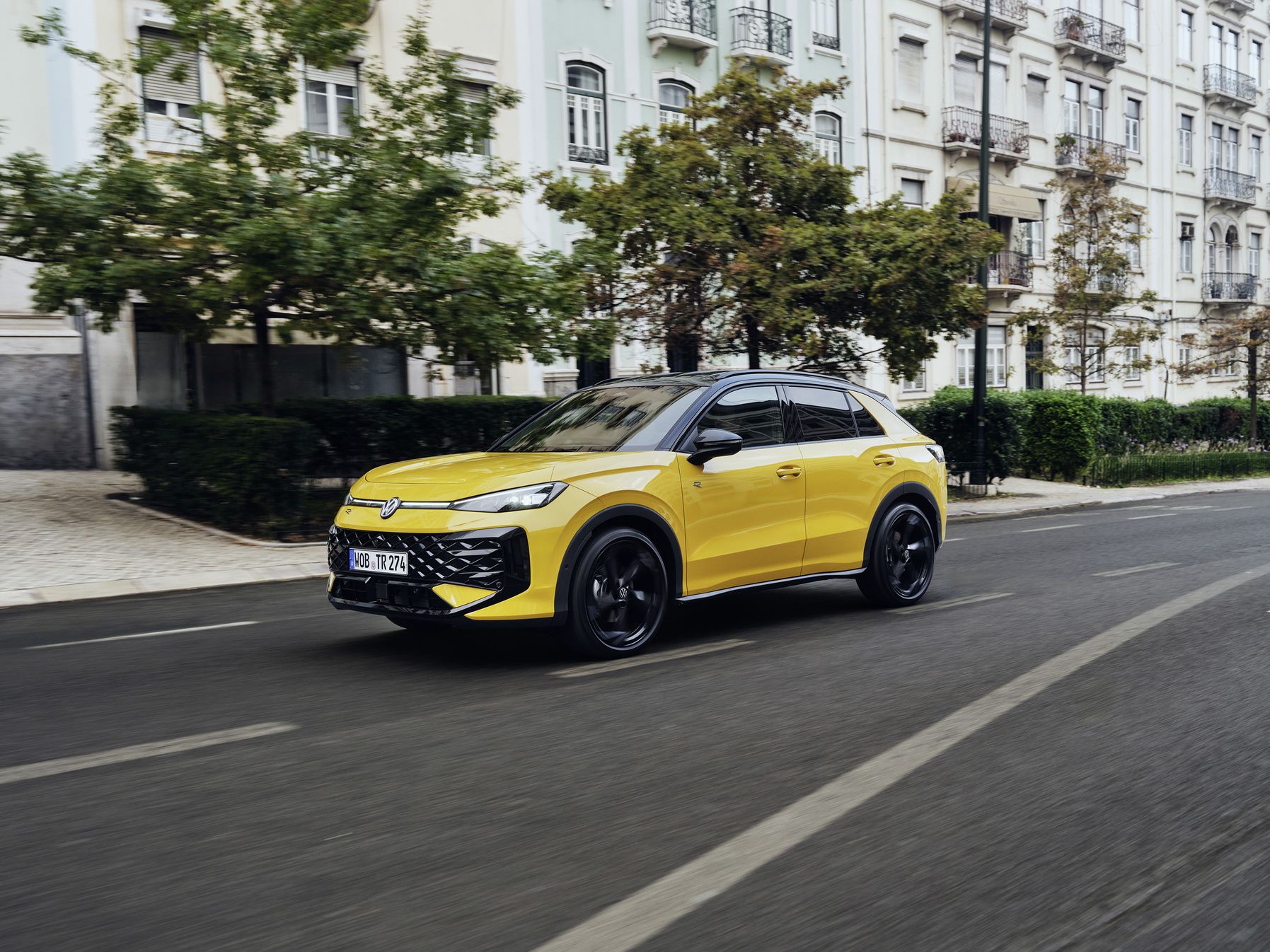
The Volkswagen T-Roc, worth considering?
Despite the discussed points of attention, the Volkswagen T-Roc remains a very attractive car in its class. It combines a modern design with pleasant driving characteristics and a high degree of usability. The key to a positive experience lies in awareness. By being aware of the potential weak points as an owner or potential buyer, you can ask targeted questions during purchase and take preventative measures during ownership. A well-maintained example, where any initial issues have been resolved by the dealer, can be a reliable and enjoyable companion for many miles. The balance between its undeniable qualities and potential problems makes the T-Roc a car definitely worth considering, provided you know what to look out for.