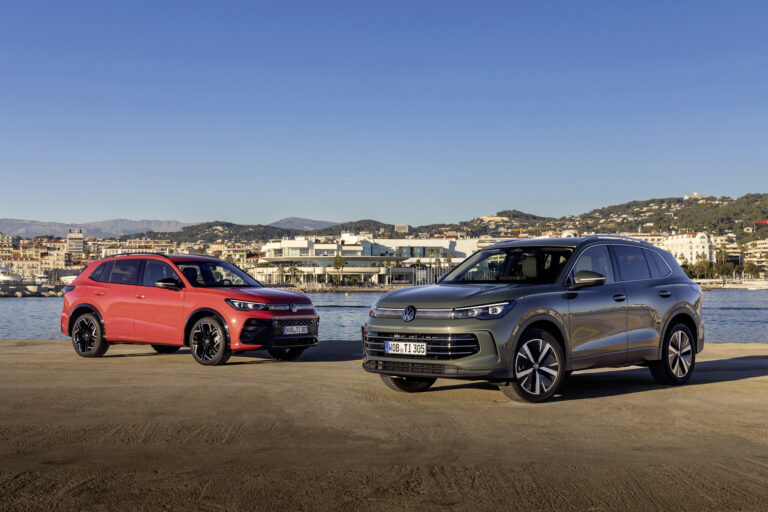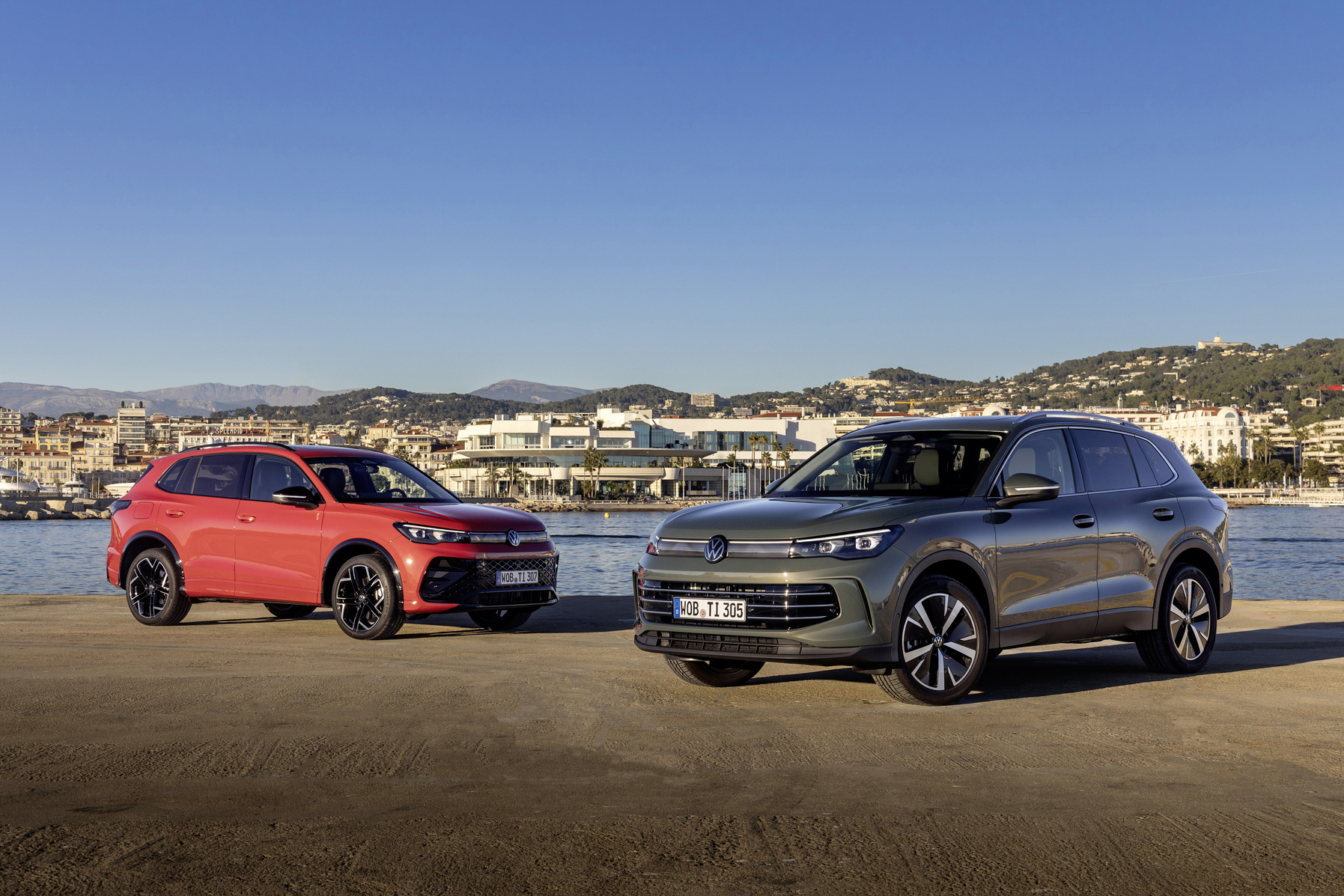
Volkswagen Tiguan: common problems
The Volkswagen Tiguan is a reliable and versatile SUV, but like every car it has specific issues that can cause problems over time. If you are aware of the known weak spots involving the engine, transmission and electronics, you can avoid many unexpected costs with targeted maintenance and a critical eye when buying. Read on to discover what to look out for as an owner or potential buyer of a Tiguan.
Why the Volkswagen Tiguan is so popular
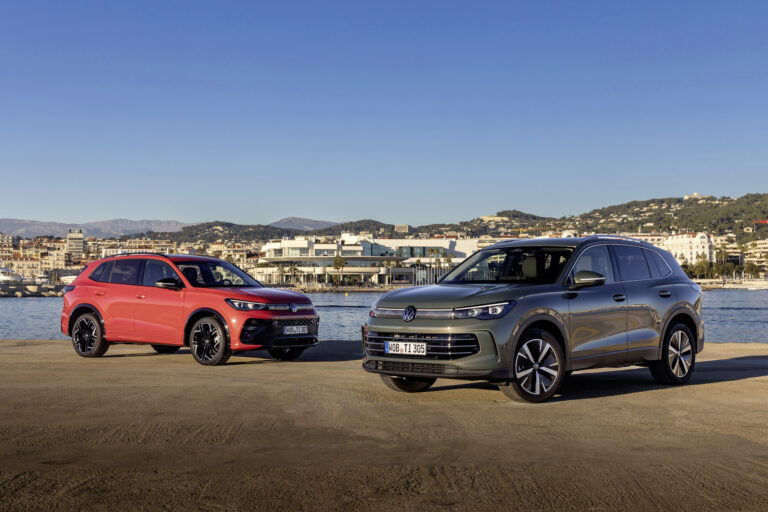
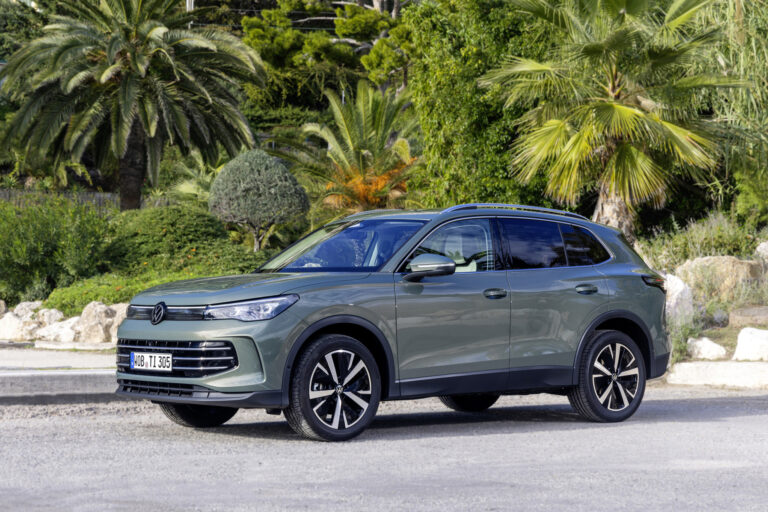
The Volkswagen Tiguan owes its popularity to a successful combination of factors. It is a car that appeals to a broad audience thanks to its practical usability, comfortable driving characteristics and the recognisable, solid image of Volkswagen. The Tiguan offers a high seating position, which many drivers appreciate, and a spacious and flexible interior that is suitable both for families and for anyone who simply needs more load space. The available engines, including the powerful yet relatively economical TSI and TDI variants, and the option of 4Motion four-wheel drive, make it suitable for a wide range of conditions. Add to that the good build quality and intuitive controls, and it is clear why the Tiguan has been a fixture in the SUV segment for years.
‘ A thorough pre-purchase inspection and closely following the maintenance schedule are therefore anything but a luxury. ’
General points of attention for the Tiguan
Despite its popularity and solid image, there are a few general points of attention that are important for every Tiguan owner or buyer. In particular, the early model years of the first generation have a number of weak spots that lead to repairs more often than average. Many of these issues are related to the complexity of the technology used. As with many models from the VAG Group, certain car problems occur more frequently with Volkswagen. A thorough pre-purchase inspection and closely following the maintenance schedule are therefore anything but a luxury. Preventive maintenance prevents many of the problems discussed below or detects them at an early stage.
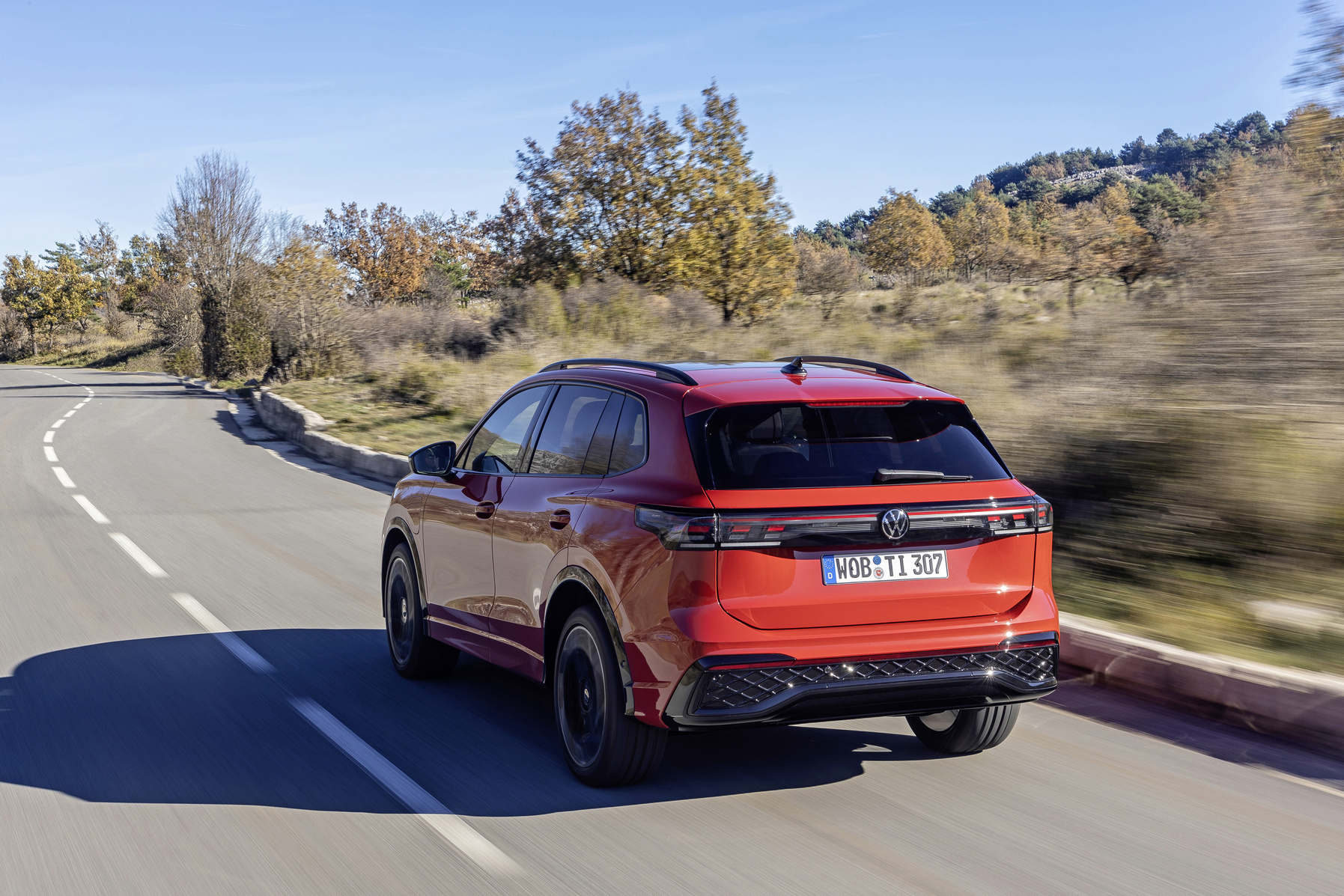
Common engine problems with the Tiguan
The engine is the heart of the car, but in the Tiguan this heart sometimes requires a bit of extra attention. Both the petrol and diesel engines have their specific weak spots, which are important to know.
TSI petrol engines: oil consumption and timing chain
In particular, the 1.4 and 2.0 TSI engines of the first generation (up to around 2015) are known for two persistent problems: high oil consumption and issues with the timing chain. The design of the piston rings often causes the high oil consumption, as they build up carbon deposits over time and no longer seal properly. This not only means you have to top up the oil regularly, but in the long term it also causes engine damage.
Another well-known problem is the timing chain. It can sometimes stretch, causing the engine timing to be off. Symptoms include a rattling noise when starting from cold and a rough-running engine. If you ignore this, the chain may jump or break, resulting in serious engine damage. Timely replacement of the chain and the associated tensioners is the only solution.
TDI diesel engines: diesel particulate filter and EGR valve
The TDI engines in the Tiguan are generally strong and reliable, but they are not immune to problems that are typical of modern diesels. The main culprits are the diesel particulate filter (DPF) and the EGR valve (Exhaust Gas Recirculation). If you mainly use a Tiguan TDI for short trips, the particulate filter does not get the chance to regenerate properly. As a result, it becomes clogged, leading to loss of power and warning messages on the dashboard. The EGR valve, which recirculates exhaust gases back into the engine to reduce emissions, can seize up due to soot build-up. This results in a poorly running engine, juddering and increased emissions.
Transmission problems (DSG and manual)
Volkswagen supplied the Tiguan with both a manual gearbox and the popular DSG dual-clutch automatic. Although the DSG gearbox provides fast and smooth shifting, it also has a few weak points. In particular, the ‘dry’ 7-speed DSG (DQ200) sometimes has issues with the mechatronics, the computer that controls the gearbox. Faults manifest themselves as jerky gear changes, loss of drive or error messages. The clutches themselves are also subject to wear.
The ‘wet’ 6-speed DSG (DQ250) is generally more reliable, provided the oil is changed on time. For manual models, it is especially important to pay attention to the condition of the clutch and the dual-mass flywheel, which can cause vibrations when worn.
‘ The multimedia system is not always flawless either. ’
Electrical faults and the multimedia system
Modern cars are packed with electronics, and the Tiguan is no exception. Although major, structural problems are rare, minor but annoying faults do sometimes occur. Sensors, such as those for parking assistance or tyre pressure, occasionally give an error message. The multimedia system is not always flawless either. Users report that the system responds slowly, freezes, or that phone connectivity (Bluetooth or Apple CarPlay/Android Auto) is unreliable. A software update provides a solution in many cases.
Problems with suspension, brakes and steering
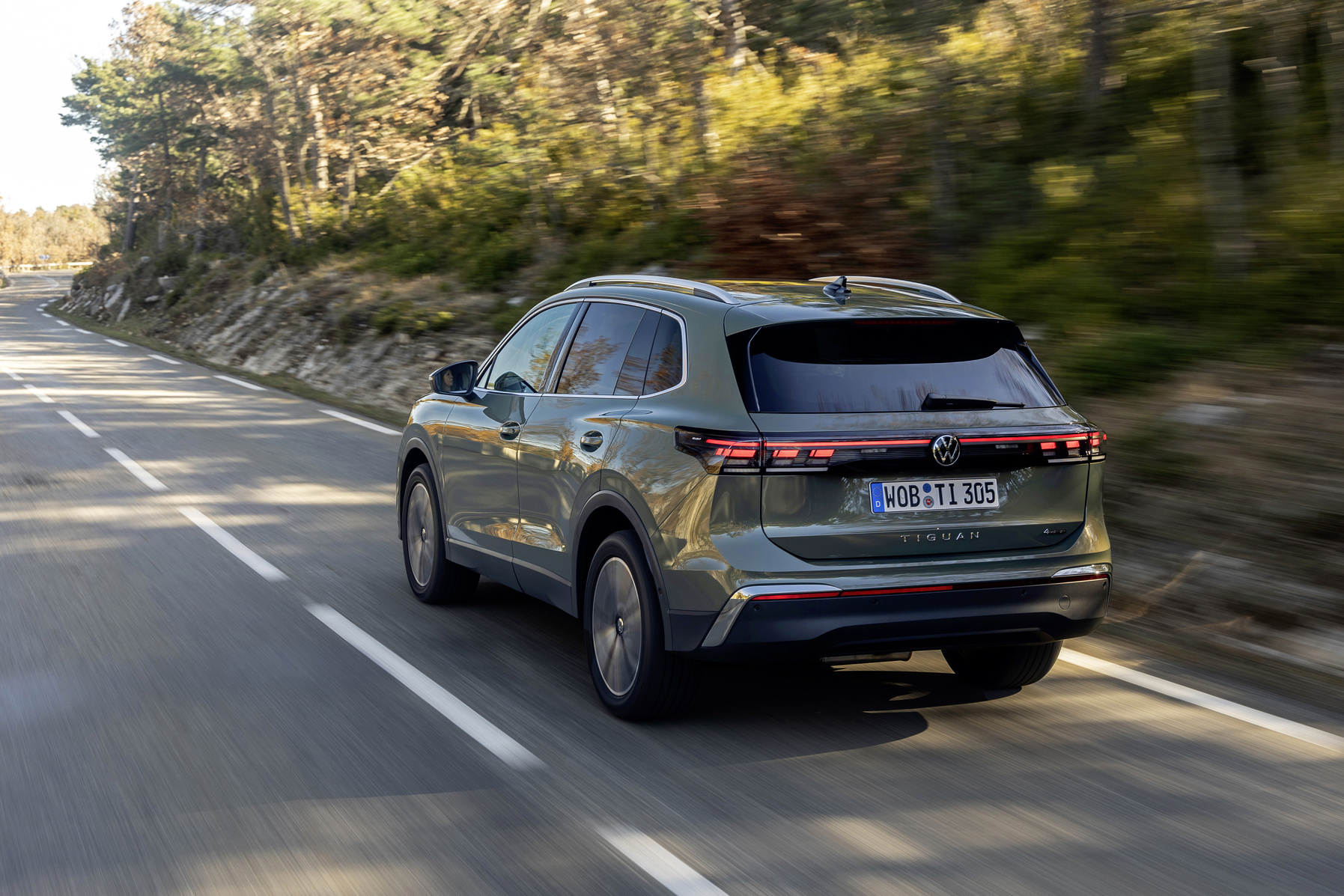
The Tiguan’s suspension is designed for comfort, but due to the car’s relatively high weight certain components are prone to wear. Control arms, ball joints and shock absorbers develop play over time or start leaking. During a test drive, listen out for ‘thudding’ or ‘clattering’ noises when driving over speed bumps. The brakes are generally well dimensioned, but check for vibrations when braking, which indicate warped brake discs. Another specific point of attention is the electric power steering, which in some cases develops a fault that affects steering assistance.
Other known points of attention
In addition to the larger technical components, there are a few smaller, but no less annoying problems that can occur with the Tiguan. A well-known example is water ingress in models with a panoramic roof. The roof’s drainage channels can sometimes become clogged with dirt, allowing water to enter the interior. This leads to water damage to the headlining and electronics. Regularly cleaning the drainage channels is an effective preventive measure. The electronic parking brake can also sometimes refuse to operate, often due to a faulty switch or actuator motor.
‘ A proactive attitude and taking the first symptoms seriously prevents costly consequential damage. ’
Solutions and preventive measures
Fortunately, there is a solution for most problems, and good maintenance prevents a lot of trouble. Regular oil changes using the correct specification are very important, especially for the TSI engines. Have the timing chain checked if you hear a rattling noise. For TDI drivers, it is advisable to regularly take a longer motorway drive to burn off soot from the particulate filter. Have the DSG oil changed at the prescribed intervals. A proactive attitude and taking the first symptoms seriously prevents costly consequential damage.

Tips for buying a used Tiguan
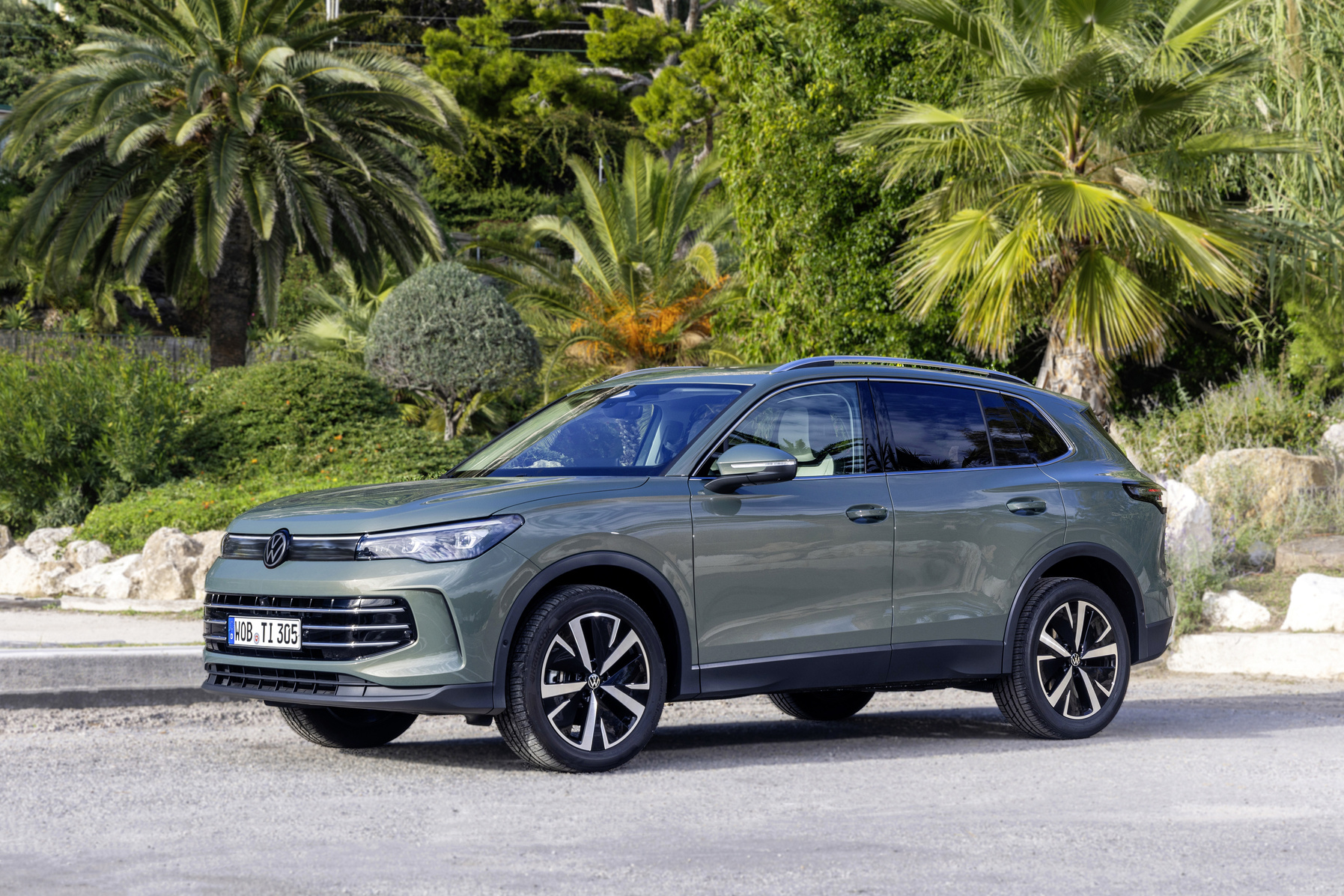
Are you about to buy a used Volkswagen Tiguan? Then use this checklist to reduce the risk of a bad purchase:
- Service history: Check whether all maintenance has been carried out according to the schedule. Pay particular attention to oil changes for the DSG and any repairs to the timing chain.
- Cold start: When starting from cold, listen carefully to the engine. A rattling noise points to a stretched timing chain.
- Test drive: Drive at varying speeds. Pay attention to how the DSG automatic shifts. It should change gear smoothly and without jerks. Also test the brakes and listen for noises from the suspension.
- Oil level: Check the oil level. An extremely low level indicates high oil consumption.
- Electronics: Test all electronic functions, from the multimedia system to the parking sensors and the electronic parking brake.
- Panoramic roof: Check the headlining around the panoramic roof for damp patches, which indicate a leak.
When should you see a specialist?
You can do a lot of minor maintenance yourself, such as topping up fluids or checking tyre pressures. However, for complex problems the help of a specialist is unavoidable. Engine diagnostics, DSG gearbox repairs or tracing electrical faults require specific knowledge and equipment. A good VAG specialist will often diagnose and resolve problems more quickly and efficiently than a general garage. Do not wait too long before seeking professional help if you suspect a problem; early diagnosis prevents more serious damage and higher costs.
‘ With the right knowledge and preventive measures, you can get the most out of your Tiguan and avoid unpleasant surprises. ’
Maintenance and a considered purchase: the key to carefree driving pleasure
The Volkswagen Tiguan offers a lot of car for your money if you know what to look out for. Regular maintenance according to the prescribed schedule and a thorough inspection before purchase lay the foundation for years of trouble-free motoring. Stay alert to the signals your car gives you and take action in good time at the first signs of wear. With the right knowledge and preventive measures, you can get the most out of your Tiguan and avoid unpleasant surprises. For questions or an expert second opinion, you can always contact a specialised VAG garage that knows the ins and outs of the brand.