

Volvo C30: common problems and what you need to know
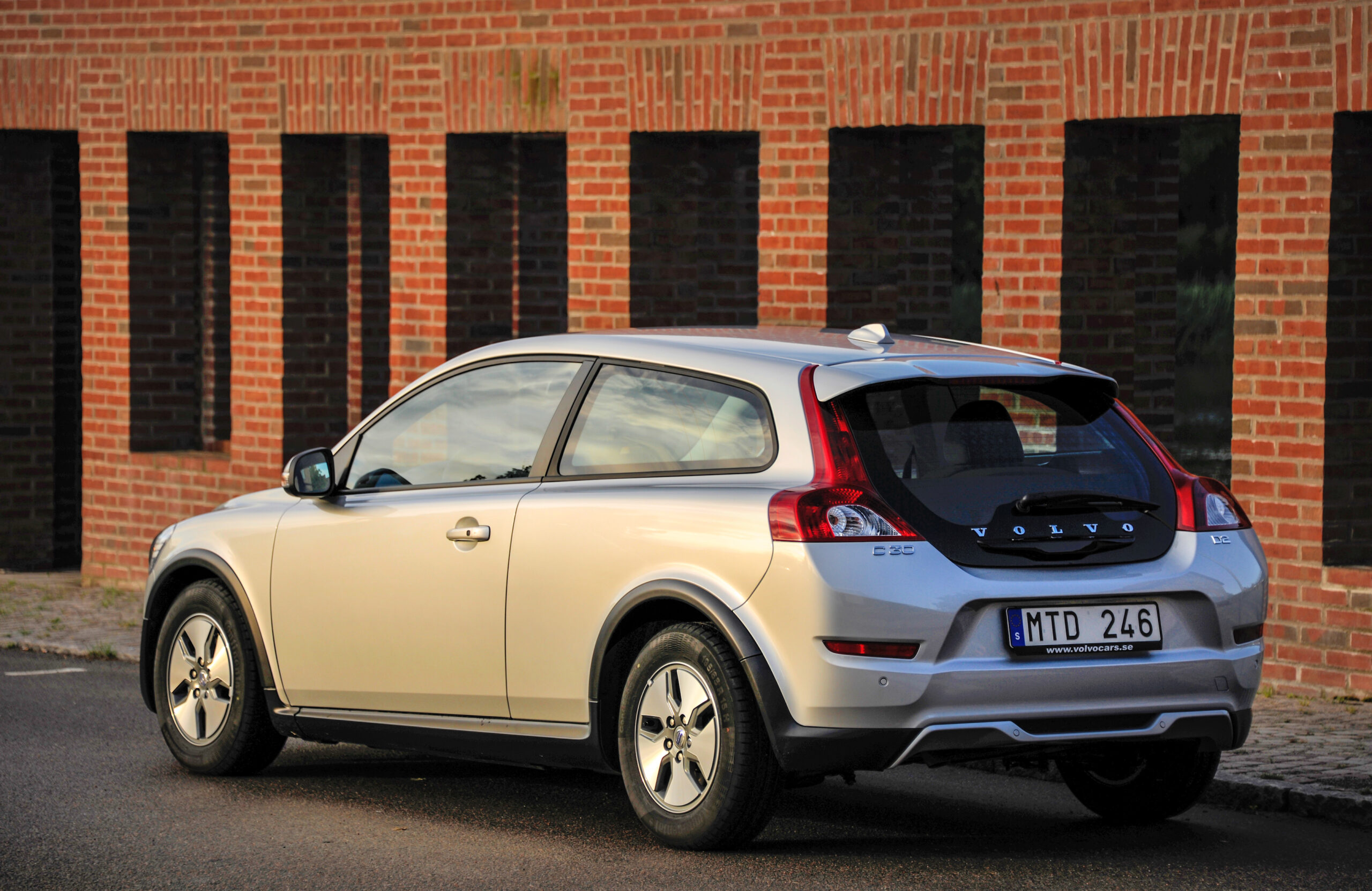
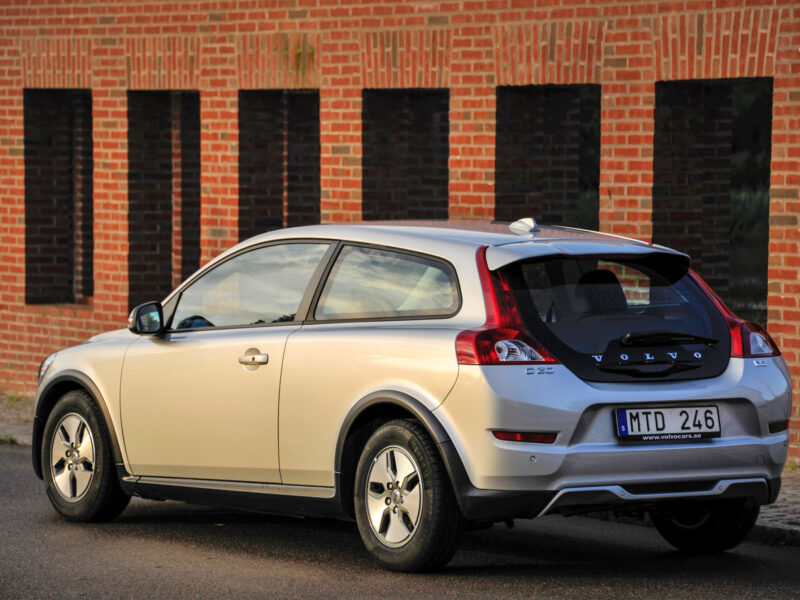
The Volvo C30 is a compact hatchback with a unique character and a loyal fan base. This striking three-door model was produced between 2006 and 2013 and combines Scandinavian design with sporty driving characteristics. The distinctive glass tailgate and compact length of 4.25 metres make the C30 a familiar sight on the road. However, this much‑loved Volvo also has its weak points. If you are considering buying a used C30, or already own one, it is sensible to prepare yourself for specific problems that can occur with this model.
Why the C30 is so popular
The Volvo C30 has a particular appeal for car enthusiasts. Its low weight of just 1,329 kilograms, combined with a stiff chassis and agile steering, results in an engaging driving experience. The T5 version in particular (a 2.5‑litre five‑cylinder turbo engine) with its 227 to 230 hp is popular among enthusiasts. The car sprints to 100 km/h in around 7 seconds and offers a level of dynamism you would not expect from modern Volvos.
But as with any used car, owning a C30 also comes with maintenance issues. Some problems occur regularly and can often lead to substantial costs. On this page about car problems with Volvo you will find a broader overview of known issues within the brand. For the C30 specifically there are a number of points that potential buyers and current owners really need to be aware of.
‘ The C30 does not score particularly well in reliability surveys, mainly because of electrical problems and wear to specific components. ’
Overall reliability over the years
The C30’s reputation for reliability is average to reasonable. The model shares many technical components with the Volvo S40 and V50. As a result, it also shares some of their early teething troubles. Early models from 2006 and 2007 have generally experienced more issues than later versions. After a facelift in 2010, some weaknesses were addressed, but even the newer examples are not immune to certain faults.
The C30 does not score particularly well in reliability surveys, mainly because of electrical problems and wear to specific components. That said, there are also many owners who drive for years without any issues, provided maintenance is carried out consistently. Reliability depends heavily on the chosen engine variant, model year and maintenance history.


Engine‑related points to watch
The C30 was supplied with various petrol and diesel engines. The 1.6‑litre base engine with 100 hp is fairly trouble‑free, but also not particularly powerful. The popular T5 engine (a 2.5‑litre five‑cylinder with turbo) has more specific weaknesses. On this engine the turbocharger can show signs of wear after roughly 150,000 kilometres, resulting in a loss of power and smoke.
In addition, the T5 regularly suffers from problems with the PCV system (positive crankcase ventilation). This system regulates the pressure in the crankcase and routes gases back to the intake. The system can become clogged, leading to oil loss and increased crankcase pressure. Symptoms include oil consumption and leaks around seals and gaskets. For the diesel engines, especially the 1.6 D and 2.0 D variants, the turbos and EGR valves are weak points. EGR valves (exhaust gas recirculation) route exhaust gases back into the engine to reduce emissions. Clogged EGR valves can cause rough idling and a loss of power.
Transmission: manual or automatic?
The standard six‑speed manual gearbox is generally reliable, but the clutch can show wear from around 120,000 kilometres if the car is driven hard or the clutch is poorly adjusted. This is particularly a concern on T5 models with their high torque. A new clutch kit including fitting can easily cost €800 to €1,200.
The optional five‑speed automatic has more issues. This transmission can change gear jerkily or hang in certain gears. This is often caused by ageing transmission fluid or wear to the solenoids. Regular replacement of the ATF (automatic transmission fluid, the oil that lubricates and cools the automatic gearbox) is essential on this unit, but is not always carried out consistently by owners. Repairs to the automatic can quickly add up to €2,000 or more.
‘ Preventive maintenance and timely inspection of rubber components such as silent blocks help to prevent more serious problems. ’
Suspension and running gear
The C30’s running gear is solidly built, but does have specific wear patterns. The front control arms and anti‑roll bar links are prone to wear, especially on poor road surfaces. This shows up as knocking noises over bumps and less precise steering. Replacing the control arms costs around €150 to €250 per side, excluding labour.
The shock absorbers may need replacing after 80,000 to 100,000 kilometres. This is noticeable as a bouncy ride. Reduced road‑holding in corners is another sign. The rear struts can develop play, resulting in an unsettled feeling during changes in speed. Preventive maintenance and timely inspection of rubber components such as silent blocks help to prevent more serious problems.
Common complaints about the suspension
- Knocking noises when changing gear or pulling away, often caused by worn engine mounts
- Play in the wheel suspension, noticeable when steering
- Uneven tyre wear due to insufficient or incorrect wheel alignment
- Worn anti‑roll bar links that cause clicking or knocking sounds
Electronics and comfort systems
The C30’s electronics are one of the biggest sources of frustration among owners. The infotainment system can respond slowly or freeze completely, which is often temporarily resolved by disconnecting the battery. Sensor faults are also common. The parking sensors can give false alerts due to dirt or moisture ingress.
The BLIS system (Blind Spot Information System) warns you with a light in the door mirror when another car is in your blind spot. This system can fail or become unreliable. This is often due to defective sensors in the door mirrors or software issues. Replacing a BLIS sensor will easily cost €300 to €500. In addition, there have been reports of problems with the climate control system. The air conditioning may stop cooling, and the controls themselves can also freeze.
Common electrical faults
- Faulty headlight switches causing unpredictable behaviour of the lights
- Problems with the central locking, often due to weak motors in the doors
- Failure of the instrument cluster or warning lights that stay on
- Faults in the rain sensor, causing the wipers to work irregularly
Bodywork and interior: wear and weak spots
The C30’s bodywork is reasonably resistant to rust, but there are a few vulnerable areas. Check the bottom edges of the doors, the wheel arches and the sills for rust, especially on cars that have spent time in areas where salt is used on the roads. The paint can flake off in some places, particularly around the bonnet and bumpers.
The interior shows wear over time at specific points. The seat upholstery, especially on the side bolsters of the driver’s seat, can wear through. The dashboard can develop creaks and rattles due to expansion of plastic parts. The buttons on the climate control panel and radio can wear or even come loose completely. These problems are mainly annoying; most are not expensive to fix.
‘ Replacement costs around €50 to €80 per unit. ’
Minor ailments and irritations
Alongside the bigger issues, the C30 also has a number of smaller annoyances that are often reported. The glass tailgate can feel heavy to open and close, and the gas struts that support the tailgate can weaken. Replacement costs around €50 to €80 per unit.
The keyless entry system (keyless access that allows you to unlock and start the car without taking the key out of your pocket) can behave erratically, especially in cold temperatures or when the key battery is weak. The wiper mechanism can also wear after a few years, causing the wipers to work irregularly or get stuck in certain positions. The reversing camera, if fitted, can suffer from dirt or moisture in the lens, which clouds the image.
Prevention and maintenance tips for C30 drivers
Regular maintenance is not only important on the C30, it also saves money in the long run. Make sure oil changes are carried out strictly on time, especially on the T5 engine. Always use the oil specifications prescribed by Volvo. Check the coolant level regularly and replace the coolant every three years to prevent cooling problems.
Have the brake fluid replaced every two years and have the brakes checked annually for wear. For the automatic, it is sensible to change the transmission fluid every 60,000 kilometres, even if this is not always included in the official service schedule. Check the condition of the driveshafts and CV joints at every service. Small cracks in the gaiters can quickly lead to costly repairs if dirt and moisture get in.
Important maintenance points
- Check and, if necessary, replace the spark plugs every 40,000 to 60,000 kilometres on petrol engines
- Inspect the condition of the timing belt or chain according to the prescribed interval
- Have the suspension checked annually for play and rust
- Update the infotainment software at the dealer where possible
- Clean the parking and BLIS sensors regularly
The cost of repairs and maintenance
Maintaining a Volvo C30 is not particularly cheap, but also not extremely expensive compared with other premium brands. A standard service at an independent garage costs between €200 and €400, depending on what needs to be done. At an official Volvo dealer these costs are higher, often between €300 and €600.
Major repairs can be quite costly. A new turbocharger for the T5, including fitting, quickly comes to €1,500 to €2,500. Replacing the clutch costs between €800 and €1,200. A full overhaul of the automatic gearbox can add up to €2,000 to €3,000. Suspension parts such as control arms, shock absorbers and anti‑roll bars are relatively affordable at €50 to €250 each, but labour charges can be substantial.
Electrical repairs are difficult to estimate. Diagnosis takes time and money. Expect to pay at least several hundred euros to resolve electrical faults, depending on the problem. It is wise to keep a reserve of at least €1,000 per year for unexpected repairs, on top of regular maintenance.
‘ A fully stamped service book with evidence of work carried out is a good sign. ’
Buying advice: what to look out for with a used Volvo C30?
If you are considering a used C30, a thorough inspection is essential. First check the service history. A fully stamped service book with evidence of work carried out is a good sign. Pay particular attention to whether oil changes have been carried out on time and whether major components such as the clutch, timing belt and brakes have been replaced.
Test all electrical functions during a test drive. Check whether the infotainment system responds properly, whether all the lights work and whether the sensors operate correctly. Listen for unusual noises from the suspension over bumps, and check whether the car tracks straight without you having to correct the steering. Look underneath the car for signs of oil leaks at the engine and transmission.
Checklist for buying
- Ask about the condition of the turbocharger on T5 models with high mileage
- Check that the automatic gearbox shifts smoothly without jolts or hesitation
- Inspect the underside for rust, especially around the wheel arches and sills
- Thoroughly test the BLIS system and parking sensors
- Check that the air conditioning cools properly
- Look for wear to seat upholstery and play in the dashboard
- Ask for a recent APK inspection (Algemene Periodieke Keuring, the compulsory two‑yearly roadworthiness test in the Netherlands) and check the history via the RDW
Is the Volvo C30 worth it?
Despite its weak points, the Volvo C30 remains an attractive choice for drivers who like compact cars with character. Its unique design, pleasant driving characteristics and solid safety systems make it a special car. The T5 version in particular offers a driving experience that is rare in this segment.
However, the C30 is not a carefree choice. The likelihood of electrical faults, wear to specific mechanical components and relatively high maintenance costs mean you need to weigh things up realistically. If you are prepared to invest time and money in good maintenance, and if you find a car with a documented history, the C30 can provide years of enjoyment. If you buy a poorly maintained example with no history, you run the risk of expensive surprises. Take your time for a thorough inspection, and if in doubt seek advice from an independent specialist before you buy.