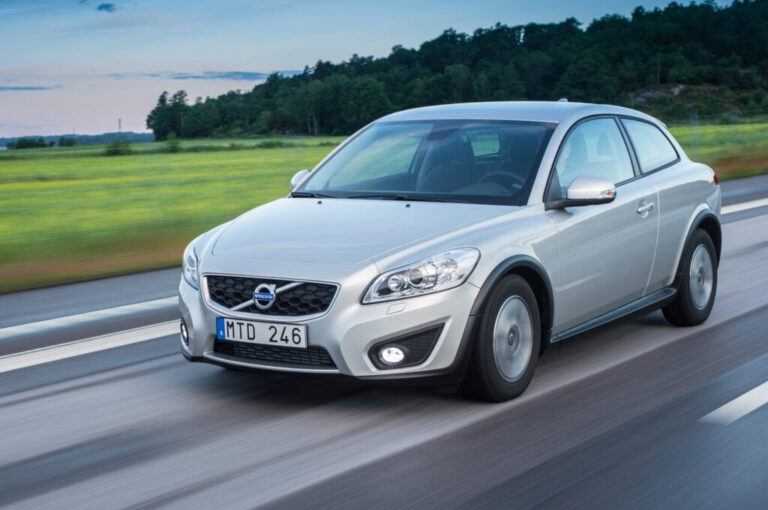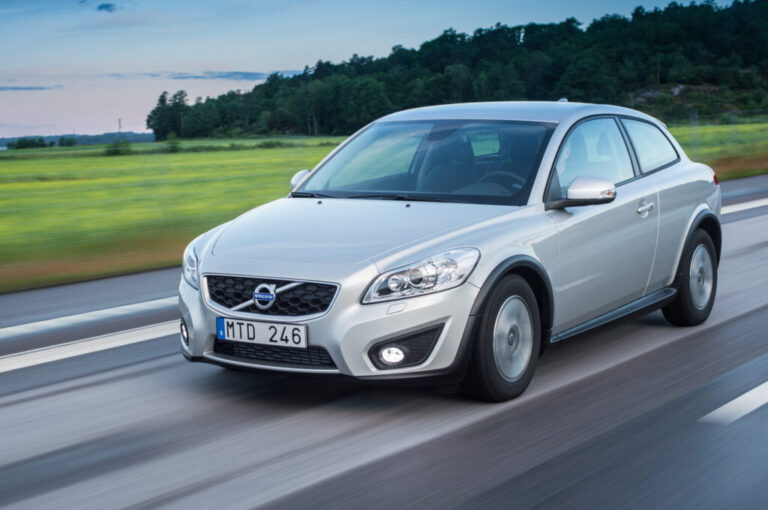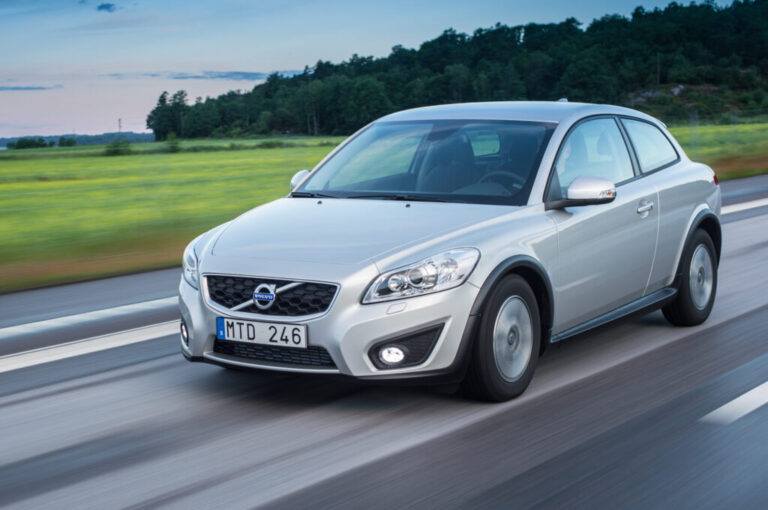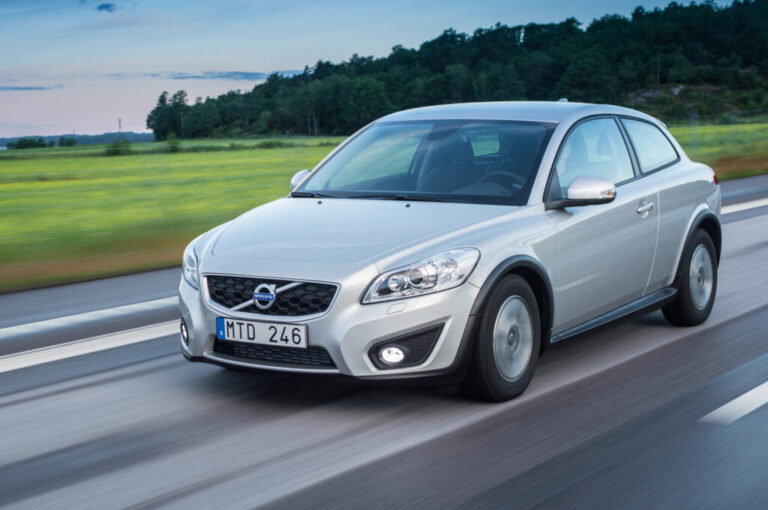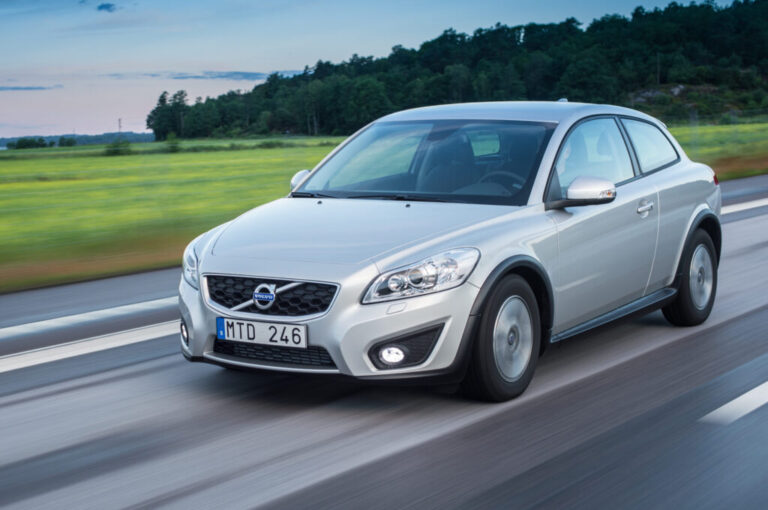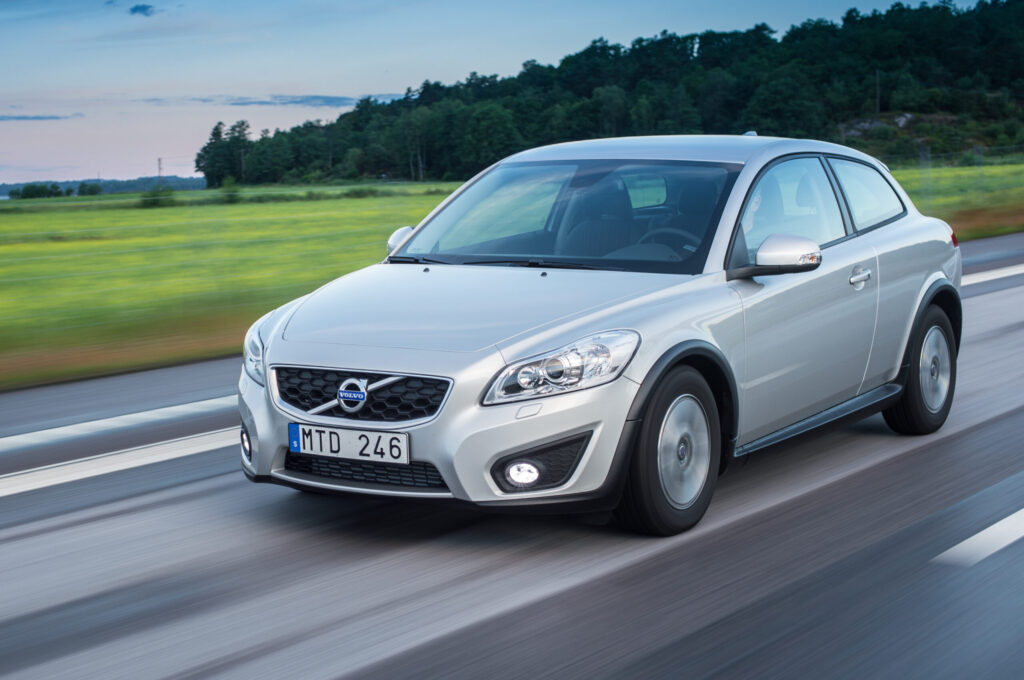
The Volvo C30 suffers from more engine problems than direct rivals such as the Volkswagen Golf and BMW 1 Series, but in return it offers a unique design and quirky character. If you opt for this compact Volvo, you need to be prepared to accept higher maintenance costs in exchange for a distinctive car. Read on to find out whether the C30 is worth your money.
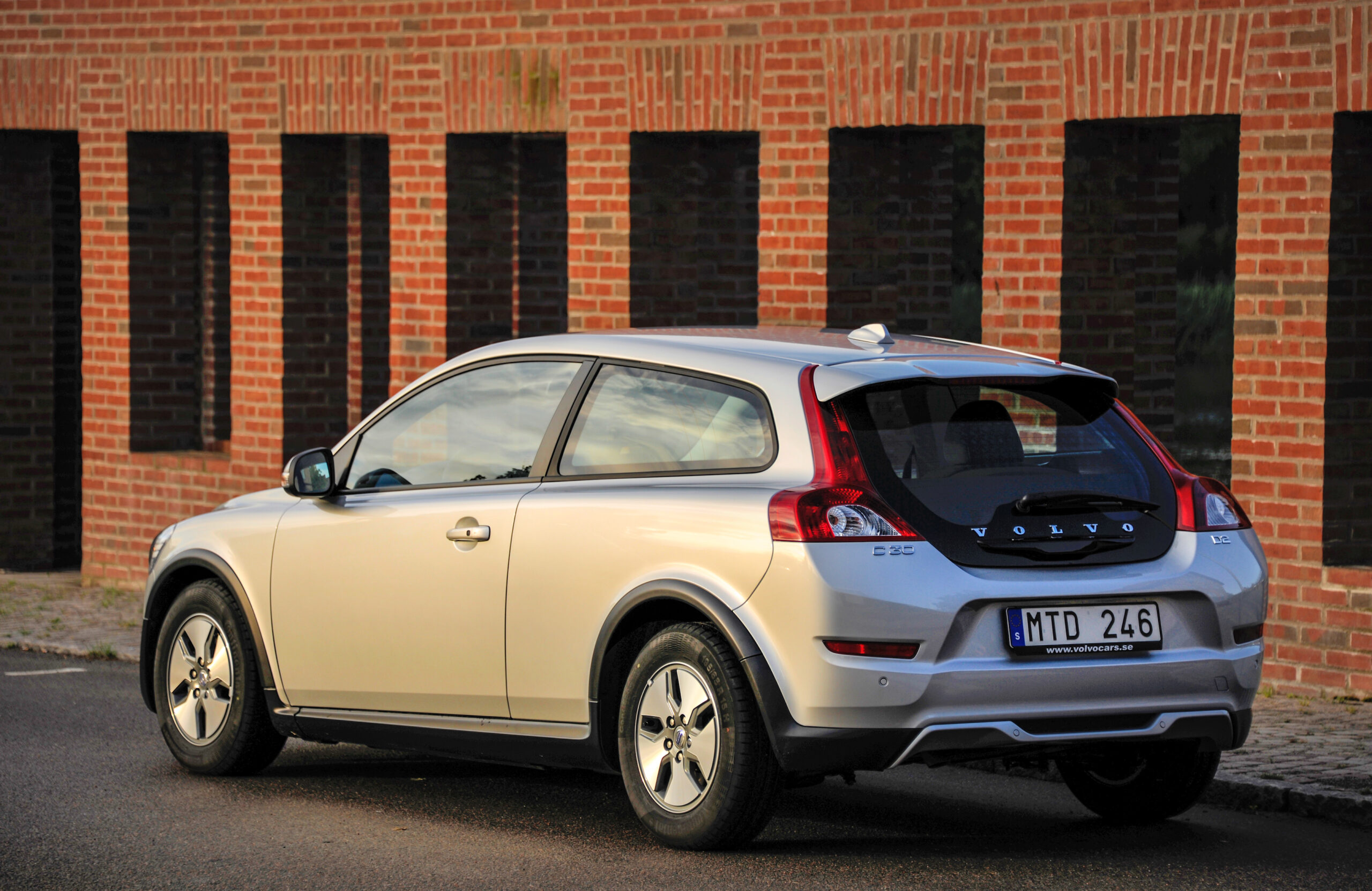
The C30 is Volvo’s answer to the premium compact hatchback. The three-door body with its distinctive glass rear makes this car instantly recognisable. Even so, it is wise to take a close look at the Volvo C30 before buying and what you can expect compared with other models in this segment.
In this comparison we place the C30 alongside the main alternatives. You get an insight into where this Volvo scores and where rivals are stronger. That way you can make a well-informed choice.
BMW 1 Series: the sportier choice
The BMW 1 Series E87 is the most direct premium rival to the C30. Both cars are aimed at drivers who want compact dimensions combined with a premium look and feel. Even so, the differences are clearly noticeable.
In many versions the BMW offers rear-wheel drive, which delivers a sportier driving experience. Its “driver’s car” character is very pronounced. The C30 goes for a calmer and more relaxed character. Volvo focuses on comfort and individuality instead of sportiness.
Advantages of the BMW 1 Series:
- Rear-wheel drive for better driving dynamics
- Sportier steering feel
- Wider range of engines on the used market
- More tuning options for enthusiasts
Advantages of the Volvo C30:
- Calmer and more comfortable road manners
- Distinctive and individual styling
- Strong safety image
- Less common than the BMW
Choose the BMW if you mainly want enjoyable cornering and sportiness. Go for the C30 if you would rather have style, comfort and a Scandinavian character.
‘ The model has a strong image on the used market and is known for its good build quality. ’
Audi A3: the all-rounder in the segment
The Audi A3 8P is the obvious premium hatchback rival. This car is more versatile and more conventional than the C30, but that is exactly what makes it appealing to many buyers.
The A3 offers a wide choice of engines and trim levels. The model has a strong reputation on the used market and is known for its good build quality. The C30 on the other hand is rarer and more distinctive, often simpler in concept without Audi’s mass-market styling.
The A3 is more attractive for those who want a traditional premium hatchback with broad usability. The C30 is a better fit for enthusiasts who want something different from the standard choices in this segment.
Volkswagen Golf: the benchmark with fewer problems
The Volkswagen Golf is the benchmark in the compact segment – the car against which all rivals are measured. It is often used as the reference point in every comparison, and not without reason.
The Golf scores highly for all-round abilities. There is a large supply of parts and expertise, and you will find many variants on the used market. The car is suitable for long-term use and has fewer technical problems than the C30.
The C30 mainly wins when it comes to character and appearance. The Volvo is less everyday, more stylish and more attractive to enthusiasts who value exclusivity.
In terms of reliability, the Golf performs better. The C30 suffers from more engine problems, especially with the diesel versions. Maintenance costs are often higher with the Volvo due to more expensive parts and less straightforward repairs.
Ford Focus: technical sibling with a better price tag
Technically, the C30 shares its foundations with models from the Ford family, including the Focus. This technical relationship makes the Focus a relevant rational alternative.
The Focus is often more keenly priced and offers a practical five-door body. The driving dynamics are excellent and you have a wider choice of versions and engines. The C30 scores for exclusivity, a more upmarket-feeling interior and a higher premium positioning.
For everyday and family use, the Focus is often the smarter choice. The C30 is more interesting if emotion and looks matter more than pure practicality.
Weighing up reliability and maintenance costs
The C30 is troubled by more engine problems than its rivals. This applies especially to the diesel engines, where emissions-related systems and components regularly cause complaints. The problems are less pronounced with the petrol engines, but even here maintenance costs are higher than with a Golf or Focus.
With the Audi A3, maintenance costs are comparable to the C30, but reliability is often slightly better. The BMW 1 Series also has technical issues to watch for, but the availability of expertise and parts is greater due to the model’s popularity.
Factors that increase maintenance costs on the C30:
- More expensive parts than with volume brands
- More limited availability of expertise at small garages
- More sensitive systems in the diesel engines
- Higher labour costs due to more complex repairs
A well-maintained C30 with a complete service history is more important than with a Golf or Focus. Always check the history when buying and have a pre-purchase inspection carried out.
Who is the Volvo C30 suitable for?
The C30 is not a rational crowd-pleaser. This car suits specific users with clear wishes in terms of style and character.
Suitable for:
- Singles or couples without a daily need for rear space
- Enthusiasts of quirky compact cars
- Drivers who value distinctiveness more than low costs
- People looking for a smart second car with a premium look
Less suitable for:
- Young families needing daily access to the rear seats
- Buyers who mainly focus on low running costs
- High-mileage drivers who primarily seek reliability
- Anyone who needs a five-door body
The three-door layout makes getting into the back seats difficult. The rear bench is mainly suitable for occasional use. The boot space is fine, but not class-leading.
Alternatives by type of buyer
Which alternative suits you best depends on what you are looking for in a compact car. Below are the most logical choices by type of buyer.
Sporty driving: choose the BMW 1 Series for the best steering feel and rear-wheel drive. This model offers the most driving pleasure on twisty roads.
All-round premium: the Audi A3 is the best choice for those who want to combine versatility, premium feel and practicality without compromise.
Practical and affordable: the Ford Focus scores highest here with good driving dynamics, low costs and plenty of space for daily use.
Standard benchmark: the Volkswagen Golf remains the best all-rounder, with strong qualities across the board and fewer technical problems.
Character and fun: anyone who mainly seeks distinctiveness can also consider the MINI Hatch alongside the C30. Both cars are aimed at enthusiasts.
What should you look out for when buying?
When buying a C30, the chosen engine is crucial for the costs. Diesels are interesting for high-mileage drivers, but pay close attention to the service history and emissions-related systems. Petrol engines are often easier to live with for lower annual mileages.
Always check the following on any used C30:
- Complete and consistent service history
- Rust around wheel arches and on the underside
- Wear to bushes and electronics
- Condition of seats and interior
- Operation of all electronic systems
A well-maintained, less powerful version is often a wiser choice than a neglected top model. With the C30, condition matters more than just the badge on the tailgate.
Design and safety as key strengths
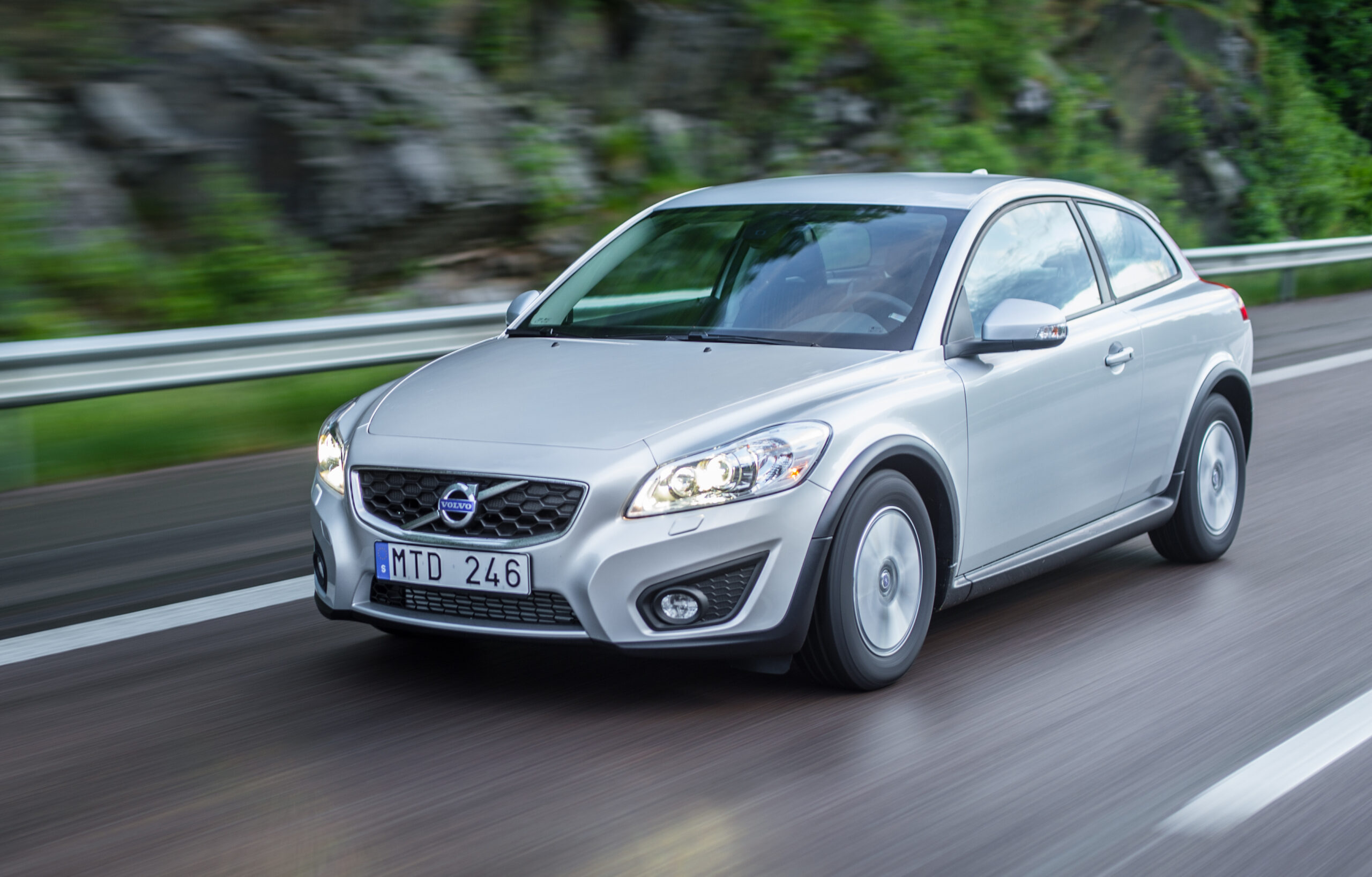
The C30 is one of the most recognisable Volvos of its generation. The glass tailgate and compact proportions still make it stand out on the road. This design is the car’s main trump card.
Volvo’s strong reputation for safety also plays a major role with the C30. For many buyers, that is an important advantage over other compact cars without a premium safety image.
On the used market, the C30 can be attractive for anyone seeking premium qualities but not wanting to pay the highest purchase price. For enthusiasts the C30 is interesting because you do not see it everywhere and it has a very clear character of its own.
Even so, you do need to stay realistic about the compromises. The C30 has higher maintenance costs than a Golf or Focus, and more engine problems than the average compact hatchback. Weigh this up against the advantages in terms of style, safety and exclusivity.
The C30 versus the mainstream
The Volvo C30 mainly scores on style, exclusivity and character compared with alternatives such as the BMW 1 Series, Audi A3, Ford Focus and Volkswagen Golf. Anyone looking for a compact car with a strong personality will find in the C30 a serious alternative to the mainstream.
Those who mainly want space, practicality or the lowest running costs are better off with a conventional hatchback. The higher maintenance costs and greater number of engine problems make the C30 less suitable for purely rational buyers.
On the Carnews website you will find more information about different car models, their reliability and practical buying tips. Discover which car best suits your situation and make a well-informed choice.
Frequently asked questions
Alternatives with a similar driving experience and premium feel to the Volvo C30 are mainly the BMW 1 Series and Audi A3, which, like the C30, offer a compact, solid and refined driving experience. A well-specified Volkswagen Golf and certain versions of the Mercedes A-Class also come close in terms of comfort and perceived quality. For enthusiasts who place more emphasis on character and fun, the MINI Hatch is also an interesting alternative.
The Volvo C30 has light and fairly precise steering, but it clearly feels less sharp and communicative than a BMW 1 Series, which offers more feedback through the steering and a more playful, rear-wheel drive character. Compared with an Audi A3, the C30’s steering feel is a little less direct and less sporty, but calmer and more comfort-oriented. The C30’s handling is grown-up and stable, with a strong focus on safety and predictability, while the BMW 1 Series is more dynamic and the Audi A3 is more neutral and slightly firmer in its set-up. This makes the C30 more of a comfortable, safe cruiser than an out-and-out driver’s car.
For the sportiest performance and best tuning potential, the T5 petrol versions of the Volvo C30 are particularly interesting, thanks to their five-cylinder turbo engine with plenty of power potential. The 2.0T/1.6 turbo petrol variants also offer reasonable tuning scope, but are less extreme than the T5. Compared with many alternatives in the same segment, the more powerful C30 engines combine a solid chassis with a turbo engine that responds well to tuning.
The Volvo C30’s distinctive design is mainly decisive for buyers who attach importance to looks and a quirky character, and less to sheer practical space. In terms of everyday usability, models such as the Ford Focus, Volkswagen Golf or a five-door Audi A3 generally offer a better balance between access, space and ease of use. The C30 is therefore more of an emotional choice than the most rational one. Anyone primarily looking for a practical all-rounder will usually end up with an alternative.
The expected maintenance costs of a Volvo C30 are on average slightly higher than for more mainstream alternatives such as the Ford Focus and Volkswagen Golf, but comparable with other premium rivals like the BMW 1 Series and Audi A3. Parts are not extremely expensive, but certain engine variants and electronic systems can push up costs as the car ages. In terms of residual value, the C30 usually performs slightly less strongly than an Audi A3 or VW Golf, but again on a par with or sometimes better than a BMW 1 Series. Its distinctive design and limited supply mean that a well-maintained example remains relatively attractive on the used market.