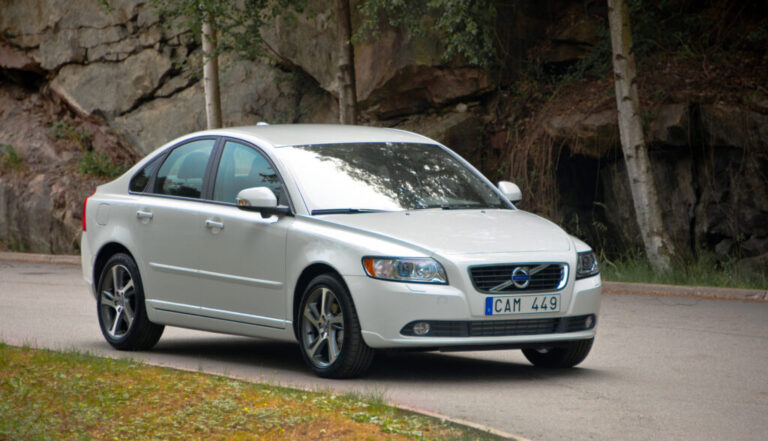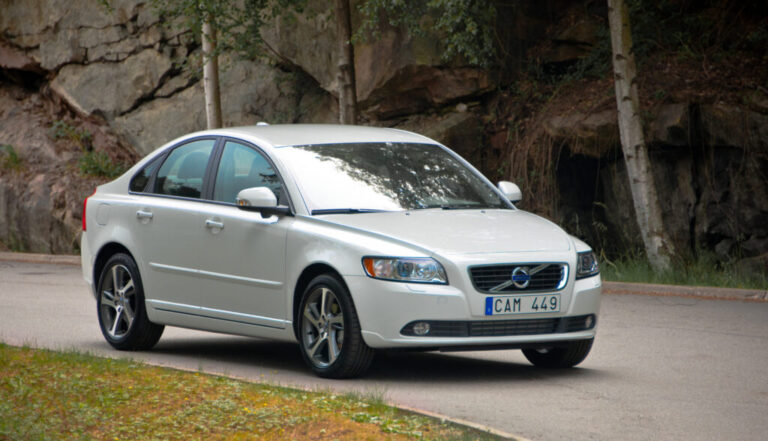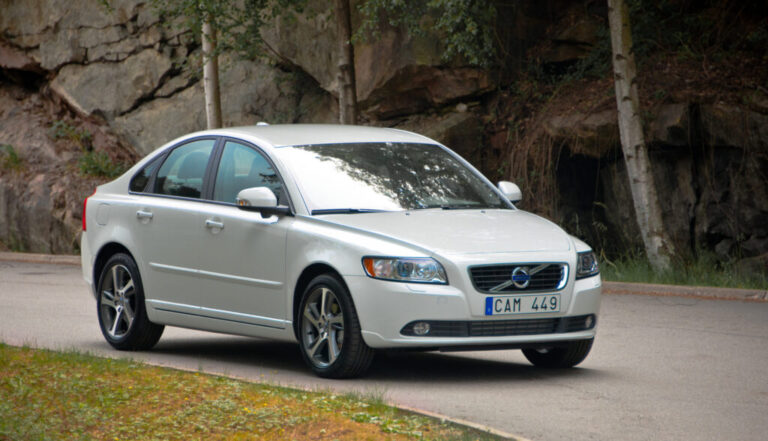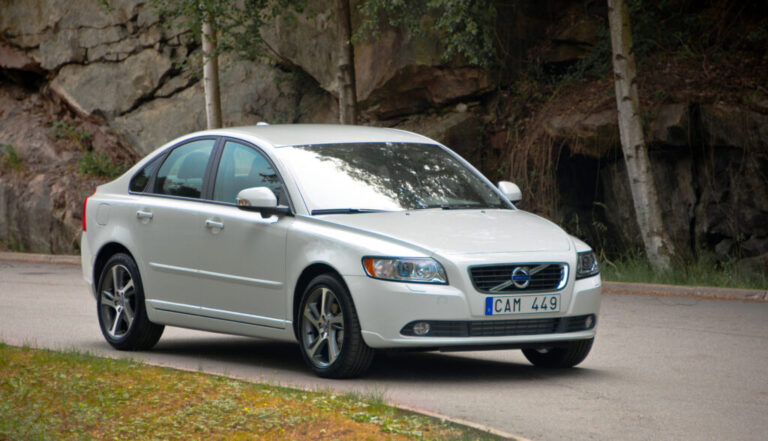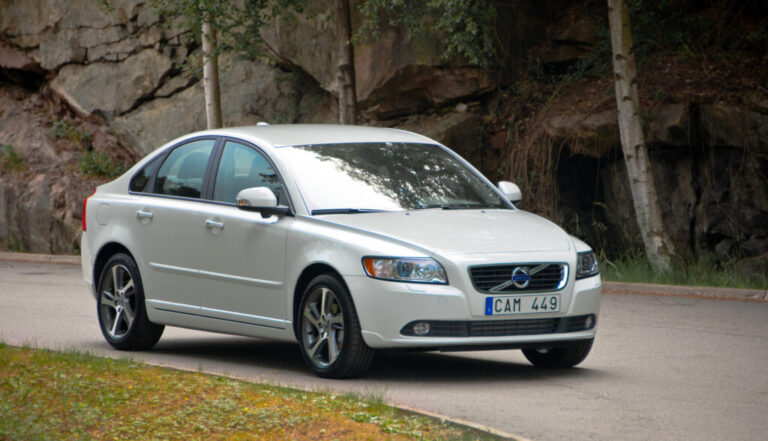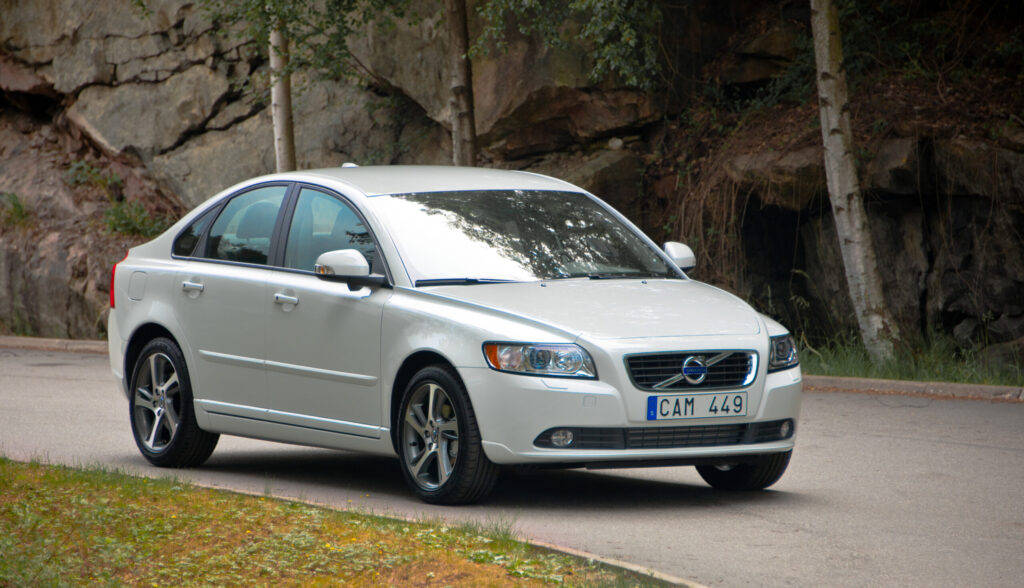
The Powershift automatic gearbox in the Volvo S40 suffers from persistent clutch problems, especially in the 2.0D and petrol models. Jerky gear changes, a slipping sensation and harsh engagement between the lower gears are common. Many owners report these issues. The problem is not always confined to the clutch itself. It can also be caused by software, sensors or contaminated transmission fluid. Do you want to know how to recognise these faults and what you can do about them?
Powershift problems in the Volvo S40: recognising the symptoms
The Volvo S40 with Powershift automatic gearbox often shows clutch problems. It usually starts with juddering when pulling away, especially when the engine is still cold. Between first and second gear you then feel a hard jolt go through the car. The engine speed rises, but the car accelerates less directly than usual.
Once the engine is warm, the symptoms usually get worse. The transmission seems to hesitate when changing gear and then engages abruptly. Some owners report that the car feels as if it is slipping, where the revs rise without a corresponding increase in pulling power. This is particularly noticeable between the lower gears and when braking to a standstill.
The manual shift function can also cause problems. Sensors or shift modules do not respond properly, so you have no control over the gear selection. These are often signs that there is more going on than simple clutch wear.
‘ Contaminated or aged transmission fluid is a frequently underestimated cause. ’
Why the Powershift clutch is so sensitive
The Powershift automatic gearbox (a dual-clutch automatic transmission) in the Volvo S40 is sensitive to intensive use in urban traffic. Lots of stop–start driving, creeping in queues and heat build-up significantly accelerate wear of the clutch components. This dual-clutch design works differently from a traditional automatic with a torque converter and places greater demands on the mechanical parts.
Software issues in the transmission control also play a role. In S40 automatics, calibration problems have been reported that cause harsh shifting and slipping behaviour, especially when the transmission reaches operating temperature. A software update can in some cases relieve many complaints, although it does not always solve everything.
Faulty mechatronics (the electronic and hydraulic control unit of the gearbox) or solenoids can cause incorrect shift commands or incorrect pressure regulation. The mechatronics unit controls hydraulic pressure. When sensors or valves within this system do not function properly, the entire shift logic becomes disturbed.
The role of transmission fluid
Contaminated or aged transmission fluid is a frequently underestimated cause. In practical reports on forums it is regularly advised to check the fluid for colour, smell and metal particles. Dark brown or burnt-smelling ATF (automatic transmission fluid) is suspicious. Metal particles in the fluid indicate severe internal wear.
Volvo has not specified a fixed service interval for Powershift fluid. Experience shows that regular fluid changes can prevent problems. With intensive use it is advisable to replace the fluid every 60,000 kilometres.
Replacing the clutch in the Powershift automatic
Replacing the clutch in a Powershift automatic is labour-intensive. The gearbox has to be removed from the car. Only then can the mechanic access the dual clutch. This means you have to take into account several hours of labour on top of the cost of parts.
The clutch kit itself costs between 800 and 1,200 euros, depending on the version and brand. Labour time varies between 6 and 10 hours, which can push the total cost up to 2,000 to 3,000 euros. Some garages advise having the mechatronics unit checked and overhauled at the same time if necessary, which adds further costs.
Complaints can vary in severity and cause. Clutch replacement is not always necessary. Reading the fault codes can show whether the problem lies with the clutch, the mechatronics, sensors or software. A proper diagnosis prevents unnecessary costs and ensures you tackle the right component in a targeted way.
Practical diagnostic steps
- Have fault codes read with professional diagnostic software
- Check the transmission fluid for colour, smell and contamination
- Test driving behaviour when cold and warm to identify patterns
- Ask whether software updates are available for the transmission control
- Have the mechatronics and sensors assessed by a specialist
Is the Powershift gearbox reliable enough?
Many owners report problems with the Powershift automatic gearbox in the Volvo S40. These problems mainly occur within 100,000 kilometres, particularly in the 2.0D versions. The reliability of this transmission is therefore debated. The technology itself is not bad, but it does require careful maintenance and a driving style that suits the design.
The Volvo S40 shares its technology with several Ford models from the same period. As a result, powertrain problems sometimes show similarities with other cars on this platform. Ford has received similar complaints about the Powershift automatic in models such as the Focus and Fiesta.
A Powershift problem is regularly confused with engine problems or worn engine mounts. The car feels jerky. A proper diagnosis is therefore important to avoid replacing the wrong parts. Always have a specialist check the transmission and drivetrain first before drawing any conclusions.
Checklist for purchase or inspection
- Test-drive the car when cold and warm to identify differences in shift behaviour
- Test gentle pull-aways, half throttle and coming to a stop from low speed
- Ask whether software updates have ever been carried out
- Check whether there is a service history for transmission maintenance
- If in doubt, have the clutch and mechatronics assessed by a specialist
‘ Early diagnosis prevents you being faced with a complete gearbox overhaul. ’
What to do about jerky gear changes
The gearbox is changing gear jerkily. Swift action is then advisable. Do not continue driving with severe symptoms, as this can worsen the damage. Make an appointment with a garage that has experience with Powershift automatics and have the gearbox thoroughly checked.
Some problems can be resolved with a software update. Other cases require overhaul or replacement of the clutch. Costs vary greatly, depending on what exactly is needed. Early diagnosis prevents you being faced with a complete gearbox overhaul.
Also pay attention to your driving style. Pull away gently and avoid prolonged creeping in traffic. Try to drive the car smoothly and predictably. This significantly extends the life of the clutch. With intensive city use, regular maintenance is especially important.

Similar problems in other Volvo models
The Powershift automatic is not only problematic in the S40. The V50 and C30 from the same period share this drivetrain and show similar complaints. Owners of these models report juddering, slipping and harsh gearchanges in both diesel and petrol variants.
In later Volvo models the brand switched to other transmissions. The more modern eight-speed Geartronic automatics have a different design and show fewer clutch problems. This makes the second-generation S40 with Powershift a higher-risk used purchase than newer Volvos.
Tips for owners with Powershift problems
If you have a Volvo S40 with a Powershift automatic and are experiencing complaints, there are practical steps you can take. Start with a thorough diagnosis at a specialist garage. Have fault codes read and check whether software updates are available.
Ask about the condition of the transmission fluid. Have it changed if necessary, even if Volvo does not prescribe a fixed interval. A fluid change costs between 150 and 300 euros and can reduce or delay many complaints.
In the case of serious problems, consider getting a second opinion from another specialist. Not every garage has experience with Powershift automatics, and some are too quick to recommend a complete overhaul. Compare diagnoses and prices before making a decision.
On the Carnews website you can find information about problems with Volvos and other brands. Discover useful tips, experiences from other owners and advice on maintenance and repairs.
Frequently asked questions
The most common defects of the Powershift clutch in a Volvo S40 are worn clutch components, faults in the mechatronics/control unit and software-related problems, often in combination with contaminated or aged transmission oil. Typical symptoms are juddering when pulling away or changing gear (especially between 1–2 and 2–3), a slipping sensation where the revs rise without the car accelerating properly, and hard, hesitant or faltering gearchanges. These complaints are often more pronounced when the drivetrain is warm. A poorly responding manual shift function or fault codes in the transmission control can also point to this type of Powershift problem.
Main causes of Powershift clutch defects are accelerated clutch wear due to a lot of stop–start traffic and heat build-up, software problems in the transmission control, faulty mechatronics/solenoids and contaminated or aged transmission oil. Preventively, it helps to carry out timely transmission servicing and oil checks, have available software updates installed, and avoid creeping in traffic or prolonged clutch slip as much as possible.
The average cost of rectifying a defective Powershift clutch in a Volvo S40 ranges roughly from a few hundred euros for diagnosis, oil/service and any software updates to well over a thousand euros when clutch components or mechatronics actually need to be replaced. In practice, complete repairs or overhauls of Powershift components are often in a band between about €1,000 and well over €2,000, depending on the damage, labour hours and whether used or overhauled parts are used. Possible solutions range from a software update and changing/flushing the transmission oil to replacing the clutch unit, mechatronics module or – in the case of severe wear – (partial) overhaul or an exchange gearbox. A good diagnosis with fault-code reading and checking the condition of the oil and system is essential to determine which of these options is necessary and economically sensible.
Defects in the Powershift clutch can cause juddering, slipping and hesitant gearchanges, which clearly makes the driving experience uncomfortable and unpredictable. This creates risks when joining and leaving traffic or accelerating quickly, because the car does not always respond directly to the accelerator. A professionally carried out overhaul of the clutch and associated mechatronics can often fully restore operation and significantly extend the life of the gearbox. This makes overhaul a sustainable option in many cases, provided it is carried out by a specialist and combined with proper maintenance and the correct software updates.