
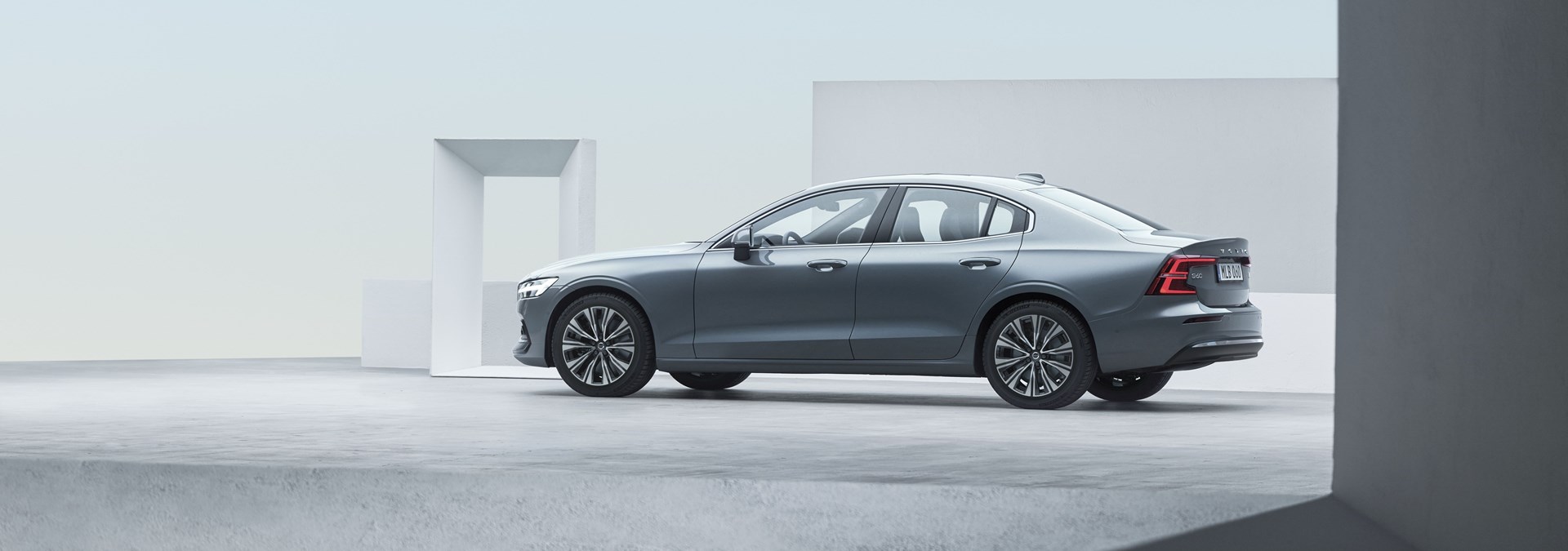
Volvo S60: common problems and what you need to know
The Volvo S60 is known as a safe and reliable mid-range saloon with Swedish design and solid build quality. Still, it remains a complex machine in which technical problems emerge over time. From engine issues to electronic faults and suspension problems: every generation of S60 has specific points to watch. Some issues regularly occur with particular model years or engine variants. Owners and potential buyers need to be aware of these weak spots. Want to know what to look out for with this popular Volvo?
Why you need to know about these problems
Knowing the most common technical issues helps you in several ways. As an S60 owner you can recognise problems at an early stage and prevent expensive damage by carrying out preventive maintenance. Thinking of buying a used example? Then you will know exactly what to watch out for during a test drive and when checking the service history. By being aware of these weak spots, you make a better informed choice. For more information about typical issues with this brand, take a look at car problems with Volvo for a complete overview.
‘ Every generation has specific technical characteristics and the associated points to watch. ’
The different generations and their typical issues
The Volvo S60 has gone through several generations since its introduction in 2000. Each generation has specific technical characteristics and associated points to watch.
The first generation (2000–2009) was built on the P2 platform and shared many components with the V70 and S80. These models are known for solid engines, but regularly suffer from faults in electronic systems and certain plastic components in the engine. The electronics from this period are now dated and prone to failures.
The second generation (2010–2018) introduced a new platform and more refined technology. This S60 is generally more reliable, but has points to watch with certain diesel engines and the PowerShift dual-clutch system. This system uses two clutches that are electronically controlled to change gears without interrupting power delivery. The electronic parking aids and sensors are also sensitive to moisture and corrosion.
The third generation (from 2019 onwards) uses the SPA platform (Scalable Product Architecture), a modular construction system that Volvo also uses for other models. This generation mainly uses mild-hybrid petrol engines. These newer models are still relatively young, but owners sometimes report software issues in the infotainment system and initial teething problems with electronics, which are resolved via updates.


Engine issues by fuel type
Petrol engines in the S60 are generally considered reliable, but here too there are specific issues. The five-cylinder T5 engine from the first generation develops problems with the turbocharger and oil leaks at the valve stem seals at higher mileages. This shows up as blue-grey smoke when accelerating and increasing oil consumption.
The later four-cylinder turbo engines (T4, T5, T6) are more compact and efficient, but are sensitive to carbon build-up on the intake valves. This causes an irregular idle speed and loss of power. Regular longer journeys at speed help to prevent this. With models that have direct injection, professional cleaning is sometimes necessary.
Diesel engines, especially the D3 and D4 from the second generation, are economical but suffer from problems with the diesel particulate filter (DPF) when mainly used for short trips. The DPF traps soot particles from the exhaust gases to reduce emissions. Blocked DPFs lead to faults in the engine management and limp-home mode. The EGR valve also becomes contaminated over time. The EGR valve (Exhaust Gas Recirculation) routes exhaust gases back to the engine to lower combustion temperatures. Contamination results in reduced performance and higher emissions.
The five-cylinder diesels (D5) are powerful but susceptible to problems with the fuel pump and injectors. The fuel pump operates at very high pressure to inject diesel into the engine. These parts are expensive to replace. Some owners also report turbo issues at high mileages, especially when oil changes have been postponed.
Transmission: manual and automatic
Manual gearboxes in the S60 are generally reliable and give few problems. Clutch wear occurs under normal driving conditions and depends greatly on driving style. You can recognise a slipping clutch by the engine revs rising without an increase in speed, especially when accelerating in higher gears.
The Aisin automatic gearbox (used in many first and second generation models) is known as robust. Regular oil changes according to Volvo’s specifications significantly extend its lifespan. Slow or harsh gear changes indicate aged transmission oil or wear in the valves inside the transmission.
The PowerShift dual-clutch system, used in certain models around 2010–2015, has more reported issues. Owners sometimes experience jerky gear changes, especially at low speeds in town. In more serious cases the clutch wears out prematurely. Volvo has released software updates for certain model years to improve the shift behaviour. When buying used, it is wise to check whether these updates have been carried out.
The eight-speed automatic in newer models (from 2019 onwards) shifts smoothly and rarely causes problems. The mild-hybrid technology supports seamless gear changes and contributes to comfortable driving.
‘ The on-board computer stores fault codes that do not always point to real problems. ’
Electronic faults and sensors
Modern Volvos contain a lot of electronics and that brings specific vulnerabilities. The infotainment system in the second generation responds slowly or freezes. A software update at the dealer often helps. In the third generation with the large vertical screen, owners sometimes report start-up problems or failure of Android Auto. Android Auto is a system that links the smartphone to the car’s screen for navigation, music and communication.
Parking sensors are sensitive to moisture and dirt. Corrosion on the contacts or cracks in the sensor itself cause constant beeping or error messages. Check the sensors regularly for damage and clean them when washing the car.
The ABS and stability sensors can fail after years, especially after exposure to road salt. These sensors measure wheel speed and help the braking system and stability control function correctly. A defective wheel speed sensor triggers a warning light on the dashboard and disables the ABS system. Replacement is usually straightforward but often requires original parts for proper operation.
Electronic problems with the steering lock sometimes occur on models with keyless entry. The car then will not start because the steering lock thinks the key is not present. You can solve this by replacing the battery in the key or resetting the steering lock via the dealer.
The on-board computer stores fault codes that do not always point to real problems. Always have fault messages read by a specialist to avoid unnecessary repairs. Sometimes a system reset resolves temporary faults.

Chassis, suspension and brakes
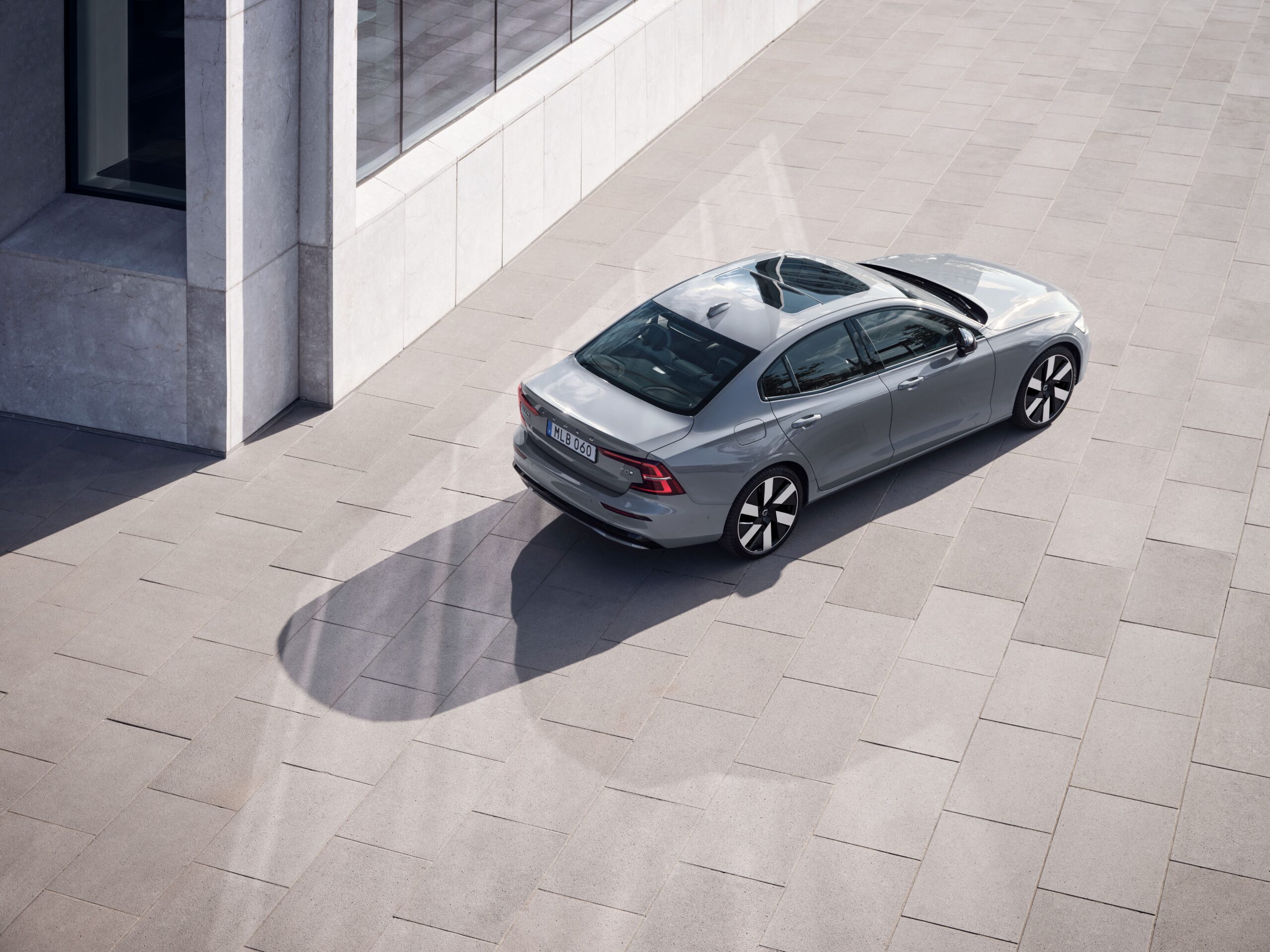
The S60’s chassis is sturdily built but shows normal wear on rubber components. The bushes of wishbones and anti-roll bars wear out over time. This happens particularly with intensive use on bumpy roads. Wear is noticeable as knocking noises when cornering or driving over uneven surfaces.
Shock absorbers typically last between 80,000 and 120,000 kilometres, depending on driving conditions. You can recognise worn dampers by a floating feeling in bends and longer braking distances. Also check for oil leaks around the damper rods.
The steering system has electric assistance and rarely causes problems. Some owners, however, report increased steering effort at low speeds, which points to a fault in the power steering or sensor issues. This requires diagnosis by a specialist.
The brakes are generally strong and durable. The brake discs usually need replacing after 60,000 to 100,000 kilometres, especially with frequent city driving. Vibrations when braking indicate warped discs that need resurfacing or replacement. The electric parking brake in newer models sometimes seizes after standing for long periods in damp conditions.
Interior and bodywork
The interior of the S60 is solidly finished, but here too signs of wear appear after years of use. Seat upholstery wears with intensive use, especially on leather versions without proper care. When buying used, check for tears and discolouration.
The dashboard and centre console can fade or become dull after prolonged exposure to sunlight. Plastic buttons and switches may become stiff or snap off. This is especially visible on models built before 2015.
The climate control generally works well. The evaporator can become blocked over the years or produce a mouldy smell. Regular cleaning of the air conditioning system prevents this. Poor cooling performance often points to a leak in the system or an empty air conditioning compressor.
Corrosion is rare on modern Volvos thanks to good body protection. Still, keep an eye on paint damage and stone chips, especially around the wheel arches and the bottom edges of the doors. Repair these in good time to prevent rust from forming.
The boot is spacious but the boot lid struts weaken over the years. This shows up as a lid that no longer stays fully open. Replacing the gas struts is simple and affordable.
‘ Don’t ignore this: a broken timing belt causes severe engine damage. ’
Preventive maintenance for long-lasting driving pleasure
Regular servicing according to Volvo’s maintenance schedule extends the life of your S60 considerably. Replace engine oil and filter every year or according to the specified mileage. Always use the specifications recommended by Volvo.
Pay attention to timing belt replacement on models that have one. The recommended interval is often around 100,000 to 160,000 kilometres, depending on the engine. Don’t ignore this: a broken timing belt causes severe engine damage.
Regularly check all fluid levels: engine oil, coolant, screenwash and brake fluid. Replace the brake fluid every two years to prevent moisture build-up. This protects the braking system against internal corrosion.
Inspect the tyres for wear and damage. Check tyre pressures monthly, as correctly inflated tyres improve fuel consumption and handling. Rotate the tyres to ensure even wear.
Have the air conditioning system checked annually and recharged if necessary. This not only prevents cooling issues but also leaks that are expensive to repair. A properly functioning air conditioning system also significantly increases comfort.
Do you mainly use the car for short journeys? Then plan a longer trip regularly to bring the engine up to temperature and regenerate the diesel particulate filter. This prevents costly blockages.


Buying tips for a used S60
Start with a thorough check of the service history. A complete service booklet with stamps from approved garages inspires confidence. Pay particular attention to major services carried out and the replacement of wear parts such as the timing belt.
Test all electronic functions during the test drive. Check the infotainment system, air conditioning, parking sensors, cruise control and all lighting. Electronic faults are often expensive to fix.
Listen for noises while driving. Knocking or rattling sounds indicate problems with the chassis or engine. Test the car on different road types: motorway, town and bumpy roads.
Inspect the condition of the engine visually. Signs of oil leaks around the cylinder head or at the bottom of the engine require further investigation. Also check the colour of the exhaust gases: black or blue smoke points to problems.
For diesel models, the condition of the diesel particulate filter is important. Ask whether it has recently been regenerated or replaced. A blocked DPF is an expensive repair that can easily exceed a thousand euros.
If in doubt, always have an independent inspection carried out. Considering going ahead with the purchase? Have an inspection done first. This costs a few dozen euros but saves you hundreds to thousands of euros in hidden defects.
Reliability in perspective
The Volvo S60 remains a solid mid-range saloon with a strong reputation for safety and comfort. Technical problems do occur, but are often predictable and can be prevented with proper maintenance. Most issues are concentrated around electronic systems, specific transmissions and wear to suspension components.
Owners appreciate the S60 for its ride comfort, safety features and Scandinavian design. Maintenance costs are broadly in line with other premium brands, provided you tackle problems in time and carry out preventive maintenance. If you choose an example with a proven reliable engine and complete service history, you will have a car that will last for many years. Knowing the weak points helps you spot problems before they become serious and increases the driving pleasure with this Swedish saloon.