
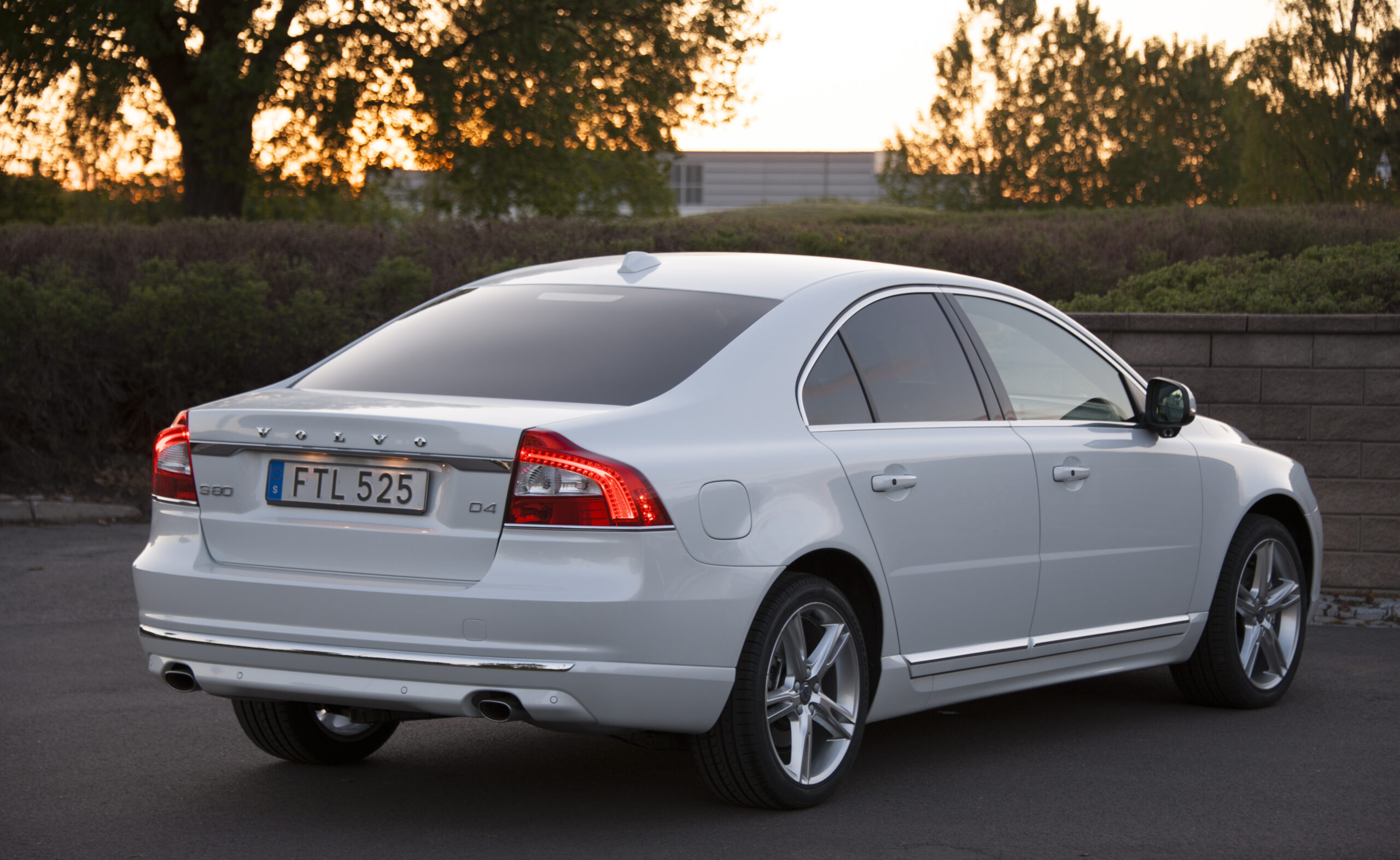
Volvo S80: a Swedish comfort classic with quirky teething troubles
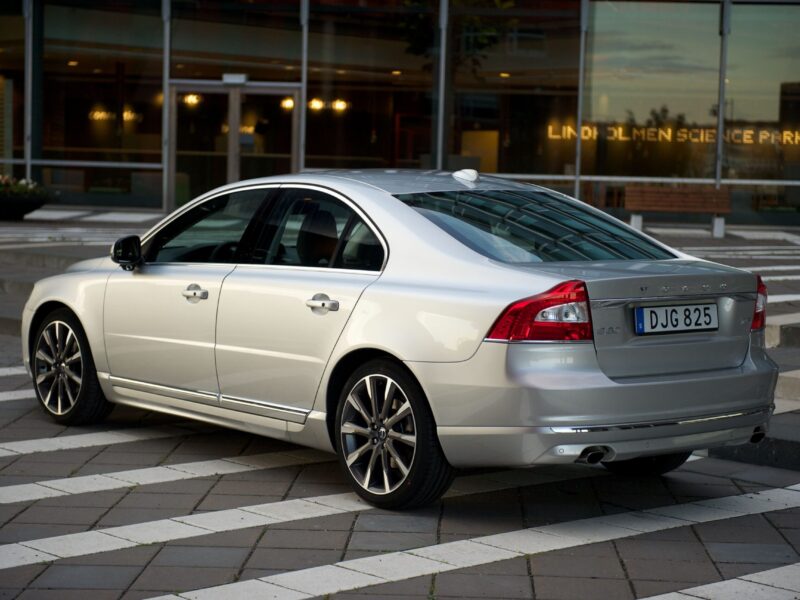
The Volvo S80 combines Swedish design, outstanding safety and relaxed long-distance capability in a premium saloon that proved its worth between 1998 and 2016. In practice, however, this luxury car, despite its reputation for reliability, suffers from a number of characteristic faults that differ per generation and engine type. In particular the diesel engines, complex electronics and transmission require extra attention when buying and maintaining. Are you looking for an affordable luxury car with character? Then here you can read what you need to know.
Why the Volvo S80 is still popular
The S80 still attracts buyers looking for a spacious, comfortable car with a high level of safety equipment. The first generation (1998–2006) stands out with its rounded lines and transversely mounted six-cylinder engines, a technical first for Volvo. The second generation (2007–2016) refined the concept with a crisper design, better aerodynamics and the option of four-wheel drive.
Owners appreciate the quiet cabin, the smooth ride and the generous boot space. The car is ideally suited to long distances and offers standard luxury features such as leather upholstery, climate control and advanced audio systems. On the used market, the S80 therefore remains an interesting choice for anyone seeking premium comfort without paying new-car prices.
Even so, this Swede calls for informed choices. For information about broader car problems with Volvo models you can turn to specialist platforms, but below we focus specifically on the S80.
‘ “The complexity of the electronics and certain engines regularly causes faults after 150,000 kilometres.” ’
Volvo’s reputation: safety and reliability under scrutiny
Volvo is synonymous with safety. The S80 comes with Side Impact Protection System, dual airbags, side-curtain airbags front and rear, WHIPS whiplash protection and automatic seatbelt pretensioners. Later models gained Blind Spot Information System and Lane Departure Warning.
Reliability is a more nuanced story. The S80 scores reasonably well in owner satisfaction, but does show specific weak spots. The complexity of the electronics and certain engines regularly causes faults after 150,000 kilometres. That does not mean every S80 is unreliable, but it does mean that targeted checks before purchase and preventive maintenance make a difference.
Common problems with the Volvo S80: a general overview
The most frequently reported faults are concentrated around several systems. Electronics are a recurring theme, especially in models from 2007 onwards with more elaborate infotainment and sensors. The D5 diesel engine and the automatic gearbox also deserve extra attention.
In addition, owners occasionally report issues with the suspension and subframe (the suspension and load-bearing structure under the car), particularly on cars with higher mileage or intensive use. Rust is less of a problem in the S80 than in older Volvos, but remains a point to watch in certain areas. The following sections look at these themes in more detail.
Engine problems Volvo S80: the D5 diesel and T6 petrol engines
The D5 diesel engine (Volvo five-cylinder diesel, 140–163 bhp) is known for its efficiency and suitability for long distances, but has specific ailments. Turbo problems are common, often caused by clogged oil feed lines or wear after 200,000 kilometres. Symptoms include whistling noises, smoke and loss of power. Turbo repair costs between €800 and €1,500; replacement can rise to €2,500.
The EGR valve (exhaust gas recirculation valve) of the D5 also often becomes clogged, leading to an irregular idle and warning lights on the dashboard. Cleaning costs around €150, replacement about €400. The injection system (fuel injection) can develop leaks or become clogged over time, especially when using lower-quality diesel.
The T6 petrol engine (Volvo six-cylinder turbo petrol, 272–300 bhp) with its twin turbos delivers sporty performance but demands careful maintenance. The timing belt must be replaced in good time, usually around 160,000 kilometres or every ten years. Delaying this can lead to serious engine damage. Replacement including water pump costs between €800 and €1,200.
On the T6, the turbos are also prone to wear, especially with aggressive driving or insufficient warm-up time. The V8 version (eight-cylinder petrol, 311–315 bhp), produced between 2007 and 2010, is rarer and has a reputation for higher oil consumption and high maintenance costs.
‘ The automatic, often the five- or six-speed Aisin or Geartronic (Volvo automatic with manual shift mode), gives more cause for complaints. ’
Transmission and clutch: manual versus automatic
The S80’s manual gearbox is generally reliable. Clutch wear occurs around 150,000 to 200,000 kilometres, depending on driving style. Including labour, replacement costs roughly €600 to €900. Symptoms include clutch slip when pulling away or a high biting point.
The automatic, often the five- or six-speed Aisin or Geartronic (Volvo automatic with manual shift mode), gives more cause for complaints. Jerky shifting is common, especially on a cold start. This can indicate worn transmission fluid or software issues. A transmission fluid change costs around €300 and often resolves shifting problems.
In more serious cases the automatic transmission can show internal wear, especially on models above 200,000 kilometres. Overhaul or replacement then runs to €2,000 to €4,000. When buying, check that the transmission shifts smoothly in all positions and that there are no strange noises.
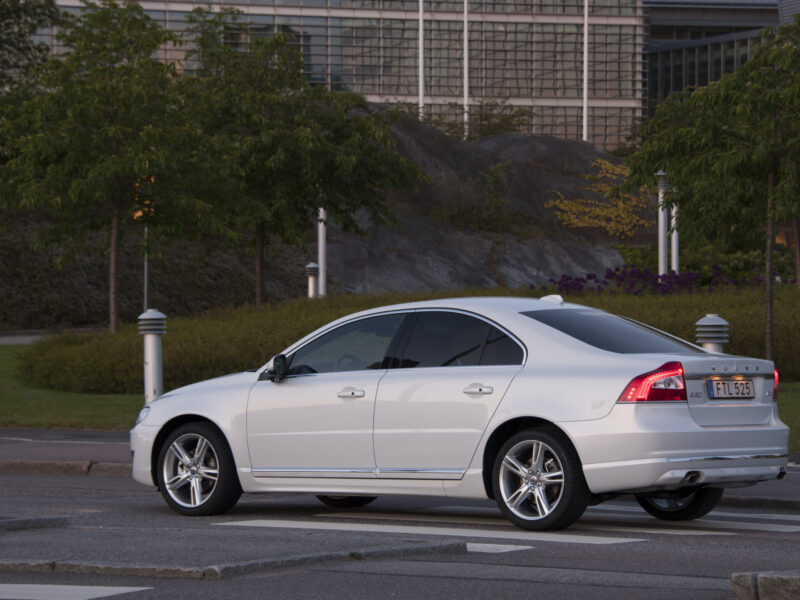
Electronics and software: from sensors to infotainment
The S80’s electronics are advanced but also vulnerable, particularly in the second generation. Sensors for, among other things, parking assist, tyre pressure monitoring (TPMS, system that monitors tyre pressure) and climate control can fail. Symptoms range from dashboard warnings to systems that no longer work.
The infotainment system can respond slowly or freeze, sometimes fixable with a software update. Navigation and Bluetooth occasionally have connection issues. A dealer or specialist can install updates for €100 to €200.
The Body Control Module (BCM, central electronic control unit), which controls central electrical functions, also occasionally develops faults. This can lead to odd phenomena such as wipers coming on by themselves or flashing warning lights. Diagnosis and repair cost between €200 and €600, depending on the cause.
Chassis and suspension: impact on ride comfort and handling
The S80’s chassis is designed for comfort and stability, but suffers wear at higher mileages. Shock absorbers can show reduced damping after 100,000 to 150,000 kilometres, leading to less comfortable suspension behaviour and longer braking distances. Replacement per axle costs €400 to €700.
Ball joints (pivot points in the front suspension) and control arm bushes (rubber connections between control arm and body) are prone to play, especially with intensive use or poor roads. Typical symptoms are knocking noises over bumps and less stable steering. Replacing ball joints costs around €150 to €250 per side; control arms €300 to €500 per axle.
During a test drive or inspection, have the wheel suspension (suspension of the wheels and control arms) checked for play. A mechanic can confirm this by rocking the wheels and visually inspecting the bushes.
‘ They are not, however, immune to wear. ’
Brakes and steering: safety-critical components
The S80’s brakes are solid. They are not, however, immune to wear. Brake discs can show wear marks or grooves from around 60,000 kilometres, depending on driving style and terrain. Replacing front and rear together including pads costs about €400 to €700.
Brake callipers can seize due to corrosion, especially on cars that stand still a lot or drive in areas where salt is used on the roads. This leads to uneven wear on pads and discs. Overhaul or replacement of callipers costs €150 to €300 each.
The power steering is generally reliable. Older models with hydraulic assistance often suffer leaks in hoses or pump. Electric power steering on later models rarely causes problems. The steering sensor can, however, generate fault codes. Diagnosis and repair cost €200 to €500.
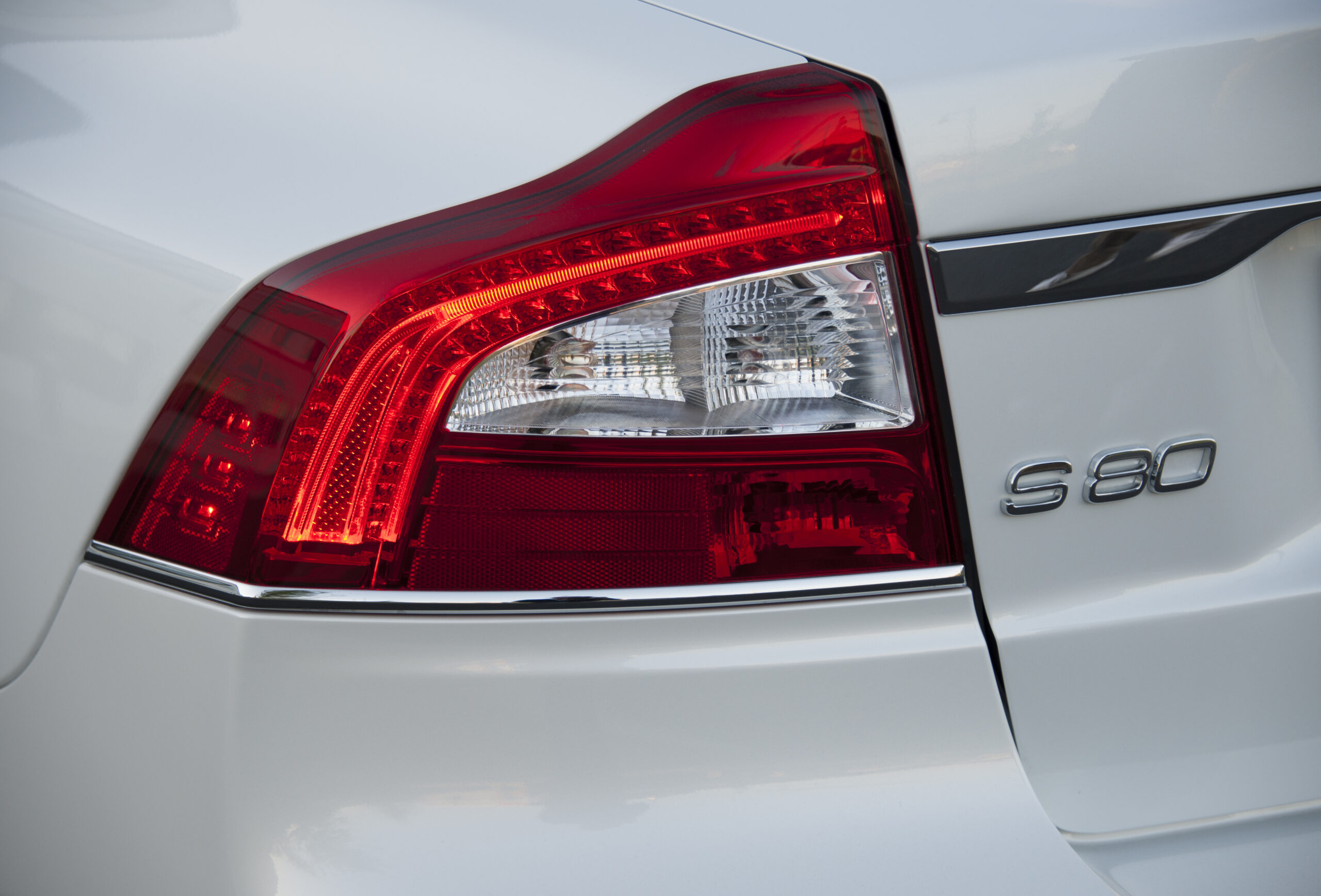
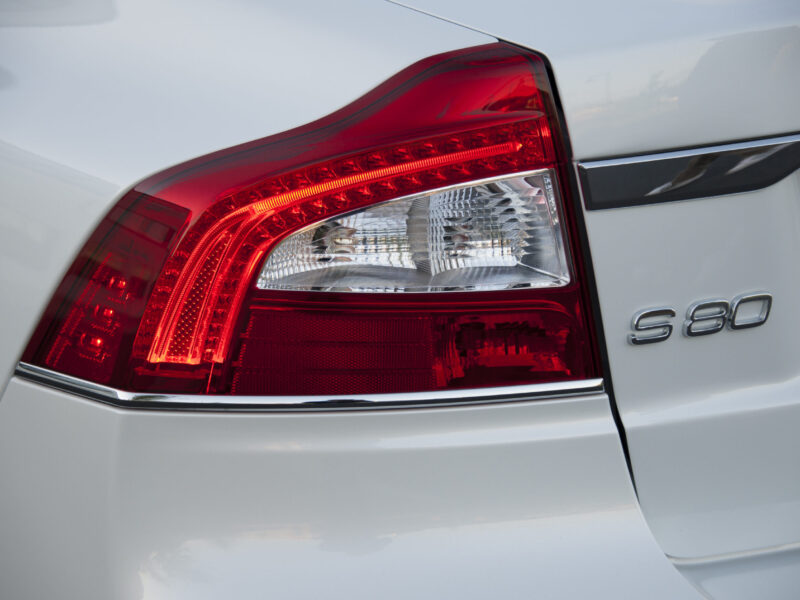
Rust and bodywork: weak spots and prevention
Rust is less of a problem on the S80 than on older Volvo models, but certain spots deserve attention. Check the wheel arches, especially the rear ones, for rust forming from the inside. The undersides of the doors and sills can also rust, especially on cars from areas where a lot of road salt is used.
The bonnet and bootlid are less susceptible. Stone chips can, however, cause paint damage. If neglected, this will lead to rust. Have small paint defects repaired quickly to prevent perforation. A professional paint repair costs between €100 and €300 per panel.
Preventive maintenance such as regularly cleaning the underside and applying an anti-rust treatment extends the car’s life. This is especially worthwhile for cars that see many winters.
Interior and comfort systems: upholstery, air conditioning and more
The S80’s interior looks luxurious, with leather, wood and neat finishing. Even so, wear and defects occur here too. Leather seat upholstery can develop cracks over time, especially on the driver’s seat. Repair or re-trimming costs €300 to €800, depending on the extent.
The climate control usually works without issues, but the air-conditioning compressor can start leaking or fail after 150,000 kilometres. Replacement costs €600 to €1,000. During a test drive, check that the air con blows cold and listen for any unusual noises.
The infotainment screen can also show pixel faults or fail completely. Replacement runs to €500 to €800. Electrically adjustable seats sometimes suffer motor failures. Repair costs €200 to €400 per seat.
‘ Set aside at least €1,000 to €1,500 per year for servicing and minor repairs. ’
Repair and maintenance costs: a realistic estimate
Servicing costs for the S80 are higher than for the average family car, but remain manageable with preventive maintenance. A routine service costs between €250 and €400, depending on the garage. Using genuine parts increases the cost, but often delivers better quality.
For major services, including timing belt, water pump and fluids, budget €800 to €1,200. Diesel engines need extra attention for the turbo and fuel system, which pushes costs up slightly. For petrol engines, expenses are somewhat lower, unless there are turbo or engine issues.
Set aside at least €1,000 to €1,500 per year for servicing and minor repairs. At higher mileages or with intensive use this can rise to €2,000. Choose a specialist with experience of Volvos to keep diagnostics accurate and costs transparent.
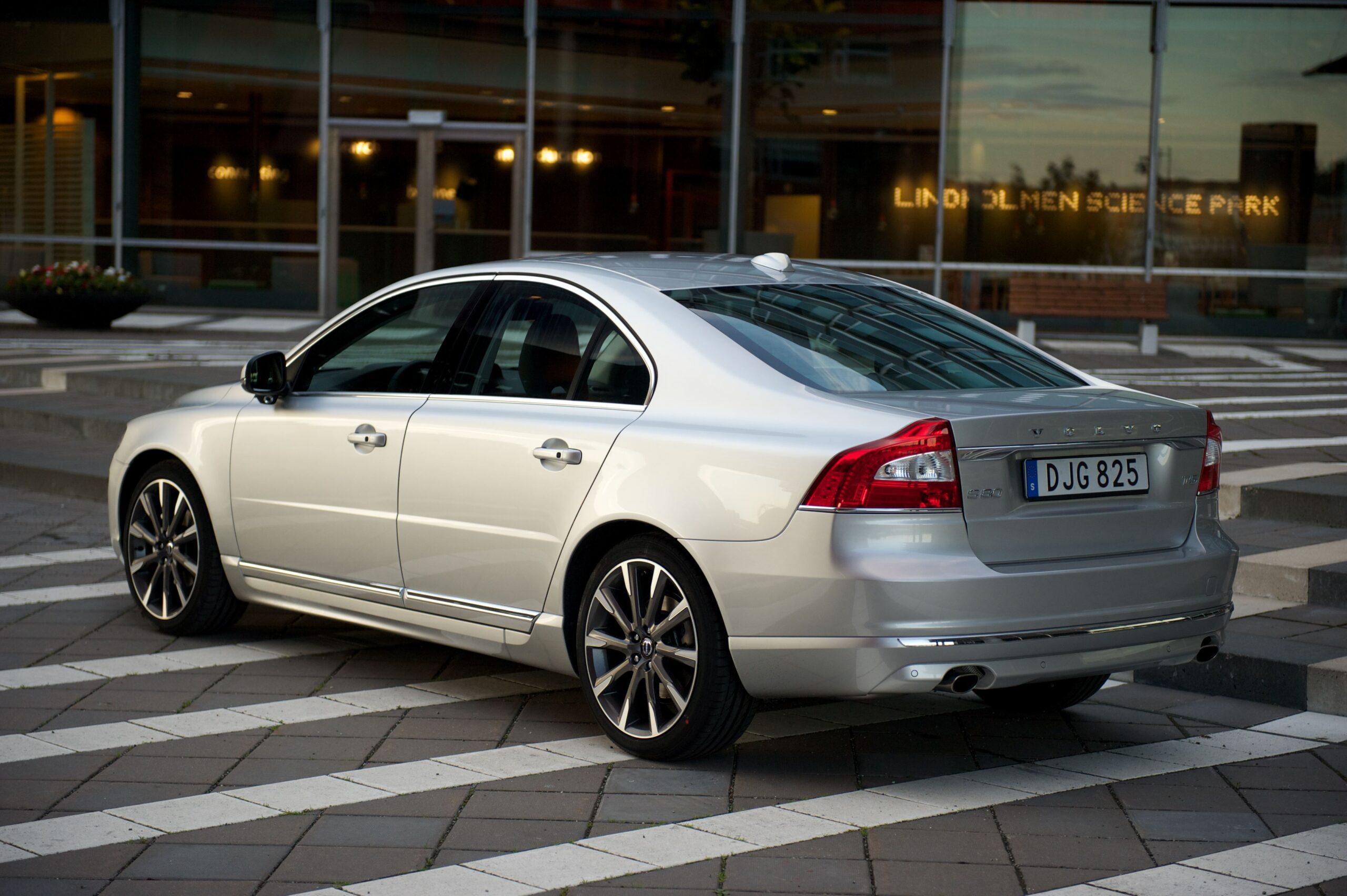
Buying advice for a used Volvo S80
Several things are important when buying a used S80. First check the service history. A complete service book with regular services at an authorised garage offers reassurance about the car’s past. Pay particular attention to timing belt replacement on petrol engines and the condition of the turbo on diesels.
Ask for a test drive and watch out for shifting problems in the automatic, unusual noises from the suspension and the functioning of all electrical features. Test the air con, infotainment and electrically adjustable seats. Check the dashboard for warning lights and, if possible, have a diagnostic scan carried out.
Inspect the bodywork for rust spots, especially in the wheel arches and along the bottoms of the doors. Check tyre pressures and tyre condition for uneven wear, which can indicate alignment issues. If in doubt, opt for a car with lower mileage and a recent service, even if you pay a little more.
Is the Volvo S80 the right choice for you?
The Volvo S80 offers attractive qualities for anyone who enjoys travelling in comfort and safety in a spacious saloon. Swedish build quality, the comprehensive safety package and the generous interior make the car a strong second-hand choice. At the same time, this luxury car calls for realistic pre-purchase checks and regular maintenance.
The known problem areas, such as the D5 diesel engine, the automatic transmission and the electronics, are manageable if you act preventively and choose a well-maintained example. Expect higher maintenance costs than with average cars, but in return you get ride comfort and safety that few other models in this segment can match. For car enthusiasts who value comfort and are not put off by a bit of technical attention, the S80 remains an interesting option.