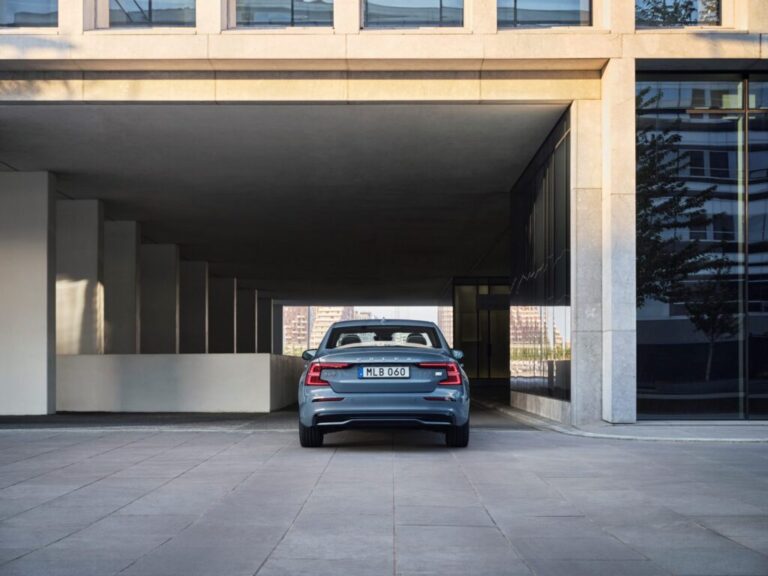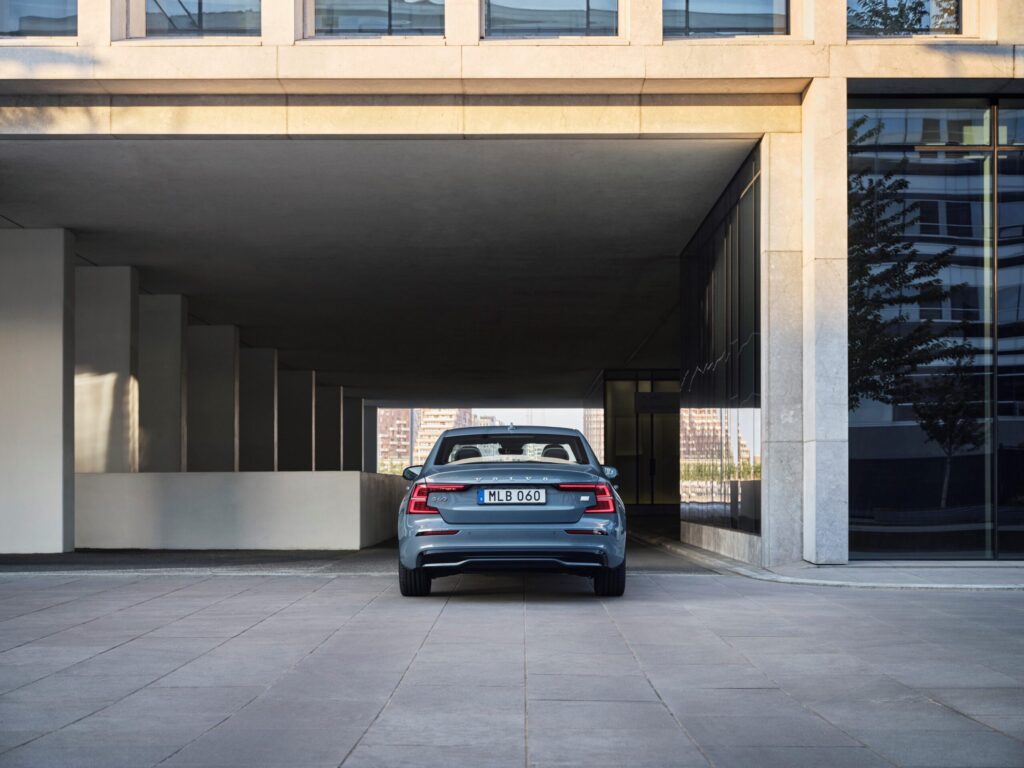
The Volvo S90 suffers from persistent problems caused by a discharging auxiliary battery, a start-stop function that cannot be switched off permanently, and rain sensors that suddenly fail. These faults cause daily frustration and unnecessary stress for many owners. Find out why these problems occur and what you can do about them.
The Volvo S90 is equipped with an advanced start-stop system with two separate 12V batteries. The main battery starts the engine with an output of 720 to 760 amps. In addition, there is a smaller auxiliary battery that specifically supports the start-stop function with 120 to 170 amps and a capacity of 10 Ah.
This dual-battery system sounds clever, but in practice it often causes headaches. The auxiliary battery has a limited service life and is sensitive to specific usage conditions. When this battery gives up, the message “Start/Stop Service Required” appears on the dashboard and the start-stop function can no longer work normally.
Why does the battery go flat in the Volvo S90?
The S90’s auxiliary battery has an average lifespan of only 3 to 5 years. This is significantly shorter than that of the main battery. The problem is made worse by short journeys, during which the auxiliary battery does not get enough time to recharge fully. Over time, the voltage drops below the critical threshold of 12 volts and fault messages appear in the system.
The auxiliary battery is of the AGM type, which stands for Absorbed Glass Mat. This type of battery can handle more charge and discharge cycles than a standard battery, but it is more expensive to buy. When the voltage drops or the charging capacity decreases, the system registers this immediately and switches off the start-stop function as a safety measure.
Recognisable symptoms of a flat auxiliary battery
The symptoms are usually easy to spot. It often starts with the warning “Start/Stop Service Required” on the display. This message appears as soon as the auxiliary battery drops below a certain voltage or when the charging capacity becomes too low. In addition, several fault codes may appear in the system at the same time, which can point to a battery problem.
With a weak auxiliary battery, you will notice that the start-stop function no longer activates while stationary in traffic. It may also be that the engine reacts more slowly when restarting after an automatic stop. Owners who mainly drive short distances experience these problems more often because the battery has too little time to recharge.
‘ For some owners, this is a daily irritation, especially when the auxiliary battery is weak and the function still does not work properly. ’
Permanently switching off start-stop in the Volvo S90
The start-stop function cannot be permanently switched off in the Volvo S90. This is a deliberate choice by the manufacturer and is linked to the guaranteed fuel consumption figures and emissions standards. On every journey, you must switch the function off manually again if you wish to do so.
You can temporarily switch off the start-stop function by pressing the button with the symbol. This button is usually located on the centre console. The deactivation remains active until the end of the journey, but when the car is started again, the function is automatically reactivated. For some owners, this is a daily irritation, especially when the auxiliary battery is weak and the function still does not work properly.
Alternatives to permanent deactivation
Some owners consider software modifications or third-party solutions (such as special modules or modified hardware that bypass the factory settings) to switch off the start-stop function permanently. However, this can affect the warranty and is not always reliable. In addition, вмешing in the software can lead to unexpected fault messages or malfunctions in other systems.
A more practical alternative is simply to accept the manual deactivation on every journey. This only takes a few seconds and prevents complications with the warranty and technical faults. If the auxiliary battery is in good condition, the system usually works without problems and you do not need to switch the function off as often.
Replacing the auxiliary battery: step-by-step guide and key points
Replacing the auxiliary battery costs around £100 and takes about 15 minutes if you follow the correct procedure. It is important to use an AGM battery, not an EFB type. EFB batteries are only suitable for manual starting and not for the start-stop function. Preferably use an original Volvo battery to avoid problems.
Replacement requires a few specific steps to ensure the system resets correctly and the fault message disappears:
- Open the bonnet and remove the cover panel from the auxiliary battery with an 8 mm socket
- First disconnect the negative terminal of the auxiliary battery (on the left-hand side)
- Go to the rear of the car and also disconnect the negative terminal of the main battery with a 10 mm socket
- Leave the system for 15 to 20 minutes so the capacitors fully discharge and the system resets
- Check that the new battery has at least 12 volts, preferably 12.6 volts
- Install the new auxiliary battery and connect the positive terminal first, then the negative terminal
- Then reconnect the main battery, first the positive terminal and then the negative terminal
The waiting time of 15 to 20 minutes is the most commonly forgotten part of this procedure. Without this reset, the fault message often remains, even with a new battery. Never use the negative terminal as the connection point for a jump starter or charger; always use the car chassis as the earth point for that.
Recognising a faulty rain sensor in the Volvo S90
Alongside battery problems, the Volvo S90 also suffers from rain sensors that fail. This is a separate issue that is not directly related to the batteries, but it does cause extra frustration. The rain sensor ensures that the windscreen wipers automatically adjust to the correct speed when it rains.
You can recognise a faulty rain sensor by several symptoms. The windscreen wipers no longer respond automatically to rain, even when you have switched on automatic mode. Sometimes the wipers keep running even though it is dry, or they wipe at irregular intervals without any clear reason. A fault message may also appear on the dashboard specifically referring to the rain sensor.
Causes of rain sensor problems
Rain sensor problems are often caused by dirt on the windscreen at the level of the sensor, which is usually located behind the rear-view mirror. Smears, cleaning-product residue or a dirty exterior can interfere with the sensor. Condensation between the windscreen and the sensor can also cause faults.
In some cases, the sensor itself is faulty because of electronic issues or a loose connection. This is less common, but it does require replacement of the component. If problems persist, have a specialist garage check the sensor and, if necessary, read the fault codes to establish the exact cause.
Practical tips for reducing battery problems
You can extend the life of the auxiliary battery by regularly making longer journeys. This gives the battery enough time to recharge fully. If you mainly drive short distances, consider charging the battery externally from time to time with a suitable charger.
At temperatures around 15 degrees, the battery needs at least 1 hour of charging for a full charge. At lower temperatures, this can rise to 3 or 4 hours. An external charger prevents the auxiliary battery from slowly running flat and ensures that the start-stop function continues to work as intended.
- Check the voltage of both batteries regularly, especially before winter
- Make sure the battery terminals are clean and properly connected
- Replace the auxiliary battery preventatively after 4 years to avoid problems
- Only use AGM-type batteries for the start-stop function
- Always follow the 15 to 20 minute reset procedure when replacing it
If the fault message remains after replacing the battery, check whether you observed the waiting time and whether the new battery is correctly charged. Batteries from third-party suppliers are sometimes insufficiently charged when purchased, which immediately triggers a fault message.
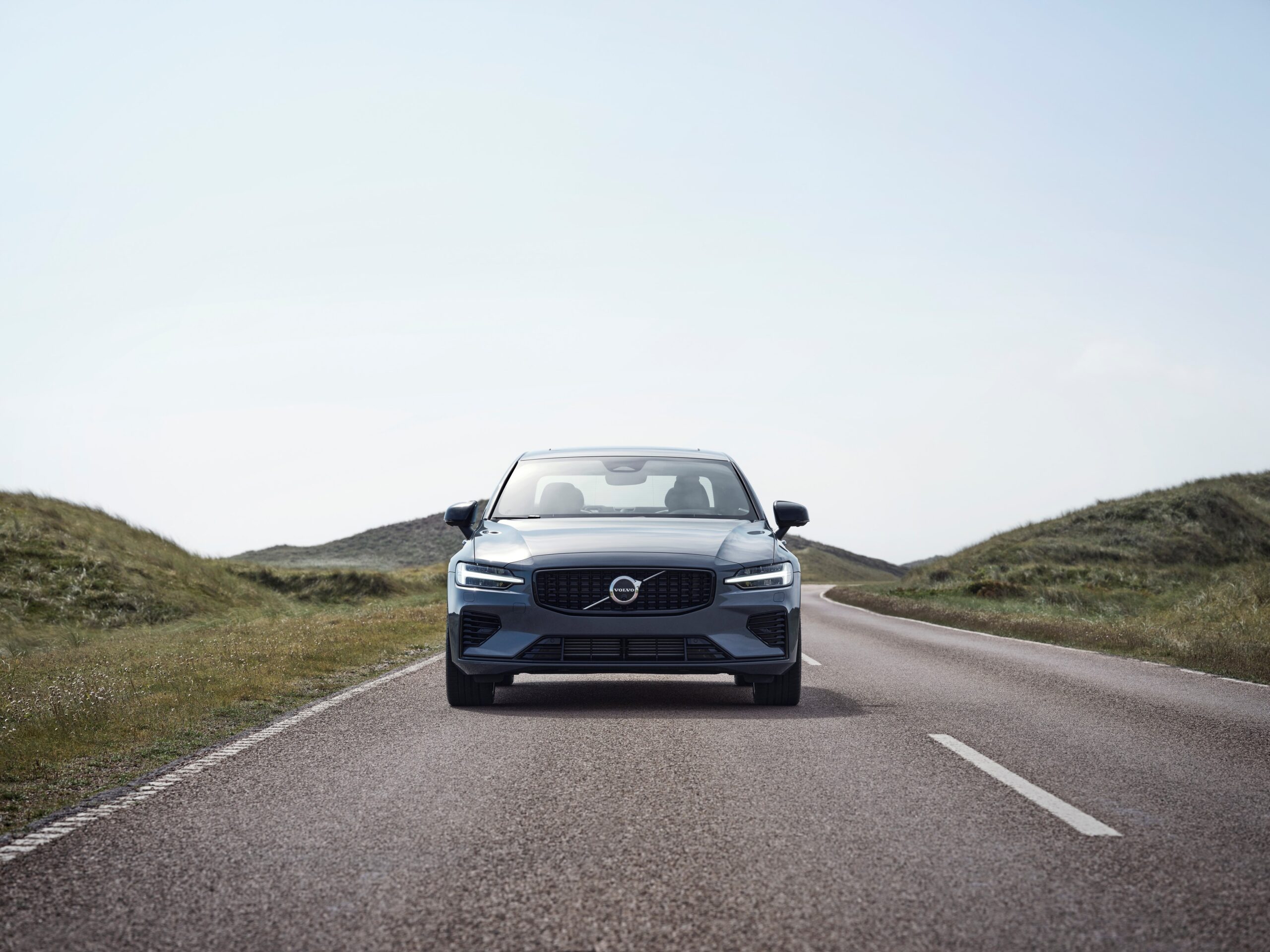
When should you take the car to a garage for battery and start-stop issues?
Some problems can be fixed yourself, but there are situations where professional help is necessary. If the fault messages persist after replacing the auxiliary battery and resetting the system correctly, there may be a deeper electrical problem. Further investigation is also needed if the main battery is regularly going flat.
Have the car checked if, alongside the start-stop warning, other electrical faults also occur, such as problems with the lighting, the infotainment system or central locking. This may point to a faulty alternator, a wiring issue or an electronic malfunction.
On the Carnews website you will find much more information about electrical problems in different car brands, maintenance tips for modern start-stop systems and practical guides to solving common car problems. Discover more knowledge and experience to help you maintain your car.
Frequently asked questions
In the Volvo S90, start-stop problems are often recognised by messages such as “Start/Stop Service Required” or by the engine failing to switch off and restart automatically when stationary. You can also spot a weak auxiliary battery through frequent fault messages, several fault codes appearing at once, and the fact that start-stop no longer works, especially after short journeys. If you measure less than about 12 V on the auxiliary battery (around 12.6 V is normal), that strongly suggests a worn or flat battery. If warnings keep returning after replacement or charging, it is likely that the auxiliary battery has reached the end of its life, usually after 3–5 years.
The start-stop problems and battery faults in the Volvo S90 are often caused by ageing or voltage drop in the specific AGM auxiliary battery (the battery for the start-stop system), which is sensitive to short journeys and has a limited lifespan of around 3–5 years. If this auxiliary battery drops below a certain charge capacity or 12 V, the car generates fault codes and the message “Start/Stop Service Required”, even if the main battery is still fine. Technically, the S90 is distinctive because it has clearly separated main and auxiliary batteries for start-stop, with strict requirements for battery type (AGM) and reset procedure (including complete power disconnection and a waiting period for capacitor discharge). In many other car models, the start-stop function runs from a single battery, or batteries are less strictly separated, so problems are more likely to show up as a general battery fault or weak starting rather than a specific auxiliary battery/start-stop issue.
Above all, avoid lots of short journeys and give the battery regular opportunities to recharge fully, if necessary with a suitable external battery charger (AGM-compatible). Switch off the start-stop function during cold starts or when you know you will be stopping frequently, to spare the supporting AGM battery. Have the charging voltage and battery condition checked periodically, and replace an ageing battery (3–5 years) in good time with the correct AGM OEM battery. When charging or jump-starting, always connect the negative terminal via the chassis and make sure a new battery is fully charged before installation.
Possible solutions are: temporarily switch off the start-stop function and recharge the existing battery, or replace the faulty start-stop/auxiliary AGM battery entirely with a new one (preferably OEM). For diagnosis at a Volvo dealer or specialist, you should usually allow for about €50–€150, depending on the number of faults read out and labour charges. The cost of replacing only the start-stop support battery itself is roughly €100–€250 including fitting, depending on brand (OEM/aftermarket) and workshop. If the main battery is also worn, the total parts cost can be a further €150–€300 on top.
Start-stop problems can adversely affect the driving experience because the engine may cut out unpredictably or fail to restart, leading to jerky driving, less confidence in the system and annoyance in heavy traffic. If the system is switched off because of a weak auxiliary battery or fault messages, the engine runs at idle more often and some of the fuel savings from start-stop are lost. When it works properly, start-stop reduces fuel consumption in queues and urban traffic, but with repeated faults or error codes the software will restrict or disable the function, bringing your consumption closer to that of a car without start-stop. Checking and, if necessary, replacing the AGM auxiliary battery in time helps to preserve both the smoothness of the start-stop transitions and the fuel efficiency of your Volvo S90.