Common problems with the Volvo V40
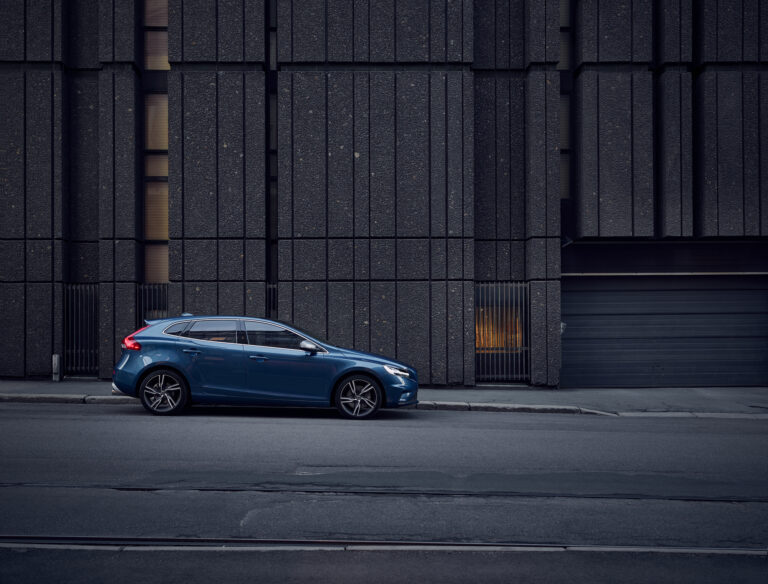
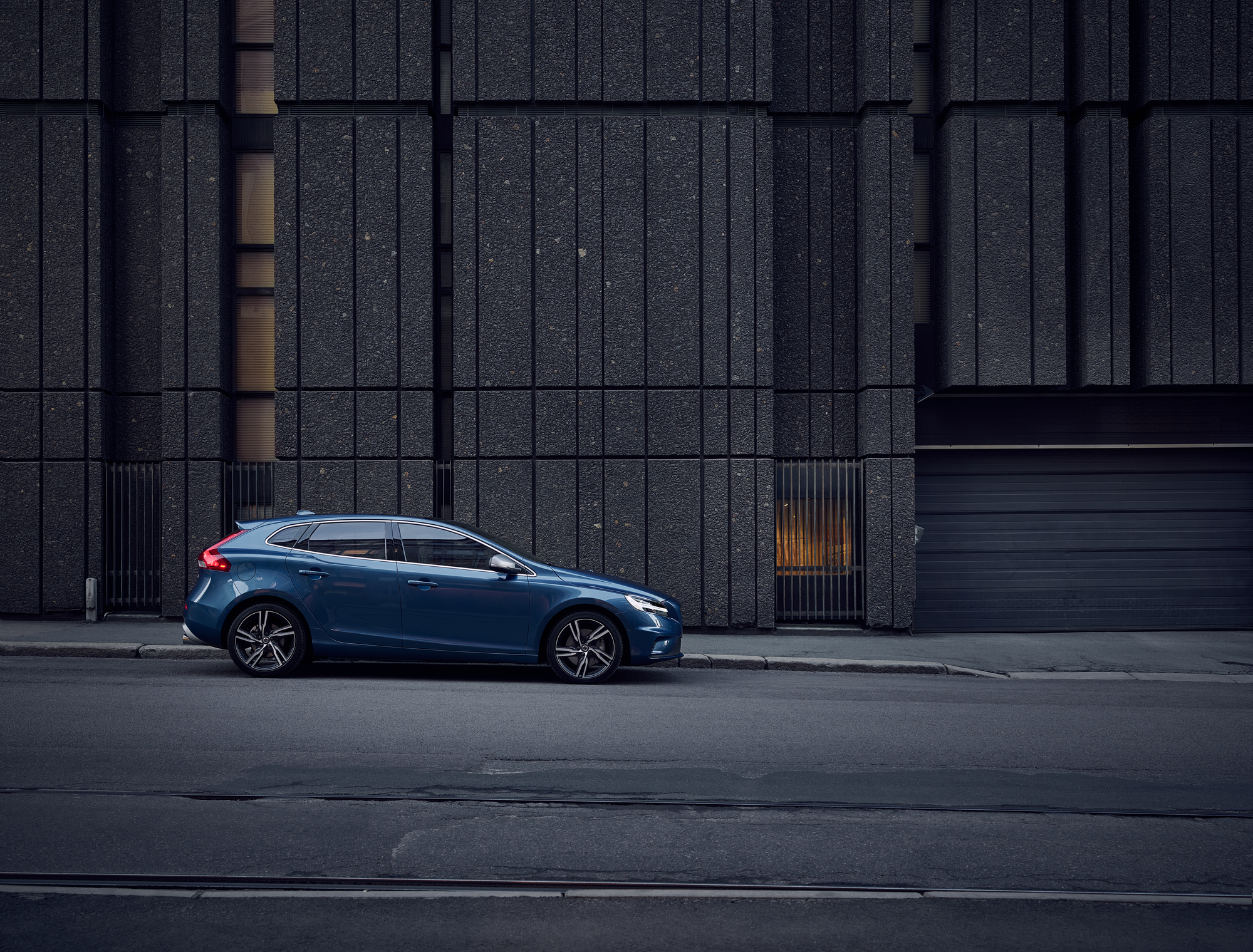
The Volvo V40 is a popular compact hatchback known for its Scandinavian design, excellent safety features and pleasant driving characteristics. However, this model also has a few recurring technical issues. Owners and potential buyers may experience problems because of these. Certain faults occur regularly with the V40, such as engine problems and electrical faults.
Understanding these common problems helps you as an owner or buyer to make informed choices. You know what to look out for during maintenance. You recognise early warning signs of defects. You can avoid major repair bills. For more general information about technical issues on different models from this brand, see the overview of car problems with Volvo. Read on to find out exactly what the V40 is prone to and how to deal with it.
Solid build quality with some known weak spots
The Volvo V40 generally has a good reputation for reliability. The model is built on a modern platform and benefits from Volvo’s many years of experience in build quality. Over the years, however, patterns have emerged in the complaints from owners. Some parts prove to be prone to wear or failure, especially on cars with higher mileages or from specific model years.
It is important to keep these problems in perspective. Most V40s provide many years of reliable service, but preventive maintenance and timely inspection of vulnerable components make the difference between years of driving pleasure and costly repairs.
‘ The diesel particulate filter is another vulnerable point on the diesel versions. ’
Problems with diesel engines: EGR valves and diesel particulate filters
The diesel engines in the V40, such as the popular D2 and D3, are usually reliable but have a few recurring issues. The exhaust gas recirculation (EGR) valve can become clogged over time. This leads to loss of power, rough idling and increased fuel consumption.
The diesel particulate filter (DPF) is another vulnerable point on the diesel versions. With a lot of short trips or urban use, the filter becomes clogged because it does not get hot enough to regenerate itself. Symptoms include a warning light on the dashboard, reduced performance and, in severe cases, limp mode. The car then switches to a safe mode with limited performance.
Possible causes:
- Too few motorway journeys, so the DPF cannot burn itself clean
- Use of the wrong engine oil or low-quality diesel fuel
- Wear of the EGR valve due to contamination
Make sure to regularly drive longer distances on motorways so the particulate filter can reach the right temperature. Have the EGR valve checked during routine servicing and consider cleaning it at the first signs of trouble.
Petrol versions: watch out for oil consumption and ignition coils
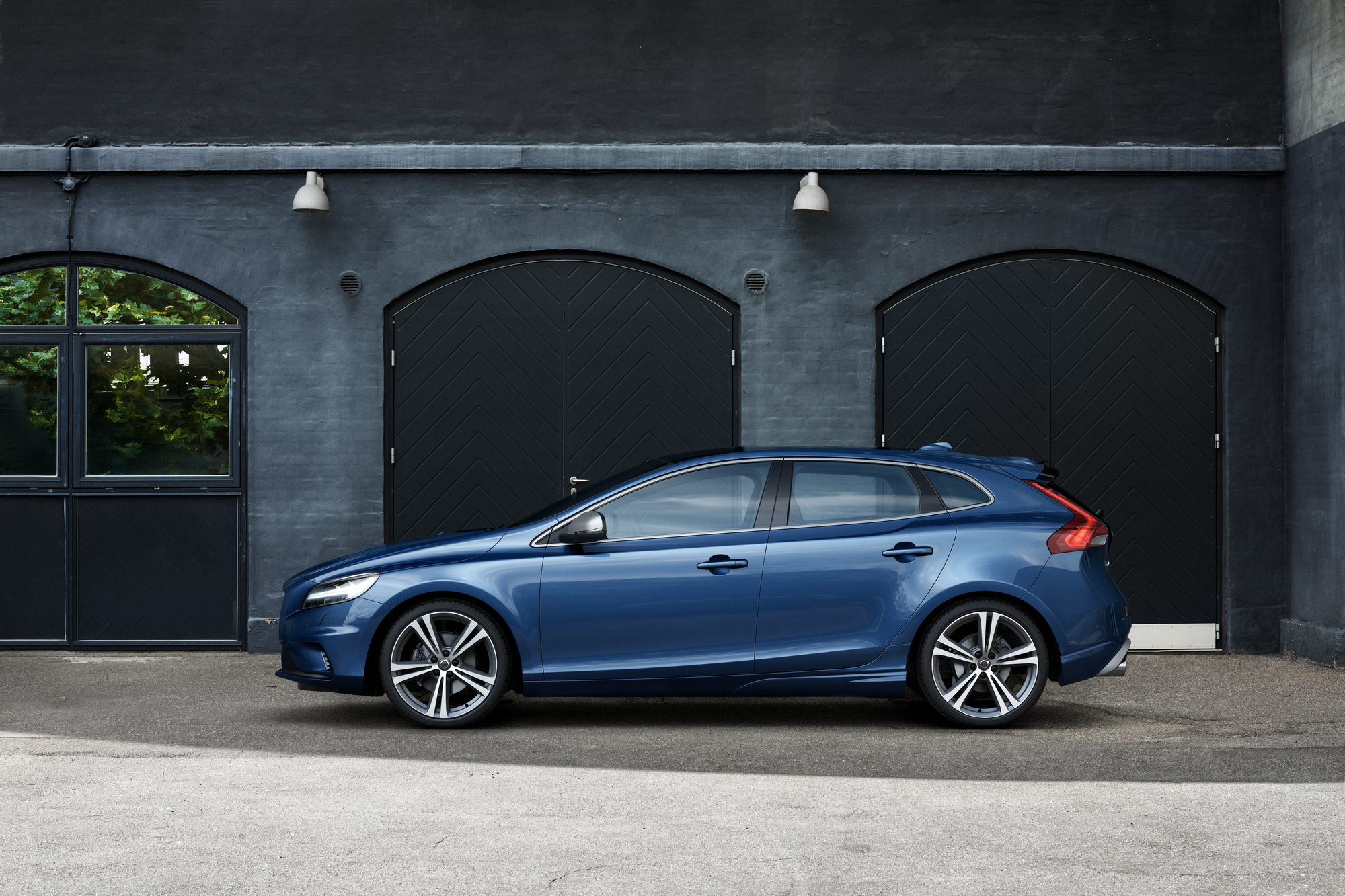
The petrol engines in the V40, ranging from 1.6 to 2.0 litres, are generally reliable but in some cases can show increased oil consumption. This is seen mainly in older examples and engines with irregular maintenance. Too little oil can lead to serious engine damage.
Ignition coils and spark plugs are another point of attention on the petrol engines. Worn coils cause misfiring, resulting in vibrations, loss of power and an irregular idle speed. The engine warning light may come on and the car may struggle to start.
Check the oil level regularly, especially on older cars or models with higher mileages. Replace spark plugs and ignition coils preventively according to the service schedule to avoid breakdowns.
Turbos: wear at higher mileages
Many V40 models are fitted with a turbocharger for better performance and lower emissions. Turbos are generally reliable, but after about 150,000 to 200,000 kilometres they can start to show signs of wear. This applies to both diesel and petrol versions.
Symptoms of a failing turbo include whistling or squealing noises, blue-grey smoke from the exhaust, loss of power and increased oil consumption. In some cases, the driver may notice vibrations or delayed response when accelerating.
Common causes:
- Insufficient or contaminated engine oil
- Trips that are too short, without the engine fully warming up
- Switching the engine off immediately after motorway driving
Use high-quality engine oil and change it on time. After a motorway journey, let the engine idle for a few minutes before switching it off so the turbo can cool down.
‘ At the first signs of trouble, having a specialist diagnose the problem is advisable to prevent more extensive damage. ’
Transmission problems: clutch and automatic gearbox
The manual versions of the V40 are generally robust, but the clutch can wear more quickly with intensive city driving. Symptoms include a high bite point, clutch slip during acceleration or difficulty engaging gears. The clutch usually lasts between 100,000 and 150,000 kilometres, depending on driving style.
The automatic Geartronic gearbox (Volvo’s automatic) has more potential issues. Owners sometimes report jerky gear changes, delayed response or unusual noises. In some cases, the gearbox refuses to change gear or goes into fault mode. This problem is more common on older models or cars with irregular maintenance.
Have the gearbox oil checked and replaced according to the prescribed schedule. At the first signs of problems, having a specialist diagnose the issue is advisable to prevent more extensive damage.
Electrical faults: sensors and start-stop systems
Modern cars such as the V40 are equipped with a lot of electronics and sensors. Unfortunately, this also brings vulnerability. Owners regularly report failures of various sensors, including parking sensors, the lambda sensor (which measures the oxygen content in the exhaust) and several climate control sensors.
The start-stop system, which automatically switches the engine off when stationary to save fuel, sometimes develops faults. The system then no longer works or keeps displaying error messages. This may be due to a weakened battery, defective sensors or software problems.
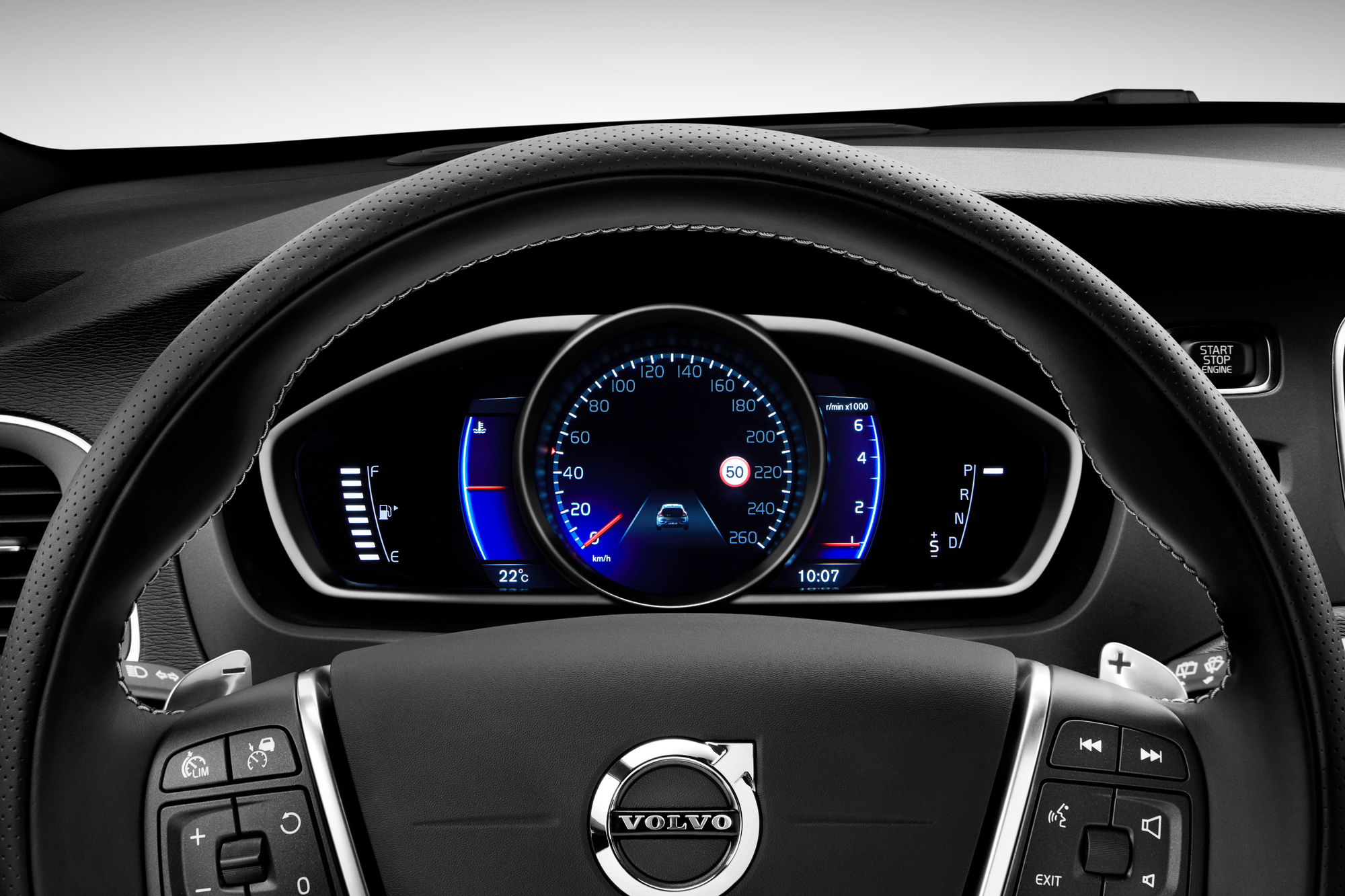
The infotainment system can sometimes freeze, respond slowly or fail completely. Instrument panel lighting that does not work, or error messages without an obvious cause, also occur. These problems can often be solved with a software update or a reset of the system.
If you have recurring electrical fault messages, have the workshop diagnostic equipment read out the fault codes. Many problems can be resolved by software updates or by replacing individual sensors.
Battery problems with intensive city driving
The battery of the V40 is under heavy load when the car is used mainly for short trips, especially combined with the start-stop system and electrical consumers such as heating, lighting and entertainment. A weakened battery can cause starting problems, electrical faults and failure of the start-stop system.
Have the battery tested regularly, especially before winter. Replace it in good time when its capacity starts to drop. If the car is used mostly in town, it is wise to take an occasional longer drive to fully charge the battery.
Suspension and running gear: wear to control arms and shock absorbers
The V40’s running gear is solidly built, but it does have the usual wear points. Control arms, especially the rubber bushes in them, can wear over time. This results in knocking noises while driving, uneven tyre wear and a less stable feel when cornering.
Shock absorbers typically last between 80,000 and 120,000 kilometres, depending on road conditions and driving style. Worn shock absorbers cause poor road holding, excessive bouncing after bumps and reduced braking performance.
Ball joints (pivot points in the wheel suspension) and anti-roll bar links are other components that require attention. Wear on these parts leads to knocking or rattling noises over uneven surfaces, especially when turning the steering wheel.
Have the suspension and running gear checked annually during the MOT or major service. Replace worn parts in good time to prevent damage to other components and unsafe situations.
‘ Always have faults in the power steering checked straight away, as this is a safety issue. ’
Steering system: electric power steering and leaks
The V40 has electric power steering, which is generally reliable. However, some owners report faults where the power assistance suddenly fails or feels too heavy or too light. This can be due to defective sensors, a problem with the steering module or electrical faults.
On older models or high-mileage cars, the seals of the steering rack (the mechanism that transfers steering movements to the wheels) can start to leak. This is noticeable from drips under the car and power steering that gradually becomes heavier.
Always have faults in the power steering checked straight away, as this is a safety issue. Regularly check for leaks under the bonnet and underneath the car.
Braking system: wear to brake discs and electric parking brake
The V40’s braking system is generally good, but brake discs and pads wear out just as on any car. With a lot of city driving, the brakes wear faster than with mainly motorway use. Some owners report that the rear brake discs are prone to corrosion, especially when the car is used infrequently.
The electric parking brake can develop faults over time. This shows up as warning messages, a parking brake that does not fully release or does not engage at all. Sometimes this can be fixed with calibration; in other cases, the module or motor needs to be replaced.
Have the brakes inspected at every service and replace discs and pads in good time. Use the parking brake regularly to prevent wear and seizing due to rust.
Water leaks and damp issues
Some V40 owners experience water leaks into the cabin, especially during heavy rainfall. This can be caused by blocked drains for the panoramic roof, aged seals around doors or windows, or leaking headlamp units. Moisture in the car leads to condensation, unpleasant odours and in the worst case damage to the electronics.
Regularly check the drains of the sliding roof and clean them to prevent blockages. Watch out for signs of moisture such as condensation on the windows or a musty smell in the cabin.
‘ This is mainly a cosmetic problem but can be annoying for owners who value a well-kept interior. ’
Interior wear: seat upholstery and buttons
The V40’s interior is generally well finished, but certain parts are prone to wear. The seat upholstery, especially on leather versions, can show cracks or discolouration after intensive use. The buttons on the climate control panel can become shiny or stick.
The touchscreen or centre console can show scratches and in some cases the coating can start to peel. This is mainly a cosmetic problem but can be annoying for owners who value a well-kept interior.
Treat leather upholstery regularly with a conditioner to prevent drying out and cracking. Treat the interior with care and avoid aggressive cleaning products.


Preventive maintenance: prevention is better than repair
Many problems with the Volvo V40 can be prevented or reduced through regular maintenance. Follow the service schedule prescribed by Volvo and use quality parts and fluids. For diesel engines, regular longer journeys are important to keep the particulate filter clean.
Checking fluid levels, tyre pressures and brakes are simple tasks that can prevent major problems. Have faults or unusual noises investigated immediately instead of waiting, as small issues can grow into expensive repairs.
Tips for preventive maintenance:
- Change engine oil and filter according to the schedule, preferably a little earlier if the car is heavily used
- Regularly check fluid levels, especially engine oil on older models
- Make at least one longer journey a month to allow regeneration of the diesel particulate filter
- Have the battery tested before winter and replace it if in doubt
- Clean the drains of the panoramic roof to prevent water leaks
Investing in preventive maintenance always pays off and helps keep the V40 reliable.
Checklist for buying a used Volvo V40
Planning to buy a used V40? Then pay close attention to the known problem areas. A thorough inspection prevents unpleasant surprises after purchase. Take plenty of time for a test drive and check the service history carefully.
Important checkpoints:
- Ask for the complete service book and check whether servicing has been carried out on time
- Test the start-stop system and watch for electrical warning messages on the dashboard
- Check the operation of the automatic gearbox: does it change gear smoothly without jerks?
- Listen for unusual noises from the suspension over bumps during the test drive
- Test the power steering and check for leaks under the bonnet
- Check the interior for damp patches or condensation
- On diesel versions, have the EGR valve and particulate filter inspected
- Ask about the condition of the turbo, especially on cars with more than 150,000 kilometres
- Check whether software updates have been carried out for known electrical problems
If in doubt, consider an independent inspection by a specialist. The cost of this does not compare to potential repair bills later on.
‘ With the right care, the V40 is a pleasant and reliable compact hatchback that lives up to its reputation as a safe and comfortable car. ’
The V40 in perspective: a reliable choice with some points to watch
The Volvo V40 remains an attractive choice in the compact premium segment. The model combines safety, design and driving comfort with acceptable maintenance costs. Yes, there are some known problem areas, but these can largely be managed with preventive maintenance and timely repairs.
Maintain your car well and stay alert to the points discussed. The V40 will then provide many years of reliable service. Most issues are not deal breakers, but they do require attention. When buying, weigh the maintenance history and overall condition carefully. With the right care, the V40 is a pleasant and reliable compact hatchback that lives up to its reputation as a safe and comfortable car.