
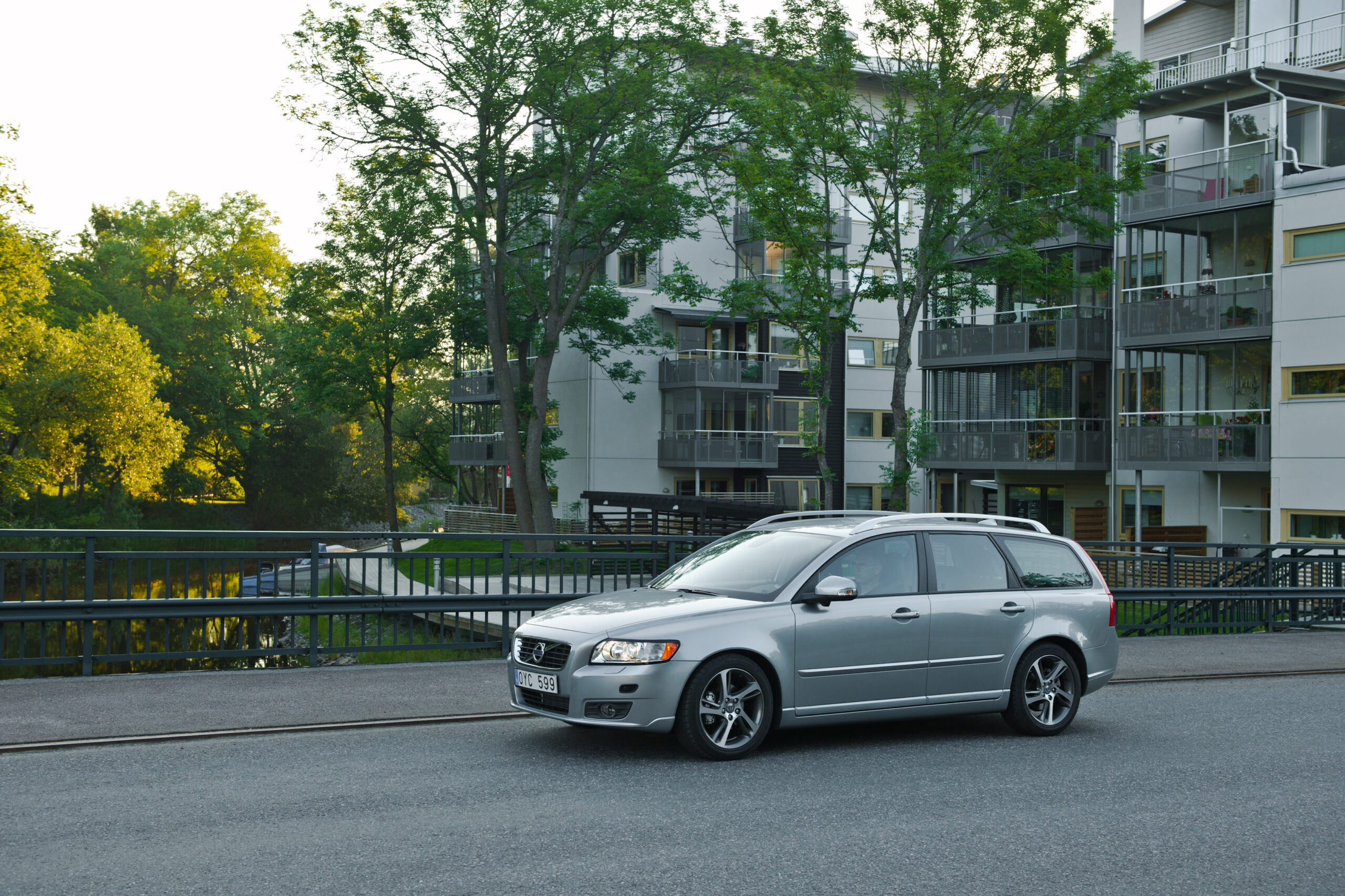
Volvo V50: common problems and practical maintenance tips
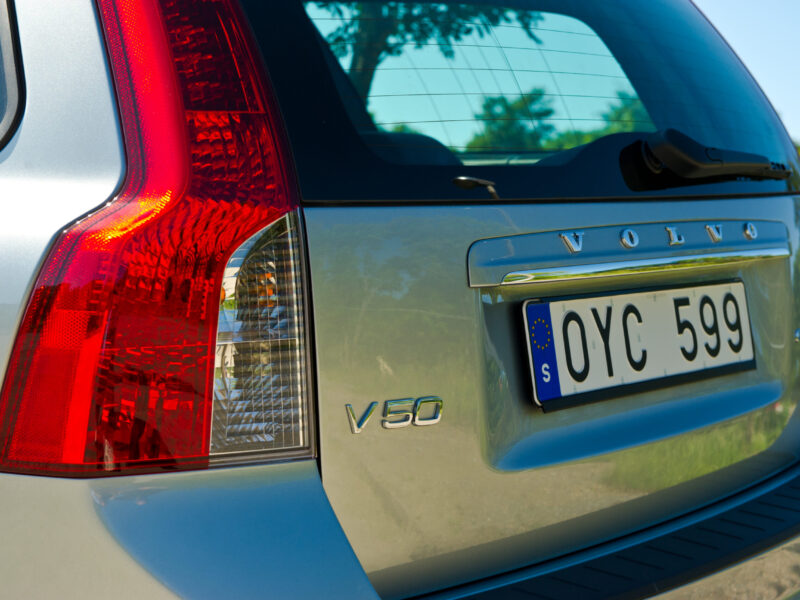
The Volvo V50 is a compact premium estate with Swedish character and a focus on safety, but it does have some specific technical points to watch. From DPF issues (diesel particulate filter in the exhaust system) on diesel engines to electrical faults and component wear. Owners of this estate, built from 2003 to 2012, need to be alert to characteristic ailments that occur regularly. With the right knowledge and preventive maintenance, the V50 remains a reliable daily driver. Which problems do you encounter most often, and how do you avoid expensive repairs?
Why you need to know these specific points of attention
The V50 shares its technical basis with the Ford Focus via the C1 platform (a shared chassis that Volvo used together with Ford), but combines this with Volvo-specific features such as particular engines, electronics and safety systems. Some issues are universal for this platform. Others remain typically Volvo-related. For anyone considering a used V50 or already owning one, understanding these matters helps to avoid unpleasant surprises. You can carry out targeted checks when buying and know exactly what to look out for during ownership.
The V50 was produced in the Netherlands. The model combines practical space with sporty lines, with a wheelbase of 264 cm and up to 1.75 m³ of luggage space. It offers more than its predecessor, the V40. The body is 34% stiffer, which results in better handling. Nevertheless, certain components are susceptible to wear and a number of technical problems are well documented by owners worldwide.
‘ Turbo failures often arise due to oil contamination or insufficient lubrication, leading to bearing wear and ultimately turbo failure. ’
Engine problems: diesel filters, swirl flaps and turbos
The V50’s engines range from economical diesels to powerful 5-cylinder petrol engines. On diesel engines, especially the 2.0-litre turbodiesel with 109 to 136 bhp, the particulate filter (DPF) is a frequent flyer in Volvo car problems overviews. The filter clogs up if the car mainly does short trips, where the engine does not reach the temperature required for automatic regeneration. Symptoms include loss of power, high engine temperature and warning lights on the dashboard.
Possible solutions:
- Regularly drive longer distances on motorways so the filter can burn clean
- Have the DPF professionally cleaned at a specialist workshop
- Replace the filter if cleaning no longer helps; expect costs from €800
Swirl flaps in the intake system of diesel engines can seize up due to carbon build-up. This causes rough idling, starting issues and loss of power. The swirl flaps control airflow for optimum combustion, but soot build-up eventually blocks the mechanism. Some owners report that cleaning with special sprays helps temporarily, but replacement is often still required.
On petrol engines, particularly the popular 2.5-litre T5 with 218–230 bhp, turbo-related complaints are less common but not unheard of. Anyone driving a T5 should change the oil regularly to prevent turbo damage. Use high-quality engine oil and change it every 10,000 km or sooner under heavy use. Turbo failures often arise due to oil contamination or insufficient lubrication, leading to bearing wear and ultimately turbo failure.


Transmission and clutch issues on manual models
The V50 was available with 5- or 6-speed manual gearboxes or a 5-speed automatic transmission (Geartronic). On manual versions, owners sometimes report clutch problems around 150,000 km. The clutch slips, gear changes become heavy or vibrations occur when pulling away. This is normal for a wear item, but early wear can point to aggressive driving or hilly terrain.
Common symptoms of clutch wear:
- Revs rise without the car accelerating
- Burning smell when accelerating in higher gears
- Difficulty engaging gears, especially first or reverse
- Pedal feels soft or spongy
Replacing the clutch requires removing the gearbox, which is labour-intensive. Allow for total costs between €600 and €1,200, depending on the workshop and whether you also replace the release bearing and flywheel. When buying, always check how the clutch feels and ask about the maintenance history.
Automatic transmissions are generally reliable, but fluid changes are often neglected. Volvo originally stated that the ATF (Automatic Transmission Fluid, the oil in the automatic gearbox) would last the life of the car, but experience shows that changing it around 100,000 km can prevent shifting issues. Aged fluid causes jerky shifts, delayed response and sometimes limp-home mode.
Electronics and sensors: the hidden causes of faults
Electrical issues are among the most reported complaints on the V50. The Central Electronic Module (CEM) is the electronic heart of the car and manages communication between electronic systems. This module controls virtually all systems, from lighting to locking mechanisms. CEM faults result in unexpected symptoms such as wipers starting by themselves, central locking that does not respond or warning lights without an obvious cause.
Known electrical issues:
- Moisture ingress into the CEM, often caused by leaks around the windscreen or wiper washer hose
- Faults in the ABS sensor (anti-lock braking system), resulting in ABS and stability control warning lights
- Defective mass air flow sensors (MAF, the sensor that measures the amount of intake air) on diesels, leading to poor idling
- Problems with the engine temperature sensor, causing the fan to run unnecessarily
Diagnosing electrical problems requires suitable diagnostic equipment. Have fault codes read by a Volvo specialist to locate the problem. CEM repair specialists can refurbish modules for a few hundred euros, which is cheaper than replacement. When buying, always check that all electrical functions work: lighting, central locking, windows, mirrors and climate control.
Sensors wear out over time due to exposure to heat, vibration and contamination. The lambda sensor measures the oxygen content in the exhaust gases and controls the fuel mixture. A defective lambda sensor increases fuel consumption and emissions and can lead to an MOT failure (the periodic vehicle inspection). Replacement costs between €100 and €250 per sensor, depending on position and type.
‘ Worn wheel bearings are a safety risk and can lead to MOT failure. ’
Chassis and suspension: wear on control arms and wheel bearings
The V50’s chassis offers a good balance between comfort and sportiness, but various components wear out after years of use. Front control arms often show wear on the bushes between 100,000 and 150,000 km. This manifests as knocking noises over bumps, uneven tyre wear and less precise steering.
Front control arms are best replaced complete with new bushes. Some garages offer to press in new bushes, but complete arm replacement provides the best results. Expect per side costs between €150 and €300 including fitting and alignment. Have the wheel alignment checked immediately after replacement to prevent tyre wear.
Wheel bearings, especially at the rear, can develop play over time. You recognise this by droning or humming noises that increase with speed and sometimes change when steering. Worn wheel bearings are a safety risk and can lead to MOT failure. Replacement must be carried out in good time to prevent damage to other components.
Shock absorbers and springs determine ride comfort. After 120,000 km, shock absorbers can become less effective, resulting in sagging, poorer cornering behaviour and longer braking distances. Check whether the car sits level and that there are no oil stains on the shock absorbers. Replacing in pairs (per axle) costs between €400 and €700 including fitting.
Bodywork and interior: rust and water leaks
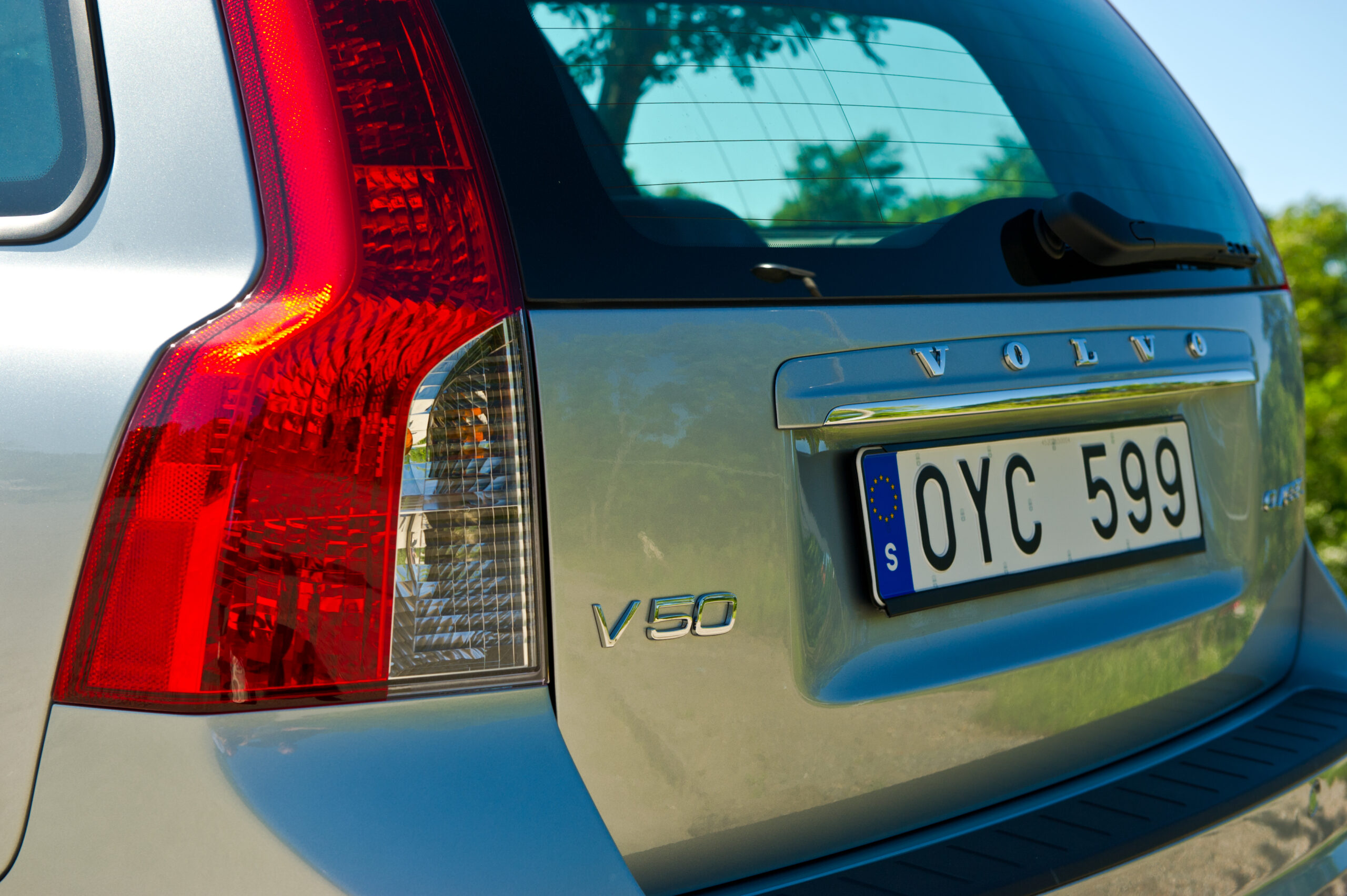
The V50’s bodywork is generally well protected against rust, but particular spots need attention. Check the wheel arches, sills under the doors and the tailgate around the number-plate lighting. Stone chips and road salt can cause paint damage which, if neglected, leads to rust.
Water leaks occur on older examples, usually via blocked sunroof drains or around the windscreen. Water then collects in the footwells or in the boot under the carpet. This leads to damp problems, musty odours and can damage the electronics. Regularly open the doors and check for damp patches or traces of water.
Possible water entry points:
- Blocked sunroof drains; clean these annually
- Aged windscreen seals; replace at the first signs of leakage
- Tailgate seal; check for cracks or detachment
Interior wear varies with use and care. Leather seats can develop cracks, particularly on the driver’s side. Seat heating sometimes stops working due to broken heating elements in the base. Buttons and switches usually keep working well, but the finish can become dull after years.
The dashboard and centre console are robust, but creaks can develop due to expansion of plastic parts. This is annoying but not a technical problem. Some owners solve it by placing rubber strips or felt between components.
Preventive maintenance: keeping your V50 in top condition
Regular maintenance is the best protection against expensive repairs. Follow the service intervals as prescribed by Volvo, but adjust them for heavy use. Short journeys and city driving require more frequent oil changes than longer motorway miles.
Practical maintenance tips for V50 owners:
- Change engine oil every 10,000 km or annually, using the correct specification (often 5W-30)
- Regularly check coolant, brake fluid and screenwash
- Replace the timing belt according to the schedule (often around 160,000 km or 10 years)
- Actively clean the DPF by taking a long motorway run once a month
- Lubricate hinges, locks and rubber seals annually with a suitable product
- Check tyre pressures monthly and set them according to the values on the sticker in the door opening
When buying a used V50, pay attention to maintenance history and technical condition. Ask for a service book with stamps or invoices of work carried out. Test all electrical functions, listen for unusual noises during a test drive and check that the engine starts easily and idles smoothly.
Post-facelift models from 2007 onwards have improvements to audio, interior and in some cases power. The T5, for example, received a boost to 227–230 bhp. Choose examples with a full service history from a Volvo dealer or specialist workshop. Owners report reliability beyond 300,000 km, provided maintenance has been carried out consistently.
‘ Preventive fluid maintenance costs only €100 to €200 and prevents major damage. ’
AWD models: extra attention for the Haldex coupling
The T5 AWD versions are equipped with a Haldex coupling (an electronically controlled coupling that distributes power between the front and rear axles) which automatically manages the four-wheel drive. This system improves traction in slippery conditions but requires specific maintenance. The Haldex fluid must be checked and replaced annually or every 40,000 km to prevent damage to the coupling.
If you neglect this maintenance, the Haldex coupling can be damaged. Symptoms include clunking noises when pulling away, vibrations in the drivetrain or a warning light for the four-wheel drive system. Repairing a failed Haldex coupling is expensive, often between €1,500 and €3,000. Preventive fluid maintenance costs only €100 to €200 and prevents major damage.
On AWD models, check whether the system functions properly by testing on a slippery surface (for example, wet grass) to see if all wheels are driven. Vibrations or irregular noises indicate potential problems. Have the Haldex coupling inspected at a specialist workshop familiar with this system.
The V50: a reliable choice with realistic expectations
The Volvo V50 combines Swedish safety, practical space and sporty handling in a compact size. Despite the known technical points of attention, it remains a worthwhile model for anyone looking for a premium compact estate. Most issues are well documented and can be managed with targeted attention during purchase and maintenance.
Anyone who invests in regular maintenance, drives with DPF awareness and stays alert to electrical faults can enjoy this versatile estate for many years. The characteristic 5-cylinder T5 engine offers a unique driving experience with smooth power delivery and the typical Volvo sound. Diesel versions are economical for daily use, provided you respect the particularities of the particulate filter.
Choose examples with a complete service history, test all functions thoroughly and be prepared for normal wear on the chassis and clutch. With this knowledge, the V50 becomes a reliable partner that proves its premium character and practical value, even after hundreds of thousands of kilometres.