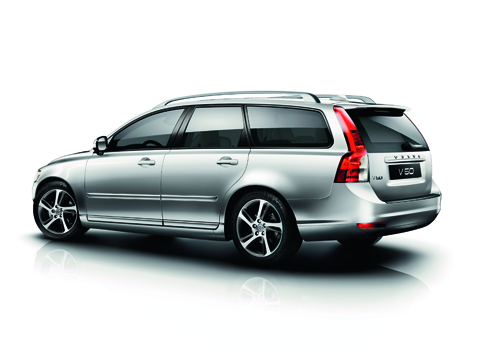
The Volvo V50 regularly suffers from clutch and transmission problems, especially at high mileage. A clutch pedal that sticks or feels heavy and jerky gear changes in the automatic gearbox are common complaints. The Powershift automatic often fails. A timely oil change sometimes prevents further deterioration. Want to know what to expect and how to tackle these issues? Read on for concrete causes, symptoms and solutions.
Why is the clutch pedal of the Volvo V50 hanging?
A Volvo V50 with a clutch pedal that hangs or feels heavy often points to wear or hydraulic problems in the clutch system. With a clutch that slips, you will notice the engine revving higher without the car accelerating accordingly. These are clear signs that the clutch has reached the end of its life.
The causes of a hanging clutch pedal are varied. Wear of the clutch plate and pressure plate is common in high-mileage cars. In addition, a faulty clutch position sensor can cause the pedal not to respond properly or create problems with the starting system. Hydraulic components such as the master cylinder or slave cylinder can also start leaking or functioning poorly over time.
Common symptoms are:
- A pedal that sticks or feels heavy
- Clutch slip when pulling away or accelerating
- Difficulty changing gear, especially on cold starts
- Vibrations or strange noises when pressing the pedal
If you have these complaints, always have the clutch sensor and hydraulics checked first. These components are relatively easy to diagnose and can explain many problems without you immediately needing a new clutch.
Automatic gearbox problems Volvo V50: causes and solutions
The automatic transmission of the Volvo V50 has specific weak points, especially in the form of the Powershift automatic. Over time this transmission can start shifting roughly, refuse to go into gear properly or show unexpected vibrations while driving.
Problems with the Powershift automatic
The Powershift automatic is a technically advanced system that, if poorly maintained or heavily used, is prone to defects. Owners regularly report complaints about jerky gear changes, especially after longer journeys or at higher speeds. This is often caused by old or contaminated transmission fluid that affects the hydraulic pressure in the gearbox.
A timely change of the transmission fluid sometimes brings improvement. However, this does not always solve all problems. In the case of structural defects in the dual clutch in the Powershift unit, replacement is often the only option. It is therefore sensible, at the first signs of juddering or poor shifting, to have the fluid and fault codes read out straight away.
Gearshift problems and reversing
Difficulty engaging reverse is a recurring complaint with the Volvo V50. This can have several causes, ranging from mechanical to electronic problems. The shift lock solenoid, which prevents you from shifting out of park without pressing the brake, can jam or fail. A worn gear selector cable or a faulty reverse light switch can also cause the gear lever to feel stiff or stop the car from going into reverse.
Possible causes of shifting complaints:
- Low or old transmission fluid
- Faulty shift lock solenoid
- Worn or incorrectly adjusted gear selector cable
- Electrical faults in the shift system
- Sensor or shift problems specific to the reverse gear
Start with a simple check of the transmission fluid. Check the level and the colour. Dark or gritty fluid is a sign that a change is necessary. If that does not help, it is sensible to have the gear selector cable and the shift lock solenoid inspected.
Electronic faults in the automatic
In automatic transmissions, electronic signals play an important role in how smoothly the gearbox shifts. A faulty sensor or a fault in the transmission control can lead to unexpected behaviour, such as holding on to a gear or not responding to the accelerator pedal. These faults can usually be read via the OBD port and generate fault codes that point to specific components.
For any complaints about the automatic, always carry out a full diagnostic check. Electronic problems are sometimes solved with a software update or by replacing a sensor. This is considerably cheaper than a full transmission repair.

Powershift clutch repair Volvo V50 costs
The costs of repairing or replacing the Powershift clutch vary widely, depending on the extent of the damage and the chosen solution. A transmission oil change usually costs between €150 and €300, depending on the garage and the amount of fluid required. This can provide temporary relief for minor shifting complaints.
In the case of structural defects in the Powershift unit, the bill is considerably higher. Replacing the dual clutch or fully overhauling the automatic can run from €2,000 to €4,000, depending on the type of repair and whether you choose a new or reconditioned unit. Some owners opt for complete replacement of the transmission, which in extreme cases can cost even more.
A manual clutch replacement on the manual version of the Volvo V50 usually costs between €800 and €1,500. This includes the clutch kit, release bearing and labour. Bear in mind that costs can increase further if the flywheel is also damaged.
How can you keep costs down?
Preventive maintenance helps avoid high repair bills. Regular checks of the transmission fluid and timely changes in line with the service schedule significantly extend the service life of the automatic. Being alert to early signs of slipping or juddering allows you to tackle small problems in time and prevent them from getting worse.
For repairs, choose a specialist Volvo garage or a transmission specialist with experience of the Powershift unit. A correct diagnosis prevents unnecessary replacement of components. This can save you hundreds of euros. Always request a detailed quotation and check that the warranty on parts and labour is clearly specified.
Tips for diagnosis and prevention
A systematic approach quickly and effectively traces clutch and transmission problems on the Volvo V50. Always start with the simplest checks and only then consider major repairs.
Does the problem occur only with a cold or warm engine? Some shifting faults get worse during a cold start and improve as the car warms up. This points to fluid issues or a worn clutch that behaves differently at low temperatures.
Practical steps for diagnosis:
- Check the level and condition of the transmission fluid
- Have the fault codes read via the OBD port
- Inspect the gear selector cable and shift mechanism for wear
- Test the shift lock solenoid and reverse light switch
- Check the clutch position sensor on manual versions
- If complaints persist, have a specialist inspect the clutch and/or automatic transmission
Service the car on time and do not ignore complaints. A minor shifting problem can turn into an expensive repair if you let it go on for too long. Keep the car well maintained and respond quickly at the first signs of slipping, juddering or difficulty changing gear.
‘ There is always more to discover. ’
Discover more about the Volvo V50
On the Carnews website you will find extensive information about the Volvo V50 and other models. Whether you want to know more about common problems, maintenance tips or experiences from other owners, there is always more to discover. Browse the various articles and increase your knowledge about your car.
Frequently asked questions
Symptoms include a heavy, uneven or high-biting clutch pedal and a slipping clutch (engine revs rise without a matching increase in speed). Difficult or crunchy gear changes, especially when it is hard to engage or disengage gears, also indicate possible problems. Specifically on the V50, difficulty getting the car into reverse is common, sometimes together with a gear lever that jams. In addition, irregular shift behaviour, juddering or a delayed response from the automatic when shifting can be signs of transmission or sensor problems.
The most common causes are clutch wear (slipping clutch, high biting point) and a low or old transmission/gearbox oil level. In addition, worn or incorrectly adjusted gear selector cables and a sticking gear lock or shift lock solenoid often cause difficulty engaging drive or reverse. On automatics, electronic faults and defective sensors (such as clutch or gear position sensors) also play an important role.
For clutch or transmission problems on the Volvo V50, options range from relatively simple work (changing fluid, adjusting or replacing gear selector cables, sensors or gear lock) to replacing the complete clutch or extensive overhaul/replacement of the transmission. Small repairs such as replacing a sensor or switch or resolving cable problems are generally in the region of roughly €100–€400. Replacing a complete clutch (including pressure plate and possibly flywheel) usually comes in between about €700 and €1,500, depending on engine type and workshop. For a major transmission repair or overhaul you should reckon with amounts that can run into several thousand euros, especially with an automatic gearbox.
Avoid unnecessary clutch slip: do not let the pedal come up halfway, only apply throttle once the clutch has fully engaged and do not use the clutch to “hold” the car on hills (use the handbrake instead). Shift smoothly and fully through all gears, do not force the lever and avoid resting your hand on the gear lever all the time to limit wear in the shift mechanism. Have the transmission fluid (and on automatics the filter) checked and changed according to the schedule, or earlier if there are complaints, and tackle minor problems such as difficult shifting or an odd pedal feel straight away. If complaints persist, have a specialist check the clutch, clutch sensor, gear selector cables and any electronic components before major parts are replaced.