

Volvo V70: the much-praised estate car with characteristic weaknesses
The Volvo V70 is synonymous with solidity, safety and space, but even this Swedish classic has its sore points. Anyone considering a used example, or who already owns a V70, would do well to know its common problems. From engine defects to electrical quirks: the V70 needs attention if it is to live up to its reputation. What problems might you encounter, and what can you do about them?
Why the Volvo V70 is still so popular
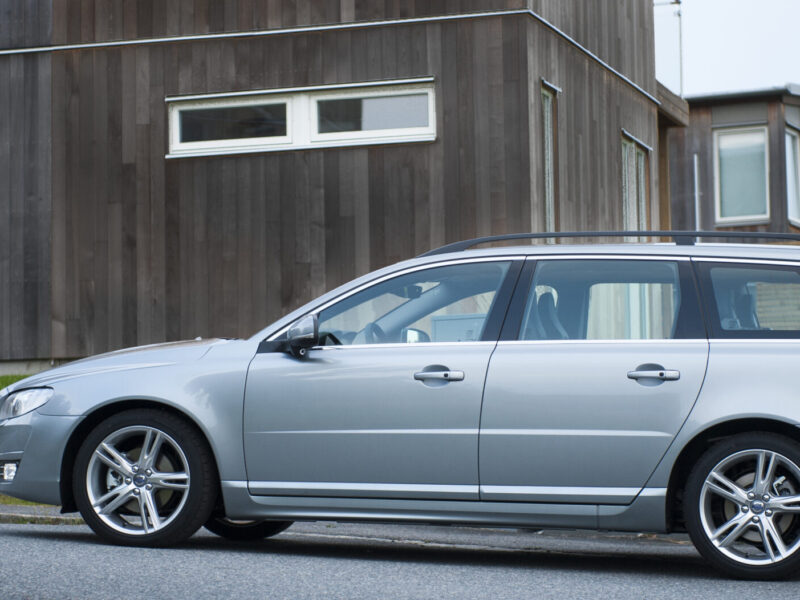
The V70 combines the comfort of a mid-size car with the load capacity of a van. The estate offers space for five people and a huge, completely flat load area with the rear seats folded down. Volvo built three generations (1996–2016) with a clear focus on safety: airbags and ABS as standard, whiplash protection and stable road holding thanks to the suspension.
The engines range from economical diesels to powerful T5 and T6 petrol engines (strong turbo engines developed by Volvo) with more than 280 bhp. The wide choice of front-wheel and four-wheel drive makes the V70 versatile. Owners appreciate the reliability and its ability to cover high mileages, provided maintenance is in order. Even so, there are points to watch that are better known in advance. On the page about Volvo car problems you will find an overview of common issues in various models.
‘ Year of manufacture and mileage make a big difference. ’
The most common weak points by generation
Each generation has its own weaknesses. The first generation (P80, 1996–2000) shares many parts with the Volvo 850 Estate and suffers from suspension problems and worn engine mounts. The second generation (P2, 2000–2007) is more vulnerable to electrical issues and wear in transmission components. The third generation (2007–2016) benefits from the Ford EUCD platform, but is prone to EGR problems and clogged diesel particulate filters on diesel engines.
Year of manufacture and mileage make a big difference. Models built before 2005 are more likely to suffer from rust and leaking radiators. Later versions have better protection, but show more faults in electronics and sensors. Always check the service history and watch for symptoms that point to neglect.


Engine problems: from D5 diesel to T5 petrol
The popular D5 diesel engine (5-cylinder inline) is powerful and economical, but prone to clogged EGR valves (exhaust gas recirculation) and defective swirl flaps (valves that create air swirl in the intake). These components control the airflow to the combustion chamber (the space in the engine where fuel and air ignite). When they fail, you get jerky starting, smoke and loss of power. Cleaning or replacing the EGR valve and swirl flaps solves this.
Turbo problems occur regularly on high-mileage D5 engines. Oil contamination and wear lead to whistling noises and loss of power. When buying, check the turbo for play and listen for abnormal sounds while accelerating. Preventive maintenance with high-quality oil extends its service life.
The T5 petrol engines (also 5-cylinder) are more robust, but can suffer from increased oil consumption. This occurs mainly on models built before 2010. Check the oil level regularly and top up if necessary. Use only Volvo-approved oil to prevent turbo and engine damage. The T6 engine (3.0-litre inline-6 turbo) is reliable but more expensive to maintain because of more complex electronics and higher parts costs.
Transmission challenges: manual and automatic
The manual V70 mainly suffers from worn clutches and flywheels. Symptoms include a slipping clutch, vibrations when changing gear and difficulty pulling away. Replacing the clutch and flywheel costs several hundred euros but is relatively straightforward to carry out.
The automatic transmission (often an AW50 or AW55 automatic gearbox, types of automatic transmission from Aisin) needs more attention. Slipping gears, harsh shifts or loss of gears point to wear in the valve body or oil that is too old. Regular replacement of the transmission oil (every 60,000 km) prevents many problems. If neglected, the automatic gearbox can fail completely, resulting in an expensive repair or replacement.
When buying a V70 with an automatic transmission, listen for unusual noises while shifting and check that all gears engage smoothly. Ask about the service history of the transmission. Models with a 6-speed automatic (from 2007) are slightly more reliable, but even here regular maintenance remains essential.
‘ Always replace shock absorbers per axle to prevent uneven damping. ’
Suspension and running gear: comfort with caveats
The V70 has a comfortable suspension set-up, but age and mileage bring wear and play. Control arms, ball joints and bushes are prone to wear, especially on cars that are often heavily loaded or poorly maintained. Symptoms include knocking noises over bumps, uneven tyre wear and less stable handling.
Over time, shock absorbers lose their damping effect. You notice this from a wallowing rear end and longer braking distances. Always replace shock absorbers per axle to prevent uneven damping. When buying, check whether there is visible oil leakage on the shock absorbers.
The V70 XC (crossover version) and AWD models (four-wheel-drive versions) place extra load on the propshaft and differentials. The viscous coupling (oil-filled coupling that distributes power between front and rear axle) of the four-wheel-drive system can wear, leading to increased fuel consumption and reduced traction. Have the coupling checked if in doubt and replace it in good time to prevent further damage.


Electronics and comfort systems: with a mind of their own
The CEM module (central electronic module of the vehicle electronics) controls many electrical functions such as central locking, lighting and windscreen wipers. This module is vulnerable to moisture damage and software faults. Symptoms include lights that switch on at random, wipers that stop working or central locking that no longer responds. Repair or replacement of the CEM module involves high costs.
Electric windows and mirrors can seize due to worn motors or defective switches. This occurs mainly on the driver's side due to intensive use. Replace the motors or switches to solve the problem. When buying, check that all electrical functions work properly.
Sensors for parking assistance, tyre pressure and air conditioning sometimes trigger fault messages. Simple measures such as cleaning the sensors or resetting the system often help. For persistent faults, replacement is necessary. Bear in mind that genuine Volvo sensors are expensive.
Bodywork and interior: the ravages of time
The V70 has a robust body, but certain areas are prone to rust. Check the wheel arches, sills and the bottom edge of the tailgate. Small rust spots can quickly develop into bigger problems. Treat rust in good time and protect vulnerable areas with coating or wax.
Leaks occur, especially on older examples. Check the rubber seals around windows and doors for cracks. Water can enter and damage the electrics and upholstery. Replace worn rubbers to prevent moisture problems. Also watch for leaks at the tailgate, often caused by a worn seal.
The interior is solidly built, but wear sets in here too. Worn seat upholstery, loose buttons and creaking dashboard parts are common on high-mileage cars. Most parts can be replaced, but this takes time and money. When buying, check the condition of the interior and estimate what costs you might face.
‘ Short urban trips put more strain on the engine and increase the risk of problems. ’
Preventive maintenance: enjoy your V70 for longer
Regular maintenance prevents many problems. Replace oil and filters according to Volvo's specifications and use high-quality lubricants. Check the coolant, brake fluid and transmission oil for level and quality. Replace these fluids in good time to prevent engine and transmission damage.
Inspect the suspension and running gear regularly for cracks, leaks and wear. Check the brakes, tyres and suspension components and replace worn parts before they cause more serious damage. Keep the bodywork clean and deal with minor damage immediately to prevent rust.
Use the V70 as intended: driving regular longer distances helps diesel engines to burn soot out of the particulate filter and prevents clogged EGR valves (exhaust gas recirculation valves). Short urban trips put more strain on the engine and increase the risk of problems. Now and then, plan a long drive to blow the system through.

What to look out for when buying a used V70
Check the service history thoroughly. A well-maintained V70 with a complete history is a better investment than a cheap example with no clear record of its past. Ask for proof of replaced parts such as clutch, transmission oil and timing components. Check whether servicing was carried out at an authorised Volvo workshop or a trustworthy independent garage.
Test the car extensively during a test drive. Listen for unusual noises, vibrations and jerky gear changes. Check that all electrical functions work and that there are no warning messages on the dashboard. Start the engine from cold and listen for abnormal sounds such as ticking, whistling or rumbling.
Inspect the bodywork for rust, damage and leaks. Look underneath the car for traces of oil and check the exhaust for excessive smoke. Blue smoke indicates oil consumption, black smoke a fuel mixture that is too rich, and white smoke a coolant leak. If in doubt, have an independent expert take a look before you buy.
Pay attention to year of manufacture and mileage. Models with more than 200,000 km on the clock require more maintenance but can still last for years if properly cared for. Models built after 2010 have better rust protection and more modern electronics, but are more expensive to buy. Weigh up the pros and cons based on your budget and how you plan to use the car.
The V70 remains a smart choice with the right maintenance
The Volvo V70 offers space, safety and reliability, but it does require attention to its known weaknesses. Engine problems such as EGR clogging and turbo wear, transmission issues and electrical quirks can be prevented or solved with preventive maintenance and timely intervention. Check the suspension, bodywork and interior regularly and address wear before it turns into costly repairs.
When buying a used V70, the service history is decisive. A well cared-for example with full documentation offers years of driving pleasure. Invest in quality maintenance and use the car as intended, and the V70 will continue to live up to its reputation for solidity and durability.