
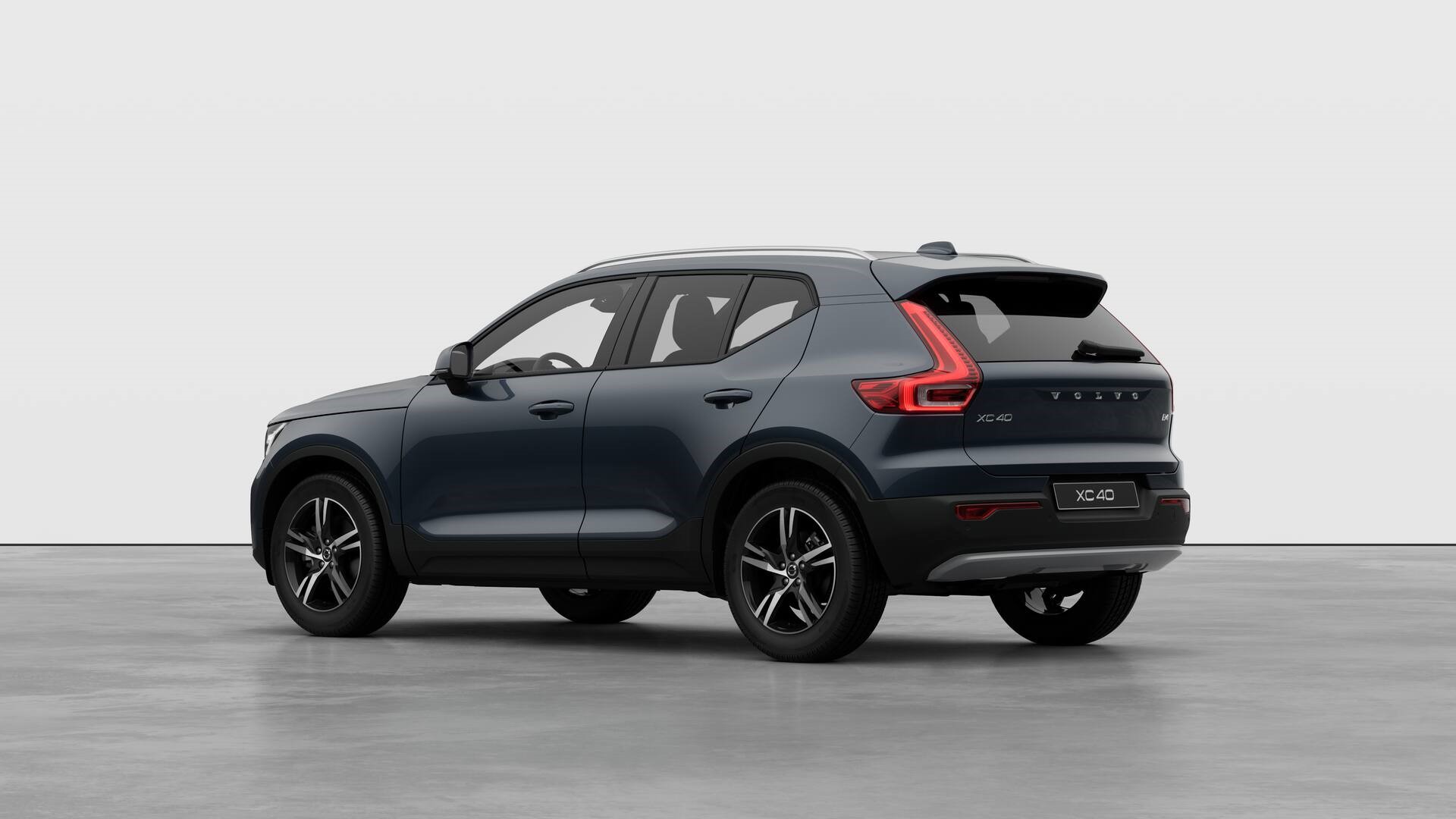
Common problems with the Volvo XC40
The Volvo XC40 combines Scandinavian design with everyday practicality, although this popular model also has its technical ailments. From engine issues to electronic faults, owners report various problems you should know about as a buyer or owner. Want to know what to look out for with this compact SUV?
The Volvo XC40: compact SUV with big ambitions
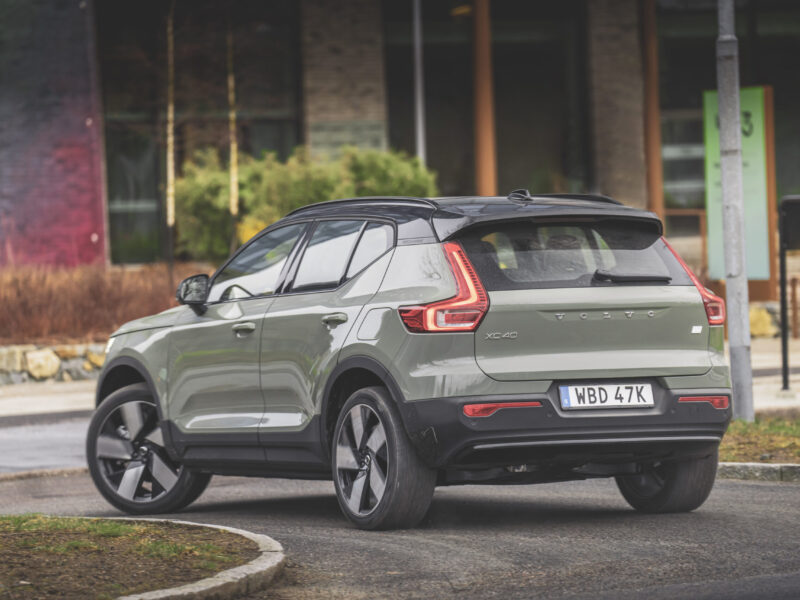
Since its introduction in 2017, the Volvo XC40 has secured an important position in the compact SUV segment. The model shares its CMA platform with the Polestar 2 and offers a choice of petrol, diesel and plug-in hybrid engines. The XC40 is aimed at young families and urban drivers who opt for Scandinavian luxury in a compact format, with a length of 4.44 metres.
With a boot capacity of 569 litres and a wheelbase of 2.70 metres, the XC40 offers practical usability for everyday driving. The introduction of mild-hybrid technology in later model years underlines Volvo’s focus on efficiency. Still, the question remains: how does this model score in terms of reliability?
‘ The XC40 suffers from a higher than average number of complaints about electronic systems and specific engine problems. ’
Mixed reliability compared with rivals
The Volvo XC40 scores around average in reliability surveys. Rivals such as the Audi Q3 and BMW X1 show similar results, although Japanese brands like Mazda and Lexus generally score higher. The XC40 suffers from a higher than average number of complaints about electronic systems and specific engine problems. For those interested in the broader picture around Volvo car problems, it turns out that models from the first production years in particular are prone to teething troubles.
Owners appreciate the safety equipment and comfortable suspension, but also report frustrations with the infotainment system. Overall satisfaction is strongly linked to production year and engine variant. Models from 2020 onwards show fewer issues than early examples.
Recalls affect reliability figures
Volvo has carried out several recalls for the XC40, which has an impact on reliability figures. These recalls mainly concern software errors and specific hardware defects. Volvo’s proactive approach prevents more serious damage, while at the same time highlighting structural shortcomings in certain systems. These shortcomings occur particularly in early production series.
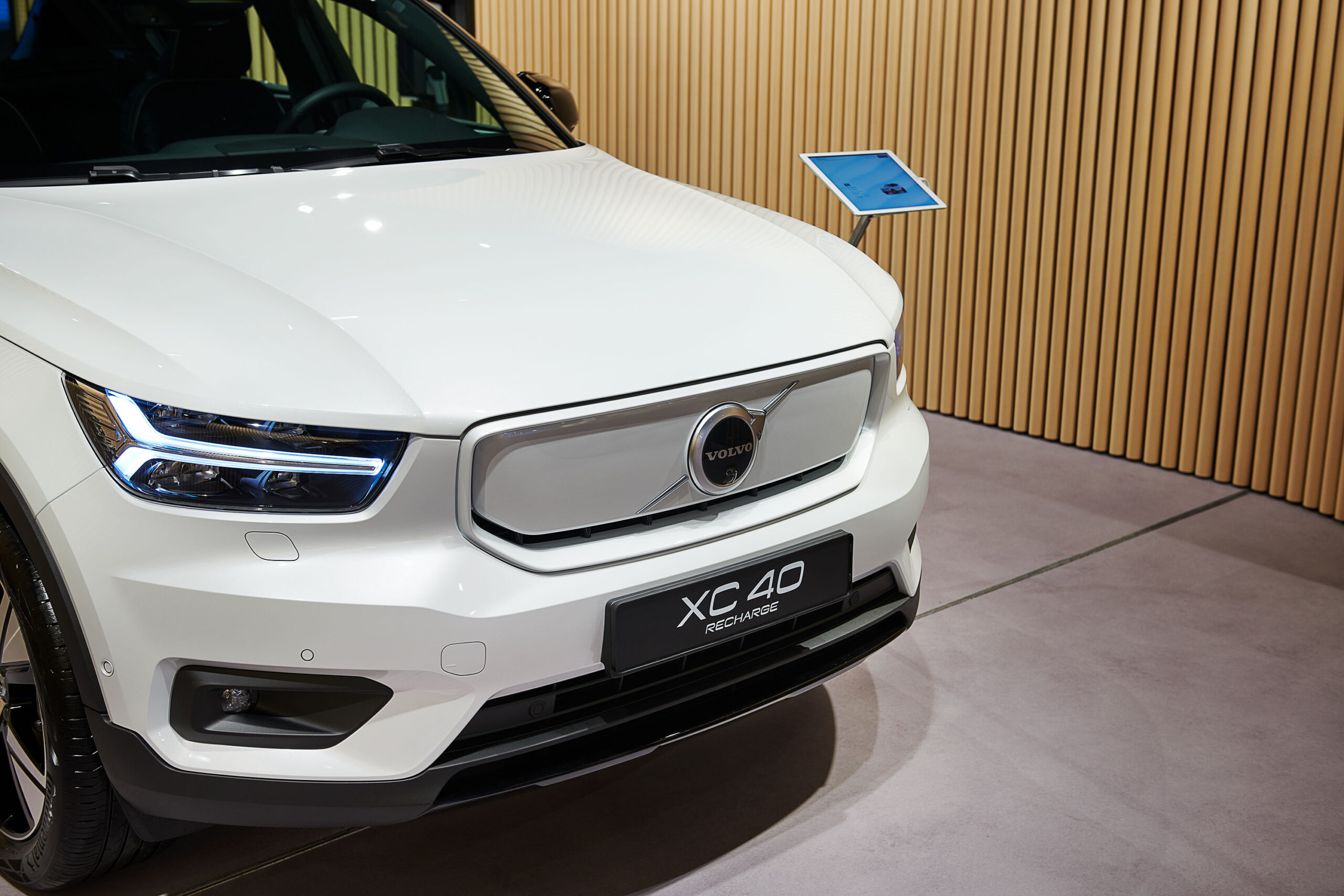
Engine problems in petrol, diesel and hybrid versions
The XC40 is offered with several engines, each with its own vulnerabilities. The 1.5-litre three-cylinder petrol engines (T2 and T3) regularly suffer from coolant leaks and software issues in the engine management system. This leads to irregular idling and, in some cases, to the engine stalling.
The 2.0-litre four-cylinder petrol engines (T4 and T5) show fewer issues, but owners sometimes report increased oil consumption. With the diesel D3 and D4, blocked diesel particulate filters (DPF) are common, especially on cars that mainly do short journeys. In that case, the regeneration process of the DPF does not work optimally.
Plug-in hybrid has specific points to watch
The T5 Twin Engine plug-in hybrid combines a combustion engine with an electric motor. This system has its own problems. The high-voltage battery (the large battery pack of the hybrid drivetrain) can show capacity loss after a few years, which reduces the electric driving range. Some owners also report software errors in the energy management system, meaning the switch between petrol and electric mode is not always smooth.
Cooling of the high-voltage battery and electric motor requires extra maintenance. Leaks in the cooling system do occur and can lead to expensive repairs. When buying a used plug-in hybrid, always check the condition of the high-voltage battery and ask for the maintenance history.
Transmission and drivetrain under scrutiny
The eight-speed automatic gearbox from Aisin generally performs well. In some cases, however, it develops shifting problems. Owners report hesitation or jerkiness when changing gear at low speeds, especially when the transmission is still cold. A software update at the dealer often solves this.
On front-wheel-drive models, wear on the driveshafts can occur, causing clicking noises when steering. The all-wheel-drive system (AWD) on more powerful versions is more robust, but does suffer from faults in the electronic coupling that manages the power distribution. This leads to warning lights on the dashboard and reduced traction.
Clutch in plug-in hybrid requires attention
The plug-in hybrid uses an automatically controlled clutch between the petrol engine and electric motor. This component can show wear over time, which manifests itself as vibrations during acceleration. Replacing this clutch is expensive and usually becomes necessary after around 80,000 kilometres with intensive use.
‘ A full system reset helps temporarily, but does not always solve the underlying cause. ’
Electronic faults and infotainment issues
The Sensus infotainment system in older XC40 models and the Android Automotive system in newer versions often give rise to complaints. The touchscreen responds slowly or not at all, apps crash and the Bluetooth connection drops. These problems are particularly common on models from 2018 and 2019.
Volvo has released several software updates to tackle these issues. Even so, some owners continue to suffer from instability. A full system reset helps temporarily, but does not always solve the underlying cause.
Sensors and cameras regularly give warnings
The XC40 is equipped with numerous driver assistance systems that depend on sensors and cameras. Parking sensors sometimes give false warnings or fail completely. The camera for the adaptive cruise control can become dirty, causing the system to switch off. Clean this camera regularly, especially in winter conditions.
Blind spot monitoring and Lane Keeping Aid occasionally suffer from software errors. The system then gives incorrect warnings or switches itself off. A visit to the dealer for a software update is then necessary. When buying a used XC40, check that all safety systems are working properly.


Suspension, brakes and steering
The XC40’s suspension is generally solid, but certain components wear faster than expected. The front shock absorbers can start leaking after 60,000 kilometres, especially on models with the larger 20-inch wheels. This leads to reduced comfort and longer braking distances.
Bushes on the anti-roll bar and control arms show wear after a few years, resulting in rattling noises over bumps. Replacing these parts is not extremely expensive, but is necessary for safe handling.
Braking system and parking brake need maintenance
The XC40’s brakes are strong, but the rear brake discs rust faster than the front ones. This is because the front brakes do most of the work. On models with regenerative braking (plug-in hybrid), the brakes are used even less, which accelerates rust formation. Check the brake discs regularly and replace them if necessary.
The electric parking brake (a button instead of a handbrake lever) sometimes develops faults. The system will not release or shows error messages. This problem is particularly common in cold weather and often disappears once the car has warmed up. If the issue persists, replacement of the actuator is required.
Interior and exterior: minor irritations
The XC40’s interior looks modern, but has a few weak spots. The plastic dashboard scratches easily and the fabric upholstery on the seats tends to bobble quickly. Leather upholstery holds up better, but here too there are complaints about discolouration and small cracks after a few years of use.
Rattling noises from the dashboard or doors are quite common. These are caused by loose clips or poorly fitting panels. This does not affect functionality, but can be annoying. A visit to the dealer usually solves this by replacing clips or securing panels more firmly.
Paintwork and bodywork
The XC40’s paint is not particularly thin or soft compared with rivals, but stone chips on the bonnet and front bumper are common. Dark colours show scratches more easily than lighter shades. The headlights can become dull after a few years due to UV exposure, which reduces light output.
Rubber seals around doors and windows wear faster on cars that are often parked outside. This can lead to wind noise at higher speeds and, in extreme cases, water leaks. Treat the rubber seals once a year with a suitable care product to extend their lifespan.
‘ Many issues can be solved with a relatively simple software update, but only if the owner actively pursues this. ’
Known recalls and factory defects
Volvo has carried out various recalls for the XC40. One major recall involved the fuel pump, which could fail and cause the engine to cut out suddenly. This recall applied to models built between 2018 and 2020. Check whether this work has been done on any car you are considering buying.
Another recall focused on the airbags. On certain production series, the curtain airbag might not deploy correctly. This defect concerned models from 2019. There was also a recall for a software error in the braking system, which could briefly reduce braking power.
Software updates and factory fixes
In addition to official recalls, Volvo has issued several technical service bulletins for dealers. These describe solutions for known problems that do not fall under a recall. Examples include updates for the infotainment system, modifications to the cooling system and improvements to the transmission software.
When buying a used XC40, ask the dealer whether all updates have been carried out. Many issues can be solved with a relatively simple software update, but only if the owner actively pursues this.
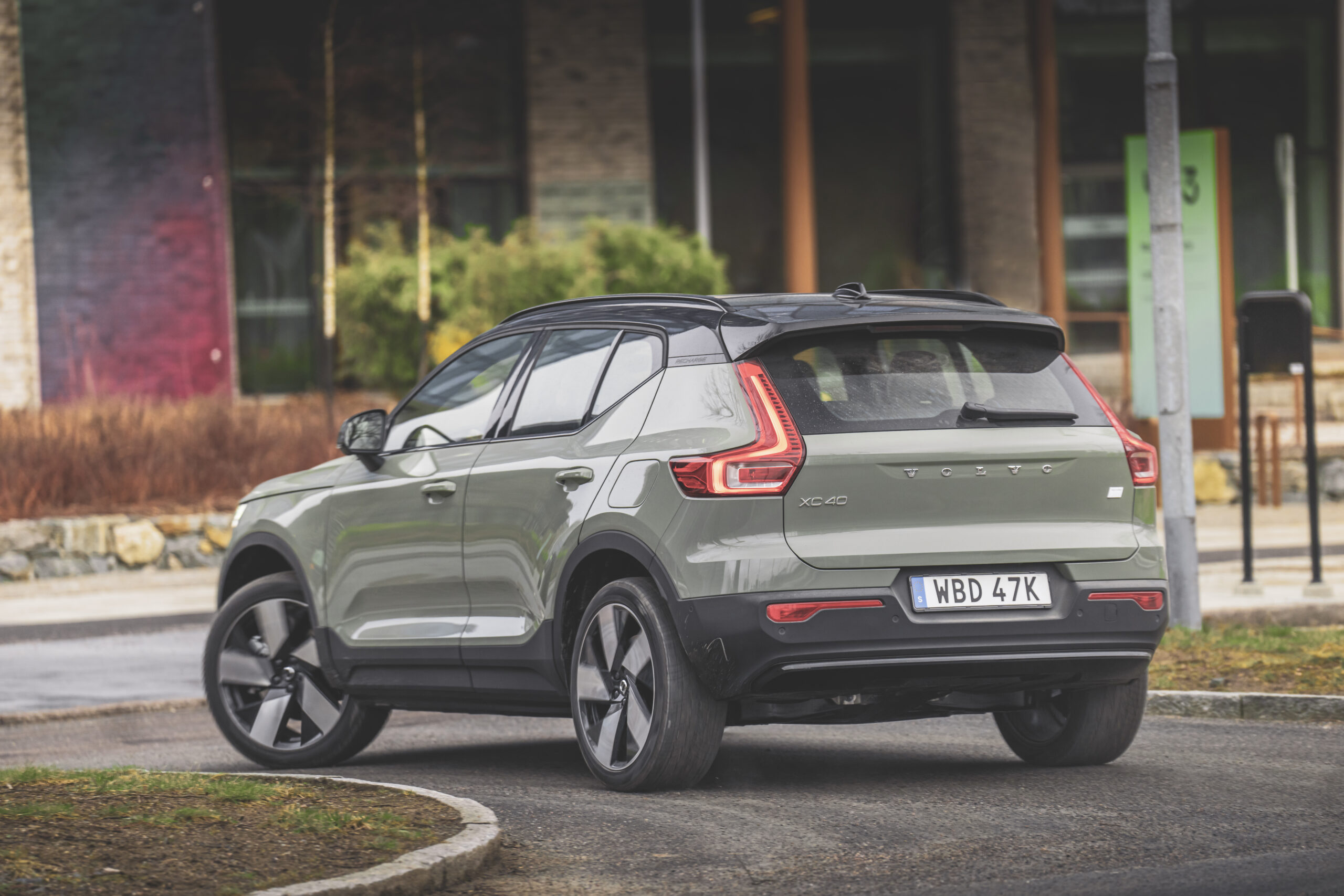
Practical tips for owners and potential buyers
Thinking about buying a Volvo XC40? Then pay attention to the production year. Models from 2020 onwards have fewer teething problems than the first series. Always check the service history on a used car and ask whether recalls have been carried out. A test drive should reveal whether the infotainment system works properly and whether any rattling noises can be heard.
For plug-in hybrid versions, check the condition of the high-voltage battery. Ask the seller about the current electric range and compare this with the factory specification. A heavily reduced range indicates battery degradation. Also look for leaks under the car, which may point to problems with the cooling system.
Maintenance advice for existing owners
Follow Volvo’s official maintenance schedule strictly. Check the coolant level regularly and look for leaks. With plug-in hybrid models, it is sensible to charge the car at least once a week and to let the petrol engine warm up properly on a regular basis, even if you mainly drive electrically.
Clean the sensors and cameras of the driver assistance systems regularly, especially in winter. Update the infotainment system whenever Volvo releases new software. Treat the suspension bushes and rubber seals once a year with a suitable product to slow down wear. If you do a lot of short journeys with a diesel engine, drive a longer distance at least once every two weeks to regenerate the DPF.
What to check on a used XC40
Plan an extended test drive and pay attention to shifting problems, unusual noises from the suspension and rattles in the interior. Test all electronic systems, including the infotainment, climate control and all driver assistance systems. Check that all warning lights on the dashboard operate correctly and go out again after starting.
Inspect the condition of the brake discs and tyres. Look under the car for leaks and rust. Ask for the service history and check whether all recalls have been carried out. On plug-in hybrid models, ask about the charging history and test the electric range during the test drive.
The Volvo XC40 as a considered choice
The Volvo XC40 offers Scandinavian design, strong safety equipment and a comfortable ride. However, the model also has clear weak points. Engine problems on three-cylinder versions, electronic faults and issues with the infotainment system are relatively common. Plug-in hybrid versions have specific points to watch around the high-voltage battery and the cooling system.
For those who maintain the car properly and are aware of its vulnerabilities, the XC40 can be a reliable choice. Ideally, choose a model from 2020 onwards and make sure all recalls have been carried out. The XC40 is not a completely trouble-free car, but with realistic expectations and preventive maintenance it offers an attractive package for families and urban drivers.