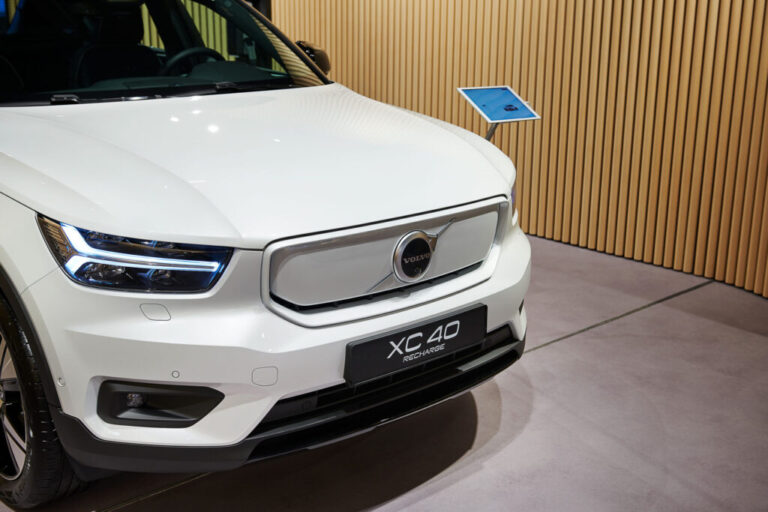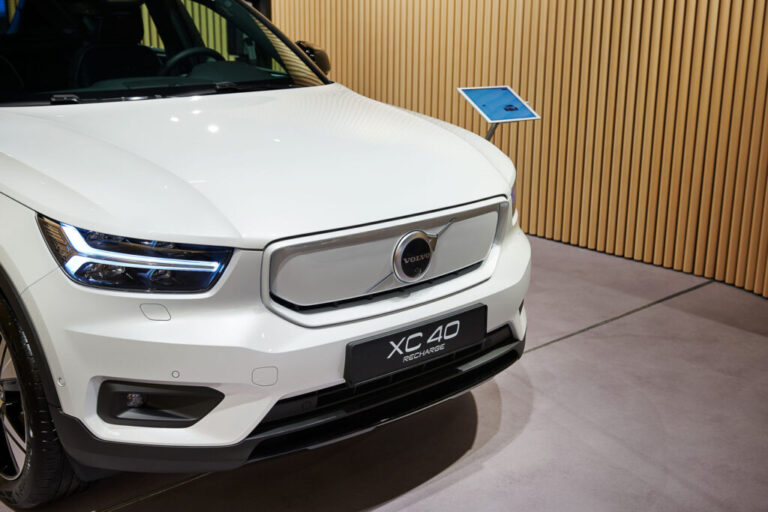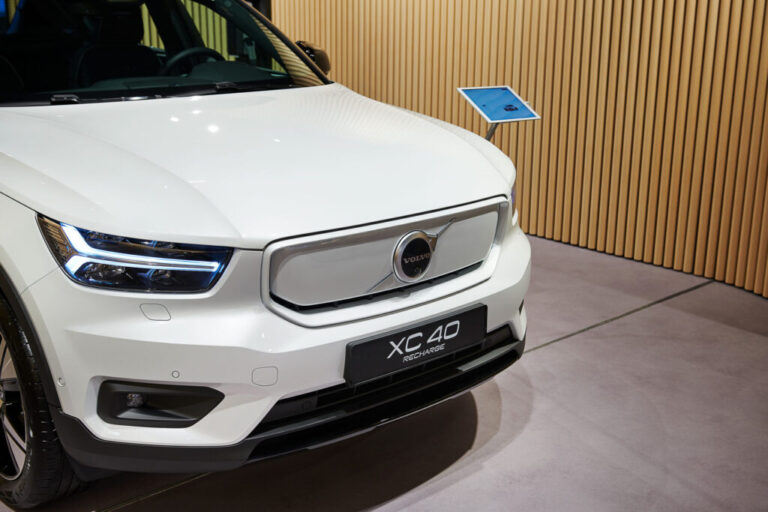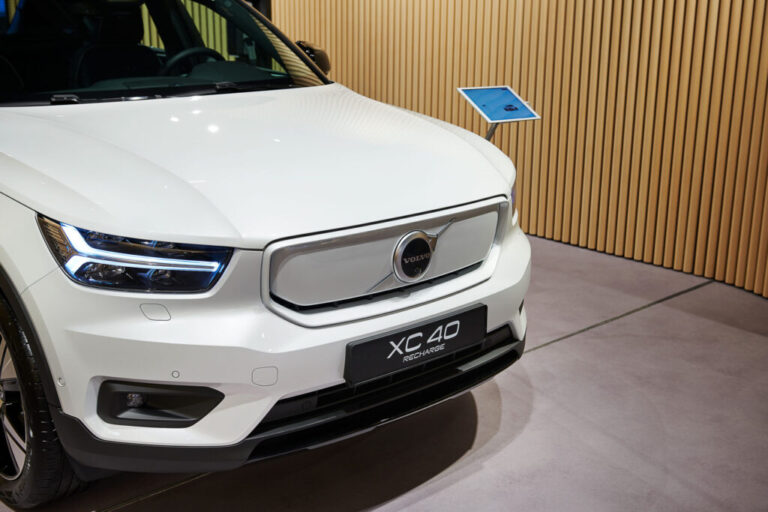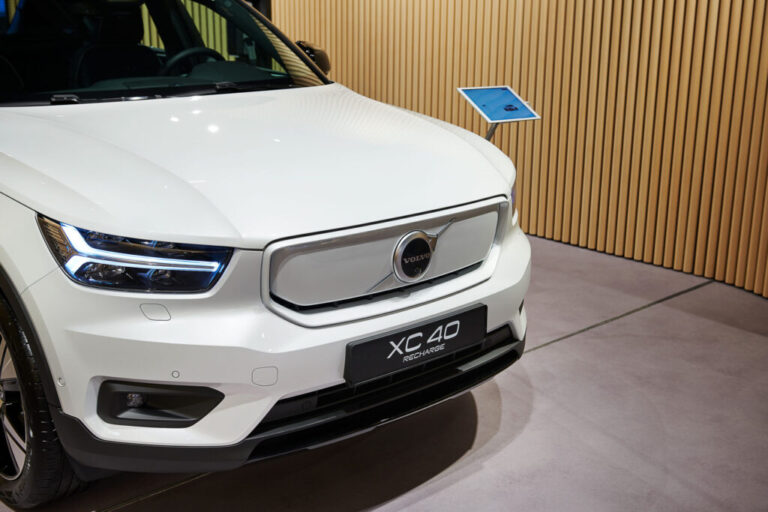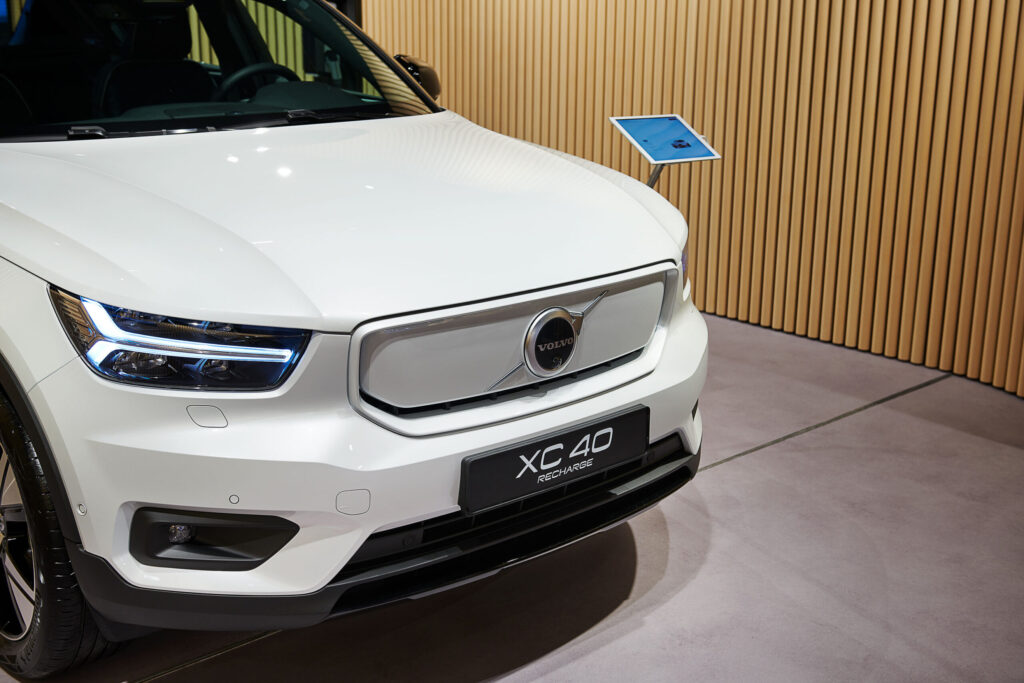
An electric tailgate that stops halfway, fails to close completely, or becomes completely unresponsive is a common issue with the Volvo XC40. This malfunction is usually caused by worn actuators, incorrect settings, or sensor failure. Before considering costly repairs, there are fortunately several checks and solutions you can perform yourself.
Why the Volvo XC40 electric tailgate shows malfunctions
The electric tailgate of the Volvo XC40 operates using electric actuators, sensors, and adjustable opening heights. When one of these components does not function properly, complaints arise. The most common causes are worn drive components that can no longer move the tailgate with sufficient power. Additionally, an accidentally saved lower opening height can cause the tailgate not to open fully. This is often mistaken for a malfunction.
The hands-free function can also cause problems. This function only works if the key is located approximately one metre behind the car and the kicking motion is performed correctly. After several failed attempts, the system temporarily disables the feature as a security measure.
Recognisable complaints with a faulty tailgate
Owners report various symptoms when the electric tailgate malfunctions. Do you recognise one or more of the following complaints?
- The tailgate does not close completely, and the motor continues to run without the latch engaging
- The tailgate stops halfway through its movement and opens again upon a new activation
- The hands-free function no longer responds or only works sporadically
- The tailgate opens less than expected and appears restricted in height
- Resistance occurs when closing, and the movement is interrupted
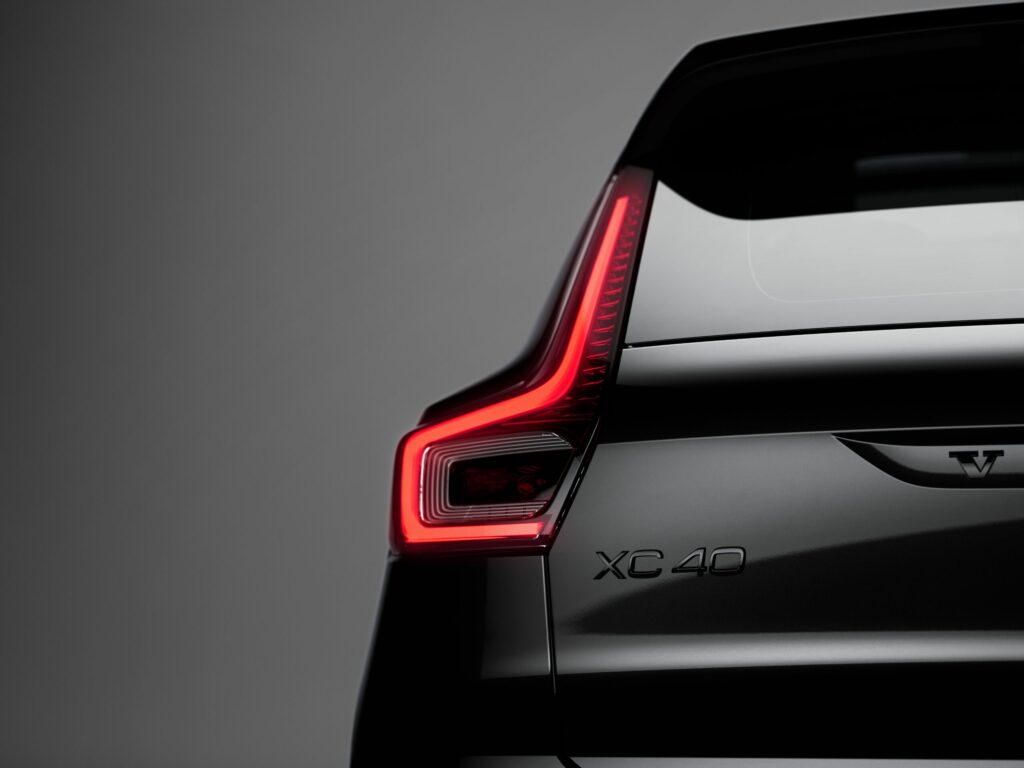
What you can check yourself before going to the garage
Before having expensive repairs carried out, there are several checks you can do yourself. Start by checking the set opening height. The Volvo XC40 has a function that allows you to set the maximum opening height of the tailgate, for example, for use in a low garage. This setting may have been accidentally saved at a lower position.
Next, test all operating methods individually. Try opening the tailgate with the button on the tailgate itself, the button on the dashboard, and the remote control. This helps determine whether the problem lies with a specific control method or the tailgate itself.
When using the hands-free function, ensure the key is within range. This function only works if the key is approximately one metre behind the car. Also, ensure there are no obstacles in the way, as the system automatically interrupts movement if it encounters resistance.
Resetting the opening height
Reprogramming the maximum opening height is a simple first step that can resolve many issues. Open the tailgate manually to the desired height. Then, press and hold the close button at the bottom of the tailgate for a few seconds until you hear a signal. The new height is now saved as the maximum.
How to fix a faulty tailgate on the Volvo XC40
When simple checks do not yield any improvement, it indicates a mechanical or electrical defect. Worn actuators are a known cause for tailgates that no longer close with sufficient power. These components drive the telescopic movements. Over time, they weaken, especially when the tailgate is heavily loaded.
In practice, it is often reported that replacing actuators or telescopic parts provides the solution. This is a repair performed by a Volvo specialist. Costs vary but generally range between 300 and 800 euros, depending on which components need replacing.
Another potential cause is a defect in the electronics or sensors. These parts detect obstacles and determine whether the tailgate can move safely. When sensors are dirty or damaged, the tailgate stops incorrectly. In some cases, the tailgate may not respond at all.
‘ Mechanical stress accelerates the wear of the actuators and hinges. ’
Cleaning the Volvo XC40 tailgate sensors
Dirty sensors interfere with the movement of the tailgate. The sensors are located around the tailgate opening and detect obstacles. Clean these sensors regularly with a soft, damp cloth. Be careful not to use aggressive cleaning agents that could damage the sensitive components.
The rubber seals around the tailgate can also trap dirt and moisture, which hinders movement. Check these seals for contamination and wear. If visible damage is present, replacement is necessary to prevent further problems.
Avoiding extra stress
Mechanical stress accelerates the wear of the actuators and hinges. Avoid placing heavy accessories on the tailgate, such as bicycle racks or extra lights. Furthermore, manually pushing an electrically operated tailgate shut can damage the drive mechanism.
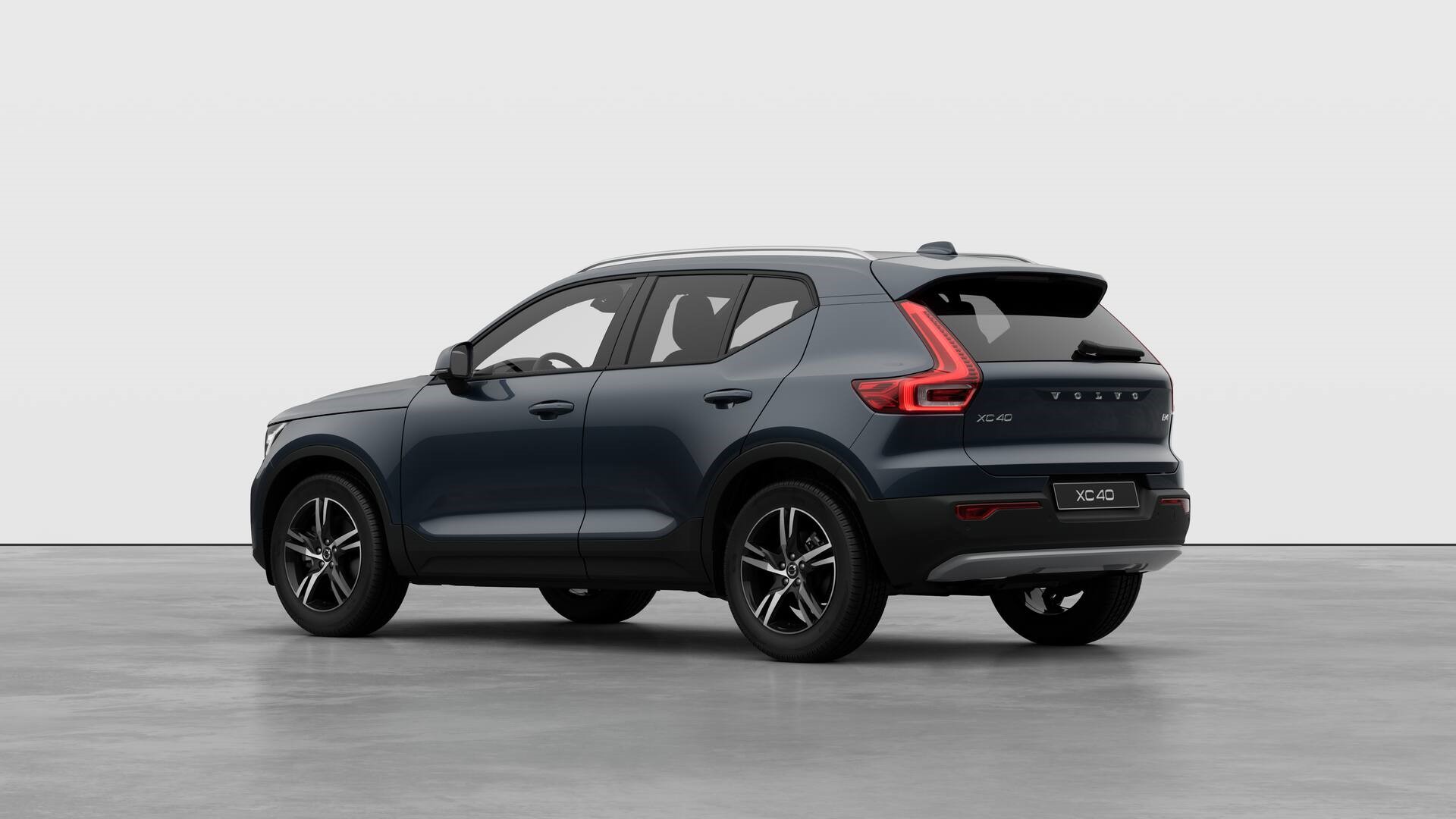
When professional help is needed
If the tailgate still does not function correctly after all checks and cleaning, diagnosis by a specialist is necessary. A garage can use professional equipment to read fault codes and determine which component is defective. This saves unnecessary replacements and ensures a targeted repair.
Pay attention to signals that indicate more serious problems. When the tailgate suddenly drops without resistance, the gas struts or actuators may have failed completely. This poses a safety risk and requires immediate action. Also, if the tailgate makes strange noises during opening or closing, inspection is advisable.
Preventive maintenance extends service life
Regular maintenance prevents many issues with the electric tailgate. Lubricate the hinges and moving parts at least once a year with a silicone spray. This reduces friction and keeps the mechanism operating smoothly.
Periodically check that the tailgate can move freely without obstacles. Check the area around the car before using the hands-free function. Entrapment causes damage to the motor and sensors. Volvo warns explicitly about the risk of entrapment during careless operation.
During extreme weather conditions, such as frost or heat, rubber parts and electronics become more susceptible to malfunctions. Keep a close eye on the tailgate during these periods and report any irregularities to your mechanic immediately.
‘ “From motor problems to electrical issues, you will discover practical tips and solutions you can apply immediately.” ’
More information about the Volvo XC40
On the Carnews website, you will find comprehensive information about common problems with the Volvo XC40 and other models. From motor problems to electrical issues, you will discover practical tips and solutions you can apply immediately. Explore the website and stay up to date with everything you need to know about your car.
Frequently asked questions
The most common causes are an incorrectly set maximum opening height for the tailgate and wear or defects in the electric actuators/telescopic parts, causing the tailgate not to open or close properly. Sensor or key issues with hands-free operation (key not in range or kicking motion not correctly recognised) are also frequent. Additionally, mechanical factors such as extra weight on the tailgate or slight obstructions can lead the safety system to interrupt the movement.
Yes, you can first check if the maximum opening height has not been accidentally set too low and, if necessary, reprogram it to the highest setting. Then test the tailgate with all options: button on the tailgate, button inside the car, and the remote control, to see if the problem relates to one specific method of operation. Ensure the key is within approximately 1 metre behind the car for hands-free operation and try the kicking motion calmly in the centre of the bumper. Finally, check that no obstacle or extra weight (such as a bicycle rack or snow/ice) is hindering the movement of the tailgate.
There are no exact, universal prices, but based on practical and repair sources, the costs for resolving an electric tailgate malfunction on a Volvo XC40 roughly range between €150 and €300 if it involves adjustment, sensors, or software (and minor materials). When one or both actuators, gas struts, or drive components need replacing, costs typically rise to approximately €400 to €800 at an official dealer. In complex cases involving multiple defective components or wiring damage, costs can be higher. The final price strongly depends on labour, parts used (original or aftermarket), and whether additional diagnostic time is required.
Yes, there is much you can do preventively: ensure the tailgate can move smoothly by keeping rubbers and hinge points clean and do not put extra weight (such as heavy stickers, racks, or constant loads against the tailgate) on it. Regularly check that the maximum opening height is correctly set and reprogram it if the tailgate stops unnaturally early. Keep the area around the tailgate free of obstacles so the security system does not constantly intervene and avoid repeated “forcing” if it encounters resistance. If the hands-free function sometimes works poorly, test it occasionally with the key within 1 metre and via different buttons so that you notice a developing source of trouble early.
In a Volvo XC40 with an electric tailgate, you can usually still **open it mechanically** by pulling the exterior handle or rubber pressure plate while the car is unlocked; the tailgate will open without motor support. To close it, **pull the tailgate down by hand and press firmly** until it audibly latches. If opening from the outside does not work, check whether the car is fully unlocked and try, if possible, to reach the tailgate latch from inside via the rear seat to operate it manually. Always consult the manual for your specific model year, as the exact emergency procedure and any emergency release at the latch plate may differ.
An “electric tailgate malfunction” in the Volvo XC40 occurs regularly in practice in the form of poorly or half-closing tailgates and issues with the opening height setting. It is thus seen more as a known point of attention than as an isolated incident. Whether it is covered under warranty depends on the age, mileage, and maintenance history of the car, as well as the diagnosis (software/setting or actual wear/defect). In many cases, a clear factory-related malfunction or premature defect under normal load can be claimed under (factory or extended) warranty, but this is assessed on a case-by-case basis by the dealer.