
The Volkswagen T-Cross 2026 has developed into the most talked‑about compact SUV of the moment. This model combines practical functionality with reliable technology, precisely at a time when the car world is fully focused on complex electrification. With its rugged design, flexible interior and proven technology, this car appeals to both city drivers and families. But why is this model generating so much discussion?
Why everyone is talking about the T-Cross 2026
The hype around the T-Cross centres on a surprising philosophy: simplicity as the key feature. In a market where electric powertrains and advanced technologies are becoming the norm, Volkswagen is choosing a different approach. The T-Cross demands nothing from you. You get in, drive off and get what you pay for: a reliable, spacious car with no learning curve.
Since its introduction in 2018, the model has built up a loyal following. The sporty looks combined with practical features make the car suitable for a wide range of drivers. From novice drivers to experienced motorists who have no need for technical complexity. The Volkswagen T-Cross therefore remains relevant, even as competitors shift their focus to hybrid and electric alternatives.
Timing also plays a role. Now that the ID.Cross will make its world premiere in the summer of 2026 as a fully electric alternative, the conventional T-Cross is receiving extra attention. For motorists who consciously choose not to go electric, this model represents the last chance for traditional technology in this segment.
‘ This feature is not a gimmick, but a practical added value when moving house, going on holiday or doing a big shop. ’
The features that make the difference
The T-Cross stands out thanks to concrete, tangible advantages that are useful on a daily basis. These characteristics make the car popular with a wide audience.
Sliding rear bench as a major asset
The ability to slide the rear bench remains the most talked‑about feature. It makes the car flexible for different situations. With a boot capacity ranging from 385 to 1,281 litres, you outdo comparable models in the compact SUV segment. This feature is not a gimmick, but a practical added value when moving house, going on holiday or doing a big shop.
Visibility and easy parking
The boxy bodywork and high seating position provide excellent visibility. This makes parking in busy urban environments easier. Novice drivers and older motorists particularly appreciate this, as it makes the car accessible without technical aids that distract.
Refined interior
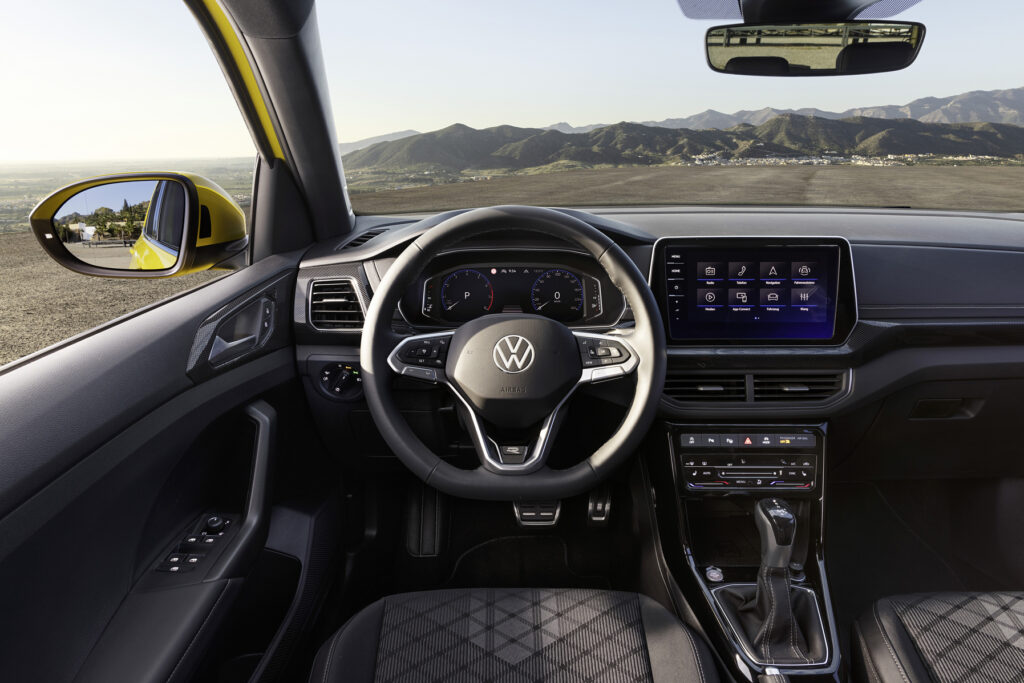
The recent updates have taken the interior to a higher level. Soft‑touch materials, comfortable seats and modern technology give the T-Cross a premium look and feel. This does not match the price tag, which strengthens the overall value proposition. You get Volkswagen quality at a reasonable price.
Technical specifications and performance
The current T-Cross 1.0 TSI R-Line offers a three‑cylinder turbo engine with 115 hp and 200 Nm of torque. Acceleration from 0 to 100 km/h takes 10 seconds, which is sufficient for everyday use. The 7‑speed DSG automatic transmission ensures smooth, comfortable gear changes.
With a weight of 1,190 kg and a towing capacity of 1,100 kg, the car is suitable for light trailers. This also makes the model attractive for drivers who occasionally take a caravan or trailer with them.
You do, however, need realistic expectations when it comes to fuel consumption. The manufacturer’s claim of 1 in 17 (5.9 l/100 km) differs from real‑world tests, which come out at 1 in 14.8 (6.7 l/100 km). This difference of over 13% is noticeable at current fuel prices. Hybrid competitors easily achieve 1 in 22 or better, which leads to a cost difference on longer journeys.
Pricing and trim levels in the Netherlands
The T-Cross is available in several configurations in the Netherlands. The Life trim starts at around €31,990, while the R-Line version costs about €38,490. In Belgium the entry price is lower, starting from €26,275 including VAT. This makes the car interesting for buyers living near the border.
The standard equipment of the Life version includes LED units at the front and rear, Travel Assist including Adaptive Cruise Control, and a multifunction leather steering wheel. You also get a 20.3 cm Digital Cockpit display, wireless smartphone integration via App‑Connect, lane‑keeping assist and parking sensors.
The R-Line adds automatic 2‑zone climate control, tinted windows with 65% light absorption, sports‑comfort front seats and premium interior upholstery. These extras justify the price difference for buyers who are looking for more comfort.
‘ In terms of badge and performance, Volkswagen cannot compete with the premium brands. ’
Position in relation to premium competitors
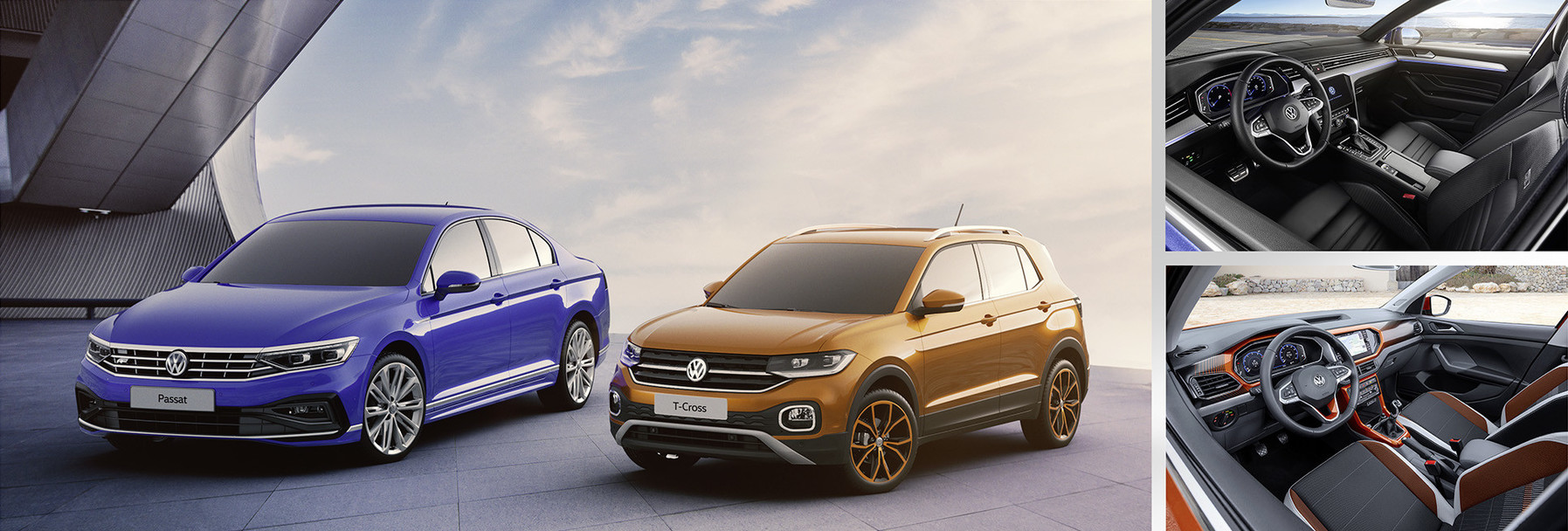
Whether the T-Cross poses a threat to BMW and Mercedes in the compact SUV segment depends on what buyers value. In terms of badge appeal and performance, Volkswagen cannot compete with the premium brands. However, the T-Cross offers more practical space and a lower price point.
For families who prioritise functionality over status, the T-Cross is an attractive alternative. The sliding rear bench and larger boot volume offer advantages that the BMW X1 or Mercedes GLA do not. This makes the car suitable for a different target group, rather than a direct competitor.

The arrival of the electric ID.Cross
Volkswagen is announcing the ID.Cross as an electric alternative, with a planned launch in the summer of 2026. This model will offer a range of 420 km, 211 hp of power and will be built on the new MEB+ platform. With 450 litres of luggage space plus a 25‑litre frunk, the ID.Cross offers more load capacity than you would expect from an electric car.
This announcement further boosts interest in the conventional T-Cross. Motorists who do not want an electric car see this as the last moment to opt for tried‑and‑tested technology. This explains the increased attention and discussion surrounding the model.
Who the T-Cross 2026 is suitable for
The T-Cross is aimed at buyers with specific needs. Families who need practical space without the size of a large SUV will find this model a suitable option. City drivers who value easy parking benefit from the good visibility and compact dimensions.
Drivers who place their trust in proven technology over innovation also consciously choose this model. You do not have to get used to electric driving, you do not need to look for charging points and you do not have to compromise on your habits. The T-Cross does not demand any lifestyle changes from you.
Novice drivers will appreciate the extra reassurance offered by the high seating position and good visibility. For older drivers who value simplicity without technical complexity, the car offers just enough assistance without overwhelming systems.
‘ A test drive is essential to find out whether the seating position and visibility suit you. ’
Practical considerations for buyers
When making your purchase, factor in higher fuel consumption than the manufacturer’s claim. Allow for 1 in 14 to 15 in mixed driving so you are not surprised at the pump. Compare the total costs over several years with hybrid alternatives, especially if you drive a lot of kilometres.
A test drive is essential to find out whether the seating position and visibility suit you. These characteristics are an important advantage of the car, but they are personal. What feels perfect for one person may feel too high or too upright for another.
Make use of the flexibility of the sliding rear bench to try out different scenarios. This will help you assess whether the space suits your everyday use. Also test how easy it is to load the boot with items you regularly take with you.

Is the T-Cross a threat to the segment?
The T-Cross does not pose a direct threat to premium SUVs from BMW and Mercedes. The model serves a different market with different priorities. Where premium brands focus on status and sporty performance, Volkswagen opts for practical reliability and functionality.
Within the compact SUV segment itself, however, the T-Cross is a strong player. The combination of price, space and proven technology attracts buyers who might otherwise look at the Peugeot 2008, Renault Captur or Nissan Juke. In this segment, the T-Cross has concrete advantages that convert interest into sales.
The announcement of the ID.Cross puts the conventional T-Cross temporarily in the spotlight. This creates a moment when buyers consciously have to choose between traditional and electric technology. For many, that choice has already been made, and the T-Cross benefits from motorists who are not yet ready for electrification.
On the Carnews website you will find more information about comparable models, maintenance tips and experiences with other compact SUVs. Discover which car best suits your situation and get practical advice for your next purchase.
Frequently asked questions
The VW T-Cross 2026 is creating a lot of online buzz because it offers a rare “simple, non‑electric” alternative in a market that is rapidly moving towards EVs and complex technology. Its extremely practical features, especially the sliding rear bench and the unusually spacious boot, are widely discussed as major strengths in the compact SUV segment. At the same time, the gap between official fuel consumption and real‑world figures leads to heated debates about its efficiency compared with modern (hybrid) rivals. Finally, the announced electric counterpart, the ID.Cross, also plays a role in the online conversations, with the T-Cross often being portrayed as a conscious anti‑EV choice.
The sliding rear bench, which makes the luggage space extremely flexible (385 to 1,281 litres), is one of the stand‑out real‑world features in the compact SUV segment. In addition, the T-Cross 2026 offers exceptionally good visibility and parking ease thanks to the high seating position and boxy body. The combination of relatively refined, updated interior finish with a still simple, proven powertrain appeals to buyers who are not looking for complex electrification. That way it positions itself as the “analogue” choice in a segment that is rapidly electrifying.
For car enthusiasts who look beyond purely practical aspects, the T-Cross 2026 is mainly relevant as a “no‑nonsense” choice: solid, easy to understand and with a surprisingly grown‑up finish for its segment. It is not an emotional driver’s car, but the 1.0 TSI with 115 hp in combination with the DSG offers nippy, relaxed performance and enough flexibility for everyday use. The relatively low weight and compact size result in light‑footed and easily controllable handling, especially in the city. Here, driving pleasure comes more from ease, comfort and control than from pure sportiness or excitement.
Yes, the expected pricing of the T-Cross 2026 does appear to be in line with the value and practical innovations it offers, especially given its spacious interior and versatile usability. Compared with its rivals, it provides a premium finish and rich standard equipment for a still accessible price. However, real‑world fuel consumption is less favourable than claimed, which can reduce the perceived value over the longer term. As a result, its price‑to‑value ratio is strong, but not exceptional within its segment.
The current hype around the T-Cross 2026 is largely based on concrete information, such as the sliding rear bench, the relatively unprecedented spaciousness in this segment and the improved finish and standard equipment. At the same time, clever marketing plays its part, especially by positioning the car as the ‘simple, analogue’ choice in contrast to the rise of electric models and the upcoming ID.Cross. The combination of clear, practical advantages and this positioning strategy amplifies the attention around the model. As a result, the hype is both substantively justified and marketing‑driven.