
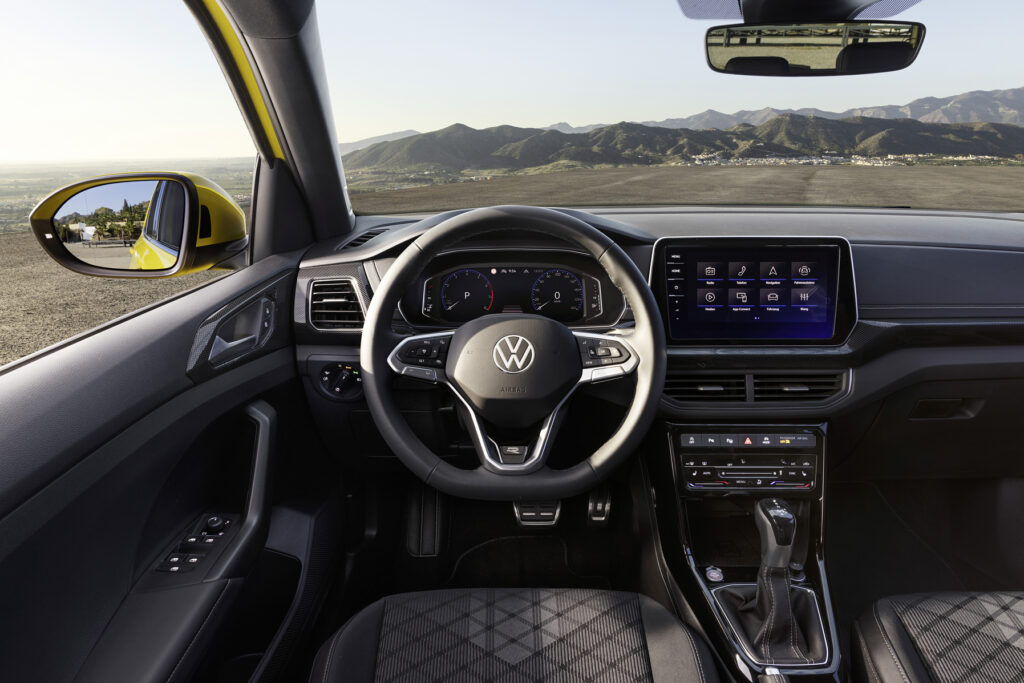
The Volkswagen T-Cross 2026 combines modern technology with familiar powertrains, but does require attentive servicing and focus on its weak spots. With regular maintenance and a critical eye on the timing chain and DSG transmission, this compact SUV provides a solid basis for long-term use. Discover which points of attention help keep the T-Cross reliable.
How reliable is the VW T-Cross 2026?
The T-Cross is largely based technically on tried-and-tested Volkswagen components. That is positive for parts availability and workshop know-how. The 1.0 TSI petrol engine is efficient and suits the compact character of the car well, but it does require correct maintenance and timely checks for known issues. The timing chain and DSG automatic gearbox in particular deserve extra attention.
In general, users report positive experiences with the clear seating position, easy access and practical layout. At the same time, there are reports of rattling noises on cold start, jerky behaviour of the DSG at low speed and occasional software-related faults. The Volkswagen T-Cross is not a car without issues, but with preventive maintenance many problems remain manageable.
Real-world experience shows that the T-Cross performs best with owners who respect the service intervals and do not wait too long to change the oil. The engine and transmission are sensitive to incorrect or aged lubricants. That is why it is wise to always check the service history when buying a used T-Cross.
Known problems with the T-Cross 2026
1.0 TSI engine
Most T-Cross versions are fitted with a 1.0 TSI three-cylinder turbocharged petrol engine. This engine is economical and modern, but at higher mileages or with incorrect servicing it can show certain problems.
- Rattling noises on cold start, often caused by wear or stretching of the timing chain
- Sensitivity to incorrect or aged engine oil, which accelerates wear
- Possible problems with chain tensioners over time
If you notice suspicious noises at start-up, have the timing chain and tensioners checked immediately. Waiting until the noise gets worse can lead to costly engine damage. The engine requires oil that meets the prescribed specification and must be changed on time.
DSG automatic (dual-clutch automatic gearbox)
The 7-speed DSG automatic is comfortable on motorways and country roads, but at low speeds or in stop-start traffic it can feel jerky or hesitant. This behaviour occurs mainly in urban use and during parking manoeuvres. For some drivers this leads to irritation and extra clutch wear.
Signals to watch out for:
- Jerks when pulling away from a standstill
- Hesitation at low speed or when shifting between drive modes
- Irregular upshifts during normal driving
If you drive a lot in town or in traffic jams, it is wise to be extra alert to this behaviour during a test drive. DSG servicing according to schedule helps to limit shifting problems.
Start-stop system (automatic engine shut-off when stationary) and battery electronics
Faults in the start-stop system occur quite regularly in compact Volkswagens. These are often related to the condition of the battery, battery sensors or software. That is not always a major technical issue, but it is a sign that the car can be sensitive to electrical peripheral systems. Have the battery condition checked if functions start to operate illogically or drop out.
Infotainment (the multimedia system in the car) and software
Modern Volkswagen models are highly dependent on software. This means that updates can sometimes resolve complaints, for example with the infotainment, driver assistance systems or electrical functions. When buying a used T-Cross, check whether the software and update history are available and whether recall actions have been carried out.
How much maintenance does the T-Cross 2026 need?
In practice, the T-Cross has a service interval of about 2 years or around 30,000 kilometres. For Dutch conditions it is sensible not to postpone oil and filter changes for too long, especially if you do many short trips, drive in traffic jams or mostly in town. With this engine, clean oil is important for the service life of the turbo and the chain drive.
Maintenance points that deserve extra attention:
- Engine oil that meets the prescribed specification
- Timing chain and tensioners if there are noises when cold starting
- DSG oil and servicing according to schedule
- Battery condition and start-stop system
- Software updates and service campaigns
- Brakes and tyres, which can wear relatively quickly due to the tall body and urban use
Maintenance tips for a long service life
A few simple measures help to keep the T-Cross reliable for longer:
- Let the engine warm up gently; hard acceleration straight away is unfavourable
- Change the oil slightly earlier rather than too late
- Always check the service history when buying a used T-Cross
- Thoroughly test the DSG in slow traffic during a test drive
- Check whether recall actions or software campaigns have been carried out
- Use the car regularly; standing still for long periods is not ideal for the battery and electronics
What is the lifespan of the T-Cross 2026?
The lifespan of the T-Cross depends strongly on maintenance and operating conditions. With timely servicing and attention to the known weak points, the car can cover 200,000 kilometres or more without major problems. Owners who warm up the engine gently, change the oil on time and have the DSG properly serviced often report few major failures.
Important factors for a long service life:
- Regular use prevents problems with the battery and electronics
- Timely oil changes protect the turbo and timing chain
- DSG servicing according to schedule limits clutch wear
- Software updates can resolve minor faults and improve functionality
A car that fits day-to-day use well in functional terms is often kept for longer. That is positive for sustainability, because replacement can be postponed. Thanks to its practical layout, sliding rear bench and sufficient boot space, the T-Cross provides a solid basis for many years of use.
‘ A car that remains reliable for a long time and has few major failures is in practice often more sustainable than a car with more complex technology that regularly needs major repairs. ’
Sustainability and efficiency of the T-Cross
The T-Cross is not a hybrid or electric car, but a compact petrol SUV. That means a relatively low weight, a compact engine and acceptable fuel consumption for its segment. From a sustainability perspective, that is a mixed picture. On the one hand, thanks to its size and relatively efficient engine the car is not extremely heavy or thirsty. On the other hand, it lags behind hybrid rivals when it comes to low urban emissions and fuel consumption.
For the T-Cross, the biggest gains in sustainability do not come from advanced electrification, but from lasting a long time, timely servicing, economical driving and avoiding unnecessary repairs and replacements. A car that remains reliable for a long time and has few major failures is in practice often more sustainable than a car with more complex technology that regularly needs major repairs.
Buying advice for the T-Cross 2026
If you are considering a VW T-Cross 2026, check the following points during the test drive:
- Cold start and engine noise
- Smoothness of the DSG when pulling away and parking
- Operation of start-stop and infotainment
- Functioning of driver assistance systems
- Brake feel and straight-line steering
Before purchase, check the service invoices, oil and service intervals, software and update history, tyre and brake wear, and any reports of engine or transmission faults. A well-equipped version usually remains more attractive on the used-car market and offers more comfort in everyday use.
For high annual mileage, a car with documented servicing and comfort options is important. For predominantly urban use, a manual gearbox can be simpler and more predictable than the DSG. Choose a version that matches your driving style and usage.
The VW T-Cross 2026 is a practical compact SUV with familiar technology and solid everyday usability. Reliability does, however, require attention to the timing chain, DSG transmission and regular servicing. On the Carnews website you will find much more information about Volkswagen models, maintenance tips and experiences with compact SUVs. Discover more and compare the T-Cross with other models.
Frequently asked questions
For the VW T-Cross 2026, the main expected weak points seem to build on earlier models: the 1.0 TSI three-cylinder (possible chain and turbo sensitivity, especially with oil change intervals that are too long) and the DSG automatic (jerky and wear-prone with a lot of city and stop-start use). In addition, the electronics remain a point of attention, particularly the start-stop system, battery/charging management and infotainment/software bugs. New and further expanded assistance systems increase the dependence on software and sensors, which in practice can lead to faults or calibration problems. Finally, wear to brakes and tyres can occur relatively quickly due to the SUV weight combined with frequent urban use.
The maintenance costs of the VW T-Cross 2026 are average to slightly above average within its segment, mainly due to the points of attention around the 1.0 TSI engine (oil, chain) and possibly the DSG automatic. Compared with some simpler competitors (without DSG and with less complex electronics) you can expect slightly higher costs in the long term if you do not follow the service schedule strictly. On the other hand, the VW technology used is widely available, meaning parts and expertise are easy to find and unexpected costs can be limited with preventive maintenance. For long-term ownership, the T-Cross is financially most favourable if you choose a car with a documented service history and ensure timely oil and DSG servicing.
With the T-Cross 2026, Volkswagen has mainly focused on familiar, relatively light MQB technology and an efficient 1.0 TSI engine, which keeps material use and fuel consumption down without complex hybrid or EV systems. By using proven components, easily accessible technology and a broad parts supply, the car is designed to last a long time with correct servicing, which strengthens its ‘service-life sustainability’. At the same time, it does not use groundbreaking recycled materials or far-reaching electrification, meaning that in environmental terms it lags behind (plug‑in) hybrid and electric competitors. As a result, the T-Cross 2026 is mainly future-proof as a practical, long-serving petrol SUV, but less so as a truly cutting-edge sustainable or low-emission model in the long term.
The VW T-Cross 2026 is not strictly designed as “dealer-only”: a handy owner can do basic tasks such as tyre pressures, screenwash, bulbs, wiper blades and visual checks themselves. Simple checks of oil level and coolant are in principle still DIY as well. More complex jobs such as software updates, DSG maintenance, diagnosing electronic faults and potential timing chain issues are clearly aimed at the dealer or a specialist workshop. In practice, therefore, major servicing and fault diagnosis stay with the dealer, while only light day-to-day maintenance is really “do-it-yourself”.
The latest technological innovations and more extensive software integration in the T‑Cross 2026 increase dependence on software updates and electronic components, which means reliability is partly software‑dependent. The positive side is that many faults can be resolved through updates or reprogramming without mechanical work. At the same time, diagnostics and repairs become more complex and more often tied to brand dealers, which limits independent garages and DIY enthusiasts. In the long term, this can reduce repair options and increase costs, even though the underlying mechanical basis largely remains familiar.