
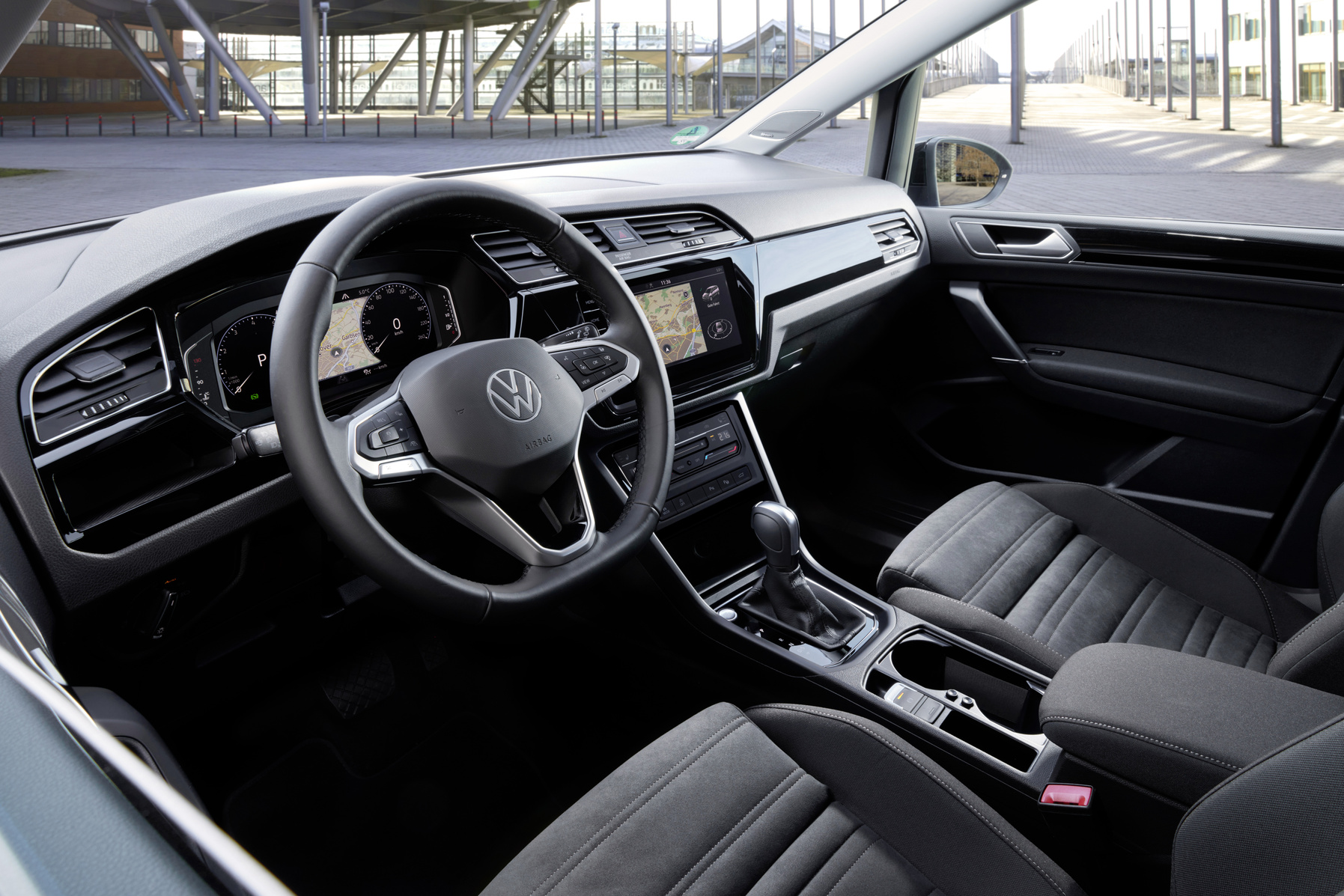
Leaking sunroofs and faulty door openers in the VW Touran significantly reduce comfort and safety. These problems occur regularly, especially on models with a panoramic roof or electric operation, but with the right approach they can often be resolved. Find out how to recognise these common faults and what you can do to fix them.
Why is the sunroof of my VW Touran leaking?
Water leakage through the sunroof is one of the most reported complaints with the Volkswagen Touran. The cause usually lies in blocked drain hoses. Leaves, dirt and other debris collect in the drains, preventing water from draining away properly. This leads to wet carpets, a musty smell and, in severe cases, even corrosion to the interior.
Shrinking hoses can also cause blockages after years of use. This problem mainly occurs with long-term build-up of debris. Damp climates speed up this process. You often only notice it when water seeps in through the headlining or when you find waterlogged carpets after a rain shower.
Besides blocked drains there are other causes that can make the sunroof leak. Worn rubber seals become porous or crack over time, especially on older models. The sliding mechanism can seize due to a build-up of dirt or wear in the rails, stopping the roof from closing completely.
‘ Early action prevents expensive interior repairs. ’
How can you prevent and fix sunroof leaks?
Regular maintenance is the best way to prevent leaks. Check the drains monthly by feeling in the corners of the roof frame. You can remove blockages with a flexible drinking straw or soft wire. Then flush with water to check whether the drain is clear. Do not use a compressor, as the pressure can damage the hoses.
To access the drains you often have to remove the wind deflector. This is relatively easy to do with basic tools. Also clean the sunroof rails with silicone spray. Grease is actually counterproductive here, as it attracts dirt.
If the leak persists despite clean drains, then check the seals. Replacing worn rubbers prevents further water damage. If there is already a leak, dry the carpet immediately and ventilate well to counter mould growth. Early action prevents expensive interior repairs.
Repairing faulty Volkswagen Touran door actuators
Faulty door actuators cause a lot of frustration for Touran owners. The central locking frequently fails due to worn door lock motors or defective actuators. Doors then stick or no longer respond to the remote key. This problem is particularly common with heavy use, which is logical for a family car.
The most common causes are:
- Failed door lock motors due to wear
- Flat battery in the remote key
- Module faults in the locking system
- Dirt or corrosion in the lock mechanisms
Before you start thinking about expensive repairs, first replace the battery in your key. This often solves remote issues immediately without tools. Then test the actuators by listening for clicking sounds when locking. No sound usually means a defective motor.
Solving Touran sliding door problems
The Touran’s electric sliding doors can develop mechanical problems. Sticking locks due to dirt or wear are common. The rails the door runs on can also suffer from a build-up of dirt, which hinders the opening and closing process.
You will notice this through creaking noises, jerky movement or doors that stop halfway. Sometimes the door responds to the controls but does not close fully. This reduces not only comfort but also the safety of the occupants.
Regular lubrication of the lock mechanisms and rails helps to prevent this. Use a suitable lubricant for moving parts. First remove dirt and dust with a cloth. For persistent problems you need to remove the door panels. You can then inspect the actuators. Many owners report success replacing defective motors as a DIY job, as these parts are affordable.
‘ In the case of a complete blockage, corrosion in the lock can be the culprit, especially with cars parked outside. ’
VW Touran tailgate will not open
A tailgate that will not open is a frequently heard problem. Here too, the cause often lies in the central locking. The lock mechanism can seize or the actuator may be defective. Sometimes it is an electrical problem where the tailgate does unlock but the opening motor does not work.
With electrically operated tailgates the gas struts can weaken. The tailgate then opens slowly or sticks. This is particularly noticeable in cold weather, when the struts become stiffer. Software issues can also disrupt operation, especially on newer models with automated opening.
First check whether the tailgate can be released manually. Many models have an emergency release from the boot. If this works, the problem lies with the electronics or actuator. Also test whether the key operation works. In the case of a complete blockage, corrosion in the lock can be the culprit, especially with cars parked outside.
Fixing sunroof initialisation errors
Models from 2015 onwards sometimes show error messages such as “sunroof not set”. The roof then no longer opens or closes. This fault occurs after a battery change, repairs or due to sensor errors. The system has lost its reference position and needs to be recalibrated.
Fortunately, you can often solve this yourself with self-calibration. Turn on the ignition without starting the engine. Hold the sunroof close button for 10 seconds until it closes completely. Repeat this process for the sunblind. This procedure restores the comfort functions, the anti-trap protection and the remote control.
After calibration, test whether the comfort open and close system is working again. Some owners report that several attempts are needed. If error messages persist, a software update via the dealer may be necessary. Persistent faults may indicate defective sensors or a problem with the control unit.
Prevention and maintenance tips for your Touran
Preventive maintenance significantly extends the lifespan of the sunroof and door actuators. Schedule a thorough check once a year. Flush the sunroof drains, calibrate the mechanism and check all door locks for proper operation. This prevents many common faults.
You can carry out much of the maintenance yourself. Unblocking drains, calibration and lubrication only require basic tools such as Torx screwdrivers, a flat screwdriver and trim tools. For more complex jobs such as seized mechanisms or leaks where the headliner has to be removed, consider a visit to the garage.
Watch out for signs that point to emerging problems. Damp carpets, creaking noises when doors move or a delayed response to the remote are warning signs. Early intervention often prevents costly repairs. Use quality lubricants and avoid aggressive cleaners on plastic parts.
‘ Discover what other Touran drivers experience and get the most out of your car. ’
Discover more about the Volkswagen Touran
Sunroof and door faults are well-known points of attention on the VW Touran, but with the right knowledge and maintenance they are easy to keep under control. On the Carnews website you will find much more information about common car problems, maintenance tips and the experiences of other owners. Discover what other Touran drivers experience and get the most out of your car.
Frequently asked questions
For the sunroof of the VW Touran (all generations, but especially with panoramic roof), blocked drain hoses, water leakage into the interior and sticking rails/mechanism are the most reported problems; on newer generations, initialisation or calibration errors occur more often as well, for example after a battery change. For the doors, across all generations, faulty door lock motors/actuators and faults in the central locking (door does not respond to the remote control or sticks) are the most common issues. Mechanical wear or contamination of the lock mechanism itself also occurs regularly, especially with intensively used family cars.
Preventively, you can check the sunroof every month and clean the drains, lightly lubricate the rails with silicone spray and recalibrate the roof after a battery change. Leaks, damp patches in the headlining or carpet, squeaking or jerky movement of the roof and error messages (“sunroof not initialised”) are early signs. For the doors, it helps to lubricate locks and hinges regularly, replace the key fob battery in good time and pay attention to a slow or irregular response from the central locking. Unusual noises (no click from the actuator), a door that sometimes does not open or close and warnings on the dashboard indicate emerging door problems.
The average repair costs for common sunroof problems (such as blocked drains, leakage or a sticking sliding mechanism) on a VW Touran are usually between about €150 and €600, depending on whether cleaning/adjustment alone is required or mechanical parts (rails, motor, sunblind) also have to be replaced. For door problems (central locking, faulty actuator or lock mechanism), average costs are usually in the range of around €200 to €450 per door, depending on labour costs and whether it concerns an original or aftermarket actuator/lock.
Yes, there are several do-it-yourself solutions and temporary fixes for both the sunroof and the doors of the VW Touran. For the sunroof, you can clear the drains yourself (straw/thin wire and water), clean the rails and lubricate them with silicone spray and carry out a recalibration by holding the close button for around 10 seconds. For door problems, you can first replace the key fob battery, lubricate the lock mechanisms and listen to whether the actuators still “click” to locate defects. Many owners remove the door panel themselves to replace a faulty lock motor/actuator as a relatively simple DIY repair.
Faults in the sunroof (such as leakage due to blocked drains or a sticking mechanism) can lower the residual value in the long term, especially if water damage, mould or corrosion has developed in the interior, and thus affect the perceived reliability. Recurring door problems, particularly faulty lock actuators or poorly functioning central locking, are seen by buyers as signs of electrical and mechanical vulnerability and likewise depress the residual value. Regular maintenance (cleaning drains, lubricating rails, timely replacement of lock motors) limits the damage and reduces the negative effect on both residual value and reliability. Where repairs are well documented, the impact is usually smaller than when complaints have been ignored for a long time.