
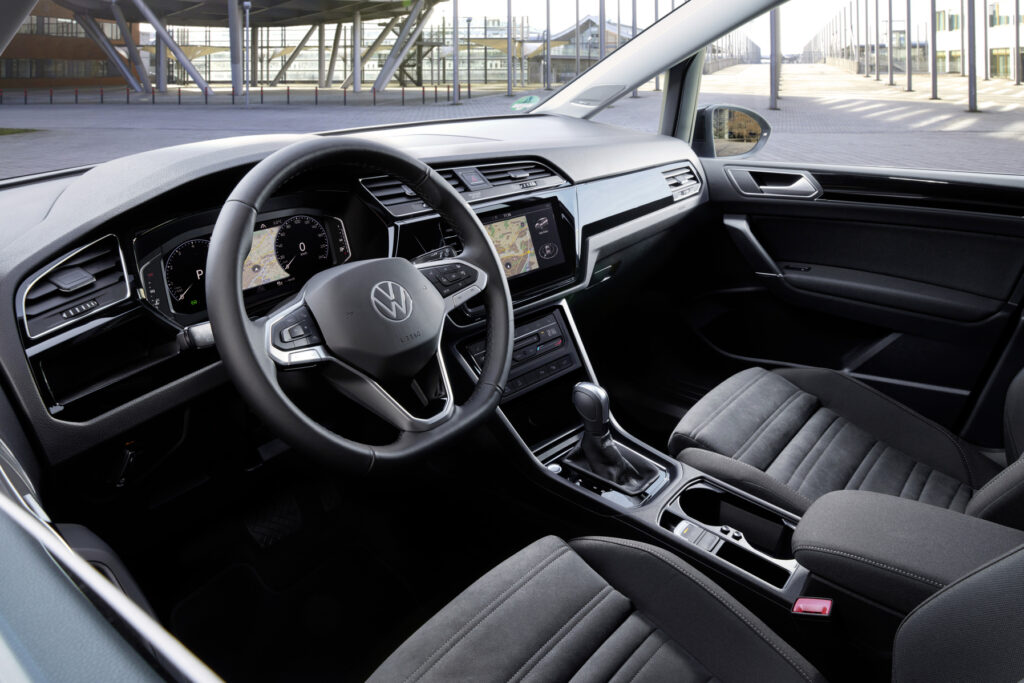
Certain TSI engines in the Volkswagen Touran suffer from wear of the coatings on pistons and cylinder walls, which can lead to scuffing and ultimately an expensive engine overhaul. This problem often develops gradually, with oil consumption and carbon build-up as the first signs of a deeper technical defect. If you recognise these signals in time, you can prevent serious engine damage and keep your Touran reliable for longer.
Pistons scuffing in VW Touran TSI engines: what are the causes?
Scuffing of pistons in the Volkswagen Touran with TSI engine is caused by a combination of design sensitivity and operating and maintenance conditions. In a healthy engine, piston rings ensure a proper seal between piston and cylinder wall. They keep engine oil out of the combustion chamber and maintain compression. When the coating on the piston or cylinder wall becomes damaged, this balance is disturbed.
Oil then leaks into the combustion chamber and burns along with the mixture. This process leads to additional carbon deposits, which can cause the piston rings to seize. As a result, both the piston skirt and the cylinder wall wear out more quickly. This can ultimately lead to loss of compression, misfires and a sharply increased oil consumption.
In some TSI engines, especially the 1.2 TSI and 1.4 TSI, wear of the coating plays an important role. This coating is intended to reduce friction, but can become damaged over prolonged use. The piston can then start to tilt, which further damages the cylinder wall and accelerates the wear process.
Design and operating conditions
The following factors increase the risk of piston problems:
- Incorrect or aged engine oil with the wrong specification
- Overly long service intervals according to longlife schedules
- Many short trips where the engine does not fully warm up
- Previous overheating or internal contamination
- Defective crankcase ventilation causing excessive pressure
- Carelessly continuing to drive despite already high oil consumption
How do you prevent cylinder wear in your Volkswagen Touran?
Prevention starts with conscious maintenance and timely recognition of warning signs. You cannot always completely rule out cylinder wear, but you can reduce the likelihood and limit the consequences by staying alert.
Check the oil level regularly, at least every 500 to 1,000 kilometres. Note how much oil you top up. Having to top up more than half a litre between two services on a regular basis is a sign that further investigation is needed. A small deviation can later tell you a lot about internal wear.
Use only engine oil with the correct Volkswagen specification for your engine code. The wrong oil can speed up contamination and wear, especially in engines that are sensitive to deposits. For older TSI engines, shorten the service interval and change the oil more often than the maximum longlife interval prescribes. This helps to limit carbon build-up.
Practical measures for daily use
- Make sure the engine regularly reaches full operating temperature by doing longer journeys
- Avoid constantly doing very short trips where the engine stays cold
- Respond immediately to misfires or engine warning lights
- Have the crankcase ventilation checked if oil consumption is increased
- If in doubt, schedule a compression test or endoscopic inspection
Symptoms of piston problems in the Touran 1.4 TSI
Complaints caused by piston and cylinder wear often develop gradually. At first you may only notice increased oil consumption. Later, more symptoms may appear that indicate internal damage.
Touran drivers regularly report the following combination of complaints:
- Noticeable oil consumption between services
- Blue or grey smoke from the exhaust, especially at cold start
- Irregular idling or jerky engine behaviour
- Hesitation or juddering when accelerating
- Engine warning light or EPC warning on the dashboard
- Misfires on one or more cylinders
- Loss of compression measured during a technical test
- Metal particles or severe contamination visible in the engine oil
Once the engine has built up a lot of carbon deposits, the damage often worsens rapidly. Oil that enters the combustion chamber does not burn completely and leaves additional deposits behind. This creates a downward spiral in which the piston rings seize further and the cylinder wall suffers increasing damage.
Diagnosis and investigation
A proper diagnosis is necessary to determine whether there is piston or cylinder wear. This usually consists of:
- Compression test to measure whether all cylinders seal properly
- Leak-down test to determine where the loss occurs
- Endoscopic inspection to visually examine the cylinders
- Checking spark plugs for oil contamination
- Inspection of the crankcase ventilation and PCV system
- Analysis of oil consumption over several thousand kilometres
Costs of an engine overhaul for the VW Touran TSI
The costs of an engine overhaul vary greatly, depending on the nature and extent of the damage. In cases of light wear, it may sometimes be sufficient to replace pistons and piston rings and to hone the cylinders. In more severe cases, replacement of the cylinder block or a complete engine rebuild is necessary.
A partial overhaul, in which pistons and piston rings are replaced and the cylinders are honed, can quickly add up to between 2,000 and 4,000 euros. This includes labour and parts, but excludes any replacement of additional parts such as valves, catalytic converter or ignition coils that have been damaged by oil burning.
For a full engine overhaul or replacement of the engine block you should expect amounts between 4,000 and 7,000 euros, depending on the type of engine, the availability of parts and the garage’s labour rates. In some cases, owners opt for a reconditioned exchange engine, which can be a faster and sometimes more cost-effective option.
Factors that influence the costs
- Extent of the damage to cylinders and pistons
- Availability and price of parts for your engine code
- Labour hours required for disassembly and reassembly
- Any damage to catalytic converter, valves or turbo caused by oil burning
- Choice between overhauling the existing engine or fitting an exchange engine
Early diagnosis can ultimately save a lot of money. Those who continue driving with high oil consumption and misfires increase the risk of damage to multiple engine components and a much higher final bill.
‘ Regular checks, quality oil and a sharp eye for irregularities make the difference between years of driving pleasure and an unexpected engine failure. ’
Useful facts for car enthusiasts
Not every case of oil consumption in a TSI engine means that the pistons or cylinders are immediately severely damaged. Sometimes contamination plays a bigger role than mechanical wear. An engine can continue running for quite some time even when there is already visible damage to the cylinders, because compression just about remains sufficient.
Simply replacing external components such as spark plugs, ignition coils or valves usually does not solve mechanical wear. These components can indeed be damaged by the consequences of piston problems, but the real cause then remains untreated.
A well-maintained TSI engine can be perfectly reliable, but it requires more attention than standard maintenance according to longlife schedules. Regular checks, quality oil and a sharp eye for irregularities make the difference between years of driving pleasure and an unexpected engine failure.
More information and tips on Carnews
On the Carnews website you will find much more information about common problems with the Volkswagen Touran and other models. Whether you are looking for maintenance tips, repair costs or experiences from other car enthusiasts, there is always an article that will help you further. Discover more and stay up to date on everything you need to know as a Touran driver.
Frequently asked questions
The main causes are design sensitivity of certain TSI engines combined with increased oil consumption, which causes piston rings to become contaminated or seize. As a result, more oil enters the combustion chamber, carbon deposits form and piston and cylinder wall wear accelerates. Insufficient or overly long oil change intervals, the wrong oil and lots of short trips reinforce this process. Problems with crankcase ventilation (PCV), previous overheating and wear or flaking of the piston coating can also contribute to piston tilt and additional cylinder wear.
Early signs of piston and cylinder wear include structurally increasing oil consumption, blue smoke from the exhaust (especially at cold start), rough idling and misfires accompanied by warning lights. Spark plugs may also show oil fouling and a compression test may reveal reduced or uneven compression values. If this is not dealt with, carbon deposits and wear will continue to increase, leading to loss of compression, more misfires and a risk of catalytic converter and turbo damage. Ultimately, an expensive engine overhaul or even replacement of the engine block may become necessary.
Always use engine oil with the prescribed VW specification and change it more often than the maximum longlife interval to limit contamination and wear. Check the oil level regularly and top up in good time so that the engine never runs with too little oil. Limit lots of short journeys and high loads on a cold engine so that pistons and cylinder walls do not have to operate under poor lubrication conditions. If early warning signs such as increased oil consumption, misfires or smoke appear, have a compression test and/or endoscopic inspection carried out promptly so that early-stage wear can be addressed in time.
Common repair options are replacing pistons and piston rings (possibly with a modified set), honing or boring out the cylinders or, in cases of severe damage, fitting a reconditioned or exchange engine block. For just pistons and piston rings with honing of the cylinders, costs are roughly between €1,800 and €3,500 at a specialist, depending on engine type and labour costs. For a full engine overhaul or exchange engine you should think more in terms of around €3,000 to €6,000 in total. Sometimes a used engine is chosen as a budget option, but in that case the risk of similar wear is higher.
There are, particularly with certain 1.2 TSI and 1.4 TSI engines in the VW group (including the Touran), more frequent reports of increased oil consumption and associated piston and cylinder wear. Specific engine codes and model years have not been clearly identified; the sensitivity is closely related to engine generation, service intervals, driving profile and oil use. In older TSIs that have long been run on longlife intervals or do lots of short journeys, the risks of this type of wear appear to be greater. An individual Touran should therefore mainly be assessed on symptoms (oil consumption, misfires, loss of compression) rather than solely on model year or engine code.