
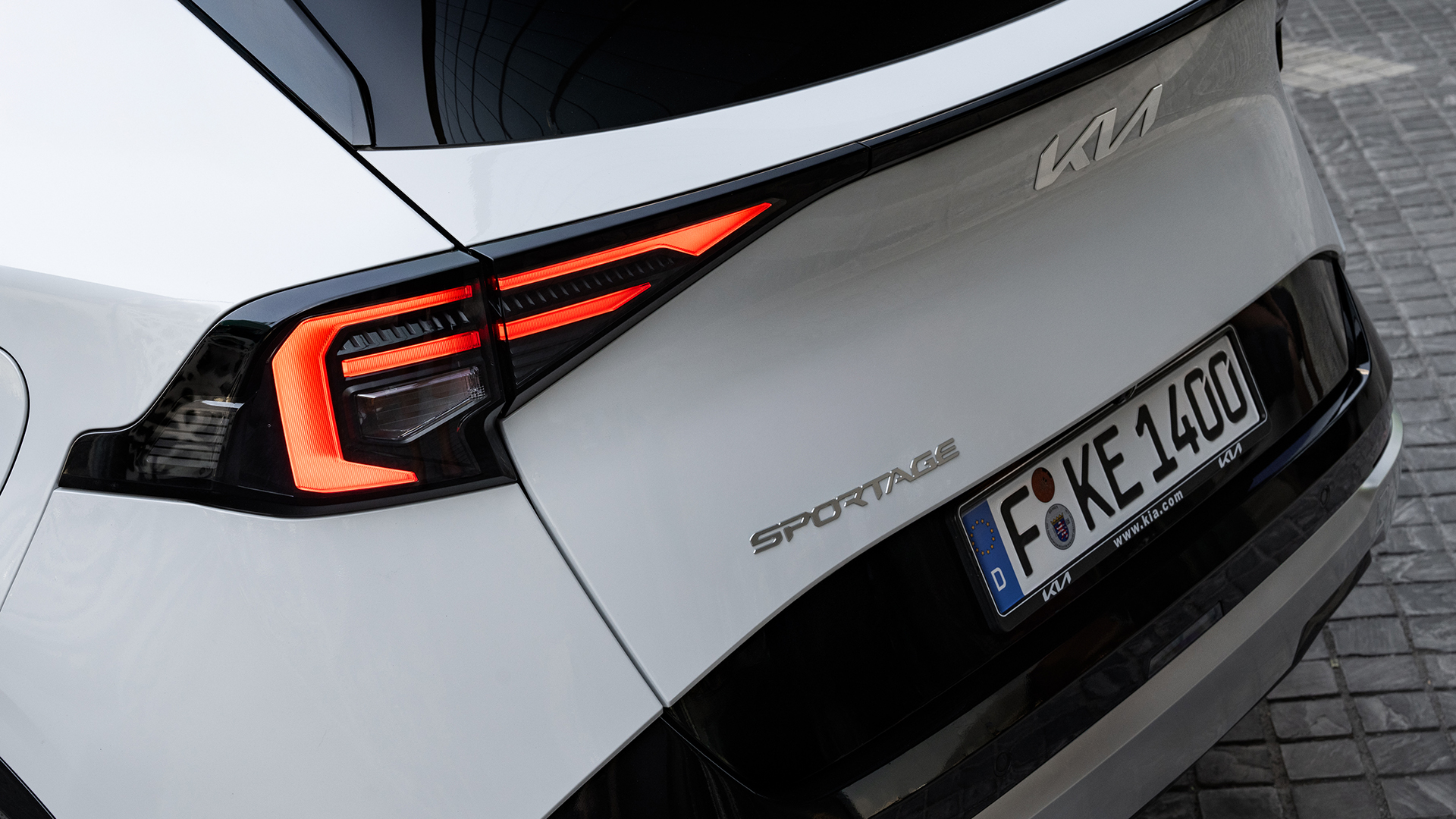
Water collecting under the rear door, draughts around the doors and unwanted moisture in the interior are problems that regularly occur with the Kia Sportage. These complaints usually trace back to faulty seals and blocked drains. Over time, these parts lose their effectiveness. This article describes the most common causes of water leaks. You will read practical ways to trace the problems. Finally, you will find concrete solutions to get your car dry and comfortable again.
Why is water leaking under the rear door?
Water that collects under the rear door of your Kia Sportage usually points to a problem with the rubbers or seals around the door. These rubbers normally ensure a watertight closure. Through age, wear or damage they lose their elasticity. Small openings then appear. During driving or when it rains, water seeps inside.
Check the condition of the rubber strips around the door frame. Feel whether they are still supple. Have they become hard and cracked? If in doubt, pour water over the closed door. From inside, observe where the moisture is entering. Pay particular attention to the bottom of the door and the corners where several rubbers come together.
A blocked drain under the door also causes water to collect. Some models have small drain holes in the bottom of the door panel designed to drain away any rainwater that has entered. These holes become blocked with dirt, leaves or other material. The water then remains inside the door. Via electrical wiring or speakers, it reaches the interior.
‘ The door may close, but not with enough force for the seal to work properly. ’
Dealing with draughts at the driver’s door
Draughts at the driver’s door often arise from the same cause as water leaks. Poorly sealing rubber strips cause both problems. You often notice draught earlier than water problems, especially when driving on the motorway or in cold weather. You then feel a cold stream of air along your leg or arm.
A door that is incorrectly adjusted also results in insufficient pressure of the rubbers against the frame. This sometimes happens after a minor collision or after replacing door components. The door may close, but not with enough force for the seal to work properly.
The solution starts with checking the rubbers for damage. Replace hard or torn strips with new, model-specific ones for your Sportage. Also check that the door latches properly and is not too loose. If you are unsure about the adjustment, it is wise to consult a specialist who can readjust the door.
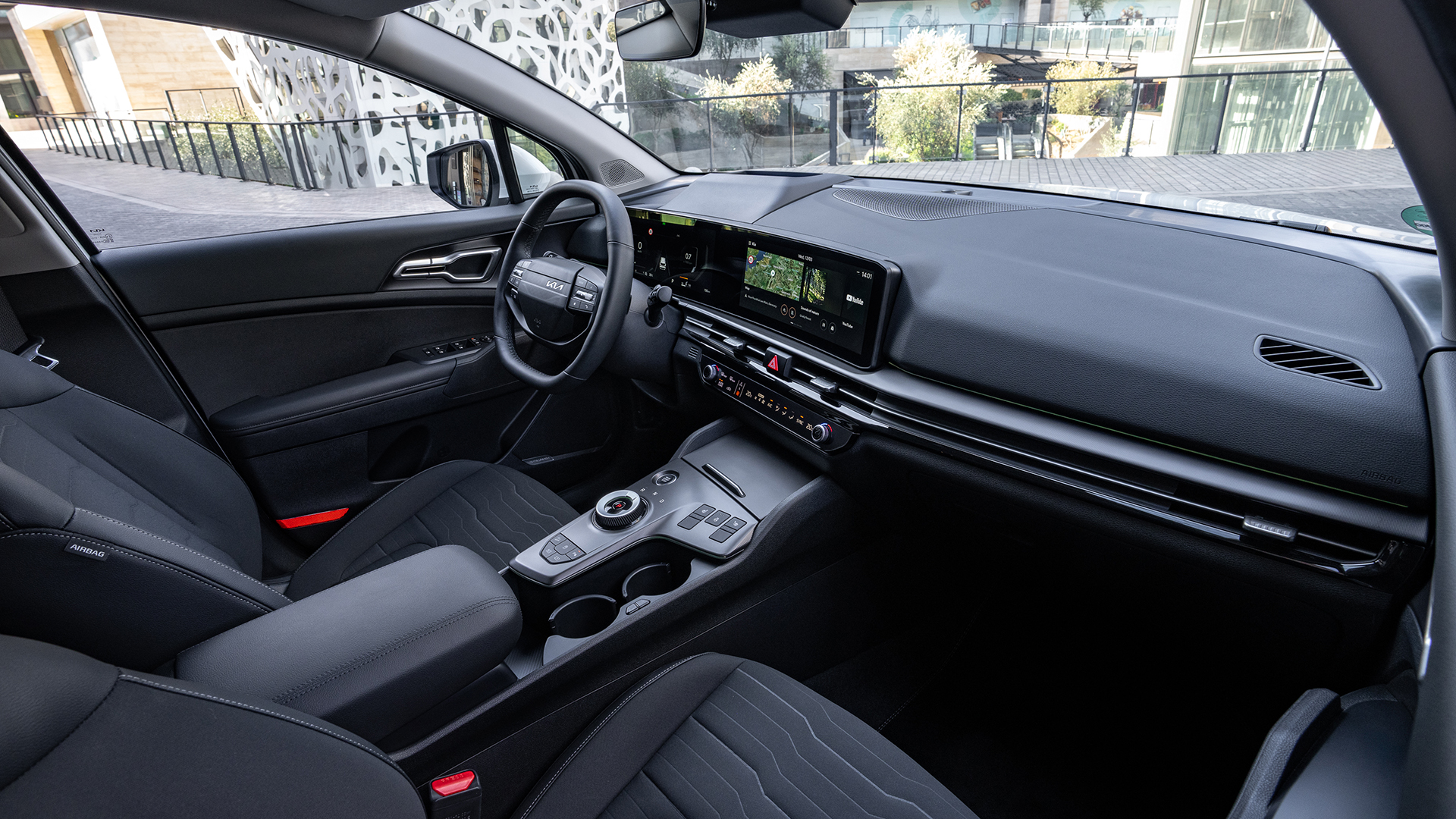
Moisture problems in the interior: the main causes
Moisture in the interior of your Kia Sportage has several causes, which go beyond just the door rubbers. A blocked air conditioning condensate drain is a very common culprit, especially on the passenger side. The air conditioning system produces condensation. A small hose behind the front wheel drains this away. This hose becomes blocked. The water then runs back inside and ends up under the passenger mat.
You recognise this problem by wet floor mats after using the air conditioning. Sometimes you hear a rattling sound from the fan when cornering. Look for the drain hose behind or next to the right front wheel. Blow it clear with compressed air or a bicycle pump. This prevents water from building up in the ventilation unit.
A second common cause is a blocked sunroof drain. Sportage models with a sunroof have drain hoses in the roof corners that lead water down via the A-pillars and C-pillars. These hoses become clogged with leaves, pollen or other dirt. The water runs over the windscreen. Sometimes it flows directly into the interior. This often leads to a wet boot or wet rear passenger mats.
How do you trace the source of the leak?
A systematic approach will identify the exact cause of water leaks. Start by inspecting the most common problem areas:
- Visually check all door rubbers for hardness and cracks
- Check all door rubbers with your hands for hardness and cracks
- Pour water over closed doors and from inside see where it enters
- Open the sunroof and pour water into the corners
- Follow where the water flows
- Inspect the air conditioning drain hose. This hose is located behind the right front wheel.
- Check the tailgate and rear window for correct closing and intact rubbers
Are you checking the sunroof drains? Then work carefully. The hoses are often not firmly secured. They can come loose if you pull too hard on them. Ideally use a flexible tool such as a draw tape or thin electrical cable. Insert it gently upwards from below. Remove the blockage.
Park your car on a dry surface so you can see damp patches more easily. This is also how you detect leaks in the cooling system. This type of leak is sometimes mistaken for rainwater. You recognise coolant by its sweet smell. The liquid is green or pink in colour.
‘ This prevents further damage to the engine or electronics. ’
Practical repair tips for each problem
You do not need special tools to replace door rubbers. Simply pull the old strips out of the groove in the door frame. Clean the groove of dirt and old adhesive residue. Then install the new rubber. Some rubbers simply click into place. Others need to be glued with special rubber adhesive.
For blocked sunroof drains, prevention works best. Clean the drains at least once a year, preferably after autumn. In autumn, many leaves fall. Open the sunroof. Remove any visible dirt from the gutters. Use a hose or watering can to flush water through the drains. This lets you check that they are flowing freely.
Locate the air conditioning drain hose behind the right front wheel. Carefully blow compressed air through the hose. Some owners replace the cabin filter at the same time. A dirty filter contributes to moisture problems and also causes odours in the car.
Still suffering from moisture despite these measures? Then you are probably dealing with a more serious problem. Consider a leak in the cooling system. A faulty heater matrix can also cause moisture problems. In that case, seek professional help. This prevents further damage to the engine or electronics.
When should you call in a specialist?
Some water leaks are complex. They require specialist knowledge and specific tools. Have you still got water in your car after checking rubbers and drains? Then the problem lies deeper. Think of a leak through the bulkhead between engine bay and interior, faulty weld seams in the bodywork or problems with the tailgate. These issues only become visible after dismantling.
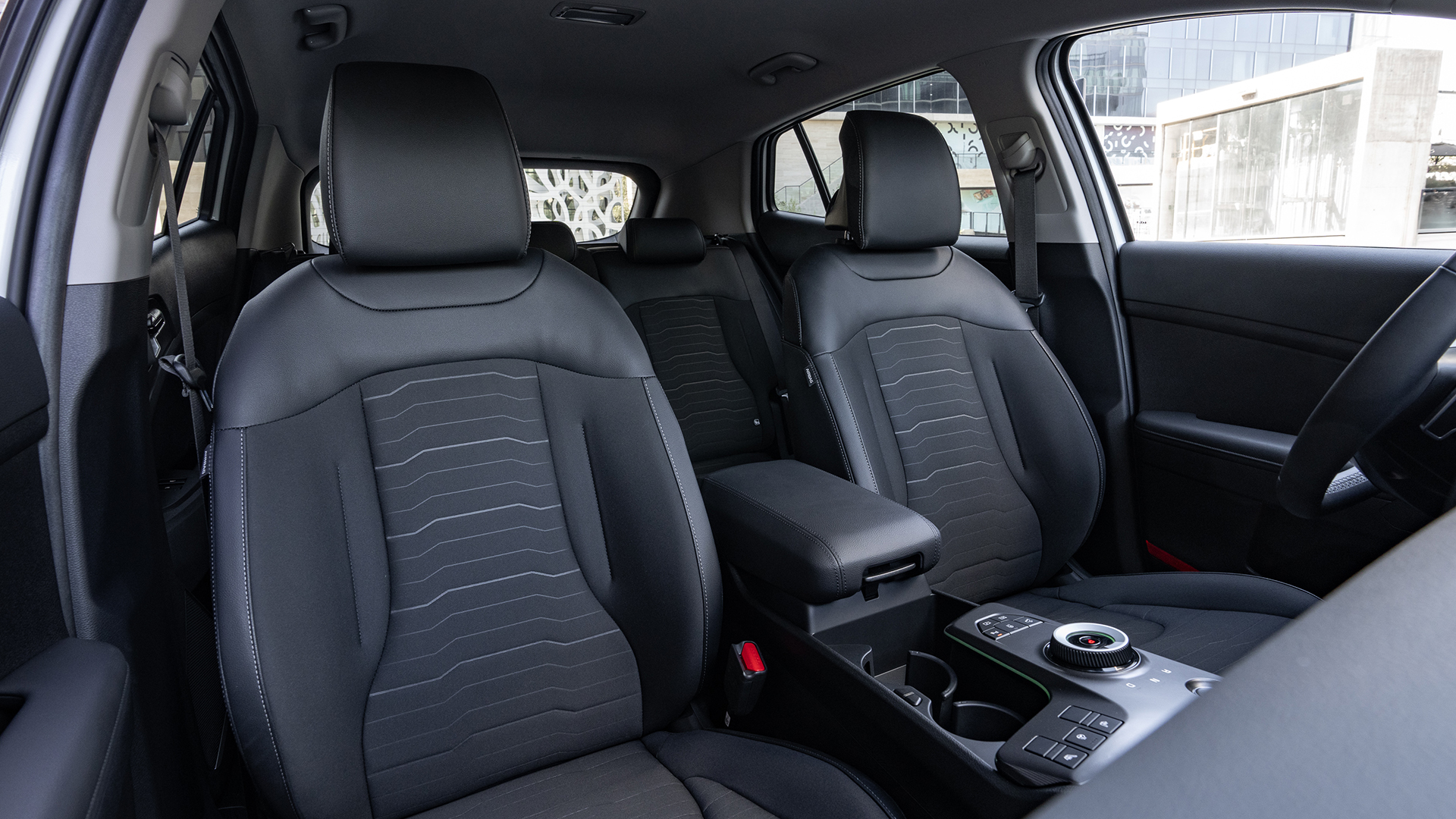
Do you see signs of mould, a persistent damp smell or electrical faults? Then visit a garage. Prolonged moisture leads to rust in concealed areas. It damages electrical components under the seats or in the dashboard. Over time, these problems become more expensive.
A dealer or specialist garage can carry out a pressure test. In this test the interior is put under light overpressure. At the same time, soapy water is sprayed onto the bodywork. Air bubbles indicate the location of the leak. This method is more effective than pouring water yourself and ultimately saves time and money.
Prevent future moisture problems
Regular maintenance prevents most moisture problems. Each time you wash the car, quickly check the drain holes in the doors. Also check the holes under the rear bumper. These small openings are important for water drainage but are easily blocked.
Use frost-resistant screenwash. This prevents the reservoir from cracking in freezing weather. A cracked reservoir may not seem directly related to water leaks, but it does cause unwanted moisture in the interior. This moisture will accumulate.
Use special rubber conditioner for the rubber seals or use silicone spray. Treat the seals with this once a year. This keeps the rubbers supple and significantly extends their service life. Use products suitable for EPDM rubber. EPDM rubber is an elastic material that is resistant to weather influences and is used in car doors.
Ventilate your car thoroughly on a regular basis, especially if it has been parked up for a long time. Open doors and windows to let damp air escape. For persistent moisture, use a moisture absorber in the interior.
‘ You will find all the information you need. ’
Want to know more about your Kia Sportage?
Water leaks are just one of the problems that Kia Sportage owners can encounter. On the Carnews website you will find extensive information on many more topics related to this popular model. Think of technical faults, maintenance tips and experiences from other owners. You will find all the information you need. Get the most out of your car. Spot problems in good time.
Frequently asked questions
The most common causes of water leaks in a Kia Sportage are blocked drain hoses from the sunroof, a blocked air conditioning condensate drain and leaks in the cooling system (such as water pump, hoses, radiator). Typical locations where the water then becomes visible are the floor mat on the passenger side, the boot and sometimes the area around the A- and C‑pillars. Water can also enter via poorly sealing rubbers on the tailgate or rear window. In addition, leaks from screenwash around the reservoir or hoses can occur.
Start by determining what is leaking: clear water (roof/air conditioning), coolant (usually coloured and smelling sweet) or screenwash. Check the sunroof and drains by pouring water into the roof corners and seeing where it comes out on the outside; use a flexible draw tape or electrical wire to carefully push through drain hoses from below. If there is moisture in the front passenger footwell, look for the air conditioning condensate drain behind the right front wheel and blow it clear with compressed air or a bicycle pump. Useful tools: torch, old cloths/kitchen paper, flexible cable/draw tape, small brush, a bucket or watering can with water and, if possible, compressed air.
Persistent water leaks can cause short circuits, corrosion and failure of electronic components such as wiring looms, connectors, sensors, air conditioning and comfort modules. In the interior, moisture leads to mould and unpleasant odours, damage to upholstery and carpet, sagging headlining and, ultimately, rust in the floor and sills. Long‑term leaks can also adversely affect the operation of airbag sensors and other safety or comfort systems. It is therefore important to have the cause quickly traced and resolved to prevent expensive consequential damage.
Common DIY solutions include flushing or carefully pushing through the sunroof drains, clearing and blowing through the air conditioning condensate drain at the right front wheel, and cleaning the scuttle panel and drainage channels around the windscreen and roof. You can also check the screenwash reservoir, hoses and visible coolant hoses yourself and replace them if they are easily accessible. Professional help is unavoidable for coolant leaks from the water pump, thermostat housing, radiator or head gasket, for leaks along windows or body seams, and if you still have water in the interior despite unblocking the drains. If any electronics have become wet or there are signs of overheating, the car should go straight to a specialist.
Prevent water leaks in your Kia Sportage by cleaning the drains of the sunroof and scuttle panel at least once a year, especially after autumn and pollen season. Regularly check the air conditioning condensate drain at the right front wheel and keep the cabin filter clean so that condensation can drain away properly. Have the cooling system periodically checked for leaking hoses, radiator and water pump, and keep an eye on coolant level and engine temperature. If in doubt, flush the roof and air conditioning drains through with water and, in case of persistent leaks, have a specialist check the rubbers and seals.