

A leaking water pump in the Volkswagen Up is a known problem that can quickly lead to overheating and serious engine damage. A defective water pump causes coolant loss. This situation requires immediate replacement. Otherwise your car will overheat or suffer irreparable damage. Read on to discover how to recognise the symptoms and which steps you can take.
The water pump in your car ensures that coolant circulates through the engine. This prevents overheating and protects engine components from warping. The water pump can fail. The cooling system then loses its effectiveness. The consequences are far-reaching and expensive.
Owners of the Volkswagen Up regularly report problems with the water pump. Some owners experience gradual coolant loss. Other owners suddenly see warning lights on the dashboard. The problem is caused by normal wear on gaskets and seals, which dry out and crack over time.
How to recognise a leaking water pump
A defective water pump shows various symptoms. The sooner you notice these signals, the better you can prevent costly engine damage.
One of the first warning signs is a puddle of coloured liquid under your parked car. Coolant is usually orange, green, pink or blue in colour. The coolant level drops continuously. You then have to top it up regularly. This indicates a leak in the system.
Rust and deposits around the water pump indicate a small leak. This leak has been present for some time. The pump then works less efficiently and must be replaced. Increased fuel consumption can also point to a defective water pump. The engine then has to work harder to stay at the correct temperature.
Regularly open your bonnet. Carry out a visual inspection. Look for signs of leakage, rust formation or pitting around the pump. This allows you to detect problems early. The warning light on your dashboard will not yet have come on.
‘ The leak then gets worse and the engine overheats more and more often. ’
Why a water pump wears out
A water pump is subject to normal wear. Years of use cause this wear. The parts that are most affected are the gaskets and seals. These materials dry out, crack or break over time.
The wear usually does not lead to sudden failure. The water pump starts to leak gradually. You get the chance to trace the problem. At that stage the situation is not yet serious. If you ignore the signals, the leak increases and the engine overheats more and more often.
Consequences of driving on with a defective water pump
It is very important to have a leaking water pump repaired quickly. Driving on with a defective water pump leads to the following problems:
- The cooling system loses coolant, causing the engine to overheat
- The engine wears out faster and fuel consumption rises significantly
- The car can boil over, which leads to serious engine damage
- In many cases the engine suffers irreparable damage, making repair no longer worthwhile
An overheated engine has serious consequences. Cylinders can warp and the head gasket can fail. Even complete engine failure is possible. The repair costs for this far exceed the cost of a new water pump.
Diagnosis and repair of the water pump
A visual inspection forms the basis of the diagnosis. Check all visible hoses for wear. Inspect the area around the water pump for leaks. White exhaust smoke can indicate a head gasket problem, which is another cause of coolant loss.
A pressure test at the dealer can detect hidden hairline cracks in the coolant reservoir. Such cracks occur regularly in the Volkswagen Up. Some owners report coolant loss of 500 ml every two weeks, which clearly points to a leak in the system.
The water pump must be replaced. Always renew the coolant at the same time. Your car has a timing belt (rubber drive belt for the engine). In that case replace the water pump together with the timing belt. These parts have a similar service life, which saves labour costs. With a timing chain (metal chain that drives the engine) the water pump is replaced separately.
‘ Corrosion causes the problem. ’
What does replacement of the water pump cost
The cost of replacing a water pump varies depending on the model and the garage where you have the repair carried out. For the Volkswagen Up you can expect costs between 200 and 500 euros, including parts and labour.
The cause may be less serious. Owners also report smaller repairs, such as a defective sensor connection to the water pump. Corrosion causes the problem. Such repairs cost around 95 euros including diagnosis and repair.
Your car is still under warranty. The problem is caused by a manufacturing defect. The repair can then be carried out free of charge. In that case a pressure test can demonstrate that there is a hairline crack in the coolant reservoir.
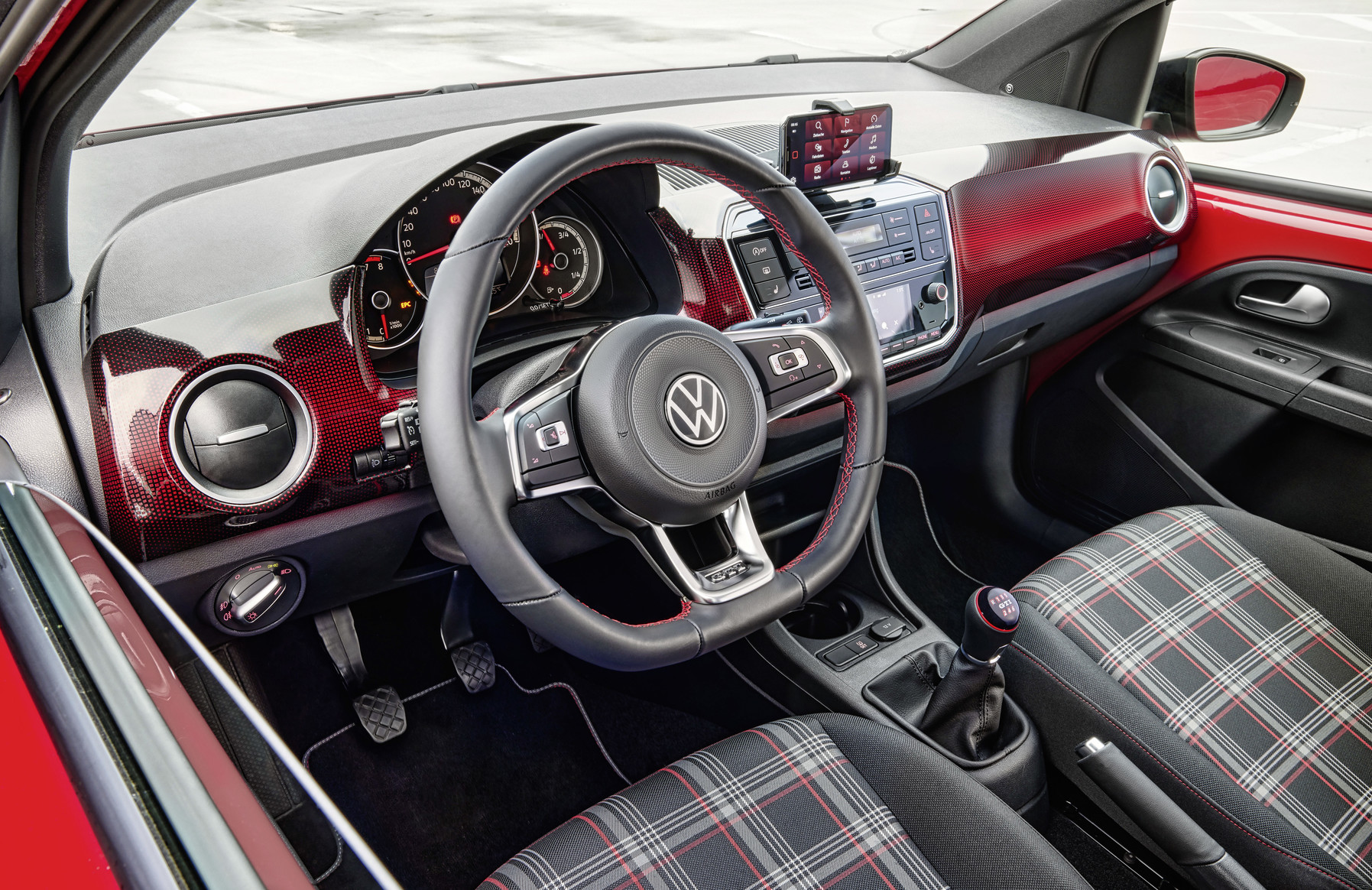
Is water pump failure a known problem with the VW Up
Many owners of the Volkswagen Up have experienced problems with the water pump. It is a known issue that occurs mainly in older examples or in cars with high mileage.
The complaints reported by owners are recognisable and often similar. Coolant loss without visible external leakage is a frequently heard complaint. In some cases, investigation shows that the problem lies in a hairline crack in the coolant reservoir rather than the water pump itself.
Corrosion at the sensor connection of the water pump also occurs regularly. This causes faults in the cooling system and can lead to warning messages on the dashboard.
Other common leaks in the VW Up
The water pump can cause problems. Other components can also cause leaks in the Volkswagen Up. It is important to distinguish these from coolant leaks.
Water can enter via the air conditioning drain hose. This happens especially if it is not fitted correctly. This leads to water under the floor mats by the pedals. A defective seal around the heater matrix can cause a leak. Water then runs through the bulkhead (metal wall between engine bay and interior) into the cabin.
Leaves from trees can block drain holes around the heater grille. Water then accumulates. It is advisable to blow out these holes annually with a pressure washer, especially if you regularly park under trees.
‘ A check only takes a few minutes and can save you a lot of worry. ’
Practical tips for owners
Preventive maintenance avoids many problems. Regular checks likewise prevent many issues. Check your coolant level regularly and watch out for unexpected drops. A check only takes a few minutes and can save you a lot of worry.
Visually inspect the engine bay for leaks and rust formation. Make sure you know where the water pump is located. You can then check it easily. Take your car to the garage as soon as possible when you notice symptoms.
Replace the water pump in good time according to your vehicle’s maintenance schedule. Ask the garage about the recommended replacement intervals. When possible, replace related components such as the coolant at the same time. Also replace the timing belt if applicable. This prevents you from having to go back to the garage again shortly afterwards.
Keep drain holes clear, especially if you park under trees. This prevents water from building up and potentially damaging electrical components or your car’s interior.

When to go to the garage
You are unsure whether there is a problem with your water pump. In that case, do not start experimenting yourself. An incorrect diagnosis leads to a range of consequences. You incur unnecessary costs. The problem can also get worse. A professional mechanic has the right equipment to test the cooling system.
The warning light for engine temperature comes on. Pull over safely as soon as possible. Do not continue driving with an overheated engine. Let the car cool down and call a breakdown service or recovery truck. Driving on can lead to complete engine failure.
You are unsure about the cause of coolant loss. A pressure test is then the most reliable method. The test detects visible leaks in the system. Hidden leaks are also identified. The cost of a pressure test is limited compared with the potential damage to your engine.
On the Carnews website you will find extensive explanations of common problems with the Volkswagen Up and other car makes. Discover useful tips, technical explanations and practical advice to help you keep your car in top condition.
Frequently asked questions
You often recognise a water pump leak on your Volkswagen Up! by a dropping coolant level and/or a coloured puddle of coolant (green, pink, blue or orange) under the car. First signs are having to top up the coolant regularly and light rust or limescale-like deposits around the water pump or in the engine bay. The engine may also run hotter than normal or the coolant warning light may come on. Therefore, carry out a visual check under the bonnet and, if in doubt, have a pressure test or inspection done at a garage.
Yes, a leaking water pump is relatively common on the Volkswagen Up! and is frequently reported in real-life user experiences. It is usually the result of normal wear of the pump, gaskets and seals, which dry out, crack or split over time. In addition, corrosion around connections and sensors on the water pump, and small hairline cracks in the coolant system (for example in the reservoir), can cause leaks. Using the wrong coolant, replacing it too late and not replacing the pump in time together with the timing belt can also contribute to premature problems.
The average cost of replacing a water pump on a Volkswagen Up! is generally around €300 to €600, depending on the garage and hourly rate. This amount includes parts and labour.
If you ignore a leaking water pump on your Volkswagen Up, the coolant level will drop and the engine can overheat. This causes accelerated engine wear and significantly higher fuel consumption. If you drive on for too long, the engine can “boil” and suffer serious, sometimes irreparable engine damage. As a result, the repair costs can ultimately be higher than the value of the car.
Technically speaking, a leaking water pump on a Volkswagen Up! is not a simple DIY job, because the pump sits deep inside the engine bay and is often linked to the timing belt or chain. Mistakes can lead to serious engine damage due to overheating. For both diagnosis and replacement, a professional garage is therefore strongly recommended. Only highly experienced home mechanics with the right tools and documentation should consider doing this themselves.