What does electric driving cost per kilometre? Working out home charging, public charging and rapid charging
Electric driving is cheaper per kilometre than petrol. You hear that often, but it only holds true if you know where you charge. Between a kWh from your own charger and a kWh at a rapid charger by the motorway, the difference is quickly a factor of three. So what does an electric kilometre really cost?
The calculations in this article are based on an average consumption of 18 kWh per 100 kilometres. That is a realistic figure for a medium-sized electric car over a whole year, including winter journeys with the heating on. A frugal compact car will be lower; a large SUV higher.
The three ways to charge
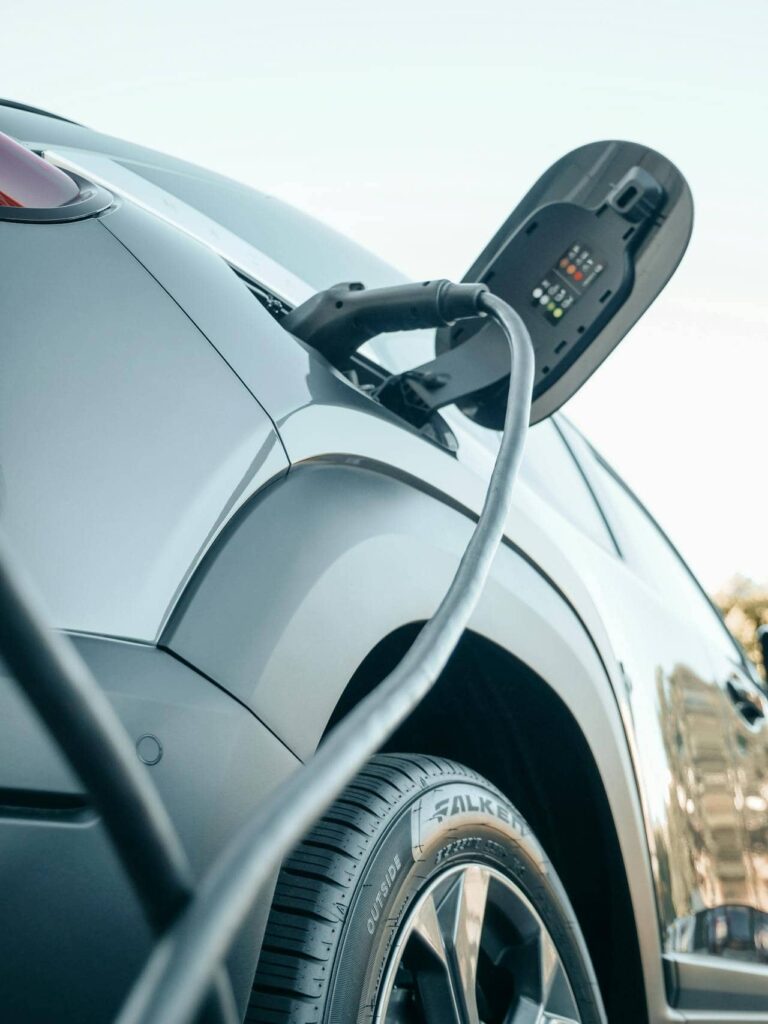
Electric drivers generally charge in three places. Each place has its own price level.
- At home, with your own charging point. You pay your normal electricity rate, including energy tax and VAT. With a fixed tariff, this usually comes to around 25 to 30 pence per kWh in 2026.
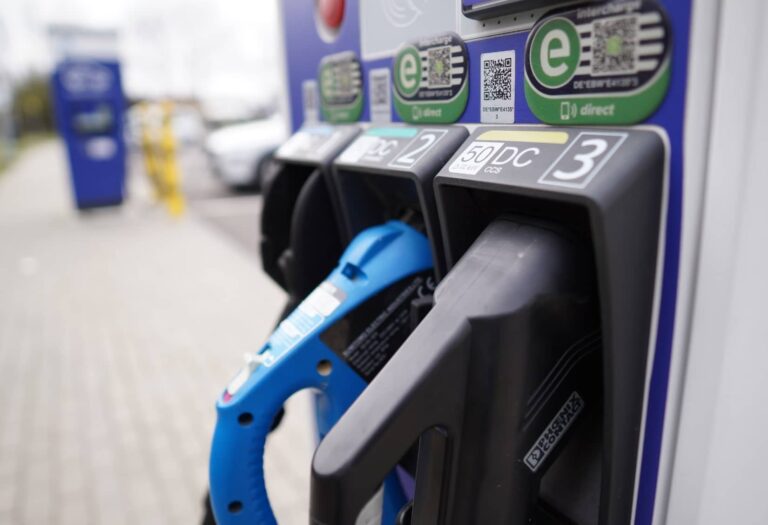
- At a public charging point in the neighbourhood. Here you pay the operator’s rate plus, possibly, a surcharge from your charging card provider. Expect 45 to 60 pence per kWh.
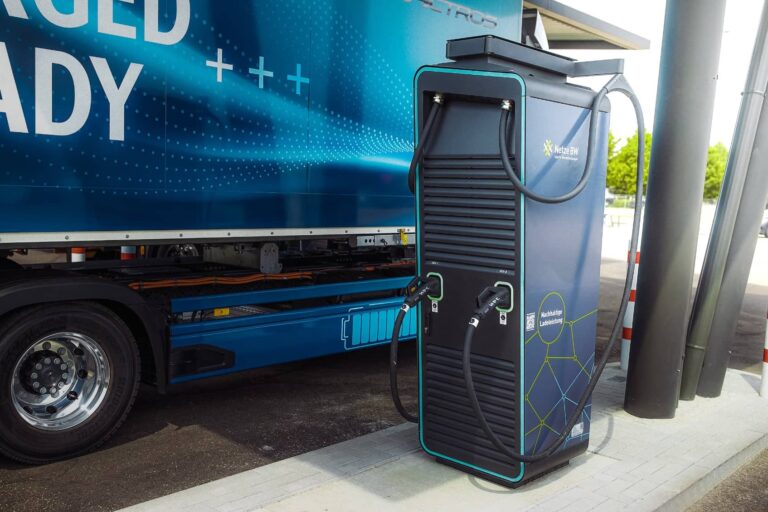
- At a rapid charger. Handy on the road, but the highest rate: often 60 to 80 pence per kWh without a subscription.
What does a kilometre cost?
At 18 kWh per 100 kilometres, the calculation is straightforward. An overview by charging location:
- Home charging at €0.28 per kWh: €5.04 per 100 km, or about 5 pence per kilometre.
- Public charging at €0.52 per kWh: €9.36 per 100 km, well over 9 pence per kilometre.
- Rapid charging at €0.69 per kWh: €12.42 per 100 km, well over 12 pence per kilometre.
By comparison: a petrol car that uses 6 litres per 100 kilometres costs, at a litre price of €1.95, about €11.70 per 100 km. So if you mainly use rapid charging, driving electric is not necessarily cheaper than petrol. The benefit lies in home charging.
The difference between home charging and rapid charging is greater than the difference between electric and petrol.
Home charging can be even cheaper
At home, you have two extra levers to pull that you do not have on the road.
1. Charge at the right hour
With a dynamic energy contract, you pay the market price per hour or per quarter of an hour. That varies hugely within a day. In September 2026, a kWh including tax and VAT sometimes cost just 13 pence on sunny weekend afternoons, while the evening peak around 7 pm regularly went above 40 pence. On 22 September it even rose to more than 80 pence at 7 pm. Anyone who lets the car charge during the cheapest hours can save 8 to 12 pence per kWh compared with a fixed tariff. Anyone tracking the electricity price per hour quickly sees the pattern: the price drops in the middle of the day and deep in the night, and rises towards the end of the afternoon.
2. Get money back per kWh charged
Since 1 January 2026, home charging has counted towards ERE certificates. Fuel suppliers must offset their emissions and therefore buy evidence of clean energy in transport. A kWh you charge at home with a charging point fitted with a calibrated MID meter yields about a third of an ERE. At the market price in October 2026 (39 pence per ERE), that is around 13 pence gross per kWh, and after the commission charged by the registration service provider, about 10 pence net. How this works and which charging points are suitable is explained in this guide to the ERE compensation for home charging.
All in all
If you turn both levers, the calculation changes significantly. For example, someone who drives 15,000 kilometres a year and charges 80 per cent at home:
- Charged at home per year: about 2,160 kWh.
- At an average dynamic charging price of 20 pence per kWh: €432.
- Minus the ERE compensation of around 10 pence per kWh: about €225 back.
- Net cost of home charging: about €207 a year, or not even 2 pence per kilometre over the 12,000 kilometres charged at home.
The remaining 20 per cent you charge on the road, and there you pay the full rate. If you calculate those 3,000 kilometres at an average of 60 pence per kWh, the average across all kilometres comes to about 3 to 4 pence per kilometre in charging costs.
Where it goes wrong
- No private driveway. Anyone reliant on public charging points misses out on both the dynamic price and the ERE compensation. Electric driving remains cheaper than petrol, but the difference is smaller.
- Lots of rapid charging. Anyone driving long distances a lot pays the highest rate on the road. A subscription to a rapid-charging network can then be worthwhile.
- A charging point without a MID meter. Then the ERE compensation falls away. For many brands, the same charger is available with and without a calibrated meter; the article number makes this clear.
- The ERE price fluctuates. In spring 2026, the price was still around 50 pence per ERE; in October it was 39 pence. Do not base future years on today’s price.
Conclusion
Electric driving costs between 2 and 12 pence per kilometre, depending on where and when you charge. Anyone charging at home, at the right times and with a MID charging point that generates ERE certificates, drives for just a few pence per kilometre. Anyone relying mainly on rapid charging gets close to the cost of an economical petrol car. The charging point on the driveway may therefore be the single most important factor in the total cost of an electric car.