
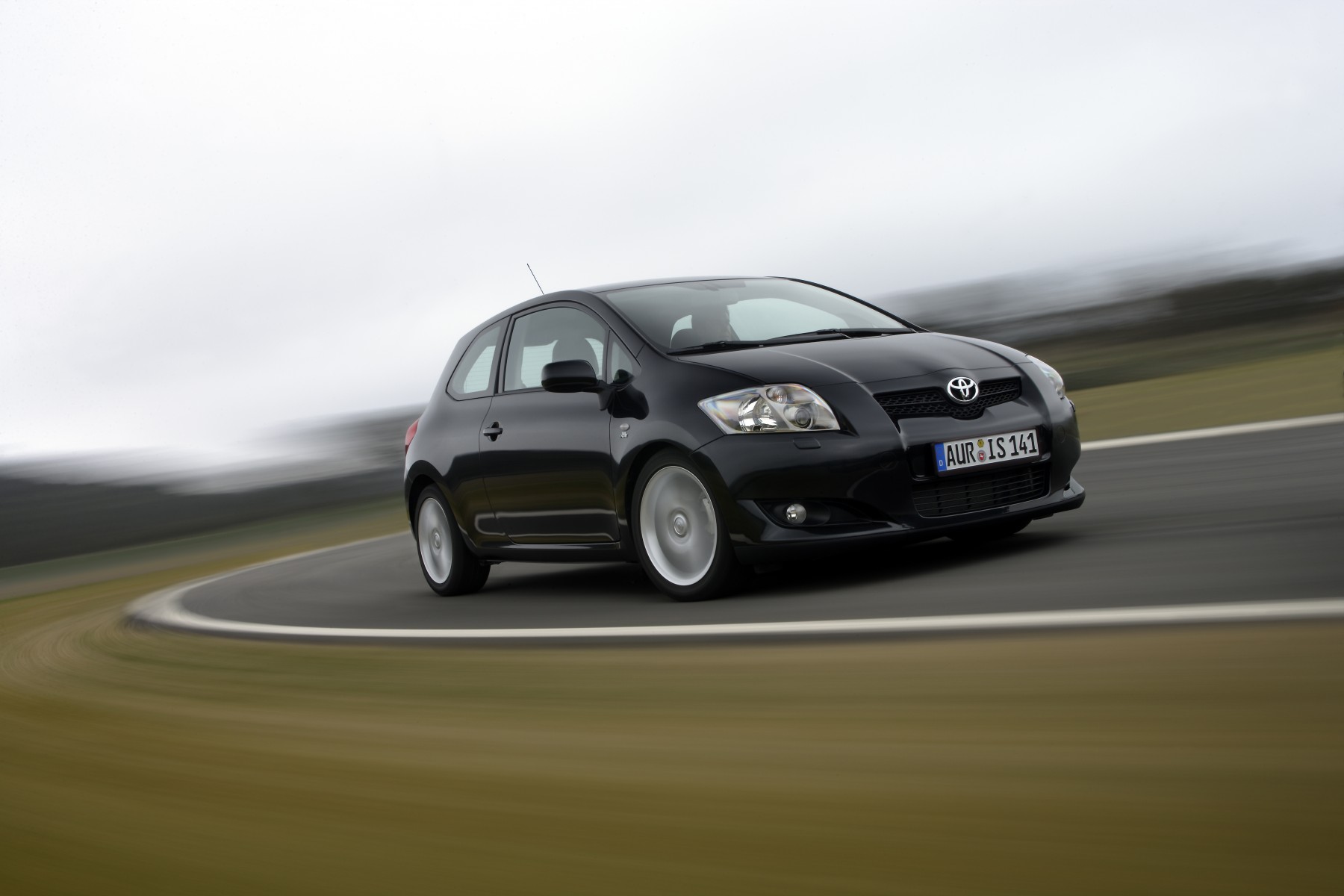
The Toyota Auris is known as a reliable family hatchback. Even this car, however, has some things to look out for. Keep these in mind when buying. The transmission, oil consumption and certain electrical systems need extra attention. Watch out for these during the test drive and inspection. With the right checklist you can avoid costly surprises after purchase and ensure you get a dependable used car.
The Toyota Auris scores highly in reliability surveys, but not every engine and trim level deserves the same level of trust. The smaller petrol and diesel engines cause few problems in everyday use. Larger diesel engines such as the 2.0 and 2.2 D-4D, on the other hand, are more of a risk. These models can require expensive repairs. The hybrid version also has a specific risk related to the electric module.
On models up to 2013, excessive oil consumption can occur. Some examples need a cup of oil every two weeks. Owners report this regularly. Always check the dipstick (the stick used to measure the oil level) and look for soot around the exhaust. Later models from 2013 onwards suffer much less from this problem, which makes those versions a safer choice in many cases.
Engine type determines the risk
The 1.4 D-4D diesel is considered a reliable choice. This engine has low maintenance costs. It uses on average 6 to 7 litres per 100 kilometres and has few known issues. Do watch out for black smoke from the exhaust. This can point to a clogged MAF sensor (measures how much air enters the engine) or EGR valve (feeds exhaust gases back into the engine to reduce emissions).
The larger 2.0 and 2.2 D-4D diesel engines are best avoided. These versions regularly suffer from failed head gaskets and piston rings. Repair costs can be substantial and the gearbox is under high torque load. With these engines, check particularly carefully for oil consumption and soot in the exhaust.
Petrol versions such as the 1.33 and 1.8 without Valmatic score well, especially from 2013 onwards. Older examples may show excessive oil consumption and ignition coils that fail early. The 1.33 engine often still uses virtually no oil even after 95,000 kilometres and returns mid-40s miles per gallon.
‘ The battery in the hybrid version is generally reliable, but it does need to be used regularly to stay in good condition. ’
Hybrid needs extra attention
The hybrid version has a specific risk relating to the IPM module (this is the switch that controls the electric motor). This is the electrical component of the hybrid system. Models from 2014 to 2018 had issues with it. Manufacturers then recall cars to the dealer for free repairs. During the test drive, check the system for loss of power. Also check whether the system shows signs of overheating. On certain examples free replacement may be possible.
The hybrid system should switch smoothly between electric and petrol. If you feel hesitation or hear unusual noises, this can indicate a problem. The battery in the hybrid version is generally reliable, but it does need to be used regularly to stay in good condition.

Test drive reveals transmission problems
During the test drive, shift through all the gears. Watch out for jerky movements or hesitation. Automatics can show shifting issues with hesitation during gear changes. The manual versions are generally more reliable.
Listen for strange noises from the gearbox. A rattling sound points to possible slipping or vibration in the transmission (this is also called vibration of the gearbox). This is more common on the more powerful diesel engines because of the high torque load. Also test the handbrake on a hill, as slipping is a known issue on the Auris.
Air con and stop-start system
Switch on the air conditioning. Check whether it produces cool air without strange noises. The air con should cool quickly and continue to work evenly. Air con problems are not extremely common, but can be expensive to repair.
The stop-start system can cause problems after the car has stood still for a long time. The accelerator pedal sensor (measures how much throttle you apply) can then become disrupted. If the warning light is on, switch the system off. Some owners choose to leave the system switched off by default to avoid this risk.
Checking electrical components
On certain models the battery can discharge quickly. A current drain (constant small power use that drains the battery), a faulty alternator or simply age can be the cause. This problem occurs mainly on versions from 2017. Test the battery with a multimeter or have the electrical systems checked by a mechanic.
Check all electrical functions such as windows, mirrors, lights and the infotainment system. Electrical faults are not rampant, but they do occur. A thorough check will prevent unpleasant surprises.
‘ They should work powerfully and progressively, without vibration or pulling to one side. ’
Inspecting brakes and suspension
Squeaking front brakes are a regular occurrence on the Auris. This is often not immediately dangerous, but it can be annoying. For cars under warranty there was a service campaign for this problem. Ask whether it has been carried out.
Test the brakes thoroughly during the test drive. They should work powerfully and progressively, without vibration or pulling to one side. Also inspect the underside of the car for rust, especially on older models. Check the seats for wear; later models have more comfortable upholstery with better lumbar support.
Checking maintenance and history
Always ask for a full service history with evidence of regular oil changes. Toyotas can cope with high mileages, but only with proper maintenance. Check the MOT reports (the periodic inspection that every car in the Netherlands has to undergo) for damage, repairs and previous defects.
On diesels pay extra attention to the EGR cooler (cools exhaust gases before they return to the engine) and EGR valve (feeds exhaust gases back into the engine to reduce emissions). Blockages caused by carbon build-up lead to overheating and black smoke. The engine warning light will also come on. This is a common problem that requires preventative maintenance.
Specifically check the following:
- Mileage must match the age and condition of the car
- Evidence of regular oil changes, especially on petrol models built before 2013
- MOT history without red flags or recurring issues
- EGR maintenance on diesel engines
- Condition of the battery and electrical systems
Which version should you choose
For maximum reliability, choose the 1.33 or 1.4 engine with a manual gearbox. This combination causes the fewest problems and offers a good balance between performance and fuel consumption. Models from 2013 onwards use less oil than earlier versions.
Avoid the 2.0 and 2.2 D-4D diesels because of the risk of costly engine problems. The automatic transmission is also less desirable due to shifting issues. The hybrid can be a good choice, but only if the IPM module has been checked or replaced.
Before buying, have a pre-purchase inspection carried out by a mechanic. Paying specific attention to the EGR systems, oil consumption and electrical components can prevent expensive surprises. An investment of a few tens of euros for an inspection can save thousands of euros in repairs.
On the Carnews website you will find much more information about common problems with various car makes and practical tips for buying used cars. Discover more handy checklists and experiences from other car enthusiasts to make your next purchase go as smoothly as possible.
Frequently asked questions
Critical visual inspection points on the exterior are rust (especially on the underside and wheel arches), differences in colour and paint that may indicate accident repairs, misaligned or unevenly fitted body panels and wear or damage to windows, lights and tyres. Inside, look for excessive wear to seats, pedals and steering wheel relative to the mileage, sagging or torn upholstery and signs of damp or mould that point to leaks. Also check for poorly fitting interior trim, loose panels, missing covers and non-functioning switches or lights as signs of amateur repairs or lack of maintenance. Finally, inspect the boot and floor coverings for distortions, rust or replacement parts that may indicate previous collision damage.
The 1.33 petrol and 1.4 D-4D diesel are regarded as the most reliable; the 2.0/2.2 D-4D diesels and many automatics are risky because of issues such as head gasket and gearbox problems. During the test drive, gear changes on a manual should be silky smooth and without grinding, strange noises or difficulty engaging gears. In automatics, pulling away and upshifts should be smooth without juddering, a slipping sensation or delayed response. Also watch out for excessive exhaust smoke, oil or warning lights and vibrations at constant speed, as these can reveal engine or transmission wear.
Check the maintenance history by going through the service book, invoices and MOT reports for complete, regular services (including oil changes), and use VIN checks with the dealer or RDW to verify recalls and completed actions. Ask specifically about repairs to the EGR system, brakes, ignition coils and any engine rebuilds, and check that mileage readings increase logically. Common problems on petrol engines (especially up to around 2013) are excessive oil consumption and failing coils; on diesels, clogging EGR valves/coolers and black smoke; and on hybrids, IPM faults, for which recall actions were in place around model years 2014–2018. Heavier 2.0/2.2 D-4D diesels from older model years are also known for head gasket and piston issues and are often discouraged.
Assess the condition of the hybrid battery pack by having a hybrid health check carried out at the dealer (read-out battery capacity, fault codes and temperature behaviour under load). Consider the age (hybrid batteries often last 10–15 years or more than 200,000 km) and watch for symptoms such as reduced electric-only range, the petrol engine cutting in more often or dashboard warnings. For the inverter, check for fault codes, unexplained loss of power or limp mode, and whether there are any open or completed recall actions/updates. Ideally, have both battery and inverter tested diagnostically during a test drive with the drivetrain fully warmed up to uncover intermittent problems.
For the suspension, focus mainly on the control arms and bushes, ball joints, track rod ends, anti-roll bar links and bushes, shock absorbers and strut legs for play, leaks and rust on the subframe and mounting points. Inspect the brakes for disc and pad wear, rust on the discs, sticking or unevenly operating callipers, and brake hoses for cracks, and during the test drive check for squealing, vibration and whether the car brakes in a straight line (plus the effectiveness of the handbrake on a hill). For the tyres, look for uneven wear on the inner or outer edges (alignment issues or worn suspension bushes), saw-tooth patterns (shock absorbers or alignment), cupping and bald patches. During the test drive, pay attention to straight-line stability, tramlining, vibrations in the steering wheel or body and any odd behaviour under hard braking or in corners, as these are often traced back to the suspension or brake issues mentioned.