
The Volkswagen Taigo is a popular compact SUV coupé with a sporty look, but buying a used one means you should thoroughly check the bodywork, interior, electronics and service history to avoid unexpected costs. For used cars from 2021 to 2024 there are specific points of attention you need to be aware of. Read on for a complete checklist to help you find a reliable Volkswagen Taigo.
Checking service history and mileage
Always start with the service booklet. A complete service history from authorised Volkswagen dealers gives you confidence that the car has been maintained according to schedule. Check that there are no gaps in the service intervals. The 1.0 TSI engine needs regular maintenance for optimum performance.
Pay attention to the mileage in relation to the year of manufacture. A Taigo from 2024 with a mileage between 10,000 and 30,000 kilometres is ideal. Compare the mileage with the services listed in the booklet to make sure everything adds up. Do you doubt its authenticity? Then ask for a Volkswagen Approved inspection that thoroughly checks the technical condition.
Testing engine and transmission during the test drive
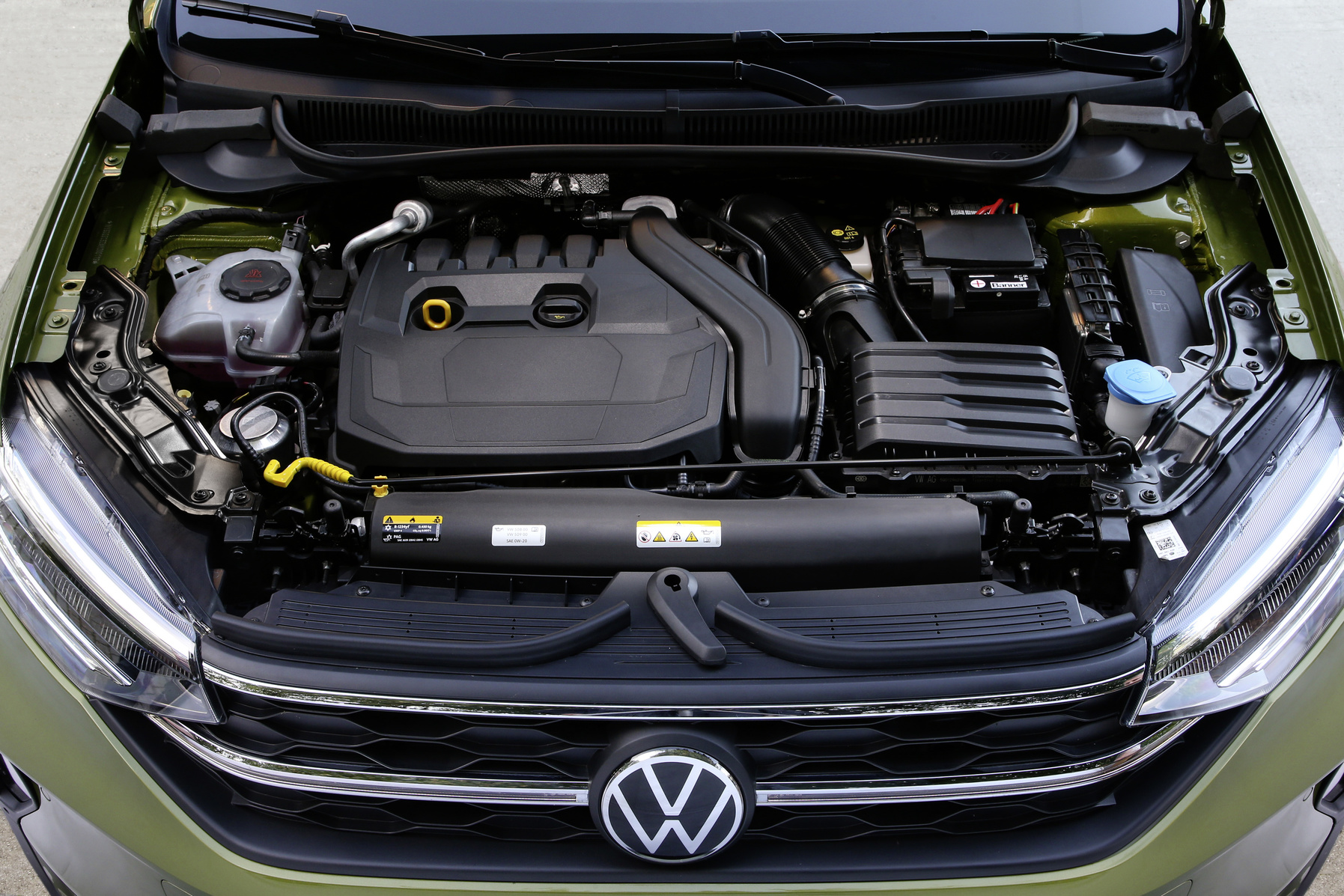
The Taigo is powered by 1.0 TSI petrol engines with 95, 110 or 150 hp. These engines are generally powerful and smooth, but owners sometimes report problems with the turbocharger and transmission. During the test drive, thoroughly test the engine for unusual noises and check whether the turbo builds up boost without hesitation.
Pay attention to these points during the test drive:
- Does the DSG automatic gearbox (a dual-clutch automatic transmission) shift smoothly and without jolts
- Does the engine accelerate smoothly without hesitation
- Are there any unusual noises coming from the engine bay
- Does the engine maintain temperature without overheating
Also test the overtaking capability in a safe place. Acceleration from 60 to 100 km/h in third gear should take around 6.2 seconds. This time shows whether the engine and turbo are performing optimally. If it takes longer, there may be a problem with the engine or turbo.

Checking electronics and driver assistance systems
The Taigo comes as standard with lots of electronics and safety systems such as adaptive cruise control, lane assist and Emergency Assist. Test all systems during the test drive. Check whether traffic sign recognition works and whether the adaptive cruise control responds correctly to vehicles in front.
Pay particular attention to the matrix LED headlights if fitted. Test them at dusk or in a dark environment. Also check whether the optional blind spot warning functions correctly if it is installed. Look at the dashboard to see whether any warning lights stay on after starting the engine.
Warning lights and indicator lamps
Turn on the ignition without starting the engine and watch all the warning lights. They should all illuminate and then go out when you start the engine. Does a light stay on? Then there may be a fault. The most common warnings on the Taigo are related to the engine, emission system or driver assistance systems.
Use an OBD scanner to check whether any fault codes are stored. This is a device that allows you to read the car’s fault codes. A dealer can do this during an inspection. Software updates are sometimes needed for electronics to work optimally. Always ask whether these have been carried out.
‘ A new windscreen is expensive. ’
Inspecting wipers and windscreen
Owners regularly report problems with juddering or intermittent operation of the windscreen wipers. Test the wipers on all settings and look for smears or streaks on the windscreen. Jerky behaviour can point to a fault in the wiper motor or electronics.
Carefully check the windscreen for damage or scratches. A new windscreen is expensive. This applies especially if it is fitted with sensors for lane assist and traffic sign recognition. Small stone chips are normal, but larger cracks require replacement.

Inspecting bodywork and wheels thoroughly
Walk slowly around the car and check the bodywork for damage, dents or rust. The Taigo is relatively new, so rust is rare. Do watch out for damage from parking incidents. Carefully check the doors, bumpers and tailgate.
Inspect the alloy wheels for kerbing. These are scuffs on the rim edge caused by contact with kerbs. Kerbing is mainly cosmetic. However, it can also point to a harder impact. In that case there may be damage to the suspension. Check the tyres for even wear and pay attention to the production date and tread depth.
Assessing interior and wear
The Taigo’s interior is made of hard plastics, especially on the dashboard. This is normal for this segment. Do check for scratches, stains or loose trim parts. Test all buttons, switches and the multimedia system to make sure they work properly.
Look for wear on the seats, steering wheel and gear knob. Heavy wear may indicate intensive use or an incorrect mileage. This is especially relevant for a car with less than 20,000 kilometres on the clock. Check that all seat adjustments work smoothly and that the backrests lock firmly in place. Also test the rear bench by folding it down and putting it back up again.
‘ The boot floor has an adjustable height, which is handy for hiding belongings. ’
Checking boot and load space
The boot offers 440 litres, or up to 1,122 litres with the rear seats folded down. The boot floor has an adjustable height, which is handy for hiding belongings. Do note the high loading lip and the rising load floor when the rear bench is folded down.
Check the boot for damage, damp or smells that might indicate a leak. Test whether the tailgate opens and closes smoothly. If the car is fitted with an electric tailgate, test it several times to make sure it operates correctly.

Testing reversing camera and parking sensors
Because of the sloping roofline and small rear windows, rear visibility is limited. A reversing camera is therefore highly recommended. Test the camera and check that the image is sharp and free from interference. Dirt on the lens is easily solved, but a defective camera can be costly.
Rear parking sensors are standard on higher trim levels. Test them by slowly reversing towards an obstacle. The sensors should warn you in good time with beeps that become more frequent as you approach the obstacle. If they do not work properly, a sensor may be faulty.
Thoroughly testing brakes and suspension
The braking distance from 100 km/h is around 34.7 metres, which is good for this segment. Test the brakes during the test drive for effectiveness and watch out for vibrations or noises. Juddering under braking may indicate warped brake discs, which will need replacing.
Drive over bumps and through corners to test the suspension. There should be no knocking noises or creaking. These can indicate worn bushes or defective shock absorbers. Also test stability in bends and pay attention to how the car responds to steering corrections.
‘ An outstanding recall can cause safety issues. ’
Checking warranty and recall status
Check whether factory warranty or any remaining warranty still applies. Volkswagen Approved used cars often come with extra warranty, which gives peace of mind. Ask about the terms and what is covered. Bear in mind that warranty usually lapses if maintenance is carried out outside the dealer network.
Check the recall status with a Volkswagen dealer. Some Taigo models may be subject to recalls for specific issues. These recalls are carried out free of charge. They must always be completed before you buy the car. An outstanding recall can cause safety issues.

Comparing trim levels and options
The Taigo is available in various trim levels. The R-Line offers a sportier look with specific bumpers and alloy wheels. Check which options are fitted, such as Apple CarPlay, a digital instrument cluster and climate control. These options increase both value and everyday comfort.
Base versions sometimes lack keyless entry and adaptive cruise control. These are features you are likely to miss in daily use. Compare the price with similar used cars and bear in mind that higher trim levels usually hold their value better.
On the Carnews website you will find much more information about the Volkswagen Taigo and other models, including common problems and maintenance tips. Discover more articles and expand your knowledge of cars and automotive technology.
Frequently asked questions
Important wear items to check are the tyres (tread and cupping), brakes (discs, pads and any vibrations), wiper blades (streaks/juddering) and suspension/chassis (play, leaking dampers, wheel alignment). For the general technical condition, look for a complete service history, any warnings/faults on the trip computer and correct operation of all electronic assistance systems (adaptive cruise control, lane assist, emergency braking system, blind spot monitoring, matrix LED lighting). Also check the engine and transmission for smooth pick-up, no smoke or unusual noises, and test the clutch/automatic transmission for jolts or slipping. Finally, a test drive on different types of roads is important to assess braking performance, straight-line stability and the functioning of assistance systems.
There are no generally notorious structural weak spots known for the Taigo’s engine or DSG transmission, but with the 1.0 TSI engine it is wise to pay attention to potential turbocharger problems (whistling turbo, loss of power, fault messages). During a test drive the DSG should shift smoothly and without jolts, with no hiccups, slipping sensation or delay when pulling away. The infotainment system itself is not known for major defects, but do check that all functions (Apple CarPlay/Android Auto, navigation, Bluetooth, camera and sensors) work reliably and that the latest software update has been installed. Finally, pay extra attention to the electronic assistance systems (lane assist, adaptive cruise, fatigue detection) to ensure they operate without fault messages or unexpected interventions.
Ask for a complete, verifiable service history (digital and/or service booklet) and compare the dates and mileages with MOT reports and invoices to identify gaps or illogical jumps. Ideally, have a Volkswagen (Approved) dealer read out the digital service record in the brand system and check it for missed services or mileage rollback. Inspect the car yourself for differences in colour and texture of paint and panels, uneven panel gaps, cloudy headlamps and abnormal tyre wear as indications of accident repairs. Combine this with an independent pre-purchase inspection including chassis and alignment checks to uncover hidden previous damage or poorly carried out repairs.
During the test drive, focus mainly on the smoothness and power of the 1.0 TSI (acceleration, consistent pulling power, no hesitation from turbo or transmission) and on braking behaviour and stability in corners and at higher speeds. In addition, assess ride and damping comfort (bumps, body roll, noises from suspension and interior) and all-round visibility, especially to the rear. Thoroughly test all assistance and safety systems such as adaptive cruise control, lane assist, driver fatigue monitoring, emergency braking system, blind spot warning and matrix LED headlights. Finally, check the operation and user-friendliness of the infotainment system, climate control, reversing camera and parking sensors in everyday driving situations.