
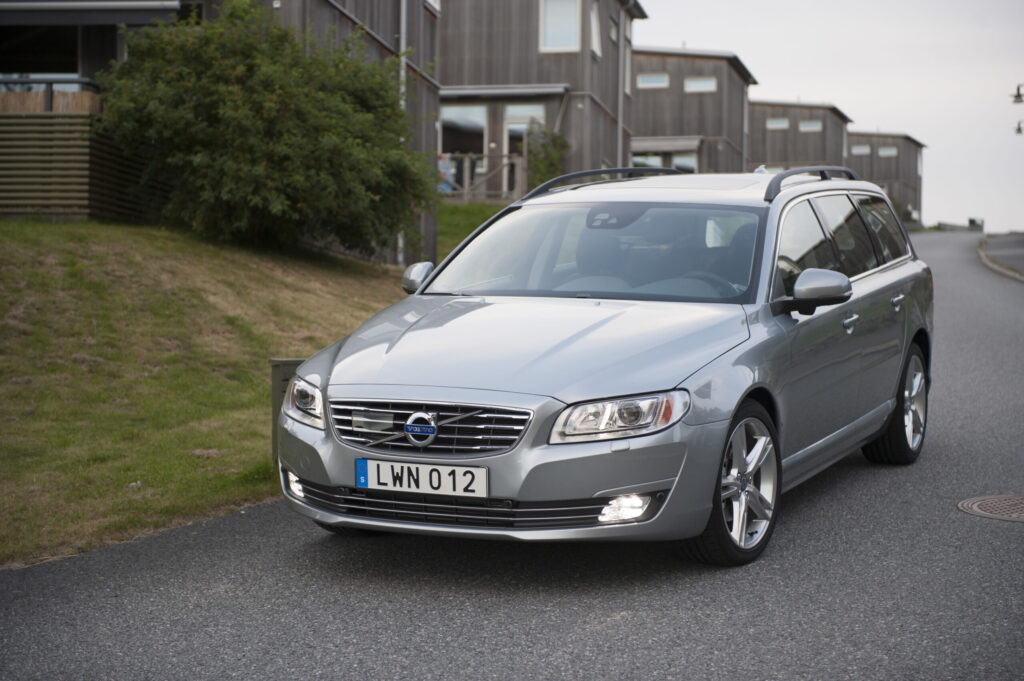
Worn brake pads and brake discs are normal maintenance jobs that sooner or later crop up with every car. The rate of wear is strongly linked to driving style, road conditions and how heavily your car is loaded. Regular inspection of your braking system not only prevents unnecessary damage, but above all ensures safe braking performance. Curious when a check is really necessary?
what exactly wears in your braking system
Every time you brake, friction occurs between the brake pads and the brake discs. This friction provides deceleration, but also attacks the material. The friction material on the brake pads gradually becomes thinner, while the brake discs slowly wear due to heating and mechanical load. On some cars there are wear indicators in the brake pads that produce a squealing noise when replacement is necessary.
The Volvo V70 is in practice often used heavily loaded, certainly on family holidays or with a towbar. This significantly increases the thermal load on the brakes. Longer motorway journeys and frequent braking in city traffic also affect wear of the braking system.
‘ Many mechanics advise replacing brake pads and brake discs at the same time, so the new system beds in together optimally. ’
how long do brake pads last
The lifespan of brake pads varies greatly. Between 30,000 and 70,000 kilometres is common, but this depends on your driving behaviour and type of use. In town, with lots of stop-start traffic, brake pads wear significantly faster than on mainly motorway journeys. A sporty driving style with abrupt braking also shortens their lifespan.
Brake discs generally last longer than brake pads. However, they also eventually reach their minimum thickness or develop grooves and cracks. At that point, preventive replacement is the wisest choice. Many mechanics advise replacing brake pads and brake discs at the same time, so the new system beds in together optimally.
how do you recognise worn brake pads
There are a few clear signals that point to wear on your brakes:
- Squealing or grinding noises: A high-pitched squealing noise often indicates worn brake pads. A scratching, metal-on-metal sound is more serious and means that the friction material has almost completely disappeared.
- Vibrations in pedal or steering wheel: Warped brake discs or uneven wear cause vibrations when braking, especially noticeable at higher speeds.
- Longer braking distance: If your car responds less directly to the brake pedal or you have to press harder to slow down, that is a clear warning sign.
- Visible wear: On inspection you see that the brake pads are thinner than a few millimetres, or the brake discs show deep grooves, lip formation or blue discolouration due to overheating.
- Warning light: Modern cars display a message on the dashboard when the wear indicator has been reached, although this warning sometimes comes late.
normal versus abnormal signs
A light layer of rust after rain or after standing still for a longer period is normal and usually disappears after a few braking actions. A brief squeak with cold brakes is not necessarily a concern either. Continuous grinding, vibrations in the pedal or a car that pulls to one side when braking, on the other hand, are not normal and require an immediate inspection.
what are warning signs of poor braking
Besides noise and vibrations, there are other symptoms that point to brake problems. A spongy-feeling brake pedal may indicate air in the braking system or aged brake fluid. If your car pulls to one side while braking, this may be due to uneven wear or a sticking brake calliper.
With severe wear, the braking distance increases noticeably. This increases the risk of accidents, especially in emergency situations. Continued wear can also lead to damage to more expensive components such as brake discs, brake callipers and even sensors.
tips to limit wear
You can extend the service life of your brakes by adjusting your driving behaviour:
- Drive anticipatively and avoid abrupt braking where possible.
- Use engine braking on descents to take the load off the brakes.
- Do not rest your foot on the brake pedal while driving.
- Have the brakes checked periodically during regular services.
- Take into account extra load from roof boxes, trailers and fully loaded boots.
- Replace brake fluid according to the manufacturer’s recommendations, as old fluid reduces braking performance.
how much does brake maintenance cost
The cost of brake maintenance varies per car and workshop. For replacing brake pads on the front axle you can count on a few hundred euros, including labour. When the brake discs also need to be replaced, the bill will be higher. If you choose genuine parts or premium brands, you will pay more than for budget brands.
Bear in mind that cheap brake pads often wear out faster or produce more brake dust. Saving on parts can in the long term lead to higher overall costs and reduced safety. Always ask for a quote in advance and compare prices between workshops.
can I check the brakes myself
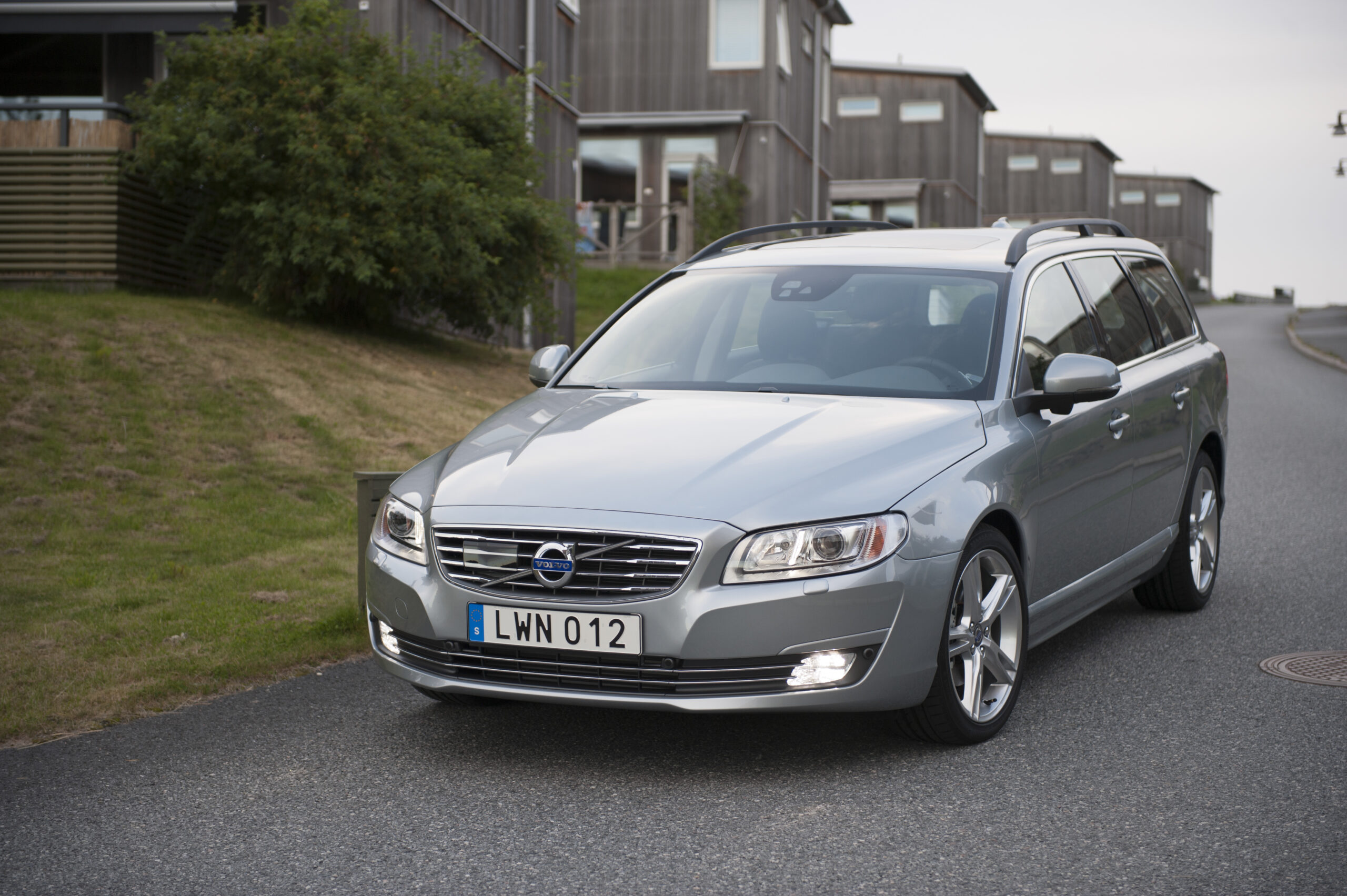
With limited technical knowledge you can carry out a basic visual check. Look through the spokes of your wheel at the thickness of the brake pads and inspect the brake discs for visible grooves or discolouration. If you have doubts, have a professional measure and assess the brakes.
A professional inspection includes, among other things, measuring the minimum thickness of brake discs and brake pads, checking the brake callipers and inspecting the brake fluid. For safety, it is sensible to have this check carried out at least once a year or at every service.
handy checklist for checking
Ask yourself these questions regularly:
- Do I hear squealing or grinding when braking?
- Do I feel vibrations in the brake pedal or steering wheel?
- Has the braking distance become longer?
- Do I see grooves or lip formation on the brake discs?
- Is there a warning light illuminated on the dashboard?
- When were brake fluid and brakes last checked?
- Do I regularly drive heavily loaded or with a trailer?
‘ Overheating caused by metal-on-metal contact can even lead to temporary brake failure. ’
safety risk of postponed maintenance
Driving with severely worn brakes involves considerable risks. The braking distance increases, meaning you can react less quickly to danger. In addition, severe wear can lead to damage to brake discs and brake callipers, which significantly increases repair costs. Overheating caused by metal-on-metal contact can even lead to temporary brake failure.
Never ignore warning signs. If you are in doubt about the condition of your brakes, it is best to have an inspection carried out immediately. This prevents dangerous situations and limits damage to other components of the braking system.
discover more about car maintenance and car problems
On the Carnews website you will find many more practical insights about maintenance, common car problems and tips to keep your car in top condition. Whether you have questions about electrical systems, engine issues or other technical topics, you will find extensive articles with concrete guidance. Take a look and discover which knowledge will help you further.
Frequently asked questions
Key signs of wear are squealing or grinding noises when braking, a longer braking distance or brakes that feel less “sharp”. Also pay attention to vibrations in steering wheel or brake pedal while braking, which can indicate warped or unevenly worn discs. Visually you can check whether the brake pads are only a few millimetres thick and whether the brake discs have grooves, a noticeable lip or cracks. Blue or purple discolouration of the discs also points to overheating and possible wear.
Your driving style has a major impact: frequent hard braking, driving close to the vehicle in front and a lot of city traffic all cause faster wear of brake pads. By looking well ahead, easing off the throttle in good time and braking more gently, your brakes do not have to work as hard. On descents use engine braking as much as possible instead of continuously keeping your foot on the brake pedal. Also avoid unnecessary “riding” the brake, for example in traffic jams or at traffic lights.
Broadly speaking there are standard (comfort) brake pads, low‑dust pads with a focus on reduced brake dust, and sporty or performance brake pads with friction material that is more resistant to heat. For everyday use, OEM-quality or comfort/low-dust pads are the most suitable thanks to their quiet operation, good cold braking performance and reduced disc/pad wear. For sporty driving, sport or performance pads are more suitable because they can better withstand high temperatures and are less prone to fade. Do bear in mind that sporty pads often generate more noise, more brake dust and sometimes less ‘bite’ when cold.
Consider an upgrade if you regularly drive heavily loaded, do a lot of downhill braking or drive in a sportier way, causing standard brakes to overheat or become unstable quickly. If, despite good discs, pads and brake fluid, you still experience vibrations, fading (reduced braking power during repeated braking) or an excessively long braking distance, a stronger system can also make sense. Furthermore, an upgrade may be appropriate when discs and pads are due for replacement anyway and you would like more braking reserve or better modulation. If in doubt, have a specialist assess the current brake temperatures, wear and brake balance to determine whether an upgrade will offer real benefits.