

Diesel engines such as the 2.0 TDI and 3.0 TDI are clearly more reliable than the TFSI petrol engines when comparing Audi A6 engine reliability. While TDI variants clock up hundreds of thousands of kilometres without issues, the 1.8 and 2.0 TFSI in particular suffer from increased oil consumption and timing chain problems. The right engine choice determines whether you drive trouble-free for years or regularly face expensive repairs.
Why TDI engines are the best choice
The TDI diesel engines in the Audi A6 have built up a strong reputation thanks to their solid construction. The 2.0 TDI with an output of 136 to 190 hp is described by owners as very reliable. This engine achieves consumption of 4.9 to 5.8 litres per 100 kilometres and is known for its dependability in daily use and over long distances.
The 3.0 TDI goes one step further. With a power range from 204 to 272 hp, this engine combines sporty performance with consumption of 5.4 to 6.2 litres per 100 kilometres. Owners regularly report more than 100,000 trouble-free kilometres. This variant is regarded as one of the most reliable high‑performance engines in the Audi range.
All TDI engines in the C7 generation are equipped with particulate filters and SCR catalytic converters. They meet the Euro 6 standard and benefit from an innovative lightweight construction. This contributes to a longer service life and lower maintenance costs.
Known issues with TFSI petrol engines
The 1.8 TFSI and 2.0 TFSI petrol engines show a number of common issues that you need to be aware of as a buyer. Increased oil consumption regularly occurs after around 150,000 kilometres. If not detected in time, this can lead to costly repairs. In addition, timing chain problems are a well‑known phenomenon with these engines.
The main points of attention with these TFSI variants are:
- Increased oil consumption after a longer period of use
- Timing chain that can slacken or become damaged
- Turbo problems that bring repair costs with them
- Extra attention and regular maintenance required
When low‑quality oil is used, these problems can occur more quickly. Therefore, check the oil level regularly and ensure timely changes using high‑quality oil.

Is the 3.0 TFSI V6 a good choice
The 3.0 TFSI V6 stands out as the best petrol engine in the A6 range. This engine combines V8 power with V6 consumption and is available with 220 kW or 245 kW. The supercharger and direct injection deliver sporty performance with acceptable fuel consumption.
Users appreciate this engine’s reliability. In later post‑facelift versions, the oil issue that affects the smaller TFSI engines is said to have been resolved. Nevertheless, regular maintenance is still required to keep the engine in optimum condition. The 3.0 TFSI V6 is a viable option if you prefer petrol over diesel.
Most reliable engine Audi A6 C7
For the C7 generation, the 3.0 TDI is considered the undisputed number one in terms of reliability. This engine offers the best balance between performance, consumption and durability. Owners rarely experience major issues and the engine reaches high mileages without difficulty.
The 2.0 TDI comes a close second. This variant is suitable for those who are happy to accept slightly less power but want a very reliable and economical engine. Both diesel variants are ideal for drivers who cover high annual mileages and value low maintenance costs.
Among petrol engines, the 3.0 TFSI V6 is the only one worth recommending in the C7 generation. The smaller TFSI engines require too much attention and can lead to unexpected costs. For those who do not want a diesel but still want reliability, the 3.0 TFSI V6 is the logical choice.
‘ The 3.0 TDI is known for its robustness and runs without any significant problems. ’
Audi A6 3.0 TDI vs TFSI issues
The difference in reliability between the 3.0 TDI and the TFSI engines is considerable. The 3.0 TDI is known for its robustness and runs without any noteworthy problems. The smaller TFSI variants, on the other hand, struggle with structural weaknesses in oil consumption and timing chains.
For daily use and long distances, the 3.0 TDI performs better. Lower consumption and higher reliability make this the sensible choice when buying used. The TFSI engines do provide a sportier driving experience, but this comes at the expense of peace of mind and maintenance costs.
Which Audi A6 engine to choose when buying used
When buying a used Audi A6, your choice of engine largely determines your future experience. The 3.0 TDI is the best option for those who put reliability first. This engine delivers enough power for all situations and continues to operate trouble‑free for years with normal maintenance.
The 2.0 TDI is a good alternative if budget plays a role. This engine is more economical in terms of running and maintenance costs, but does deliver less power. For daily commuting and the occasional long trip, this is a sensible choice.
Avoid the 1.8 TFSI and 2.0 TFSI unless you are prepared to accept regular maintenance and potentially expensive repairs. With these engines, a complete service history is essential. Before purchase, have the timing chain checked on examples with more than 150,000 kilometres.
Maintenance points for a longer service life
Proper maintenance significantly extends the service life of any engine. For TDI engines, the focus is on regular oil changes and checking the AdBlue system. The SCR catalytic converter and particulate filter require periodic attention to continue functioning without problems.
Stricter requirements apply to TFSI engines:
- Check the oil level monthly, especially on older examples
- Use only high‑quality engine oil that meets factory specifications
- Have the timing chain inspected at 150,000 kilometres
- Always request the complete service history when buying
The quattro drive and lightweight construction of the Audi A6 contribute to a longer overall service life. With disciplined maintenance, mileages above 300,000 are not unusual. Choosing a TDI engine makes this far more likely than with a TFSI variant.
‘ Even so, the TDI variants remain the preferred choice in the C8 generation as well for drivers who cover a lot of kilometres. ’
Modern C8 generation as an alternative
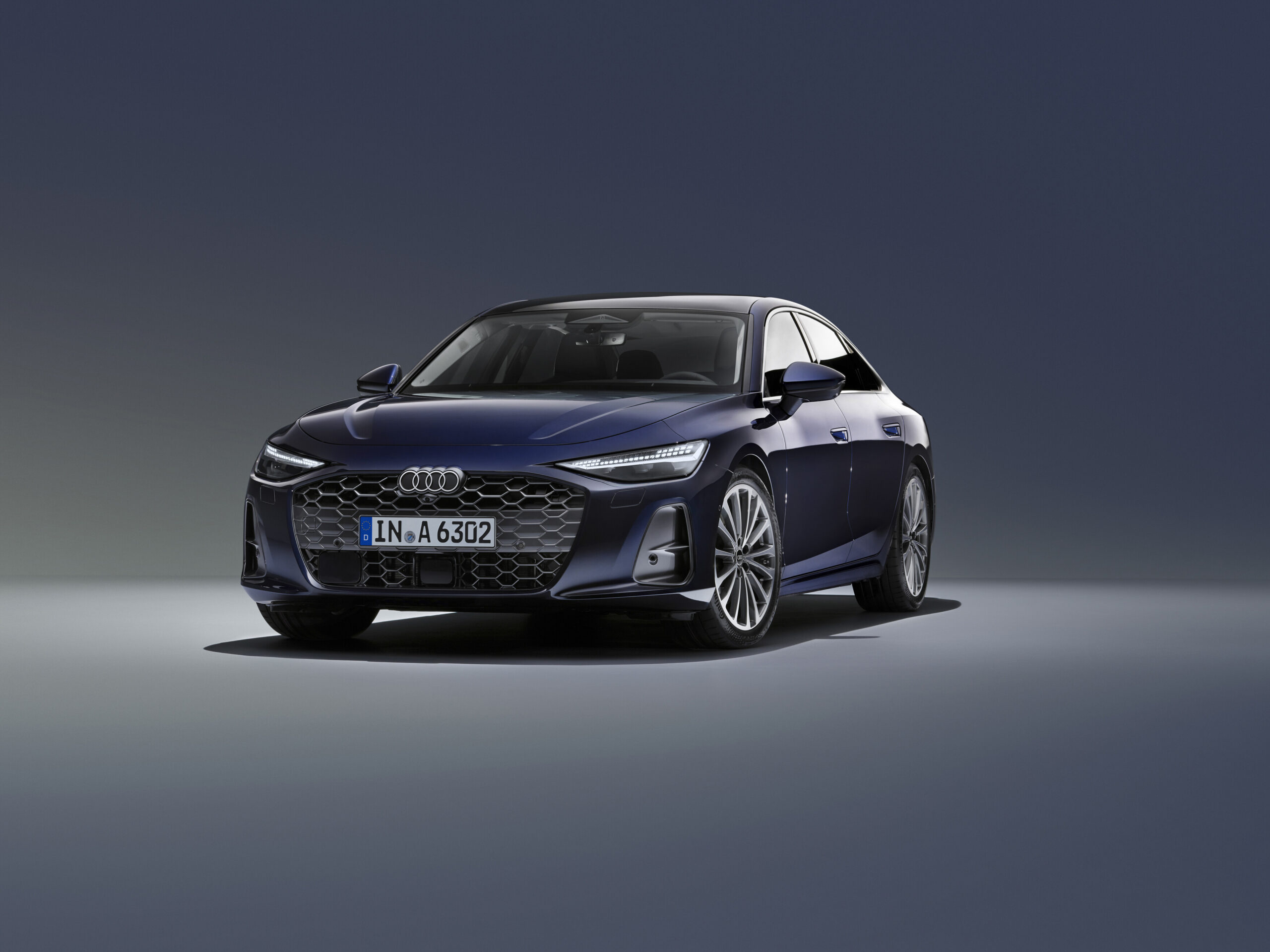
The current Audi A6 C8 generation offers improved reliability for the petrol engines. The 4‑cylinder petrol variants and plug‑in hybrid options such as the 50 TFSI e and 55 TFSI show minimal faults. Some users report occasional problems with the keyless system, but these are limited in scope.
This newer generation can be interesting for anyone looking for a more recent used car. Improvements in engine technology make the petrol versions more reliable than in the C7 generation. Even so, the TDI variants remain the preferred choice in the C8 generation as well for drivers who cover a lot of kilometres.
On the Carnews website you will find much more information on different Audi models and their specific issues. Discover which points of attention apply to your favourite model and make a well‑considered choice for your next purchase.
Frequently asked questions
Across different Audi A6 generations, the 2.0 TDI and especially the 3.0 TDI diesel engines are considered the most reliable options. On the petrol side, the 3.0 TFSI V6 is consistently mentioned as the most reliable and durable choice. Smaller TFSI engines such as the 1.8 and 2.0 TFSI, on the other hand, are known for more issues (including oil consumption and timing chains) and are less often regarded as the “most reliable”.
The 1.8 and 2.0 TFSI petrol engines are known for increased oil consumption and possible problems with the timing chain and turbo at higher mileages. With older TDIs (such as certain 2.5 TDI variants), premature wear and turbo or injection issues occur more often, especially where the service history is poor. The 3.0 TDI and 3.0 TFSI V6 are considered relatively robust, but here too, regular oil changes and checks of the chain and injection system are crucial. Modern C8 engines have so far shown few structural weak points, apart from occasional electronic/keyless faults.
Regularly checking the oil level and using only high‑quality oil and fuel specified by Audi significantly extends service life, particularly for TFSI engines. Strictly adhere to the prescribed service intervals and have known weak points, such as the timing chain and particulate filter/SCR system, inspected preventively. Allow the engine to warm up properly before heavy loads and avoid long periods of short trips to limit contamination and wear. For used A6s, a demonstrably complete service history and a pre‑purchase inspection of the engine, turbo and injection system is an important preventive measure.
Yes, there are clear differences in reliability between the petrol and diesel engines of the Audi A6. In general, the 2.0 TDI and 3.0 TDI diesels in particular are seen as very reliable, with many reports of high, trouble‑free mileages. The smaller petrol engines (1.8 and 2.0 TFSI) more often suffer from issues such as increased oil consumption and timing chain problems. The 3.0 TFSI petrol engine is a positive exception and is rated better for reliability than the smaller TFSIs, but on average the diesels score more highly for dependability.
For the A6 C7, the 2.0 TDI and 3.0 TDI (including engine codes such as CGLC, CKVC, CDUC, CMUA, depending on output/year) are particularly recommended, and on the petrol side the 3.0 TFSI V6 (including CGWB, CREC), thanks to their strong reputation for long‑term reliability. The modern C8 generation with recent TDIs and TFSI(e) hybrids is likewise generally regarded as reliable, provided it is properly maintained. Not recommended are especially the older 1.8 TFSI and 2.0 TFSI (such as CABB, CAEA, CAEB, CNCD, depending on model year) due to very common high oil consumption and chain problems. In older A6 generations (C5), the 2.5 TDI with AK engine code should be avoided because of structural defects at higher mileages.