
17-inch wheels on your car generate significantly more road noise than smaller sizes, especially on older models. This is due to the wider tread and the lower sidewall height. Vibrations and noise are therefore transmitted more directly into the cabin. In the Seat Altea the wheel arches amplify this effect even more, so you notice a striking difference already above 40 kilometres per hour. Do you want to know how to tackle this problem and which tyre size really makes the difference?
Why 17-inch wheels produce more noise
17-inch tyres have a larger contact patch with the road surface. This is the main cause of increased noise. Wider tyres offer more grip but therefore also produce more road noise. They are often designed with a sporty character.
From around 40 kilometres per hour, the tyres become the dominant source of noise in the car.
The tread pattern also plays a major role. Older tyre designs with regular tread blocks often produced a humming sound. Repeating sound waves were the cause of this. Modern tyres have been developed with irregular patterns to reduce this. Not all manufacturers apply this technique equally effectively.
The type of road surface determines how much noise you hear. Coarse asphalt significantly amplifies road noise, while smooth roads create less resonance. In the Seat Altea the wheel arches can further amplify the sound, meaning the same tyre can feel much quieter on a different model.
‘ The correct tyre pressure affects the noise level. ’
Which tyre size is best for your comfort
For optimal ride comfort, 16-inch tyres are often the best choice. They have a higher sidewall and a narrower tread width, which provides better cushioning of bumps and less road noise. Would you still like to keep 17-inch wheels? Then choose tyre models with an EU tyre label class A for noise.
The difference in noise level between quiet and loud 17-inch tyres can be considerable. Premium all-season tyres with a noise level of 68 to 70 decibels perform significantly better than cheaper alternatives. Budget tyres often exceed 72 decibels. Pay attention to the EU label when buying, where external road noise is indicated in classes A to C.
The correct tyre pressure affects the noise level. Too low a pressure increases wear and road noise. Too high a pressure makes the ride harsher and produces thumping noises on uneven surfaces. Check the pressure monthly. Follow the recommended value of 2.2 to 2.5 bar.
How tyre wear amplifies noise
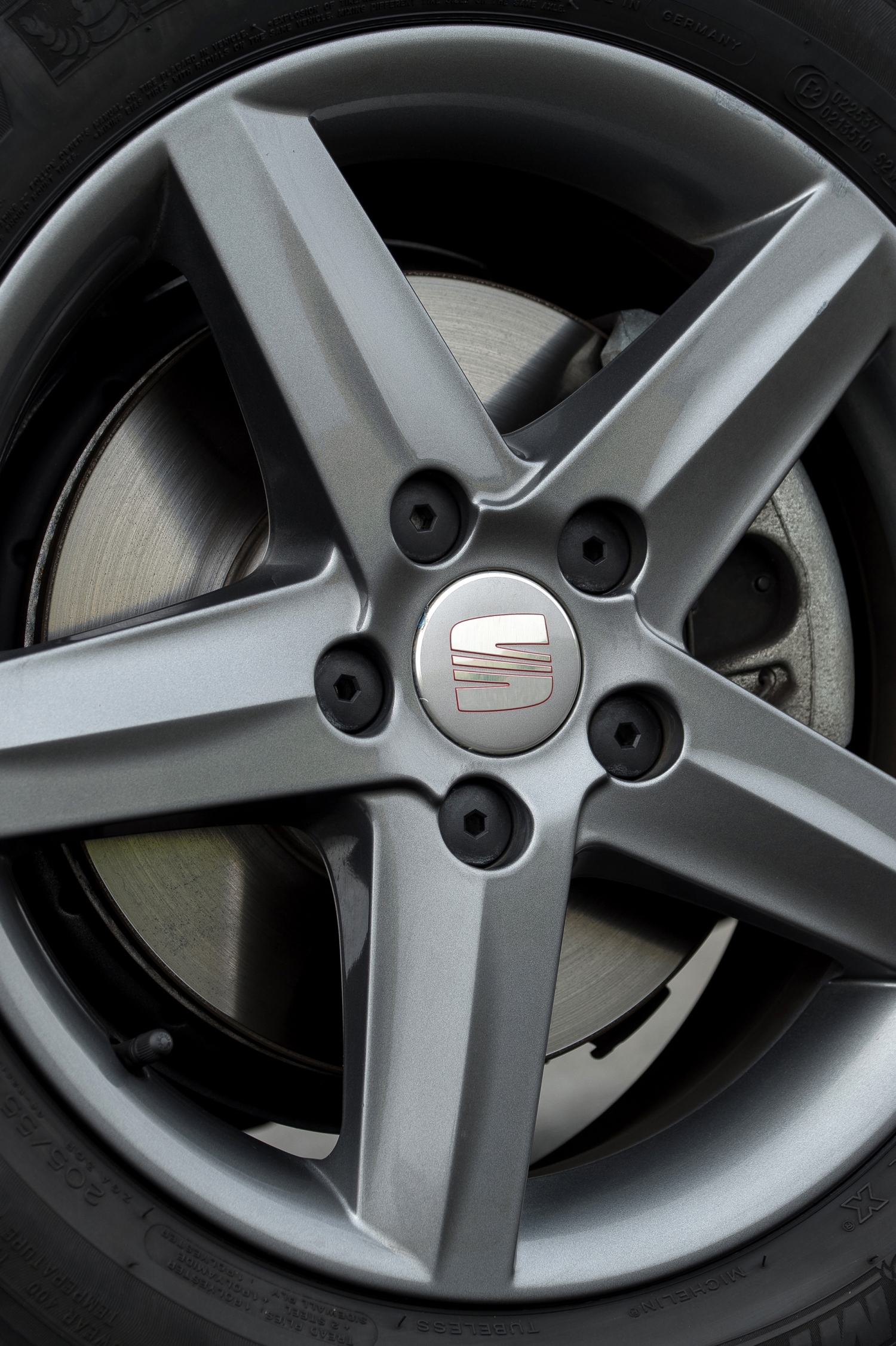
Uneven wear is a major cause of increasing tyre noise. This cause is often underestimated. Cupping, also known as saw-tooth wear, occurs when the tread wears in a toothed pattern. With saw-tooth wear, the tread of the tyre wears unevenly, creating small waves in the rubber. This greatly increases road noise as the tyres age, especially on 17-inch versions due to their stiffer construction.
Misalignment of the wheels is often the culprit with saw-tooth wear. The alignment is then incorrect. Uneven pressure is created on the tread. Prolonged use without rotation can exacerbate this effect. The front tyres then wear differently from the rear tyres.
Swapping from left to right with heavily worn tyres that already have saw-tooth wear usually makes the problem worse. The existing wear pattern does not match the new direction of rotation, which actually increases the noise. Tyres with saw-tooth wear are rarely made quiet again. Skimming by a specialist, or replacement, is then necessary.
Practical tips to reduce tyre noise
Check tyre pressure and wear every month. Temperature changes can affect the pressure. So pay extra attention to this when the weather changes. A difference of just a few tenths of a bar can already have a noticeable effect on both noise and ride comfort.
Have the wheel alignment checked every year at a garage. Misalignment causes saw-tooth wear and unnecessary wear on the inside or outside of the tread. Correct alignment saves you money in the long run and ensures a quieter drive.
Consider regularly changing the position of the tyres to promote even wear. Swap front and rear tyres. Do you already have tyres with saw-tooth wear? Then this is not recommended. The change in direction of rotation can actually amplify the noise instead of reducing it.
‘ The choice between looks and comfort remains personal. ’
When wheel size affects ride comfort
Larger wheels look sporty but almost always come at the expense of comfort. The tyre sidewall on 17-inch wheels is lower. So there is less rubber between the rim and the road surface. Every pothole or bump is transmitted more directly to the suspension and felt in the cabin.
Models up to 2005 often still had suspension systems that were not fully tuned to larger wheel sizes. The original setup was calculated for 15- or 16-inch wheels. The switch to 17-inch is therefore particularly noticeable in terms of vibrations and noise. On newer models, the suspension and wheel arches are better insulated.
The choice between looks and comfort remains personal. Do you mainly drive longer distances on motorways? The constant road noise from 17-inch tyres is then more tiring than with smaller sizes. For shorter trips in town, the difference is less noticeable.
Solutions for persistent noise problems
Do maintenance and correct pressure not help? Then replacing the tyres is often the only effective solution. Choose models with low noise values according to the EU label. Premium brands invest more in noise-reducing technology such as irregular tread blocks. They also use sound-damping rubber compounds.
In cases of severe saw-tooth wear, a tyre specialist can skim the tread to even out the wear pattern. However, this is not always possible and only works on tyres with sufficient remaining tread depth. In most cases, buying new tyres is more economical and more effective.
Does the noise still bother you? Then consider switching back to 16-inch wheels. This may require different rims. The difference in comfort and quietness is considerable. Many owners report that this step halves the road noise. This effect is particularly noticeable on coarser road surfaces.
What you should check with new tyres
When fitting, check that the tyres have been mounted correctly according to the inner and outer side markings. These markings are shown on the sidewall of the tyre with ‘inside’ (inner side) and ‘outside’ (outer side). Incorrectly mounted tyres perform worse and can create more noise than necessary. Have the tyre pressure set immediately to the recommended value for your vehicle.
Ask for the production date on the sidewall of the tyre. The DOT code is located on the sidewall of each tyre and shows the production week and year in the last four digits. Tyres older than two years may already have harder rubber. This adversely affects comfort and noise levels.
Test the new tyres on different road surfaces in the first two to three weeks. Some tyres have a running-in period. The noise level may decrease slightly during that time. Does the noise remain too high? Then contact the supplier. Discuss alternatives.
‘ Carnews helps you further with information about common problems in various makes and models. ’
Find out more about car problems and maintenance
Is your car suffering from tyre noise or other discomforts? Carnews helps you further with information about common problems in various makes and models. Find out which maintenance checks you can carry out yourself and when it is better to go to a garage.
Frequently asked questions
‘Noise’ with 17‑inch tyres is mainly caused by the wider tread and the lower sidewall (more and more direct contact with the road), the tread design (repeating block pattern, cupping/saw-tooth wear) and the combination with coarse road surfaces and body resonance. Accelerated and uneven wear is primarily caused by incorrect alignment, incorrect tyre pressure and the stiffer, more heavily loaded construction of 17‑inch tyres. Cupping or saw-tooth wear – often due to misalignment or poor maintenance (not rotating in time, incorrect pressure) – leads to both extra noise and faster wear. In addition, driving for long periods with too low or too high pressure can deform the tread, which further worsens both road noise and wear.
Keep tyre pressure at the prescribed level every month and have the alignment checked regularly to prevent uneven wear and cupping. Rotate the tyres in good time (front/rear and left/right) as long as no severe cupping is present, so that wear becomes more even. To reduce tyre noise, choose 17‑inch tyres with a quiet tread pattern and a low dB value (EU label class A). Replace heavily cupped or unevenly worn tyres in good time, because the noise from them is usually impossible to eliminate.
Tyre pressure, alignment and suspension setup together determine how evenly the tread of 17-inch tyres contacts the road surface, which has a direct effect on both lifespan and noise level. Too low or too high tyre pressure generates extra heat and uneven wear, which increases road noise and makes the tyres wear out faster. Poor alignment leads to cupping or saw-tooth wear, which creates a lot of extra noise, especially on wider 17-inch tyres. An incorrect or worn suspension setup allows the tyre to bounce more and make more unsettled contact with the road, which accelerates wear and increases vibrations and tyre noise.
Yes, there are 17-inch tyres that are known for a lower noise level and longer lifespan; these are often premium summer or all-season tyres with an irregular tread and a hard, wear-resistant rubber compound. You can recognise them by the EU tyre label: choose noise class A and the lowest possible dB value (for example 68–70 dB). In addition, a slightly less sporty tyre (a bit narrower, less extreme tread) and a well-aligned car help to limit both noise and wear. Also pay attention to other drivers’ experiences with your car model, because the same tyre can be quieter on one car than on another.