
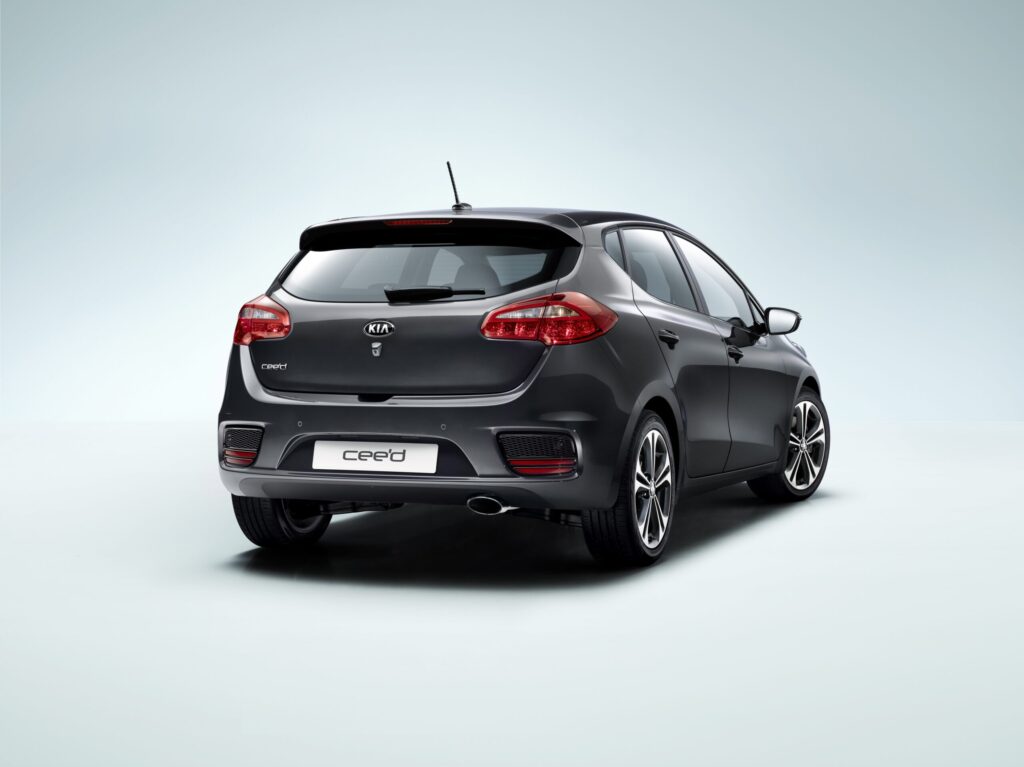
From 80 kilometres per hour onwards, many owners find the Kia Ceed GDI annoyingly loud because of wind noise through the side windows and tyre noise that is especially noticeable on coarse road surfaces. This noise level rarely has anything to do with the engine itself, but is caused by airflow along the bodywork and the interaction between the tyres and the asphalt. In this article you can read where this noise comes from. You’ll also get concrete tips to make your driving experience quieter.
Why the Kia Ceed is prone to noise
The Kia Ceed is available in various versions with petrol engines. These also include T-GDI variants with a turbo. The abbreviation T-GDI stands for Turbocharged Gasoline Direct Injection. Many owners report that driving noise is the determining factor for the overall noise level in the cabin. The engine block itself plays a smaller role. The abbreviation GDI stands for Gasoline Direct Injection and describes the way in which fuel is injected directly into the cylinders. This technology has little influence on noise while driving. Noise in the Kia Ceed is mainly determined by other factors. Think of wheel size, choice of tyres and the aerodynamics of the bodywork.
Many drivers notice a clear difference between smooth and coarse asphalt. That difference is strikingly large. On new, quiet roads the Ceed is relatively quiet. As soon as you drive over rough concrete or coarse-grained asphalt, tyre noise increases noticeably. Wind noise mainly occurs at speeds above 80 kilometres per hour. This noise is amplified by door seals that do not seal perfectly, roof racks or partially open windows. Worn seals allow air through and make the problem worse.
Factors that increase tyre noise
Tyre noise is created by the contact between the tread and the road surface. In the Kia Ceed, a few factors play a greater role in the noise in the cabin:
- Tyre tread and brand: sporty tyres with stiff rubber compounds or an aggressive tread pattern produce more road noise than comfort or touring tyres. Michelin tyres are regularly mentioned in user reviews as being relatively noisy on the Ceed, depending on the model chosen.
- Tyre pressure: too high a pressure increases contact pressure and gives a harder, sharper sound. Too low a pressure causes more restlessness and a dull, thumping noise.
- Wheel size: larger wheels with lower tyre sidewalls provide less damping and transmit more vibrations and noise through to the wheel arches and cabin.
- Road surface: on rough asphalt the tread amplifies the sound waves, while smooth concrete dampens road noise.
Together, these factors can strongly influence the overall noise experience. Two identical Ceed models with different tyres or wheels can differ significantly in the amount of noise they produce. When replacing tyres, it is therefore sensible to choose a tyre type with low rolling noise. Look for tyres that are specifically designed for this.
Reducing wind noise above eighty kilometres per hour
Wind noise is caused by airflows along the bodywork. These flows move along the doors, mirrors and the A-pillar. From 80 kilometres per hour onwards, these airflows become turbulent. At that point they become audible in the cabin. In the Kia Ceed these are the main causes of wind noise:
- Door and window rubbers: over time these can age or wear, creating small gaps that let air through. You particularly notice this at higher speeds.
- Mirrors and A-pillar: the shape of the exterior mirrors and the angle of the front pillar create air vortices that generate noise.
- Roof rails or roof racks: accessories on the roof significantly disturb the airflow and increase wind noise, especially on the estate version.
- Open windows: driving with a tilted or partially open window generates a lot of turbulence and wind noise.
Wind deflectors are available on the market for the Kia Ceed. These are specifically positioned as an aid for natural ventilation while driving. They reduce air turbulence around the window. This allows you to drive with tilted windows with less wind noise.
Best tyres for less tyre noise in the Kia Ceed
The choice of tyres directly changes the noise level in the Kia Ceed. If you want to reduce annoying tyre noise, these are the key points when buying new tyres:
- Choose tyres with a low rolling-noise label, indicated by one or two sound waves on the European tyre label. This label shows how many decibels of external noise the tyre produces, which correlates with the noise you hear inside.
- Touring and comfort tyres with softer rubber compounds are quieter than sports tyres. Tyres with an adapted tread pattern also generate less noise. Brands such as Continental, Goodyear and Bridgestone offer specific comfort models.
- Avoid ultra‑performance or summer sports tyres if you mainly drive on normal roads; these are designed for grip and handling, not for quietness.
- Consider wheel size: tyres on 16‑inch wheels are generally quieter than the same tyre on 18‑inch wheels. The higher sidewall provides more damping.
Once you have fitted new tyres, check the tyre pressure according to the factory specification. A deviation of 0.2 bar already has a noticeable effect on comfort and noise.
Improving the sound insulation of the Kia Ceed
In addition to choosing tyres and wind deflectors, there are a few practical steps you can take. These steps improve the sound insulation of the Kia Ceed. These measures require little time and money. They can make a noticeable difference:
- Check and clean window rubbers and door seals: dirt, sand or damage cause small gaps. Clean the rubbers with a mild cleaner and lubricate them with silicone spray so they stay supple and seal properly.
- Remove unnecessary roof accessories: if you don’t need roof racks or a bike carrier, take them off. Every accessory on the roof increases air resistance and wind noise.
- Drive with closed windows at higher speeds: use the air conditioning or ventilation instead of open or tilted windows above 80 kilometres per hour.
- Consider having the tyre pressure checked at several workshops: not every workshop works equally precisely. Correct, stable pressure reduces noise and wear.
- During a test drive, try different types of road surface: if you are considering buying another Ceed or replacing tyres, drive on both new asphalt and coarse road surfaces to get a realistic picture of the noise level.
For owners who are willing to invest more, professional insulation packages are available. These packages add extra insulation material to the wheel arches and doors. These measures mainly reduce tyre noise. However, they do require the removal of interior panels. Have this done by a specialist garage.
Experiences of Kia Ceed drivers with noise
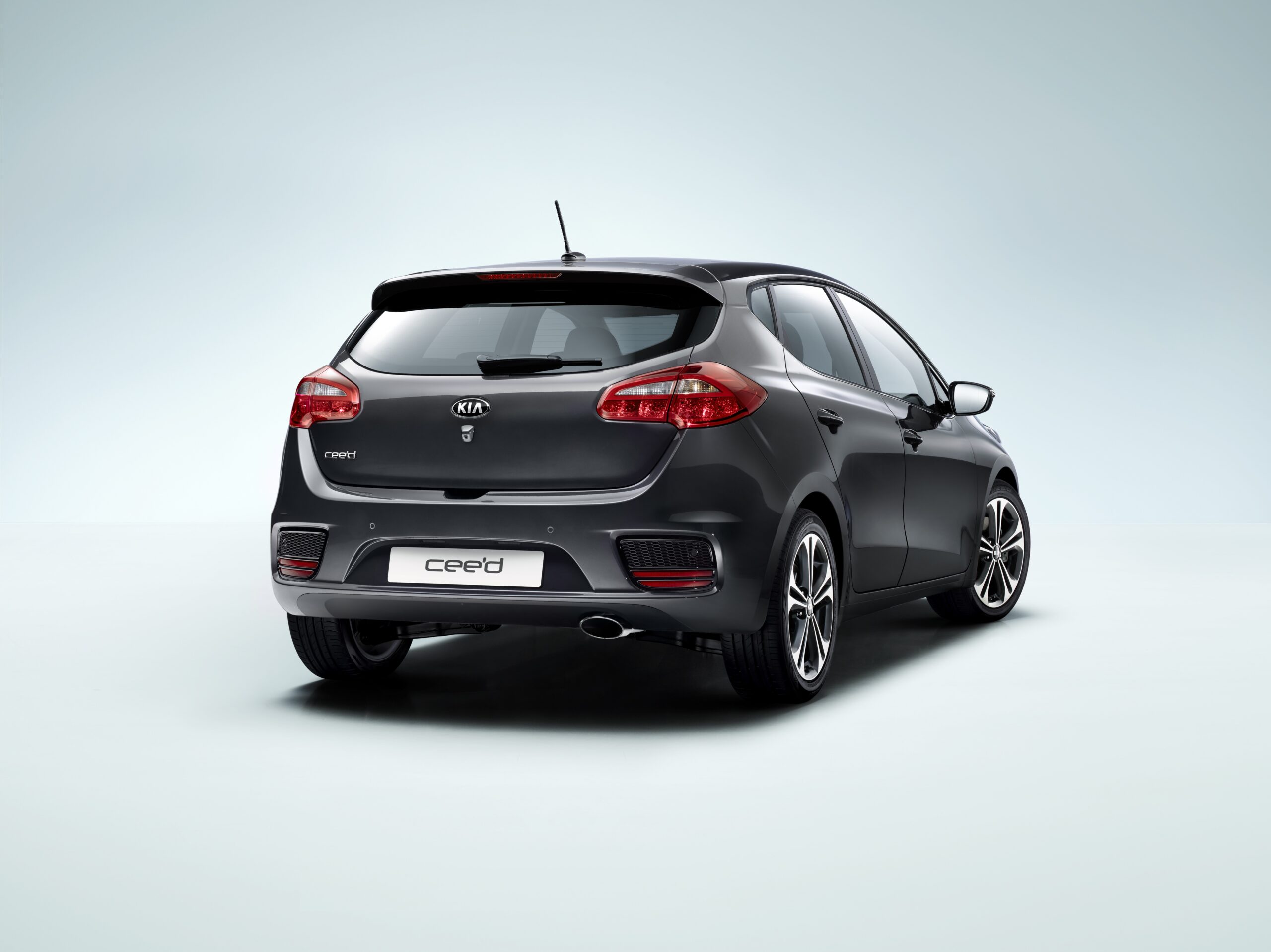
User forums and owner reviews show different experiences. Some drivers report that the Ceed is pleasantly quiet on calm motorways with smooth asphalt. Others complain about persistent tyre and wind noise at motorway speeds. The differences are mainly related to the tyres chosen, wheel size and the condition of the door rubbers. Wind deflectors for the Ceed are available on the market. This indicates that many drivers are looking for solutions for ventilation and comfort while driving.
The difference in noise between various types of road surfaces is consistently mentioned as clearly noticeable. On new, fine asphalt, the noise level drops quickly, whereas on older, rougher road surfaces tyre noise increases rapidly. This behaviour is not unique to the Ceed. It occurs in many compact mid-range cars. Larger wheels and sporty tyres amplify this effect.
Getting wind and tyre noise under control
You can control wind and tyre noise in the Kia Ceed GDI to a large extent with targeted measures. Choose comfort‑oriented tyres with a low rolling‑noise label, check tyre pressure regularly and keep door seals clean and supple. Remove unnecessary roof racks and consider wind deflectors if you often drive with partially open windows. These adjustments noticeably lower the noise level. This also improves driving comfort on longer journeys.
Carnews offers detailed information about common problems, maintenance tips and technical background information for various Kia models and other car brands. In our archive you will also find articles about engine problems, electrical faults and real‑world experiences with different versions of the Kia Ceed.
Frequently asked questions
The wind and tyre noise of the Kia Ceed GDI is noticeably higher on coarse asphalt, but this is comparable with many competitors in the compact mid‑range segment. On smooth asphalt, many drivers consider the Ceed sufficiently quiet. Overall noise comfort strongly depends on the tyres chosen, tyre pressure and wheel size, just as it does with rivals. With comfort‑oriented tyres and correct pressure, the noise level can hold its own against the better models in its segment.
In the Kia Ceed GDI, tyre noise mainly comes from the type and tread of the tyres, the tyre pressure, the wheel size and the road surface (particularly coarse asphalt). Wind noise is primarily caused by airflows around the mirrors and the A‑pillar, by any roof rails or roof racks and by open or not‑perfectly‑sealing windows and door rubbers.
Yes, there are various effective solutions and modifications to reduce wind and tyre noise in the Kia Ceed GDI. The biggest gains come from quieter, comfort‑oriented tyres (with a lower noise rating on the EU label) and correct tyre pressure, possibly combined with smaller wheel sizes. It also helps to check window and door rubbers and have them replaced if necessary, and to remove unnecessary roof racks or roof accessories. Drivers who often travel with partially open windows can fit wind deflectors to reduce wind noise.
The choice of tyres and wheels has a noticeable influence on tyre noise in a Kia Ceed GDI. Quieter, comfort‑oriented tyres with a suitable tread pattern produce less rolling noise than sporty or hard tyres. Larger wheels with lower sidewalls often generate more noise and transmit more of the road surface irregularities. The correct tyre pressure is also important: pressure that is too high or too low can audibly increase tyre noise.
There is no indication that there is a large, structural difference in sound insulation between the different versions of the Kia Ceed GDI itself. The differences that drivers experience in practice are mainly due to factors such as tyre choice, tyre pressure, wheel size and the type of road surface. Items such as roof racks, window and door seals and any accessories also influence the noise level more strongly than the specific GDI variant.