
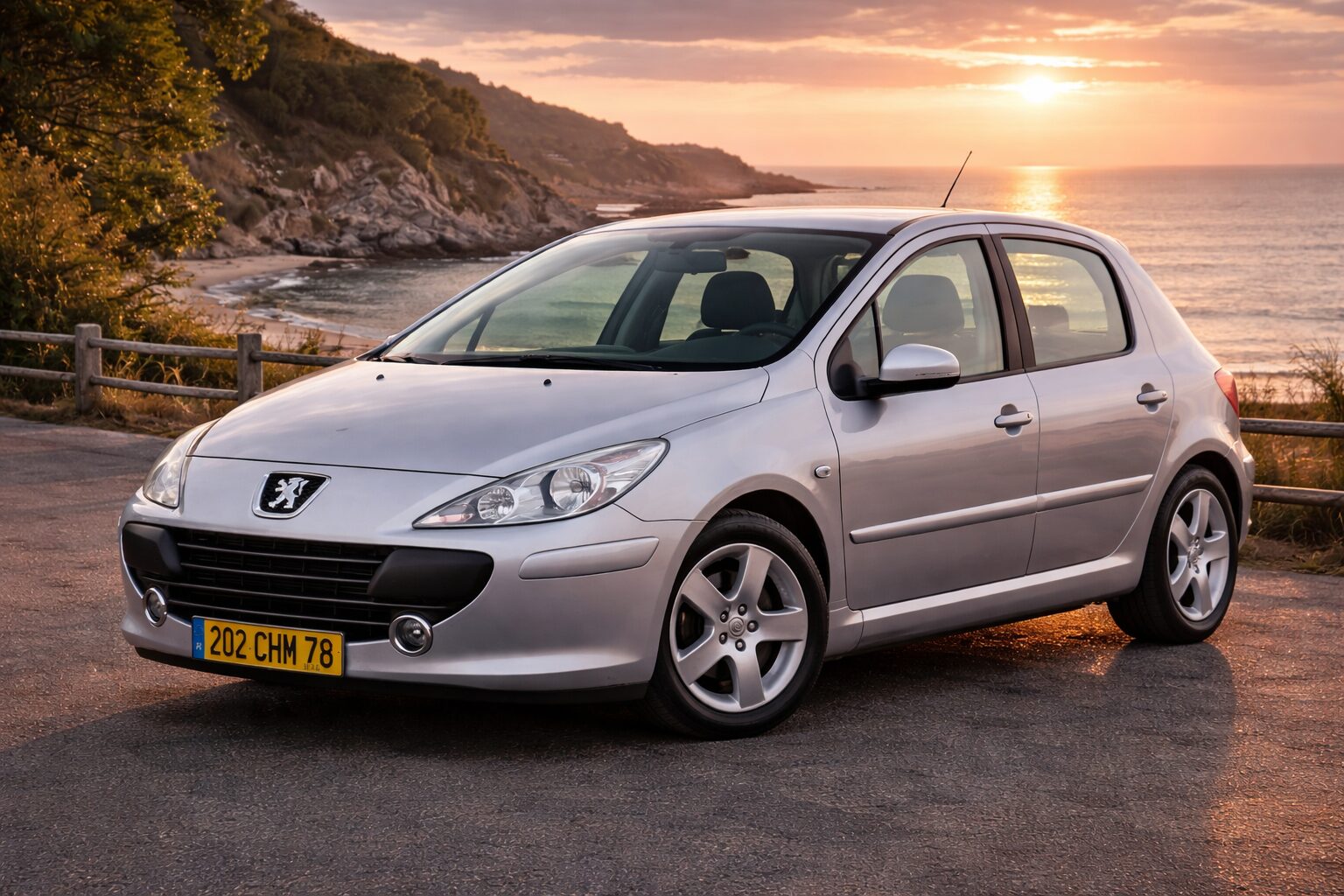
The Peugeot 307 has a reputation as a reliable family car, but defective electric windows and fragile plastic parts prove to be common weak spots. This often becomes noticeable from 40,000 kilometres onwards and can cause frustration in daily use. Fortunately, most issues can be resolved with targeted maintenance and replacement parts. Read on to discover which defects occur most frequently and how to prevent them.
Electric window controls not working properly
The most commonly reported problem with the Peugeot 307 is failure of the electric windows. Windows get stuck halfway, respond slowly or no longer open or close at all. This is usually caused by worn window motors or faulty switches in the door panels.
During use you often hear a clicking sound without the window moving. This indicates a motor that is receiving power but no longer functioning. With daily use, the mechanisms wear out faster, especially on the driver’s side. For that reason, test all windows thoroughly when buying the car or during a service check.
Replacing a window motor is not technically complicated, but it does require removal of the door panel. If you do this yourself, you save on labour costs. When refitting, use silicone spray on the guide rails to reduce wear. Make sure the windows are properly aligned after repair, as incorrect adjustment causes vibrations and additional wear.
‘ Moisture damage leads to short circuits and sudden failure of several systems at once. ’
Moisture damage in the Body System Management unit (the central control unit for electrical systems)
Another persistent problem is moisture ingress into the Body System Management unit, also known as the BSM (the central control unit for the electrical systems). This unit controls all electrical systems, including the windows, locking and power steering. The BSM is located under the dashboard on the left-hand side and is sensitive to moisture that seeps in through microcracks around the left part of the windscreen.
Moisture damage leads to short circuits and sudden failure of several systems at once. Owners report black-outs during which windows, central locking and even the ABS temporarily stop working. Sometimes the problem resolves itself after drying out, but damaged circuit boards require replacement of the entire unit.
If you have moisture problems, first check the rubber seal around the windscreen. Replace it if necessary and dry the BSM unit thoroughly before refitting it. Also avoid overloading the system with additional audio equipment, as this increases the risk of electrical faults.
Plastic parts break easily
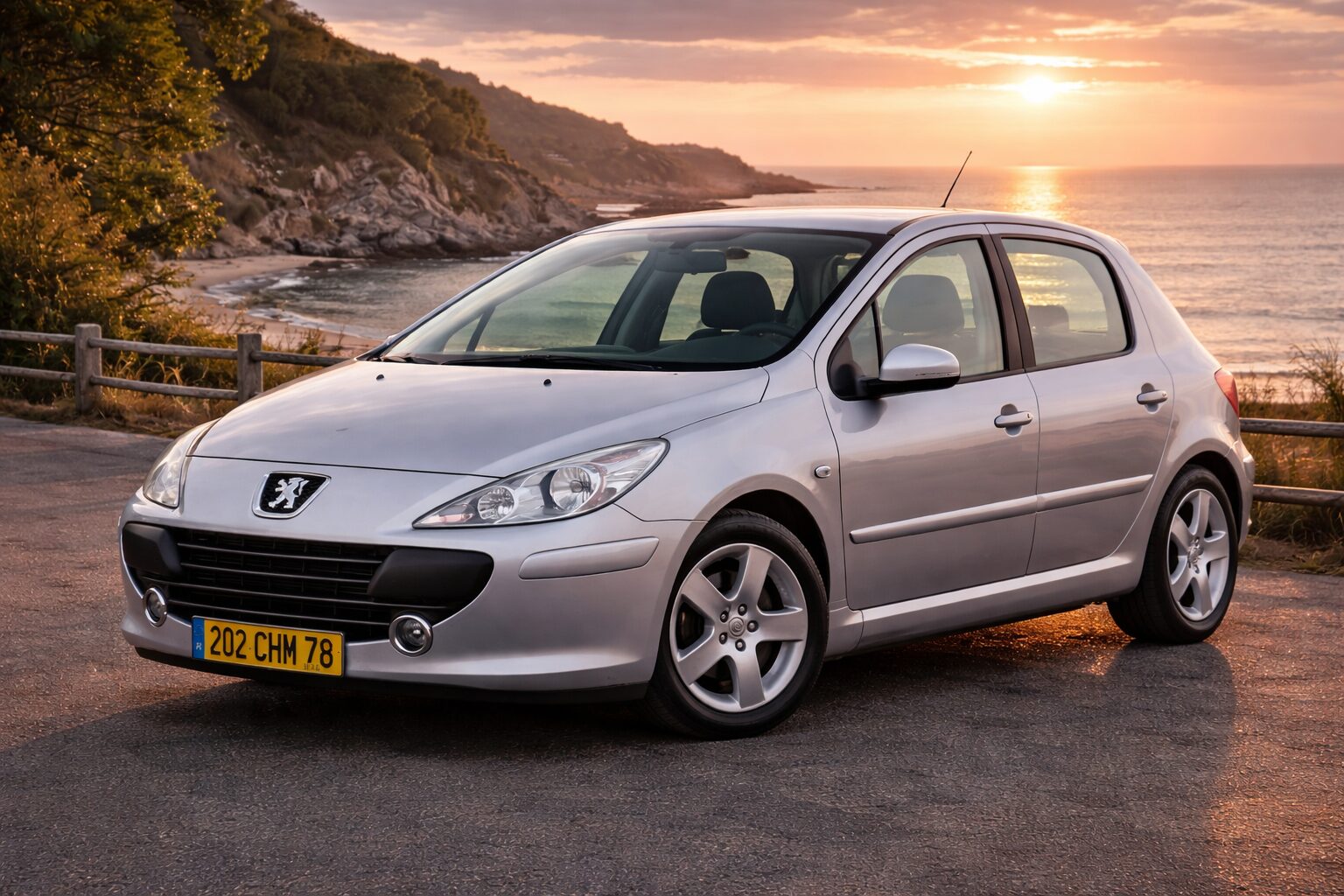
In addition to electrical problems, the Peugeot 307 struggles with fragile plastic. The cap on the windscreen washer fluid tank often breaks off due to brittle plastic that ages over time. The oil dipstick is also prone to cracking, making it difficult to check the oil level.
Inside the car, buttons and small panels wear out faster than expected. Control knobs for heating and ventilation lose their coating or snap off under heavy use. The cause lies in cheap plastics that do not cope well with temperature changes and sunlight.
Replace broken plastic parts in good time to prevent further damage. For the washer fluid cap there are aftermarket alternatives available that are sturdier than the original. Treat buttons gently and avoid using excessive force. Whenever possible, park the car in the shade to slow down plastic ageing caused by UV radiation.
Door locks and central locking
The central locking shows similar issues to the windows. Faulty door lock actuators cause clicking noises without the doors actually locking. Wiring connections tend to corrode from around 40,000 kilometres onwards, especially on cars that are regularly parked outside.
On HDi models the horn sometimes also fails because of a fault in the same central unit. This may not seem related to the locking system, but the BSM unit links these systems internally. Lubricate locks regularly with silicone spray to prevent corrosion and check the wiring whenever you service the door panels.
Window won’t close: motor defect or switch?
If a window no longer closes, the cause usually lies with the motor or the switch. First test whether the other windows still work. If they function normally, the BSM unit is probably fine and the problem is local to that door.
If you hear a clicking sound when operating the switch, the motor is probably getting power but is defective. If nothing happens at all, first check the switch by removing it and testing it with a multimeter. Switches are cheaper than motors, so start by checking them.
A loose connector can also be the culprit. Remove the door panel and check all plug connections to the motor and switch. Corrosion or loose pins cause interruptions that resemble a defective motor. Clean connectors with contact spray and make sure they click firmly into place when refitted.
‘ The clips that hold the interior panels in place become brittle and break during removal. ’
Common plastic parts that fail
Besides the washer fluid cap and the oil dipstick, there are more plastic parts that frequently need replacing. Think of clips that hold the door panels, small screw covers and trim pieces in the boot.
The clips that hold the interior panels in place become brittle and break during removal. Always order spare clips before removing panels. This prevents you from ending up with loosely fitted panels. Use plastic trim tools instead of metal tools to minimise damage during removal.
The cup holder and the storage compartment in the centre console are also fragile. Hinges loosen and plastic tabs break off, causing lids not to close properly anymore. Aftermarket replacements are available, but always check whether they are compatible with your specific model year.
Replacing the washer fluid cap: a simple job
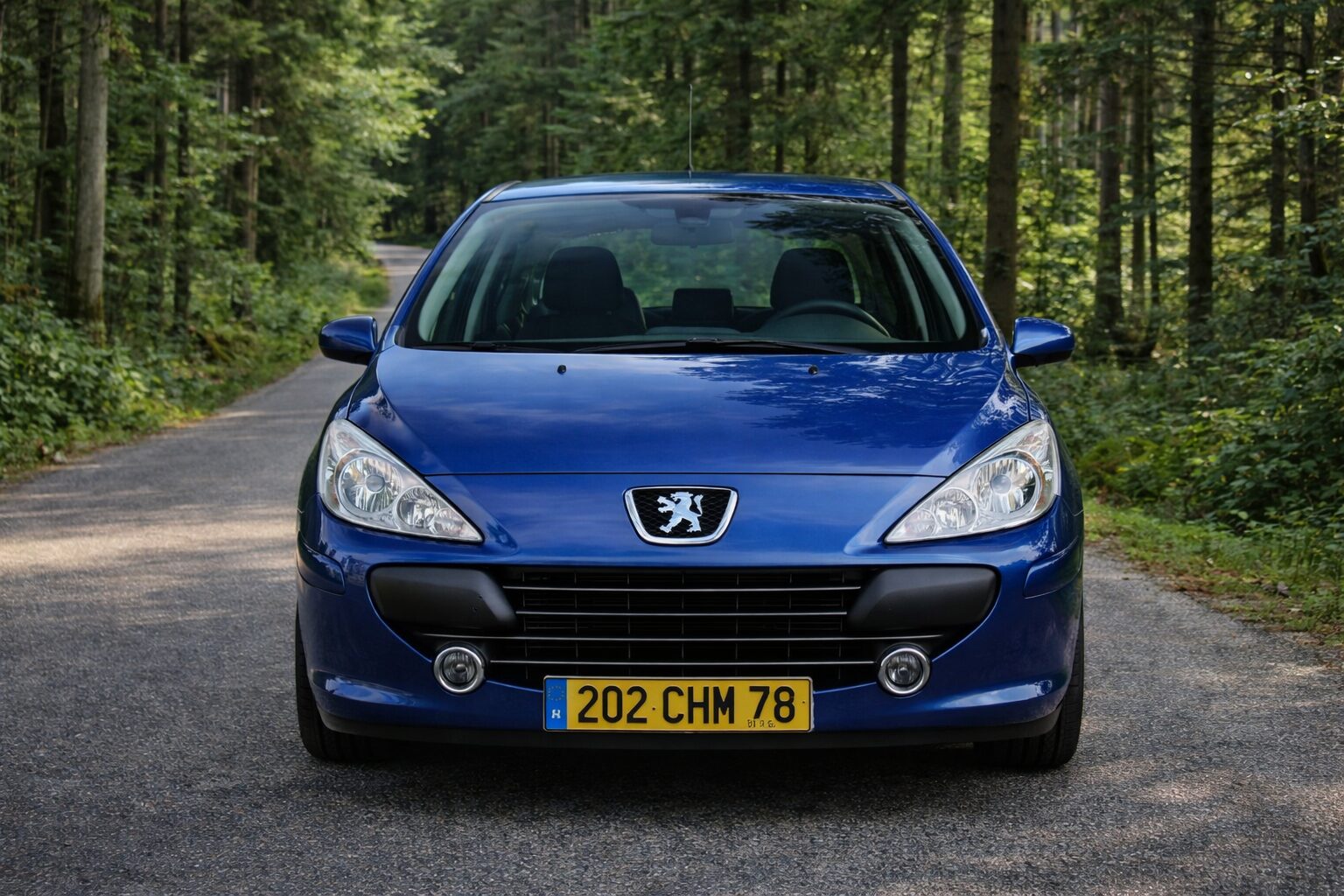
Replacing the washer fluid cap is one of the easiest repairs on the Peugeot 307. The cap is attached to the fluid tank under the bonnet with a simple click fitting. On many models the cap is blue or black and visible on the left-hand side.
Gently pull off the old cap and check whether the sealing ring is still intact. If it is damaged, replace it at the same time to prevent leaks. Firmly click the new cap into place until you hear a clear click. Then test whether the cap closes properly by pulling it lightly.
Preferably use an original Peugeot part or a high-quality equivalent. Cheap versions may break again within a few months. At the same time, check the fluid level and top up with washer fluid that is frost-resistant.
Interior buttons wear quickly: tips for longer-lasting use
The rapid wear of interior buttons can be slowed down with a few simple measures. Always operate buttons with a light touch and avoid pressing or pulling hard. This extends the life of both the buttons and the underlying switches.
Clean the dashboard regularly with a damp cloth and a mild cleaner. Dust and dirt act as an abrasive and speed up wear of coatings. Do not use aggressive chemicals or solvents, as these further damage the plastic.
For frequently used buttons such as those for the heating, you can apply protective film. This is hardly visible but prevents direct wear. For buttons that are already damaged, consider replacement before they break off completely. Individual buttons are often available separately from parts webshops.
‘ Small defects often point to larger underlying problems with the BSM unit or wiring. ’
Preventive maintenance avoids a lot of hassle
Most window and interior problems with the Peugeot 307 can be prevented or limited with regular maintenance. Check the seals around windows and doors annually for cracks or detachment. Replace damaged rubbers immediately to prevent moisture ingress.
Lubricate mechanical parts such as hinges, locks and window guides every six months with a suitable lubricant. This significantly reduces friction and wear. Test all electrical functions monthly so that problems are noticed early and do not get worse.
When buying a used Peugeot 307, a thorough check of all windows, locking and interior functions is essential. Take the time to test every button, switch and door. Small defects often point to larger underlying problems with the BSM unit or wiring.
Discover more about the Peugeot 307
The Peugeot 307 has more quirks and known issues that you should take into account as an owner. On the Carnews website you will find extensive information about engine problems, common drivetrain faults, maintenance tips for the clutch and turbo, and experiences of other owners regarding long-term reliability. Discover what else to expect and how to enjoy many years of trouble-free driving with this popular French family car.
Frequently asked questions
You can recognise common window defects on your Peugeot 307 by windows that move slowly or jerkily, make a clicking sound without opening, or get completely stuck. Interior and electrical problems manifest themselves as electric windows dropping out, central locking that does not lock all doors or only clicks, and sometimes a dashboard that suddenly goes black or comes “to life” with random behaviour. Keep an eye on possible moisture problems at the windscreen (condensation, traces of moisture near the BSM unit at the lower left of the screen), as this can cause short circuits with all kinds of strange electrical faults as a result. Also regularly check that the tailgate and all doors open and close smoothly without sticking, as broken wiring in the looms is often the culprit here.
The main causes of window mechanism faults in the Peugeot 307 are worn window motors and defective switches, often made worse by moisture ingress into the electrical systems (BSM unit and wiring). In addition, microcracks around the windscreen after a glass replacement can cause short circuits and window faults. Interior wear is mainly caused by daily loading of switches, door locks and wiring, combined with corrosion due to moisture. Poorly sealing rubbers and misaligned panels also contribute to both mechanical and cosmetic wear of the interior.
You can clean the window guides and rubbers yourself and lubricate them with silicone spray so that the windows run smoothly again. Check and dry the BSM unit and the connectors under the bonnet and at the doors if you have electrical faults with windows or the interior. Carefully remove the door panel to check the window motor or switches for loose plugs or visible wear. Keep rubbers and locks on doors and tailgate clean and lightly lubricated to prevent moisture and corrosion.
Prevent window and interior defects by regularly checking the windscreen and door seals for leaks and drying any moisture immediately, especially around the BSM unit and under the dashboard. Periodically test all electric windows and the central locking over their full travel (fully open/close all windows and doors) and act quickly if you notice odd noises, slower movement or sticking. Lubricate locks and hinges with silicone spray and check wiring in the door and tailgate harnesses for wear or breaks. Avoid long-term parking in very damp conditions and overloading the electrical system with heavy audio equipment or other aftermarket consumers.
On average, replacing or refurbishing window mechanisms and window motors on a Peugeot 307 costs between roughly €150 and €400 per window, depending on whether you use universal or original parts and whether you do the dismantling yourself. Repairs to switches or wiring for windows and central locking usually fall in the €75 to €250 range, unless there is corrosion or moisture damage to the BSM unit, which can greatly increase the cost. The technical complexity ranges from easy to moderate for replacing switches and window mechanisms (removing the door panel, plug-and-play), to complex when there are moisture or CAN bus/BSM issues in the electrical network. In the latter cases, diagnosis with wiring diagrams and specialist equipment is required and the work is usually carried out by a specialist or dealer.