
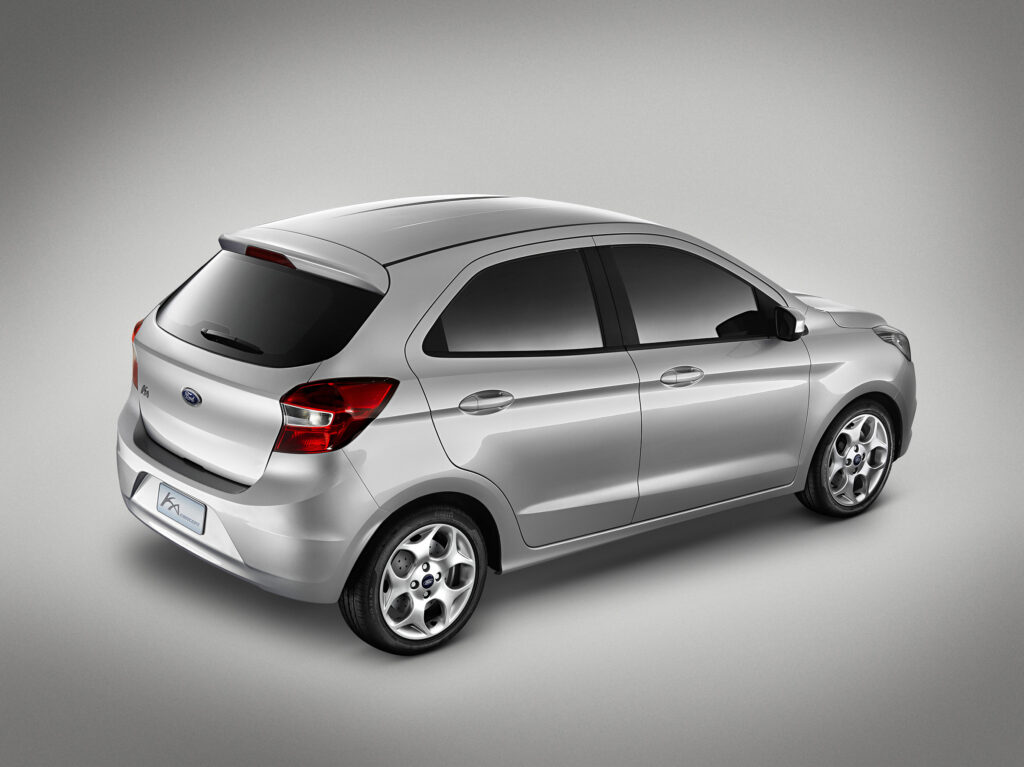
A fault with the windscreen wipers on the Ford Ka is a common problem that often occurs due to a burnt-out wiper motor, especially in freezing rain or when there are mechanical blockages. The result is poor visibility and therefore an immediate safety risk. Fortunately, the cause is usually easy to trace and, where possible, simple to check. In this article you will discover why the wipers are juddering, how to track down the problem and when you need to replace the wiper motor.
Why are the windscreen wipers on the Ford Ka not working?
The Ford Ka is a compact city car that over the years has become known among many owners for issues with the windscreen wipers. A fault usually presents in the same way: the wipers move slowly, stop suddenly while in use or no longer respond at all. This often looks like a major technical problem, but in many cases there are only a limited number of causes, which you can rule out one by one.
The most common causes of wiper failure are worn wiper blades. In addition, a blown fuse, a problem in the wiring or earth connection, or a broken wiper motor are also common. A mechanical blockage can also overload the motor and cause it to fail permanently. It is important to check things systematically. Replacing a motor can be expensive. The real cause sometimes turns out to be something as simple as a fuse or a poor earth connection.
Typical symptoms of a fault
First recognise the symptoms. They often already point towards a particular cause:
- The wipers move jerkily or very slowly across the windscreen
- The wipers get stuck in the middle of the screen or stop while in use
- The motor makes a noise, but the wiper arms barely move or do not move at all
- The windscreen washer also stops working, which may point to a broader electrical problem
‘ The damage is often already done. ’
Windscreen wiper problems in freezing rain and frost
Wiper failure during freezing rain or frost is a regular occurrence. The wiper arms can literally freeze to the windscreen. The mechanism can also stiffen up due to frozen hinges. If you switch on the wipers in that situation, the motor has to work harder than normal. This can lead to overheating and burning out of the wiper motor.
A blockage caused by snow or a build-up of ice also creates extra resistance. This often happens at the base of the wiper arms. The motor then does not have enough force to move the arms and cuts out. In some cases the motor will work again temporarily after thawing. By then the damage is often already done. Owners regularly report that after a frosty night the wipers have failed for good.
Tip: in frosty conditions always lift the wipers off the glass, or check before use that they are not frozen in place. Never try to force a blockage with the wiper motor, but thaw it manually first. This prevents unnecessary damage to the motor and the mechanism.
Checking possible causes step by step
Has a fault with the windscreen wipers occurred? Then follow a fixed diagnostic sequence. This prevents you from immediately replacing expensive parts. The problem is often much easier to solve. Always start with the simplest checks. From there, work your way towards the more complex components.
Step-by-step diagnosis
- Check the wiper blades: worn or hardened rubber can give the impression that the entire system is not working properly. Always replace the blades in pairs for an even result.
- Check the fuse: a blown fuse will cause complete wiper failure. Look in the fuse box for the correct fuse and replace it if necessary.
- Test the movement of the wiper arms: switch off the engine and move the arms by hand. If they are stuck or move stiffly, this may point to a mechanical blockage or rust in the hinges.
- Check the earth connections: a poor earth is a very common cause of weak motor performance. Test the wiring and clean connection points where necessary.
- Measure the voltage at the motor: if the voltage and earth are fine but the motor does not respond or is weak, the wiper motor itself is probably faulty.
This order helps to avoid unnecessary costs. It also gives you a clear picture of where the problem lies. Many owners discover at this stage that a simple solution is all that is needed.
Replacing the wiper motor on the Ford Ka
Do the checks show that the wiper motor itself is defective? Then replacement is the only solution. This sounds more complicated than it is. You do need a certain level of mechanical skill. If you are handy with tools, you can do the work yourself. Otherwise it is wise to visit a garage.
Steps for replacing the wiper motor
- Switch off the engine and disconnect the battery to prevent short circuits.
- Remove the wiper arms by undoing the nut at the base. Note: the arms are under spring tension and can snap back.
- Remove the cover of the wiper mechanism below the windscreen. This may be held on with clips or screws.
- Unplug the connector from the wiper motor and undo the mounting bolts.
- Remove the old motor and fit the new one in the same position. Make sure all connections are correctly reconnected.
- Refit the cover and wiper arms in the reverse order.
- Reconnect the battery and test the windscreen wipers in all settings.
A new wiper motor usually costs between 50 and 150 euros, depending on the brand and version. If you use a garage, you will need to add labour costs, often for about one to one and a half hours of work.
Practical tips for Ford Ka owners
Prevention is always better than repair. With a few simple measures you can significantly extend the life of your wipers and motor. Regular maintenance prevents many faults. Conscious use helps too.
- Replace the wiper blades at least once a year, or earlier if you see streaks or skipping on the screen
- Do not use the wipers on a dry screen; this increases resistance and puts strain on the motor
- Regularly clean the wiper blades with a damp cloth to prevent a build-up of dirt
- Check the washer jets for blockages and fill the reservoir with a suitable screen wash
- In frosty conditions, take extra care to ensure the wipers can move freely before switching them on
If you follow these tips, you will often prevent problems. Motor failure is usually the result of avoidable situations. With used Ford Kas it is sensible during a test drive to try the wipers in all settings and listen for unusual noises.

When should you repair or replace?
The choice between repair and replacement depends on the fault. A blown fuse is an electrical problem. Poor earth connections fall into this category too. For such issues, repairs are almost always sufficient. If the problem lies with the motor itself, replacement is usually the only option. Repairing a wiper motor is technically complex and not cost-effective.
Do the wipers keep giving trouble even after checking fuses and wiring? This points to wear in the motor or internal mechanical damage. In that case, delaying repair will only cause more hassle. Timely replacement is sensible. Is the motor getting power? Is it delivering no or hardly any force? Then you need a new motor.
A faulty wiper system makes your car unsafe, especially in bad weather. Repair or replacement should therefore always be a priority and should not be postponed.
Want to know more about car problems?
Windscreen wipers are just one of many components that require attention, both on the Ford Ka and on other models. On the Carnews website you will find extensive information on common car problems. There are also maintenance tips and practical guides for all kinds of makes and models. Want to work on your car yourself? Want to prepare for a workshop visit? There is always more to discover. Take a look and stay up to date with everything to do with cars.
Frequently asked questions
The most common causes are worn wiper blades and a faulty or seized wiper motor. A blown fuse or problems with the power supply are also frequent. In addition, a poor earth connection and damaged wiring or switch regularly cause faults. Finally, a mechanical blockage, for example sticking hinges or freezing, can overload the motor and cause the wipers to fail.
Start with the simple checks: see whether the wiper blades are worn or have come loose and replace them if necessary, and check in the fuse box whether the wiper fuse has blown. Then check whether the wiper arms can move freely (not frozen or mechanically blocked) and clean the hinge points. Next, use a multimeter to measure whether there is voltage and a good earth at the wiper motor when you switch on the wipers. If there is proper voltage and earth but the motor does not run or barely turns, the wiper motor usually needs to be replaced.
The costs at a garage depend heavily on the problem: for new wiper blades only you usually pay around €25–€60 including fitting, while replacement or repair of the wiper motor including labour can quickly come to around €150 to €350. Cheaper alternatives are to replace the wiper blades yourself (parts only approx. €10–€30) or to go to an independent garage or fast-fit chain instead of a main dealer.
Based on the available information, there are no clear indications that specific Ford Ka model years or versions structurally suffer more from wiper problems than others. The reported issues (worn blades, poor earth, fuses, faulty motor) occur across various years of manufacture. Understandably, older Kas do seem to have complaints more often due to general wear of the motor and wiring.
Have the wiper blades replaced in good time and do not use the wipers on a dry or frozen screen to avoid overloading the motor. At least once a year, check the hinges and arms for dirt or sticking and keep the windscreen clean so the wipers move smoothly. From time to time, check the fuse box and connectors for corrosion or loose contacts, especially if the wipers have caused trouble before. If the wipers move slowly or jerkily, have the earth connections and wiring checked immediately so that the motor is not left running under load while something is jammed.