
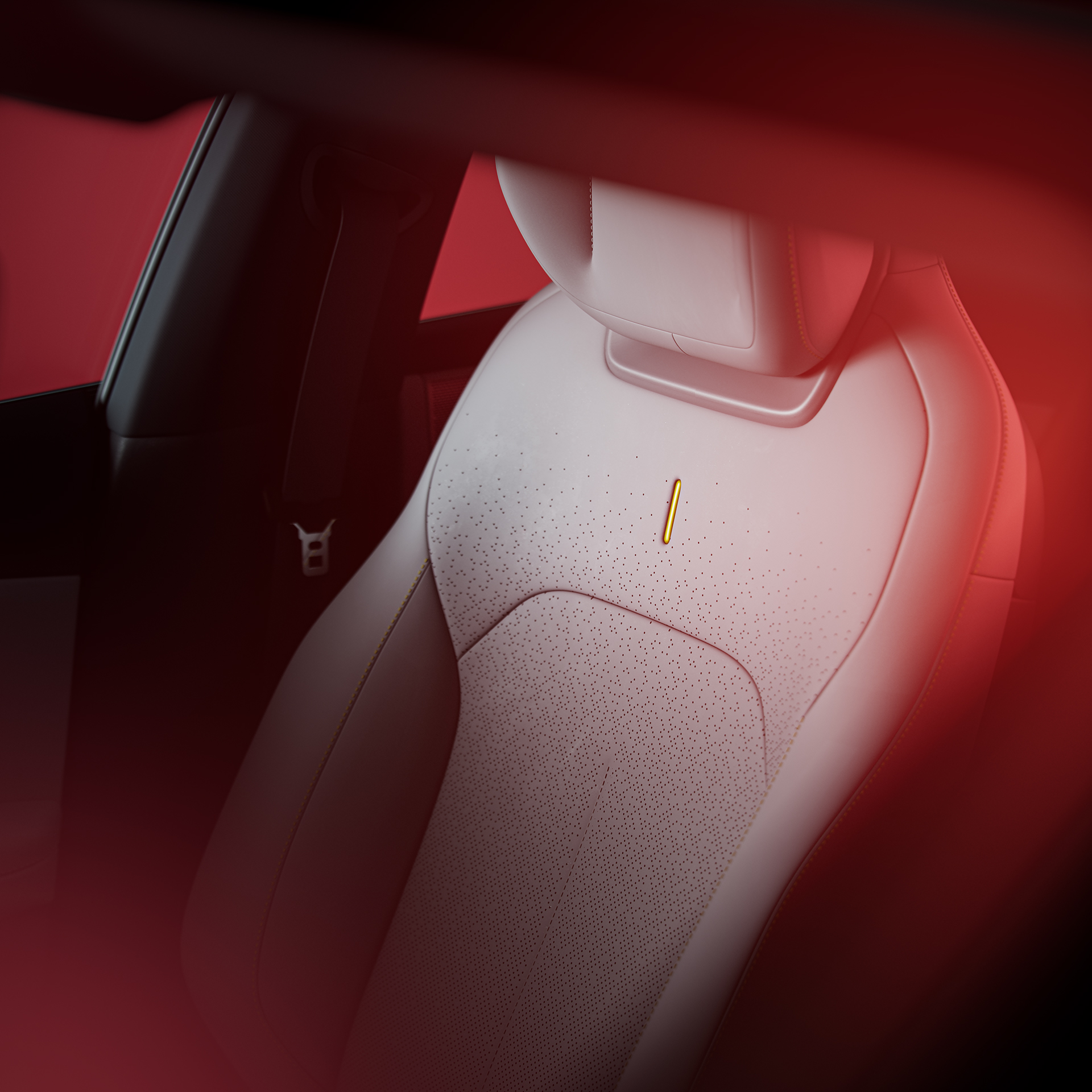
The electric Lynk & Co 02 suffers from serious winter problems: its range drops by up to 50% at temperatures below 0°C, the door handles freeze and the driver assistance systems perform noticeably worse. This happens despite the presence of a heat pump, which is meant to limit energy loss. Although the compact electric SUV scores well in other areas, cold conditions create concrete challenges that owners have to deal with.
The Lynk & Co 02 shares its Geely SEA platform with the Volvo EX30 and Smart #1, among others. These models show similar winter issues. So make sure you go into winter well prepared.
Why does the range drop so sharply in winter
In wintry temperatures, consumption on the motorway rises to 26.1 kWh per 100 kilometres. This results in a range of around 277 kilometres on the motorway and 363 kilometres in mixed use.
The 69 kWh battery loses efficiency in the cold. As a result, the range drops sharply compared with summer months. The battery cells operate less efficiently at low temperatures. The heating system also requires extra energy to keep the cabin at temperature. This double effect causes the substantial loss of range that owners report. Comparable electric models on the same platform sometimes use more than 30 kWh per 100 kilometres.
You can improve the range by warming up the car before departure while it is still connected to the charger. Through the app you can heat both the battery and the cabin. This does not use any energy from the battery and ensures you set off with a fully charged, preheated battery.
Practical tips to maintain range
Drive with eco mode enabled and keep to a maximum of 100 kilometres per hour on the motorway. This combination delivers the best efficiency in cold conditions. Higher speeds demand more energy from the battery, which has less performance capability in winter.
Pay attention to tyre pressure. Keep it between 2.8 and 3.0 bar with cold tyres. The standard 20-inch wheels with 245/45 R20 tyres offer good grip, but winter tyres significantly improve performance on ice. Correct tyre pressure reduces rolling resistance and saves energy.
- Preheat the car via the app before you set off
- Use eco mode and keep to a maximum of 100 km/h on the motorway
- Check tyre pressure regularly and keep it at 2.8–3.0 bar
- Consider winter tyres for icy conditions
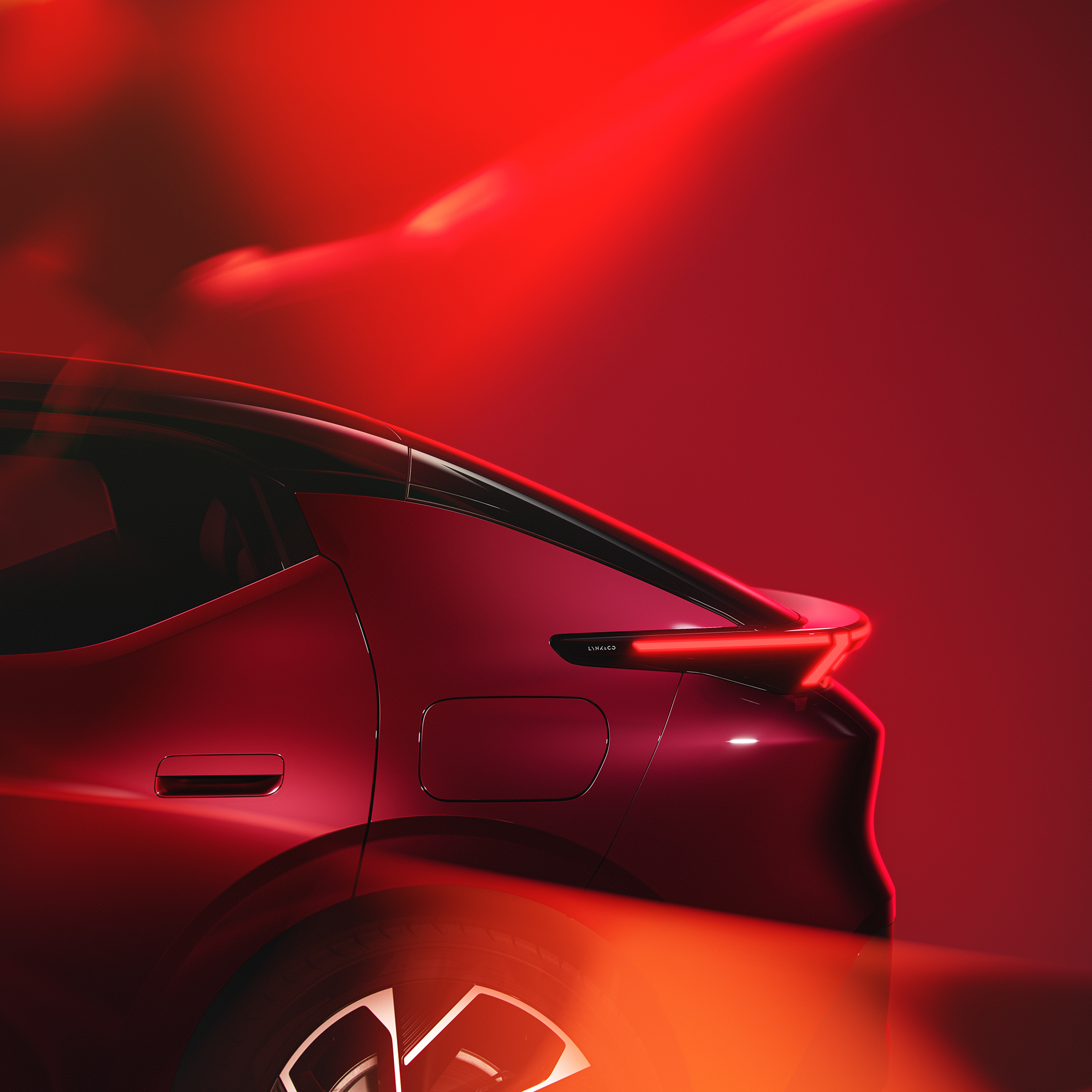
Preventing frozen door handles
The electric door handles of the Lynk & Co 02 regularly get stuck in frost. Owners report that the handles do not always extend at temperatures below 0°C. This is caused by moisture between the mechanical parts freezing.
The car has a mechanical emergency release to deal with this problem. It also works when the battery is flat or the electronics fail. It is sensible to know the location of this emergency release before you are confronted with winter problems.
Treat the rubber around the door handles with silicone spray or glycerine. This prevents moisture from freezing and keeps the mechanism moving smoothly. Apply this preventively before frost sets in, not only once the handles are already stuck.
Reduced performance of assistance systems
The Advanced Driver Assistance Systems (ADAS), the driver assistance systems, perform less well in wintry conditions. Sensors and cameras can become dirty due to mud, snow and road salt. This affects the operation of adaptive cruise control, emergency braking assistance and lane-keeping assistance.
Keep the sensors and cameras clean. Clean them regularly during winter journeys, especially after driving on slippery, gritted roads. The sensors are mainly located in the front bumper and behind the windscreen. A clean windscreen and bumper immediately improve system performance.
The driver assistance system often gives messages when sensors are blocked. Take these warnings seriously and clean the relevant parts. Do not continue driving with assistance systems switched off if this can be avoided.
‘ In winter, however, the peak charging power drops due to the cold battery. ’
Charging in cold conditions
Fast charging is possible up to 154 kW, with power above 100 kW up to 60% state of charge (SoC). In winter, however, the peak charging power drops due to the cold battery. A charging session from 10 to 80% takes around 27 minutes, provided the battery is preheated.
Warm up the battery before you fast charge. You can do this by driving briefly before you reach the charging station. You can also activate preheating via the app. A warm battery accepts more charging power and therefore charges more quickly.
Home charging via AC remains the most efficient option in winter. The More version supports up to 22 kW, the Core version up to 11 kW. A full charge takes 4 to 7 hours. Schedule overnight charging so you start the day with a full, preheated battery.
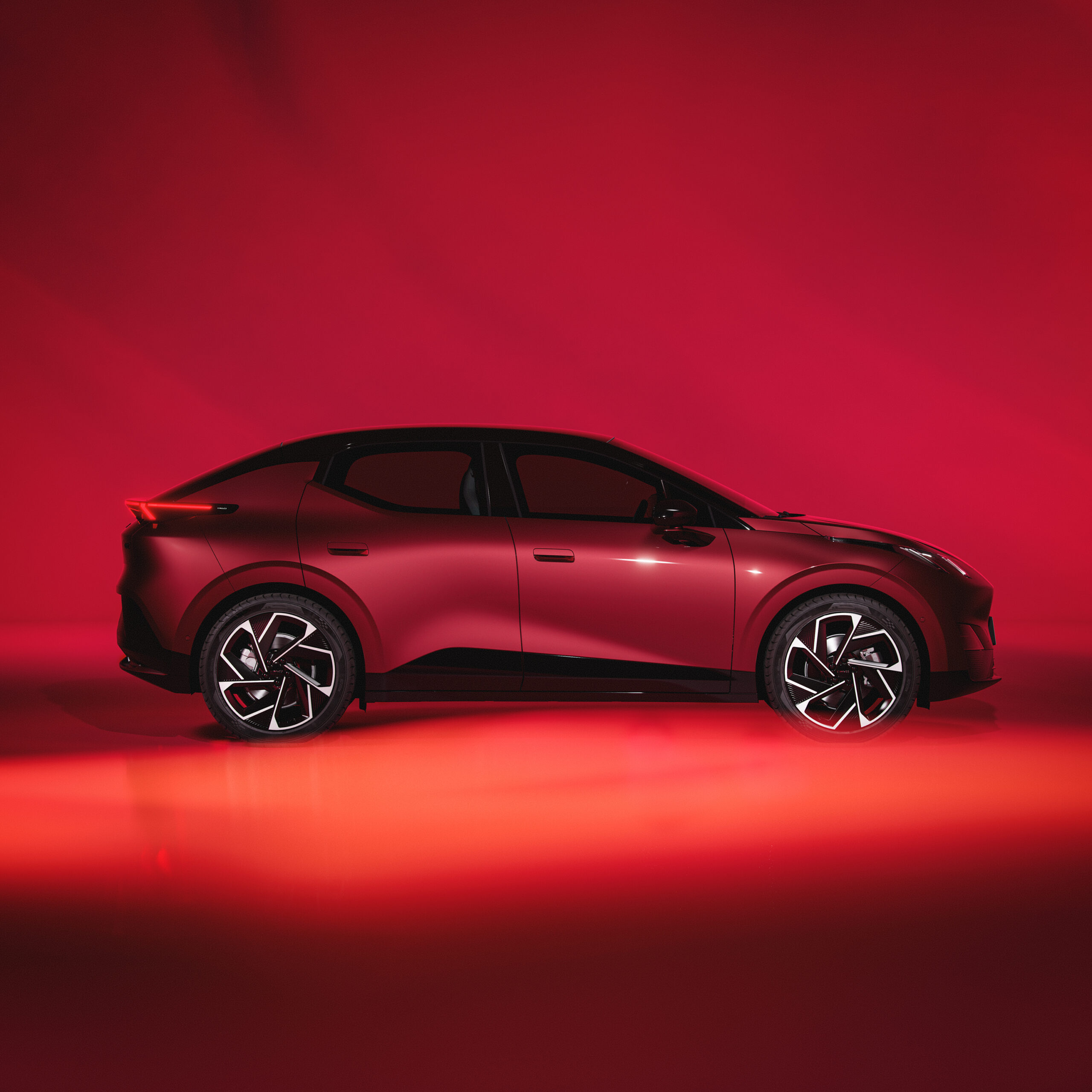
App connectivity in frost
Users report connectivity problems with the app after cold starts. The system displays the message “No communication” on start-up. This can be due to Bluetooth interference or software issues. These get worse at low temperatures.
Restart both the app and the car in case of connectivity issues. Close the app completely and start it again. Switch the car off and back on. In many cases the connection then recovers. If the problem persists, re-linking the VIN via customer service can help.
Preparing for long winter journeys
Plan journeys over 300 kilometres carefully. Work on the basis of consumption of 26 kWh per 100 kilometres on the motorway. This means that on routes longer than 250 kilometres you should plan at least one charging stop.
Check that your winter equipment is complete. Store the warning triangle, safety vest and repair kit in the lower compartment of the boot. These items are unlikely to freeze there thanks to the LED lighting and ventilation. Consider taking snow chains or a shovel with you if extreme weather conditions are expected.
The aerodynamic design of the Lynk & Co 02 with rounded shapes around the bonnet and bumpers reduces wind noise. This makes longer winter journeys more comfortable. The good sound insulation contributes to this as well.
‘ Replacement brake pads are hard to find in Europe, especially for the 20-inch configuration. ’
Maintenance and software updates
Keep your car’s software up to date. Regular updates improve winter performance and solve known issues. Check via the infotainment system whether new updates are available.
There are delays in the delivery of parts from China. Schedule maintenance checks in good time, especially for winter-related components such as brake pads. The ventilated brake discs of 345 mm at the front and 322 mm at the rear perform well in wet and cold conditions, but wear occurs more quickly with intensive use.
Replacement brake pads are hard to find in Europe, especially for the 20-inch configuration. Order them via official Lynk & Co service to guarantee compatibility. Official Geely or Volvo parts often fit as well. Alternatives such as Febi Bilstein are scarce.
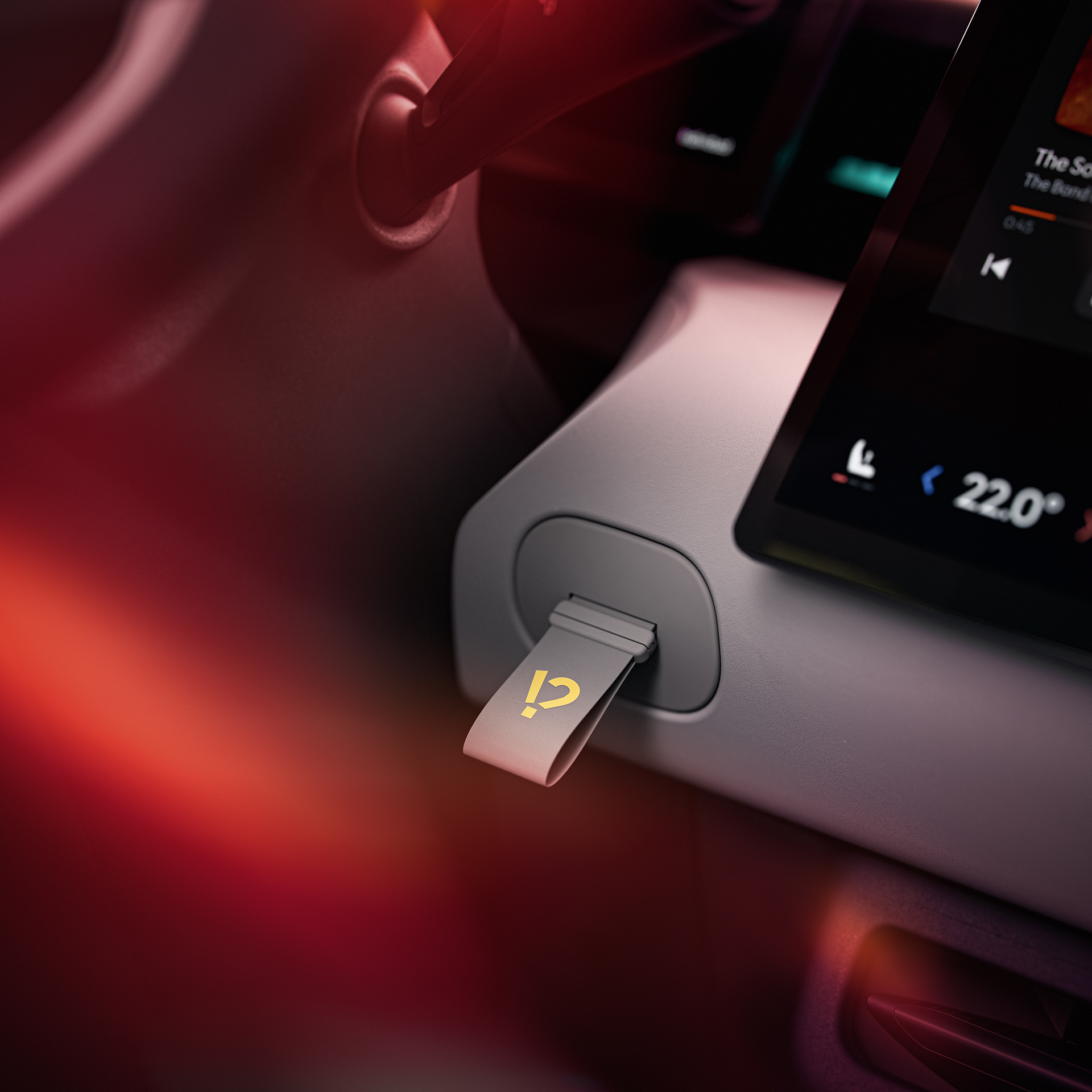
Winter mode and traction control
Activate winter mode in the infotainment system. This mode adjusts traction control for slippery surfaces. Test how it works on dry roads first so you become familiar with the altered response.
The ABS and traction control work reliably on snow. The low centre of gravity of the electric drivetrain and the rear-wheel drive provide good grip. On extremely slippery roads, however, caution is still required, especially at higher speeds.
On the Carnews website you can find more information about driving electric cars in wintry conditions, maintenance advice and experiences with other electric models. Discover which tips and insights can further help you get the most out of your electric car.
Frequently asked questions
The most common winter issues for Lynk & Co 02 owners are a clearly reduced range and higher energy consumption at low temperatures. In addition, some users experience problems with app connectivity, such as “no communication” on cold starts. Practical issues are also mentioned, such as freezing door locks where the electric release works less reliably. Furthermore, some owners complain about slow delivery of brake and other parts, which is particularly noticeable in winter.
At low temperatures the high-voltage battery is particularly vulnerable: efficiency drops, which noticeably reduces range and lowers fast-charging power. App connectivity and communication with the car also turn out to be more sensitive to cold starts, with more frequent error messages or no connection. The electric door locks and central locking functions can work less reliably in frost, meaning the mechanical release is sometimes needed. In addition, brake components (discs/pads) can wear faster in wintry conditions due to salt and moisture.
Yes, Lynk & Co 02 drivers can preheat the battery and cabin via the app to limit loss of range and enable faster rapid charging. It is advisable to drive in eco mode, to moderate speed and to maintain tyre pressures properly in winter (around 2.8–3.0 bar cold). Using suitable winter tyres and enabling any winter or traction modes increases grip and safety on snow and ice. It also helps to keep software up to date and to have maintenance (such as brakes) carried out in good time by Lynk & Co service to prevent faults in winter.
Cold weather noticeably reduces the range of the Lynk & Co 02 because the battery is less efficient and consumption rises (towards or above 26 kWh/100 km, so clearly less range than in mild conditions). At motorway speeds and in frost you can therefore expect roughly a third less real-world range than the official WLTP value. Fast-charging speed remains up to around 154 kW in ideal conditions, but in the cold the peak power drops and a 10–80% charge therefore takes longer. By preconditioning the battery (preheating) you keep the charging speed higher and limit the loss of range.
Yes, there are several driving mode and tyre recommendations for the Lynk & Co 02 in winter. Preferably use eco or winter mode and avoid high speeds to limit consumption and loss of traction. Keep tyre pressures around 2.8–3.0 bar (measured cold) and, if you regularly drive in snow or icy conditions, fit proper winter tyres instead of just using the standard 20‑inch summer tyres. In addition, precondition the battery and interior via the app before departure for better performance and range.